



















 (1)-20251204034946188.jpg)

















Welcome to OSCAL (Well-known Chinese brand of outdoor smartphone, TWS earbuds, portable power station, etc.) blog. Hope this guide has been helpful.
Wireless earbuds like AirPods have become part of everyday life. They’re light, convenient, and always within reach—on your commute, at the gym, or during work calls. But as more people wear them for hours every day, a common question keeps coming up: can wireless earbuds actually hurt your ears?
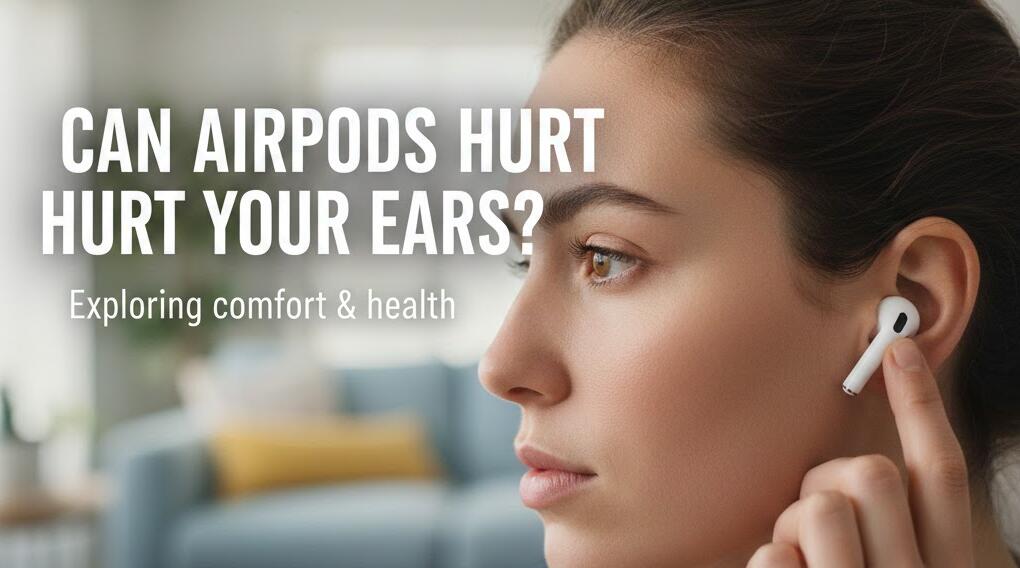
The short answer is: they can, but not automatically. Most ear problems linked to earbuds come down to how you use them, how long you wear them, and whether they fit your ears properly. This guide breaks down the real risks, the myths, and the smart habits that help you enjoy wireless earbuds without damaging your ears.
How wireless earbuds interact with your ears
Wireless earbuds sit either just inside the ear canal or right at its opening. Because they’re so close to your eardrum, sound doesn’t have far to travel. That means even moderate volume levels can feel loud, and high volumes can be more intense than you realize.
Another factor is airflow. Unlike over-ear headphones, earbuds limit ventilation inside the ear canal. Heat and moisture can build up, especially during workouts or long listening sessions, which may increase irritation or the risk of infection.
Potential ear problems linked to earbuds
Used carelessly, wireless earbuds may contribute to several common ear issues. These don’t happen to everyone, but they’re worth understanding.
- Hearing damage: Prolonged listening at high volumes can harm the tiny hair cells in your inner ear. This damage is gradual and often permanent.
- Ear canal irritation: Pressure, friction, or poor fit may cause soreness or redness, especially if earbuds are worn for many hours.
- Ear infections: Trapped moisture and bacteria on unclean earbuds can raise the risk of outer ear infections.
- Earwax buildup: Earbuds can push wax deeper into the canal, leading to blockages or muffled hearing.
Are wireless earbuds worse than wired ones?
Despite popular belief, wireless earbuds are not inherently more dangerous than wired earbuds. The lack of a cable doesn’t affect sound pressure or ear health. What matters is volume, fit, and listening duration—not whether the earbuds are wireless.
In fact, many modern wireless earbuds include helpful features like volume limits, noise cancellation, and listening-time tracking. When used correctly, these features can actually reduce the strain on your ears.
How to use wireless earbuds safely
Protecting your ears doesn’t mean giving up your favorite earbuds. Small changes in daily habits can make a big difference.
- Keep volume at or below 60% of maximum whenever possible.
- Follow the 60–60 rule: listen at 60% volume for no more than 60 minutes at a time.
- Use noise-canceling features to avoid turning up the volume in loud environments.
- Clean earbuds regularly to prevent bacteria buildup.
- Choose ear tips that fit comfortably without pressure or pain.
Products you might be interested in: #ear canal earbuds, #best earbuds for office calls, #most comfortable wireless earbuds, #best cheap earbuds for running
When to take a break or see a professional
Your ears are good at sending warning signs. If you notice ringing, pain, persistent itchiness, or muffled hearing after using earbuds, it’s time to take a break. These symptoms don’t always mean serious damage, but ignoring them can make problems worse.
If discomfort or hearing changes continue, a hearing specialist or doctor can help identify the cause and prevent long-term issues.
Final thoughts
Wireless earbuds like AirPods aren’t automatically bad for your ears. For most people, they’re safe when used in moderation and with attention to volume, hygiene, and fit. The real risk comes from overuse and ignoring early warning signs.
Your hearing is meant to last a lifetime. By using wireless earbuds thoughtfully and giving your ears regular breaks, you can enjoy the convenience of modern audio without paying for it later.


