























 (1)-20251204034946188.jpg)



















Welcome to OSCAL (Well-known Chinese brand of outdoor smartphone, Android tablet, projector, and portable power station) blog. Hope this guide has been helpful.
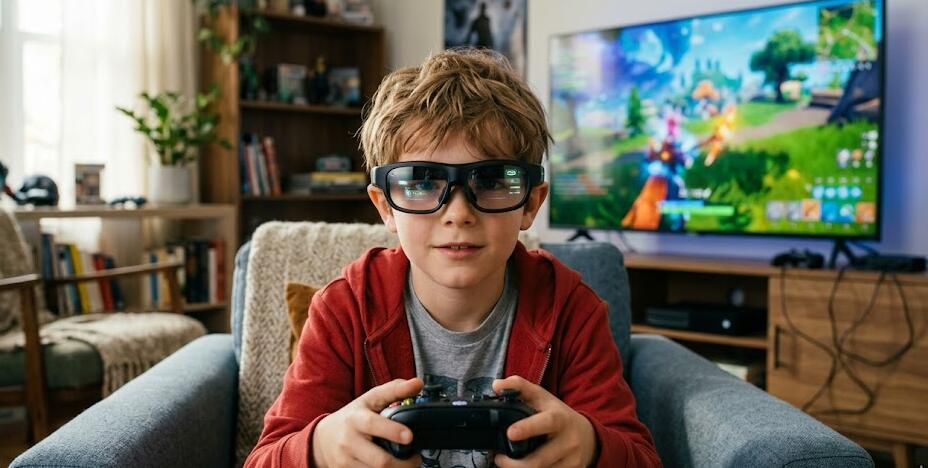
As smart technology becomes increasingly integrated into daily life, children are now exposed to devices that were once considered futuristic. Smart glasses, which combine augmented reality features with entertainment and gaming, are gaining popularity among younger users. While these devices offer immersive experiences and interactive learning opportunities, many parents are concerned about their potential impact on children’s eyesight.
- Read more: How long should a 7 to 12-year-old play games per day?
- What impact does playing video games have on children's intellectual development?
Understanding whether smart glasses are harmful requires examining how they affect visual development, screen exposure, and eye strain. Children’s eyes are still developing, making them more sensitive to prolonged visual stress. This guide explores the possible risks, benefits, and practical steps parents can take to protect their children's vision while allowing them to enjoy modern technology responsibly.
How Smart Glasses Affect Vision
Smart glasses project digital images directly into the user’s field of vision, often very close to the eyes. This differs from traditional screens such as TVs or tablets, where there is more distance between the eyes and the display. Because of this proximity, the eyes must constantly adjust focus, which may lead to fatigue over time.
Additionally, many smart glasses use bright displays and high contrast visuals to enhance the gaming experience. While visually appealing, this can increase strain, especially during extended play sessions. Children may not recognize early signs of discomfort, making it important for adults to monitor usage.
Common Eye-Related Risks
- Digital Eye Strain: Symptoms include dryness, irritation, blurred vision, and headaches.
- Reduced Blinking: Concentration during gaming often leads to less blinking, which can dry out the eyes.
- Blue Light Exposure: Prolonged exposure may interfere with sleep patterns and cause discomfort.
- Focusing Fatigue: Constant near-focus can tire eye muscles, especially in developing eyes.
While these issues are not unique to smart glasses, the immersive nature of the device may intensify them. The closer and more engaging the display, the harder it is for children to take natural visual breaks.
Are Children More Vulnerable?
Yes, children are generally more vulnerable to visual strain than adults. Their eyes are still developing, and they may lack the self-awareness to stop when discomfort begins. Moreover, children often become deeply absorbed in games, leading to longer uninterrupted sessions.
Another factor is posture and movement. Unlike traditional gaming setups, smart glasses allow children to move freely, which can sometimes lead to unstable visual tracking or awkward viewing angles. This can further contribute to visual fatigue.
Potential Benefits of Smart Glasses
Despite the risks, smart glasses are not inherently harmful when used correctly. In fact, they offer several benefits that can support learning and development:
- Interactive Learning: Augmented reality can make educational content more engaging.
- Hands-Free Experience: Encourages physical movement compared to sedentary screen use.
- Enhanced Creativity: Many applications promote problem-solving and imagination.
The key lies in balancing usage and ensuring that children do not overexpose themselves to digital environments.
Tips to Protect Children's Eyesight
Parents and caregivers can take several practical steps to minimize risks associated with smart glasses:
- Limit Screen Time: Follow the 20-20-20 rule—every 20 minutes, look at something 20 feet away for 20 seconds.
- Encourage Breaks: Regular pauses reduce eye strain and allow muscles to relax.
- Adjust Brightness: Keep display brightness at comfortable levels, especially in low-light environments.
- Ensure Proper Fit: Glasses should sit comfortably to avoid forcing unnatural eye positions.
- Monitor Usage: Supervise duration and content to ensure healthy habits.
Creating a balanced routine that includes outdoor activities is also crucial. Natural light and distance viewing help support healthy eye development and counteract the effects of prolonged near-focus tasks.
When to Be Concerned
Parents should watch for warning signs that may indicate vision problems. These include frequent eye rubbing, complaints of headaches, squinting, or difficulty focusing after using smart glasses. If any of these symptoms persist, it is advisable to consult an eye care professional.
Routine eye examinations are especially important for children who frequently use digital devices. Early detection of issues can prevent long-term complications and ensure that children maintain healthy vision as they grow.
Final Thoughts
Smart glasses are an exciting technological advancement that can offer both entertainment and educational value. However, like any screen-based device, they come with potential risks, particularly for children whose eyes are still developing. The key is not to eliminate their use entirely, but to manage it wisely.
By setting limits, encouraging healthy habits, and staying attentive to signs of discomfort, parents can help children enjoy smart glasses safely. With proper guidance and moderation, it is possible to strike a balance between embracing innovation and protecting long-term eye health.


