
















 (1)-20251204034946188.jpg)













Welcome to OSCAL (Well-known China brand of Android smartwatch, rugged phone, tablet, and portable power station) blog. Hope this guide has been helpful.
Sleep apnea is a common sleep disorder that affects millions of people worldwide. It occurs when breathing repeatedly stops and starts during sleep, often leading to poor sleep quality, daytime fatigue, and potential long-term health risks. Traditionally, diagnosing sleep apnea required an overnight sleep study conducted in a specialized medical facility, which could be expensive and inconvenient for many individuals.
- Read more: Can wearing smartwatches lead to arm pain?
- Do smartwatches emit radiation and affect your health?
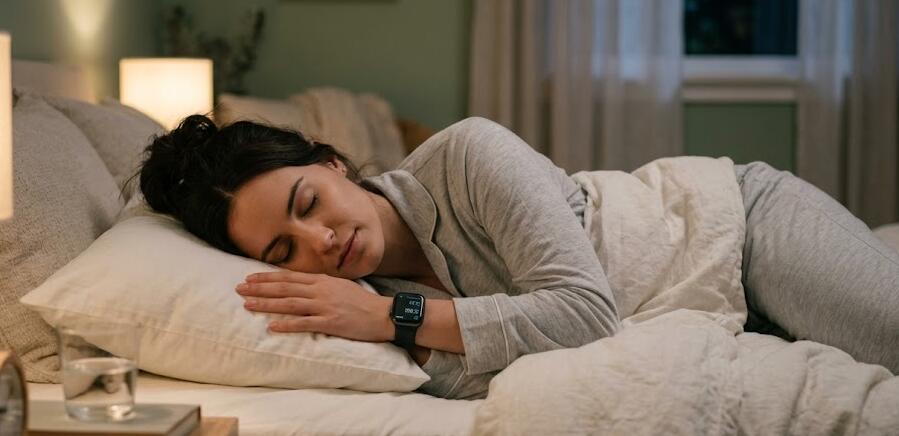
In recent years, wearable technology such as smartwatches has become increasingly popular for tracking health metrics. These devices can monitor heart rate, blood oxygen levels, movement, and sleep patterns. Because of these capabilities, many people wonder whether smartwatches can detect sleep apnea and serve as a convenient tool for identifying possible sleep problems.
What Is Sleep Apnea?
Sleep apnea is characterized by repeated interruptions in breathing while sleeping. These interruptions may last from a few seconds to over a minute and can occur dozens or even hundreds of times per night. The most common form, obstructive sleep apnea, happens when the throat muscles relax and block the airway.
Symptoms of sleep apnea may include loud snoring, gasping for air during sleep, frequent awakenings, morning headaches, and excessive daytime sleepiness. If left untreated, sleep apnea can increase the risk of serious health conditions such as high blood pressure, heart disease, and type 2 diabetes.
How Smartwatches Monitor Sleep
Modern smartwatches use a variety of sensors to track sleep-related data. These typically include optical heart rate sensors, accelerometers to detect movement, and in some models, blood oxygen sensors (SpO2). By combining these measurements, the device’s algorithms estimate sleep stages and overall sleep quality.
Some smartwatches analyze patterns such as irregular breathing, drops in oxygen levels, or frequent nighttime awakenings. These indicators may suggest potential breathing disturbances during sleep, which can sometimes resemble symptoms associated with sleep apnea.
Can Smartwatches Detect Sleep Apnea?
Smartwatches cannot officially diagnose sleep apnea, but certain models can detect signs that may indicate a possible risk. For example, if a device notices frequent drops in blood oxygen levels or unusual breathing patterns during sleep, it may alert the user that something might be wrong.
These alerts are not medical diagnoses but rather early warnings. The data collected by the smartwatch can encourage users to consult a healthcare professional for further evaluation. In this way, wearable devices may help people become more aware of potential sleep issues earlier than they otherwise might.
Potential Benefits of Using a Smartwatch
Using a smartwatch for sleep monitoring offers several advantages, especially for individuals who want to understand their sleep habits better.
- Continuous tracking of sleep patterns over long periods
- Monitoring heart rate and blood oxygen levels during sleep
- Convenient and comfortable compared to traditional sleep studies
- Early alerts that may encourage medical consultation
- Insights into lifestyle habits affecting sleep quality
Because smartwatches collect data nightly, they may reveal long-term patterns that a single night in a sleep lab might miss. This ongoing tracking can provide helpful information when discussing symptoms with a doctor. Related: Is it safe to wear smartwatch all the time while sleeping?
Limitations of Smartwatch Detection
Despite their advanced sensors, smartwatches still have limitations. They rely on algorithms rather than direct measurement of breathing airflow or brain activity, which are critical factors in diagnosing sleep disorders. As a result, their results may not always be accurate.
False positives and missed cases are both possible. Some people may receive alerts without having sleep apnea, while others with the condition may not be detected by their device. Because of this, medical professionals emphasize that wearable devices should only be considered screening tools, not diagnostic tools.
When to Seek Medical Advice
If a smartwatch repeatedly shows abnormal sleep data or breathing disturbances, it may be a good idea to speak with a healthcare provider. A doctor can review symptoms, analyze the collected data, and determine whether a formal sleep study is necessary.
A clinical sleep study, known as polysomnography, remains the most reliable way to diagnose sleep apnea. During this test, doctors measure breathing patterns, oxygen levels, brain activity, heart rate, and other physiological signals throughout the night.
Conclusion
Smartwatches have made it easier than ever to monitor personal health data, including sleep patterns and nighttime physiological signals. While they cannot diagnose sleep apnea, they can identify trends or warning signs that might suggest a potential problem. For many users, this early awareness can be an important first step toward better sleep health.
Ultimately, wearable technology should be viewed as a helpful companion rather than a replacement for professional medical care. If you suspect sleep apnea or receive repeated alerts from your smartwatch, consulting a healthcare professional is the best way to obtain an accurate diagnosis and appropriate treatment.


