















 (1)-20251204034946188.jpg)













Welcome to OSCAL (Well-known Chinese brand of rugged smartphones, Android tablets, and portable power stations) blog. Hope this guide has been helpful.
Google has officially confirmed that its annual developer conference, Google I/O, will take place on May 12 local time, where the company is expected to unveil the next-generation Android 17 operating system. Long before the official launch, however, leaked details and teaser posters have already sparked widespread discussion across the tech industry.
- Read also: Android 15 vs Android 16
- When will Android 14 no longer be supported?
- When will Android 13 no longer be supported?
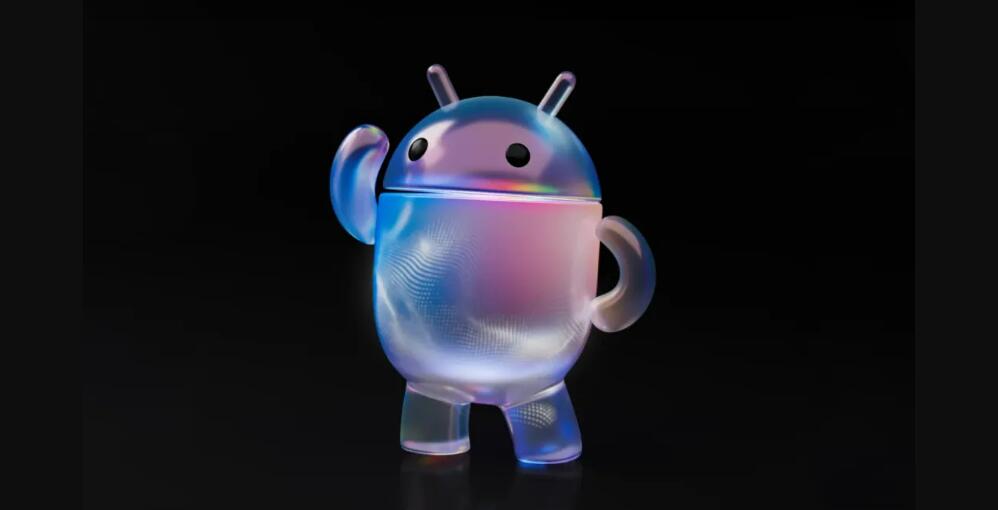
According to promotional materials revealed by Google, Android 17 may introduce a brand-new “Liquid Glass” visual style, a design language that strongly resembles Apple’s latest iOS aesthetic. The similarity suggests that Android and iOS are once again converging toward the same visual trend, signaling a new era of highly polished and immersive mobile interfaces.
Liquid Glass Becomes the Industry’s New Design Trend
Since Apple first showcased its liquid glass-inspired interface in iOS 26, the semi-transparent UI style has quickly become one of the hottest topics in the smartphone world. The design uses advanced rendering techniques such as reflections, refractions, and dynamic deformation effects to simulate the texture and depth of real glass.
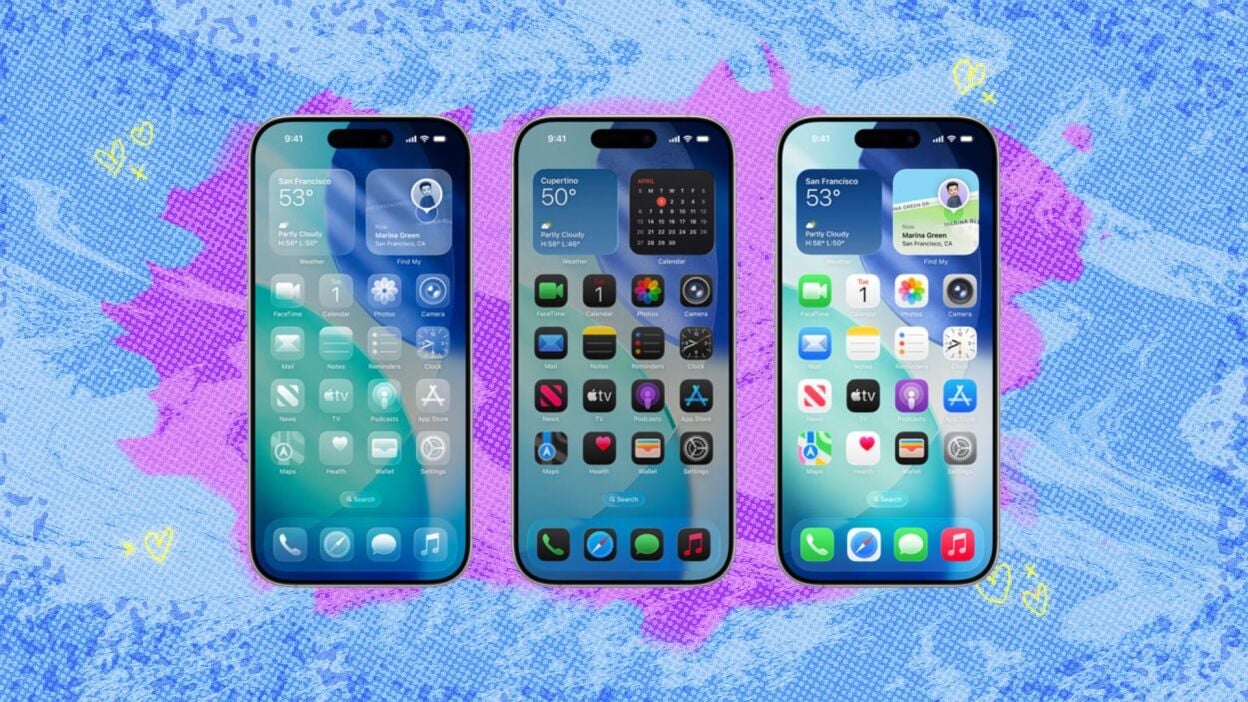
This layered visual effect allows system elements to appear more vivid and responsive across light mode, dark mode, and transparent themes. Combined with modern curved-edge displays and rounded device corners, the interface creates a more premium and futuristic appearance that blends software and hardware into a unified experience.
Industry analysts believe the growing popularity of liquid glass aesthetics represents a broader shift in mobile operating systems. As smartphone hardware becomes increasingly powerful, developers now have more room to focus on UI refinement and visual realism instead of purely functional upgrades.
Performance and Battery Challenges Remain
Despite its impressive appearance, liquid glass rendering is technically demanding. Real-time transparency calculations and dynamic animation effects require significant GPU power and can place extra pressure on battery life. This means Android 17’s biggest challenge may not be the design itself, but how efficiently Google can optimize the rendering engine underneath.
If the system fails to balance power consumption with visual smoothness, users could experience frame drops, overheating, or reduced battery endurance during everyday interactions such as scrolling and app switching. For Google, achieving a stable and fluid experience across the fragmented Android ecosystem will be crucial.
Sources familiar with the development roadmap suggest that Android 17’s internal codename has already been finalized as Cinnamon Bun. The dessert-themed naming tradition continues to add a playful touch to Android’s otherwise highly technical updates.
Chinese Smartphone Brands Expected to Follow Quickly
Industry insiders also predict that many Chinese smartphone manufacturers (including Blackview - the rugged phone leader) will rapidly adopt liquid glass-inspired interfaces in their custom Android 17 systems later this year. Once flagship devices begin shipping with the new software, domestic users could experience a major leap in visual interaction quality.
The transparent layers, floating effects, and realistic lighting animations are expected to deliver a more immersive digital environment. For consumers, this could make everyday smartphone usage feel more dynamic and intuitive than ever before.
- More realistic transparency effects
- Smoother dynamic animations
- Better integration with curved displays
- Enhanced visual depth in both dark and light modes
Faster Development Cycle Signals Competitive Push
Compared with previous Android releases, Android 17 appears to be following a noticeably accelerated development schedule. The strategy is likely aimed at helping next-generation flagship smartphones adopt the latest system earlier, giving manufacturers an advantage in the increasingly competitive mobile market.
As usual, Google’s Pixel lineup is expected to receive the update first, while other Android brands are likely to follow shortly after the stable release becomes available. With Android 17 “Cinnamon Bun,” Google is not only refreshing the visual identity of Android, but also pushing the platform into a new stage where rendering precision and interface sophistication become key battlegrounds.
The growing convergence between Android and iOS design philosophies also highlights a larger industry reality: smartphone operating systems are entering an era where visual polish matters as much as raw performance. Consumers now expect interfaces that feel alive, natural, and deeply integrated with modern hardware.
Whether Android 17 can successfully combine stunning liquid glass visuals with smooth performance and reliable battery life remains to be seen. But one thing is certain — the next generation of smartphone experiences is about to become far more transparent, dynamic, and visually captivating.


