























 (1)-20251204034946188.jpg)















Welcome to OSCAL (Well-known China brand of portable power stations, rugged smartphones, and rugged smartwatches) blog. Hope this guide has been helpful.
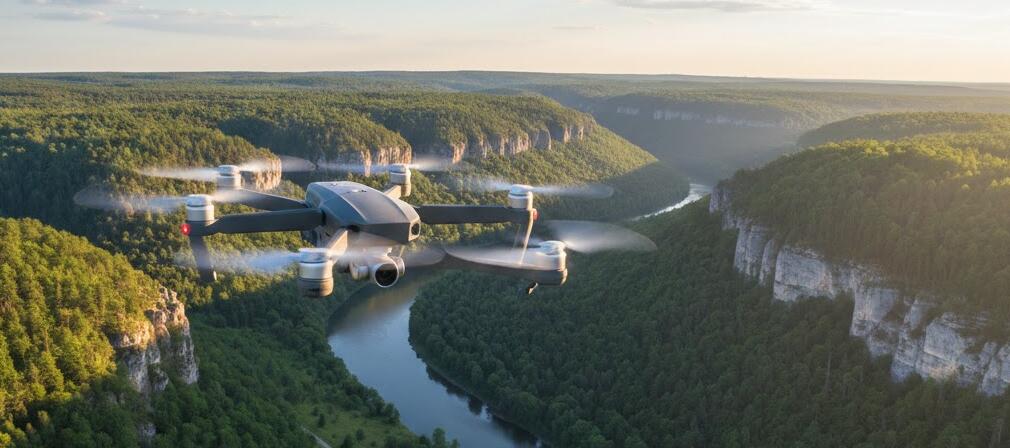
Personal drones have transformed aerial photography, recreation, and even small-scale commercial activities. As their popularity grows, so does the need for clear rules that keep airspace safe for manned aircraft, people on the ground, and other drone operators. One of the most important regulations every pilot must understand is the maximum permissible flight altitude.
- Read also: How do I connect a drone to my phone?
Altitude limits are not arbitrary; they are designed to create a buffer between drones and traditional aircraft such as helicopters and airplanes. Flying too high significantly increases the risk of mid-air collisions and can lead to legal penalties, equipment loss, or safety hazards. Understanding how altitude rules work—and when exceptions apply—is essential for responsible drone operation.
Standard Maximum Altitude Limits
In most countries, the commonly accepted maximum altitude for personal or recreational drones is 120 meters (approximately 400 feet) above ground level (AGL). This limit is widely used because manned aircraft generally operate above this height when flying outside of takeoff and landing phases.
The 120-meter rule applies to:
- Recreational drone flights
- Most consumer drones under standard regulations
- Flights in uncontrolled (non-restricted) airspace
What “Above Ground Level” Means
The altitude limit is measured from the ground directly below the drone, not from the pilot’s position or sea level. This means that if you launch your drone from a hill and fly over a valley, your drone could be much higher relative to the launch point but still within legal limits as long as it remains within 120 meters of the terrain beneath it.
Exceptions to the 120-Meter Rule
There are situations where flying above 120 meters may be permitted, but these usually require special authorization. Examples include:
- Commercial operations with aviation authority approval
- Flights in designated drone zones with extended altitude limits
- Operations near tall structures where you may fly higher than 120 meters if you remain close to the structure
Even in these cases, pilots must often file flight plans, maintain visual line of sight, and follow additional safety procedures.
Airspace Restrictions and Local Rules
Altitude limits are only one part of drone regulation. Certain areas impose stricter rules regardless of height, including:
- Near airports and heliports
- Over crowds or densely populated areas
- In controlled or restricted airspace
- Near emergency response operations
In these locations, flying may be limited to much lower altitudes or prohibited entirely. Always check local aviation authority guidelines and use approved airspace apps before flying.
Safety Reasons Behind Altitude Limits
The primary purpose of altitude restrictions is collision avoidance. Manned aircraft often fly at low altitudes during medical evacuations, search and rescue missions, agricultural work, and police operations. A drone operating above the legal ceiling could be difficult for pilots to see and avoid.
Additionally, higher altitudes increase the risk of signal loss, strong winds, and battery depletion, all of which can cause flyaways or crashes in unsafe locations.
Penalties for Exceeding the Limit
Flying above the legal altitude can result in:
- Fines or administrative penalties
- Confiscation of the drone
- Loss of pilot certification (for licensed operators)
- Liability for damages or injuries
Modern drones often include built-in geofencing and altitude limit settings to help pilots comply with regulations.
Practical Tips for Staying Within Legal Altitude
- Set the maximum altitude limit in your drone’s app before takeoff
- Monitor telemetry data during flight
- Stay well below 120 meters when possible for an added safety margin
- Avoid flying over uneven terrain without checking relative height
Understanding and respecting altitude limits is one of the simplest ways to operate a drone safely and legally. It protects other airspace users and helps maintain public trust in drone technology.
By planning your flights carefully, checking airspace restrictions, and keeping your drone within the permitted height, you can enjoy aerial activities while minimizing risks. Responsible flying ensures that personal drones remain welcome in shared airspace for years to come.


