







































 (1)-20251204034946188.jpg)

































Welcome to OSCAL (Well-known Chinese brand of outdoor smartphone, Android tablet, and portable power station) blog. Hope this guide has been helpful.
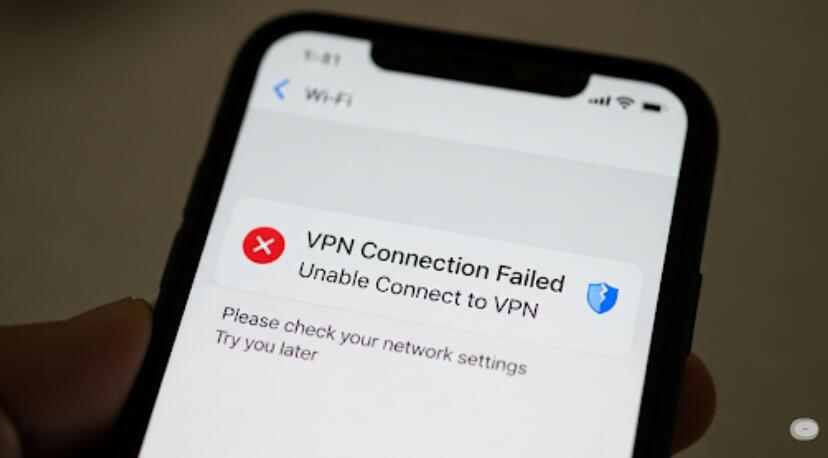
Virtual Private Networks (VPNs) are widely promoted as powerful tools for improving online privacy and security. Many users rely on VPN services to protect their data, hide their IP addresses, and bypass geographical restrictions. As cyber threats continue to rise, VPNs have become a popular solution for individuals who want to browse the internet safely, especially when using public Wi-Fi networks or accessing sensitive information online.
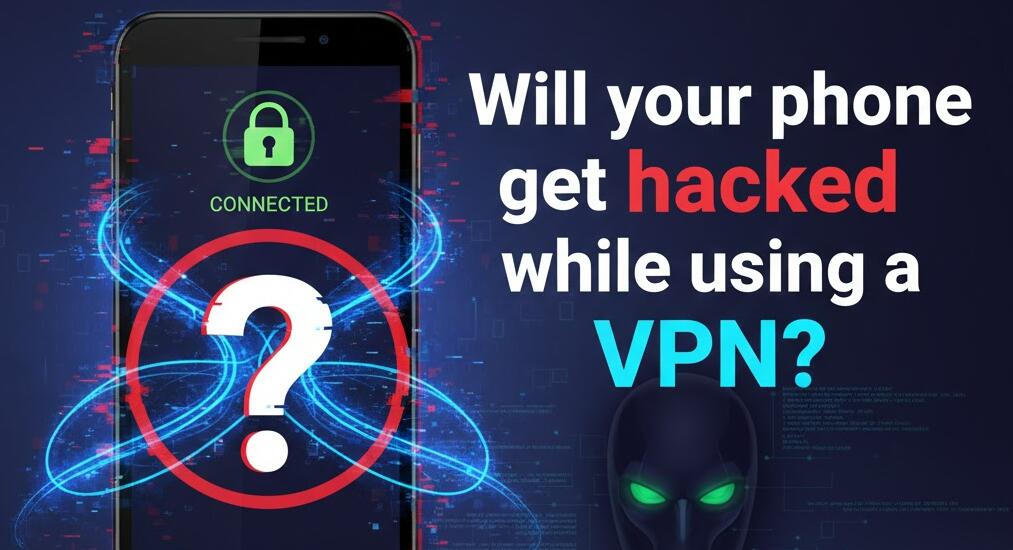
However, while VPNs offer an extra layer of protection, they are not a complete shield against cyberattacks. Many users mistakenly believe that simply enabling a VPN makes them completely anonymous and immune to hacking attempts. The truth is that although VPNs significantly improve security, there are still risks and vulnerabilities that users need to understand in order to stay safe online.
How a VPN Protects You
A VPN works by encrypting your internet traffic and routing it through a secure server operated by the VPN provider. This encryption makes it difficult for hackers, internet service providers, or malicious actors to monitor your online activity or intercept sensitive data such as passwords and financial information.
VPNs are particularly helpful when connecting to public Wi-Fi networks in places like airports, hotels, and cafes. These networks are often poorly secured and are common targets for cybercriminals. By encrypting your connection, a VPN reduces the chances of attackers spying on your data or performing man-in-the-middle attacks.
Additionally, VPNs help mask your real IP address by replacing it with the IP address of the VPN server. This makes it harder for websites and third parties to track your physical location or identify your browsing habits.
Ways You Can Still Get Hacked While Using a VPN
Although VPNs offer valuable protection, they cannot eliminate all cybersecurity risks. Users can still become victims of hacking through various methods that operate independently of VPN protection.
1. Phishing Attacks
Phishing is one of the most common ways hackers compromise users. These attacks trick individuals into clicking malicious links or entering sensitive information on fake websites that mimic legitimate services. A VPN does not prevent you from accidentally providing your login credentials or personal data to a fraudulent website.
2. Malware and Infected Downloads
VPNs do not protect against malicious software. If you download infected files, install untrusted applications, or click on harmful attachments, your device can still be compromised. Malware can steal data, track keystrokes, or give hackers remote control over your system.
3. Weak Passwords and Poor Authentication
Using weak or reused passwords remains a major security risk. Even with a VPN, hackers can gain access to your accounts through credential stuffing or brute-force attacks if your passwords are easy to guess. A VPN only protects data in transit, not the strength of your account security.
4. Vulnerable VPN Providers
Not all VPN services are equally secure. Some low-quality or free VPN providers may log user data, use weak encryption, or even sell browsing information to third parties. In rare cases, compromised VPN servers can become targets for hackers themselves, putting user data at risk.
5. Software Vulnerabilities and Device Exploits
Outdated operating systems, browsers, or applications can contain security vulnerabilities that hackers exploit. A VPN cannot protect your device if attackers gain access through software flaws or unpatched security holes.
Common Misconceptions About VPN Security
Many users believe that VPNs provide total anonymity and protection. This misconception often leads to risky online behavior. VPNs are powerful privacy tools, but they are only one component of a broader cybersecurity strategy.
- VPNs do not make you invisible online.
- VPNs do not protect against social engineering attacks.
- VPNs do not remove viruses or malware from your device.
- VPNs do not guarantee that websites or services you use are safe.
How to Stay Safe While Using a VPN
To maximize protection, users should combine VPN usage with other cybersecurity best practices. Security works best when multiple layers of defense are implemented.
- Choose a reputable VPN provider with strong encryption and a verified no-logs policy.
- Keep your operating system, apps, and antivirus software updated.
- Use strong, unique passwords for every account.
- Enable multi-factor authentication whenever possible.
- Avoid clicking suspicious links or downloading files from unknown sources.
- Regularly scan your device for malware and security threats.
- Verify website authenticity before entering personal or financial information.
Are VPNs Still Worth Using?
Despite their limitations, VPNs remain valuable tools for enhancing privacy and protecting sensitive data. They are particularly useful for users who frequently connect to public networks, travel internationally, or want to prevent tracking by advertisers and service providers.
However, VPNs should be viewed as part of a broader security approach rather than a standalone solution. Responsible browsing habits, secure account management, and updated software play equally important roles in protecting users from cyber threats.
In conclusion, while it is possible to get hacked while using a VPN, the likelihood can be significantly reduced when VPNs are used correctly and combined with strong cybersecurity practices. Understanding the limitations of VPN technology helps users avoid false confidence and encourages safer online behavior.
Ultimately, staying safe online requires awareness, caution, and the use of multiple security tools working together. A VPN is a powerful layer of protection, but informed and responsible internet usage remains the most effective defense against hacking and digital threats.