





















 (1)-20251204034946188.jpg)



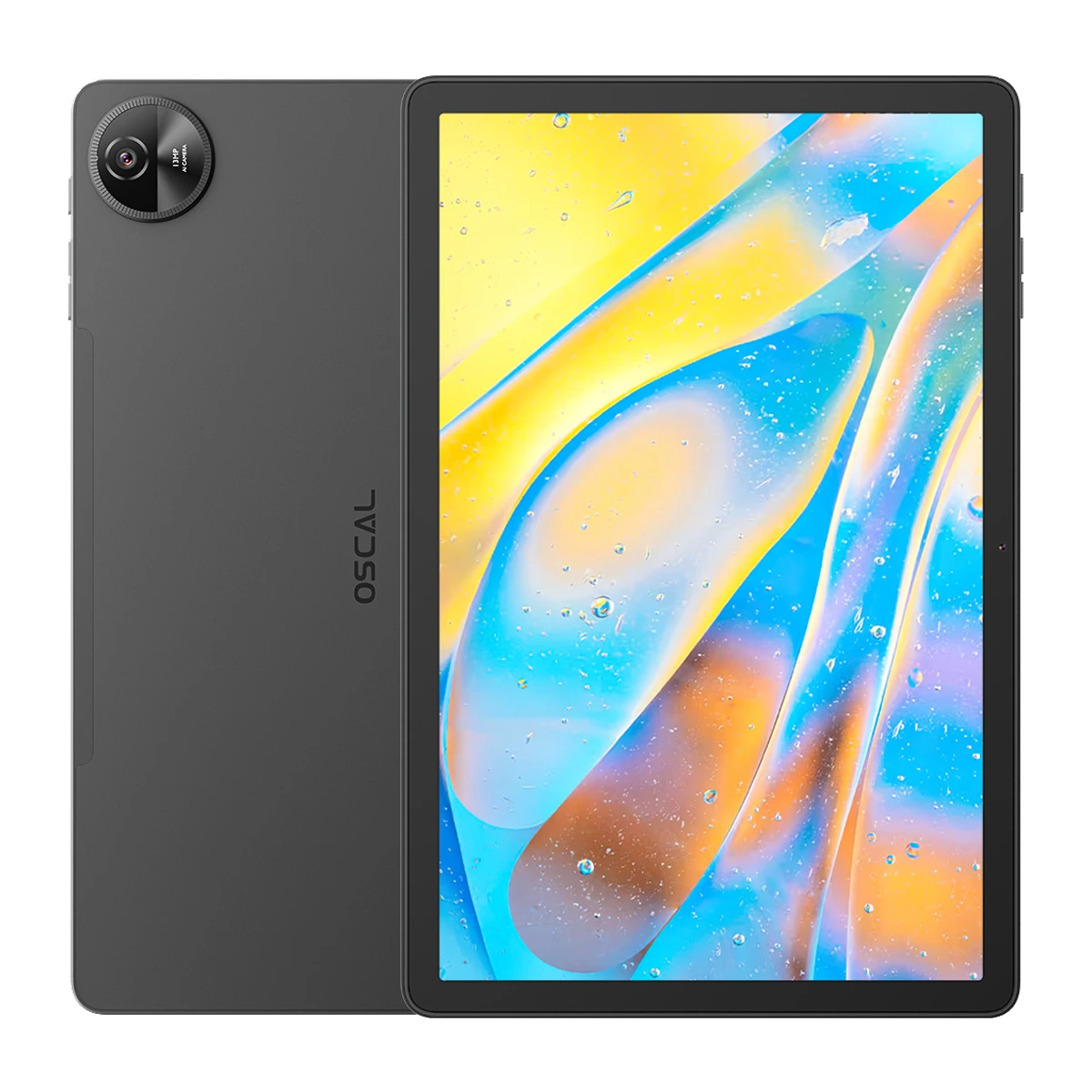


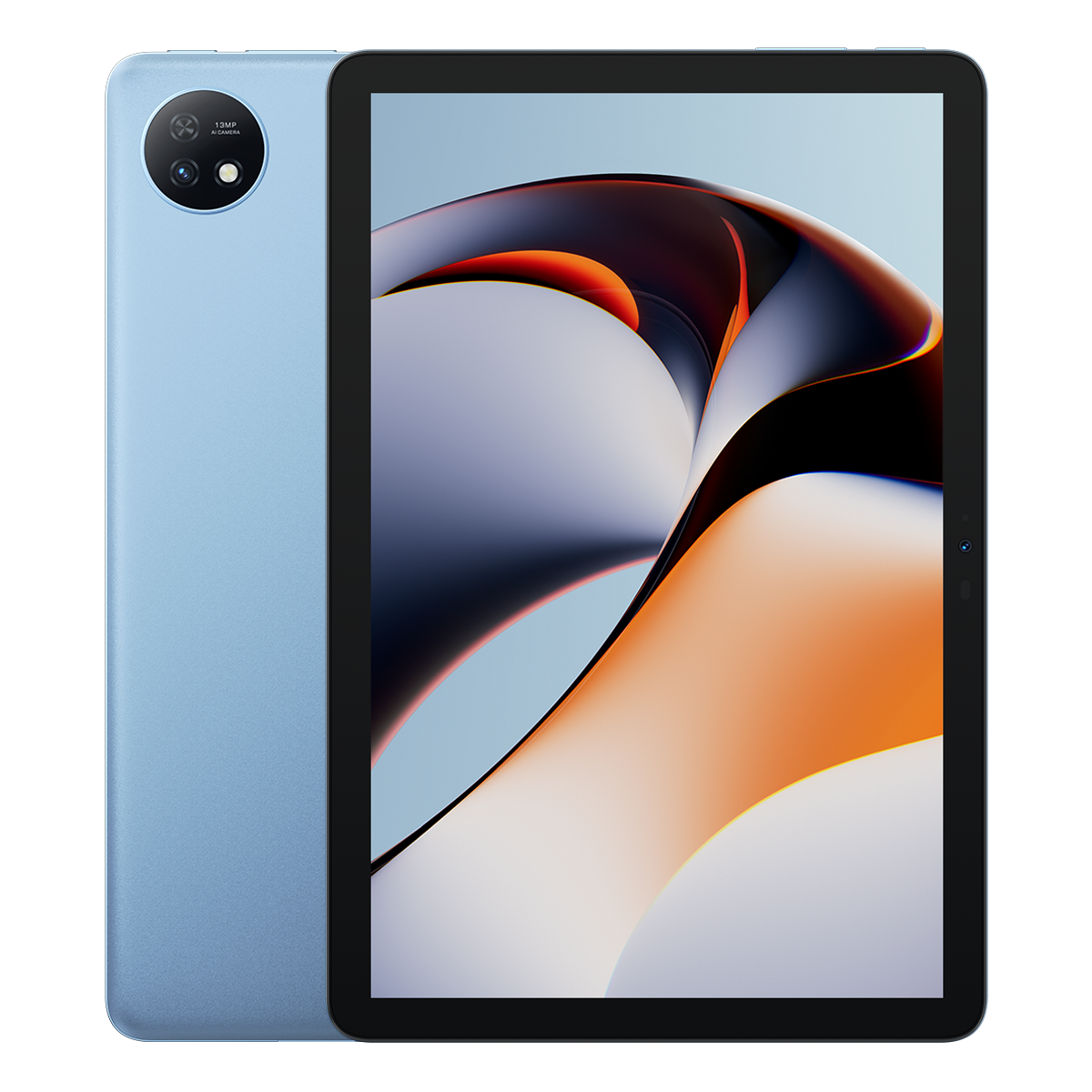

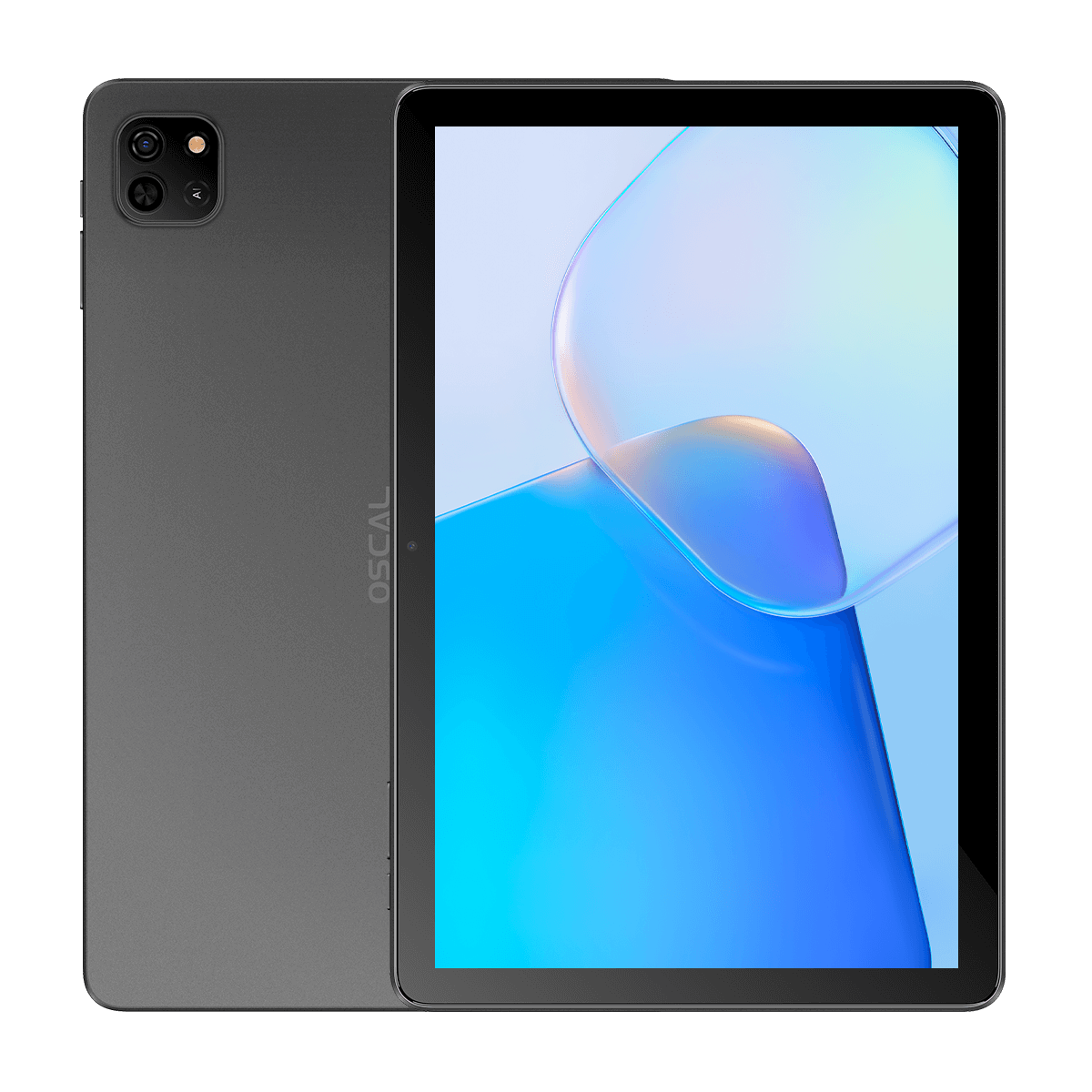
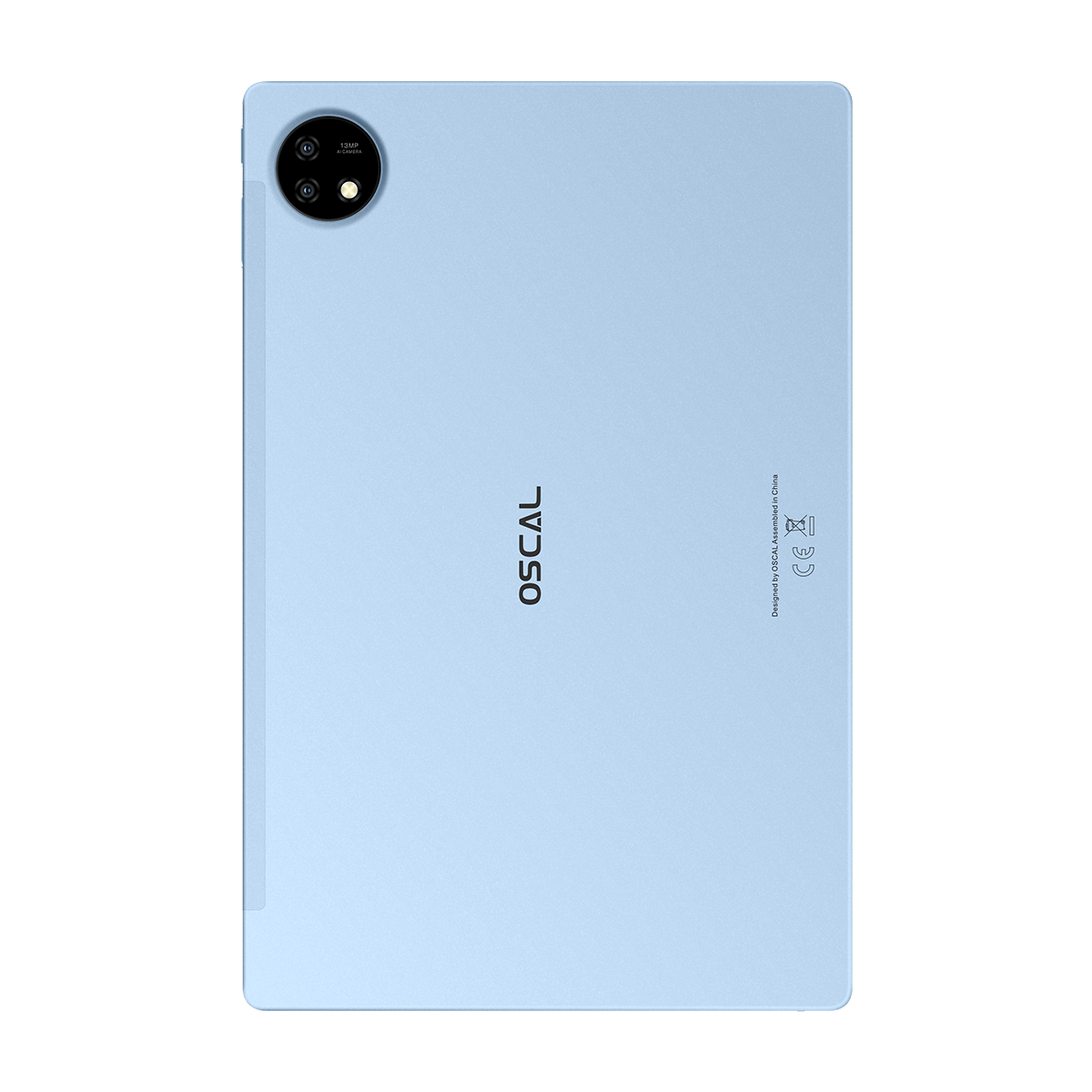









Welcome to OSCAL (Well-known China brand of rugged outdoor smartphone, tablet, and portable power station) blog. Hope this guide has been helpful.
Water leaks are one of the most common and frustrating problems in homes and commercial buildings. They can hide behind walls, under floors, or above ceilings for weeks or even months, causing structural damage, mold growth, and higher utility bills before anyone notices. As technology becomes more accessible, many people are wondering whether tools once reserved for professionals can now be used by homeowners themselves.
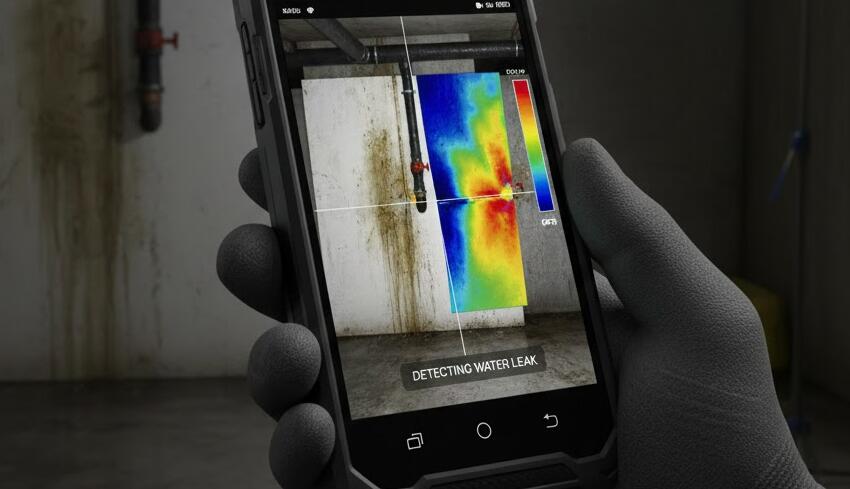
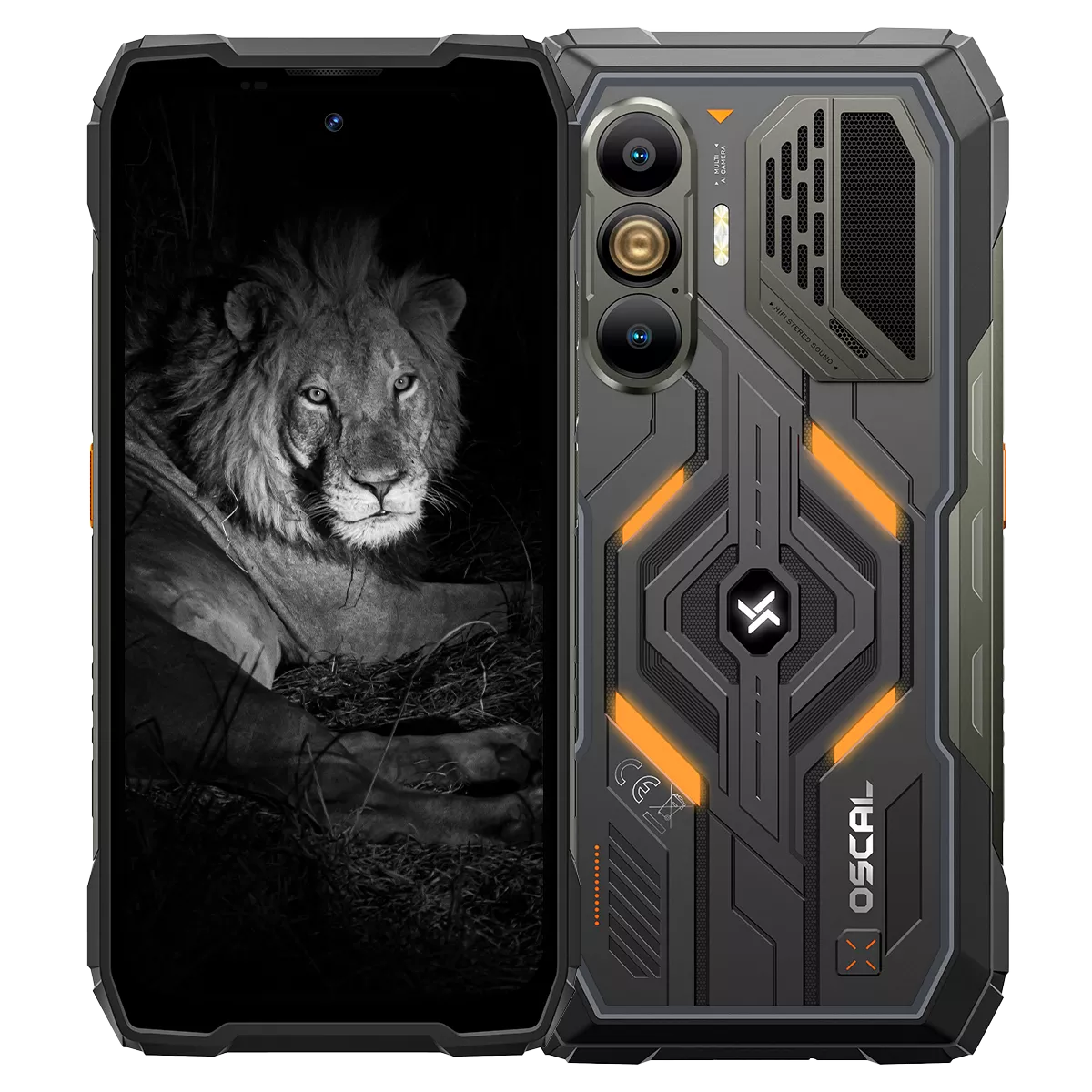
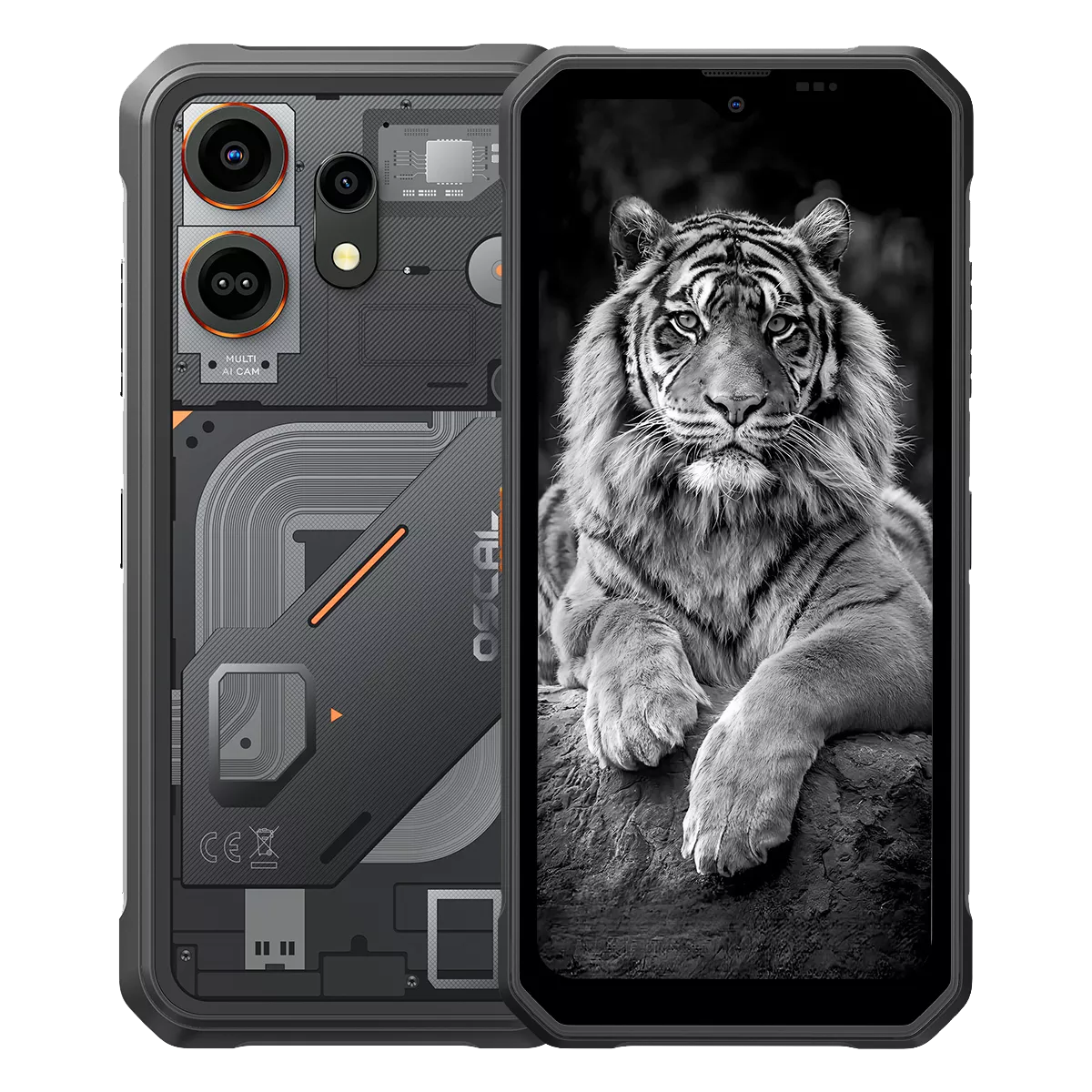
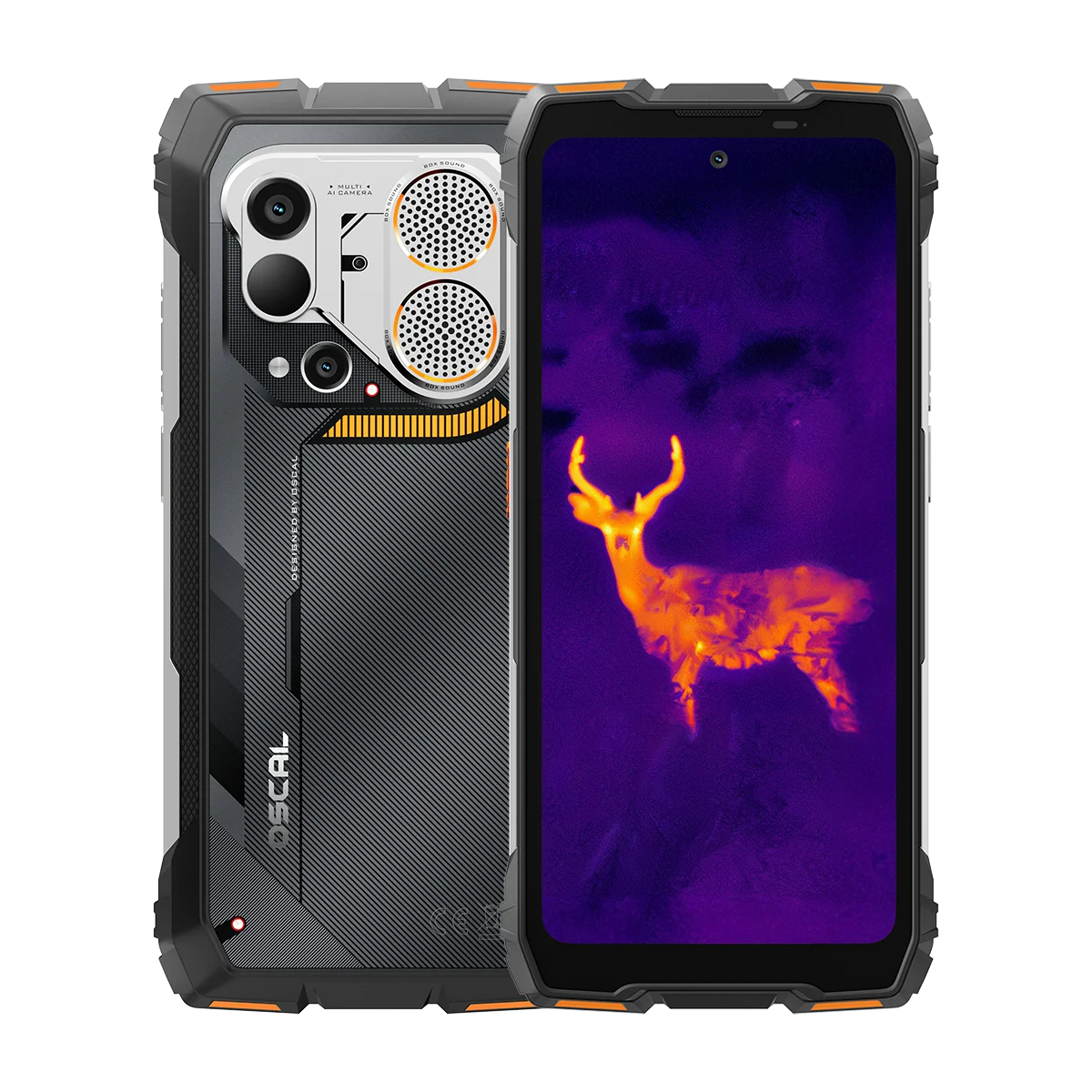
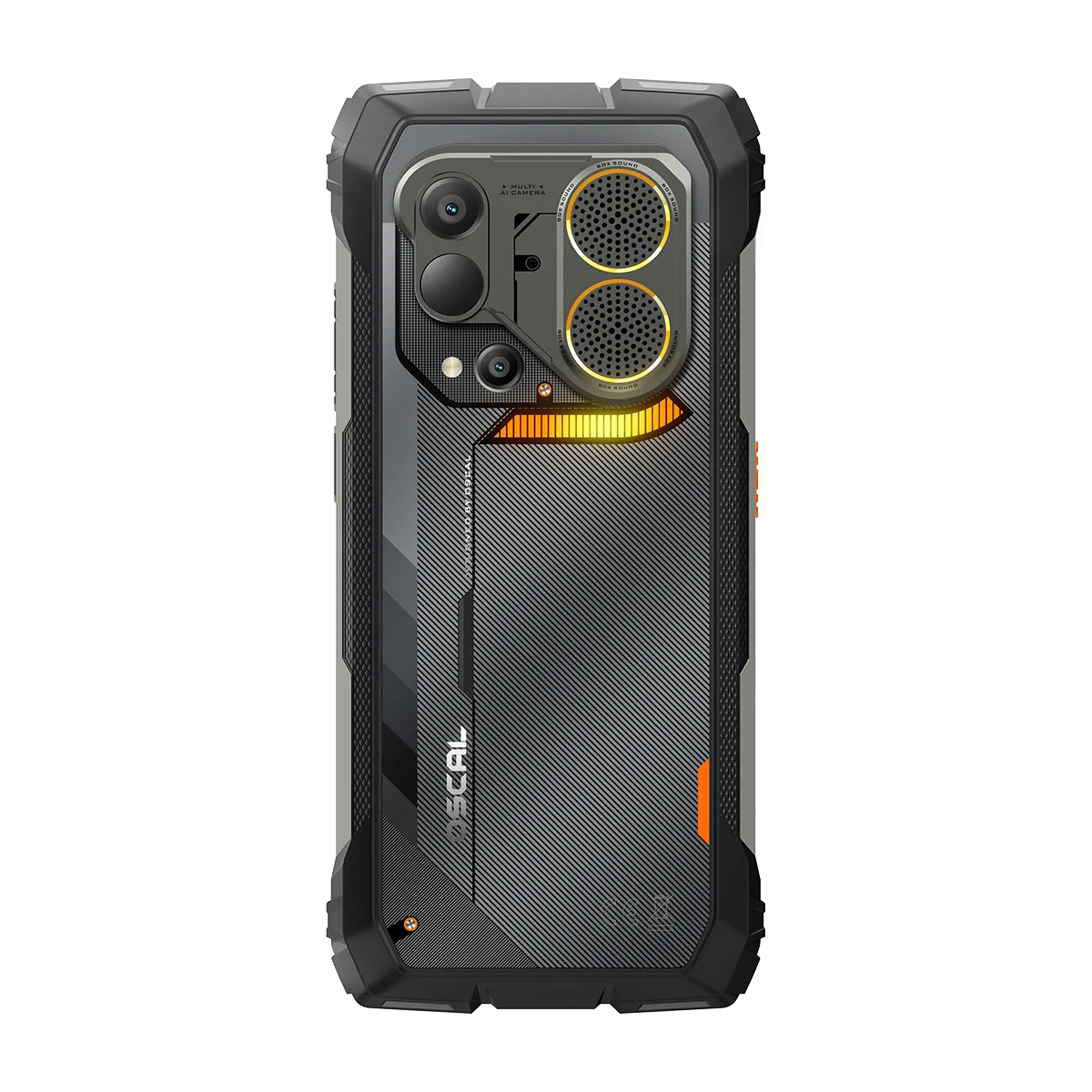
One such tool is the thermal camera phone. With thermal imaging apps and phone attachments becoming more affordable, it’s natural to ask whether this technology is reliable enough for detecting water leaks. This guide explains how thermal camera phones work, what they can and cannot do, and how to use them effectively when searching for leaks.
How thermal camera phones work
A thermal camera does not see water directly. Instead, it detects differences in surface temperature and displays them as color variations on the screen. Areas that are cooler or warmer than their surroundings stand out clearly, depending on the temperature scale used.
When water leaks occur, they often change the temperature of nearby materials. For example, evaporating water usually cools surfaces, while hot water pipes can create warmer zones. A thermal camera phone highlights these anomalies, allowing you to spot suspicious areas that may indicate a leak.
What types of leaks can be detected
Thermal camera phones are most effective for certain kinds of leaks, especially when there is a noticeable temperature difference between wet and dry areas. Common scenarios include:
- Leaks from hot water pipes behind walls or under floors
- Cold water leaks that create cool patches due to evaporation
- Roof leaks that cause damp insulation and uneven temperature patterns
- Radiant floor heating leaks that disrupt normal heat distribution
In these cases, thermal imaging can help narrow down the location of the problem without opening walls or removing flooring.
Limitations of using a thermal camera phone
While helpful, thermal camera phones are not magic devices. They cannot confirm the presence of water on their own, and they may produce false positives. Shadows, air drafts, insulation gaps, or even sunlight exposure can also cause temperature differences that resemble leaks.
Another limitation is resolution. Phone-based thermal cameras generally have lower resolution than professional equipment, which can make it harder to pinpoint small or deep leaks. They also work best when there is an active temperature difference, meaning a leak at room temperature may be difficult to detect.
Tips for using a thermal camera phone effectively
To get the best results, it’s important to use your thermal camera phone correctly and cautiously. Consider the following tips:
- Scan the area slowly to avoid missing subtle temperature changes
- Compare suspected areas with nearby dry surfaces
- Use the camera when water is actively running through pipes
- Take note of patterns rather than isolated spots
- Confirm findings with visual inspection or moisture meters if possible
Using thermal imaging as a screening tool rather than a final diagnosis will help you avoid unnecessary repairs or misinterpretation.
When to call a professional
If your thermal camera phone suggests a leak but you’re unsure, or if the suspected leak is in a critical area, it’s wise to contact a professional. Plumbers and leak detection specialists use higher-resolution thermal cameras, acoustic sensors, and pressure testing to confirm problems accurately.
Professional help is especially important when dealing with major leaks, mold concerns, or damage inside structural components. Thermal imaging is a great first step, but expert confirmation can save time and money in the long run.
Conclusion
So, can you use a thermal camera phone to find water leaks? The answer is yes, with realistic expectations. Thermal camera phones are useful tools for identifying temperature anomalies that may indicate leaks, especially in accessible residential settings.
However, they should be seen as a helpful aid rather than a definitive solution. By understanding how they work, recognizing their limitations, and knowing when to seek professional assistance, you can use thermal imaging technology more confidently and effectively to protect your property from hidden water damage.