





























 (1)-20251204034946188.jpg)



















Welcome to OSCAL (Well-known China brand of rugged outdoor smartphone, tablet, and portable power station) blog. Hope this guide has been helpful.
With the increasing availability of miniature surveillance devices, many people worry about hidden cameras in places like hotel rooms, vacation rentals, changing rooms, or offices. As privacy concerns grow, technology enthusiasts often look for practical tools that can help detect hidden cameras quickly and conveniently. One question that frequently comes up is whether a thermal camera phone can be used for this purpose.
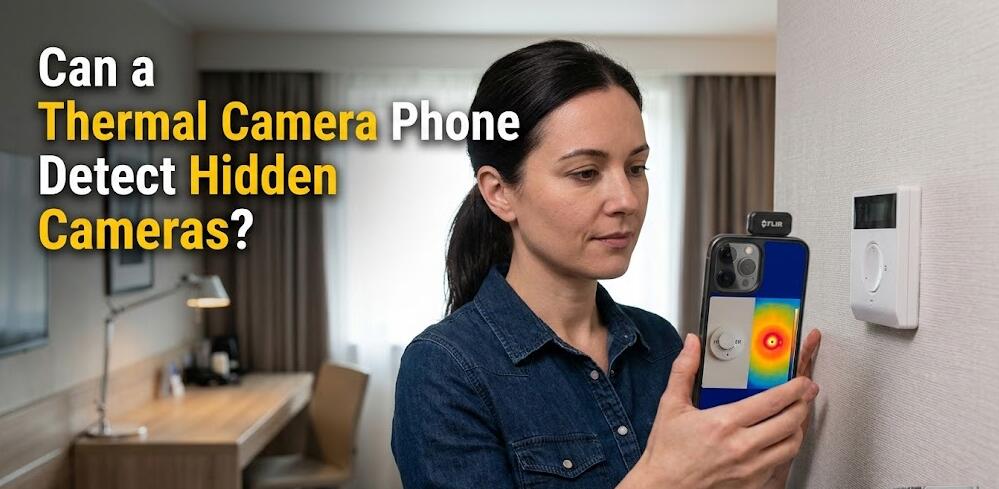
Thermal imaging technology, once limited to industrial and military applications, is now available in certain smartphones and add-on camera modules. These devices visualize temperature differences by detecting infrared radiation emitted by objects. Because electronic devices generate heat when operating, some people believe thermal camera phones can reveal hidden surveillance equipment. However, the reality is more nuanced and depends on several factors.
How Thermal Camera Phones Work
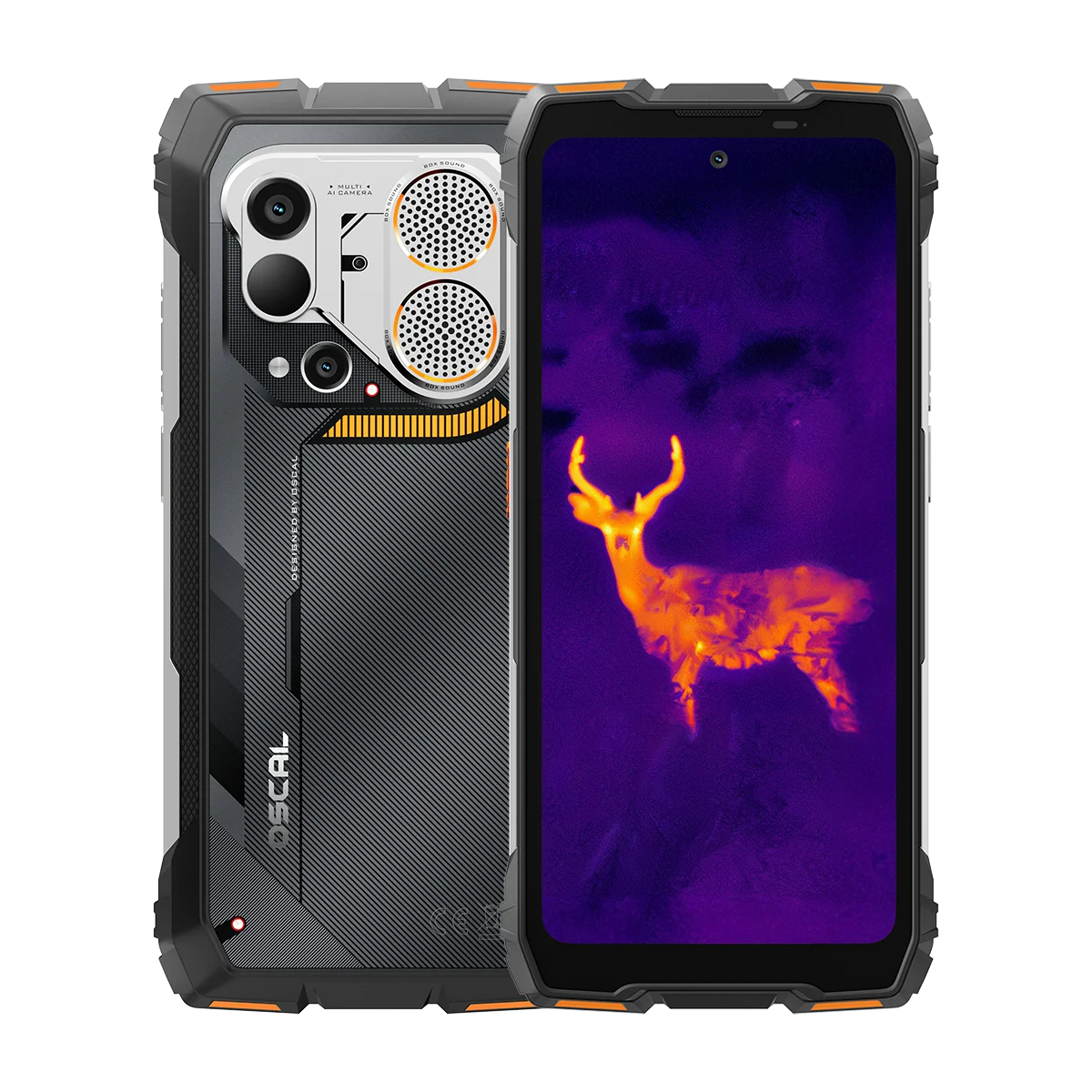
A thermal imaging phone detects heat rather than visible light. Instead of producing a regular photograph, it creates an image that highlights temperature variations in the environment. Warmer objects appear brighter or in warmer colors, while cooler objects appear darker.
This capability can sometimes help identify electronic devices that are powered on, including hidden cameras. Since most cameras contain internal components such as sensors, processors, and wireless transmitters, they may emit small amounts of heat while operating.
Situations Where Thermal Cameras Might Help
Thermal camera phones can occasionally assist in detecting hidden devices under the right conditions. If a hidden camera is powered on and generating heat, a thermal scan might reveal a slightly warmer spot compared to the surrounding environment.
- Electronic devices producing heat behind thin materials
- Cameras hidden inside vents, electronics, or wall openings
- Devices actively transmitting video or connected to power
- Rooms with relatively stable ambient temperatures
In such scenarios, the thermal camera may highlight a small heat signature that prompts closer inspection. While this does not guarantee the object is a hidden camera, it can help narrow down suspicious locations.
Limitations of Using Thermal Camera Phones
Despite their potential, thermal camera phones are not reliable standalone tools for detecting hidden cameras. Many modern surveillance devices are designed to be extremely energy efficient and may produce very little heat, making them difficult to detect thermally.
Other environmental factors can also interfere with detection. Warm lighting fixtures, power outlets, routers, or household electronics may produce heat signatures that appear similar to small devices. This can easily lead to false positives.
Additionally, if a hidden camera is turned off, running on battery with minimal activity, or insulated behind thick materials, a thermal camera may not detect it at all.
Other Methods for Finding Hidden Cameras
Because thermal imaging has limitations, combining it with other detection methods provides better results. Many security experts recommend using multiple approaches when searching for hidden surveillance devices.
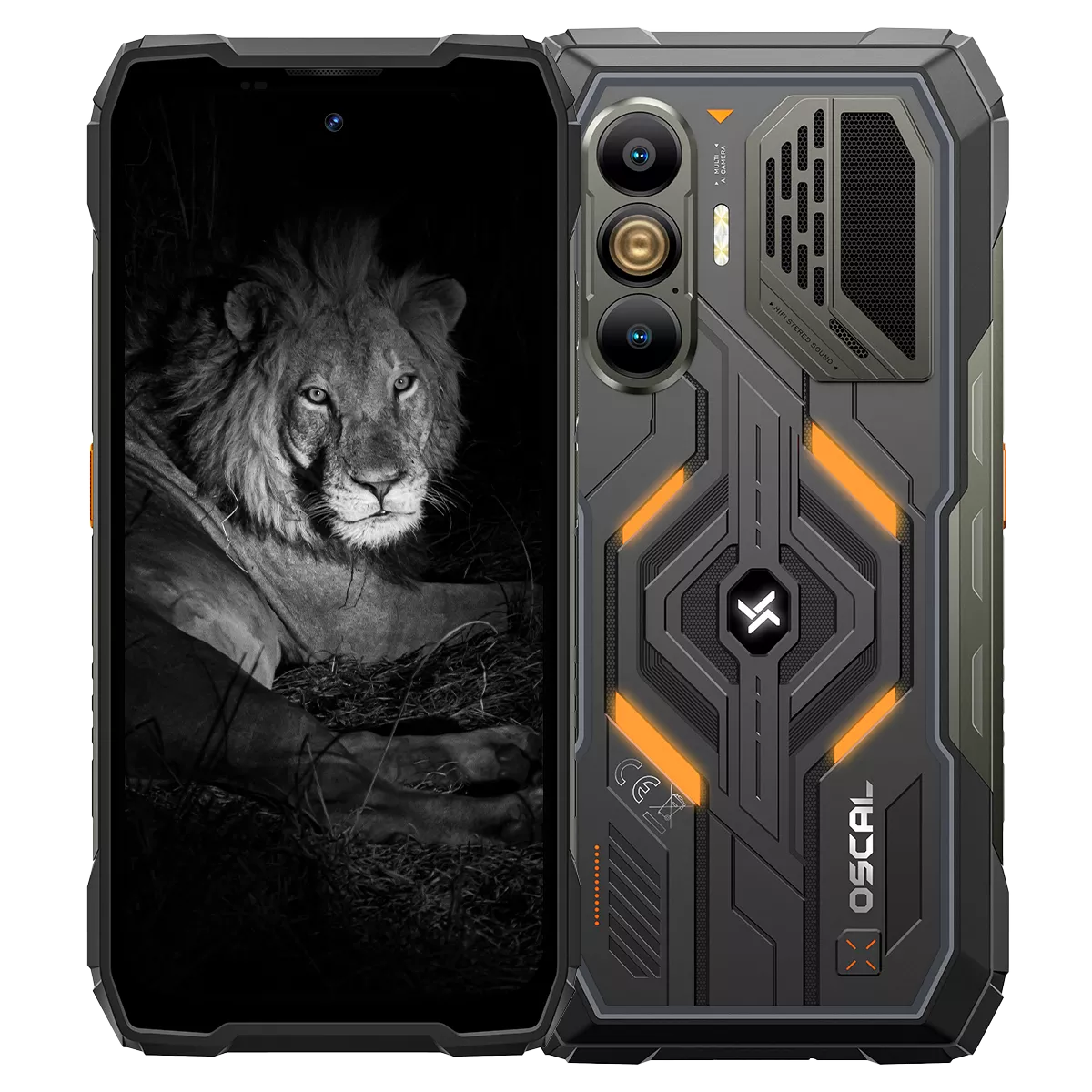
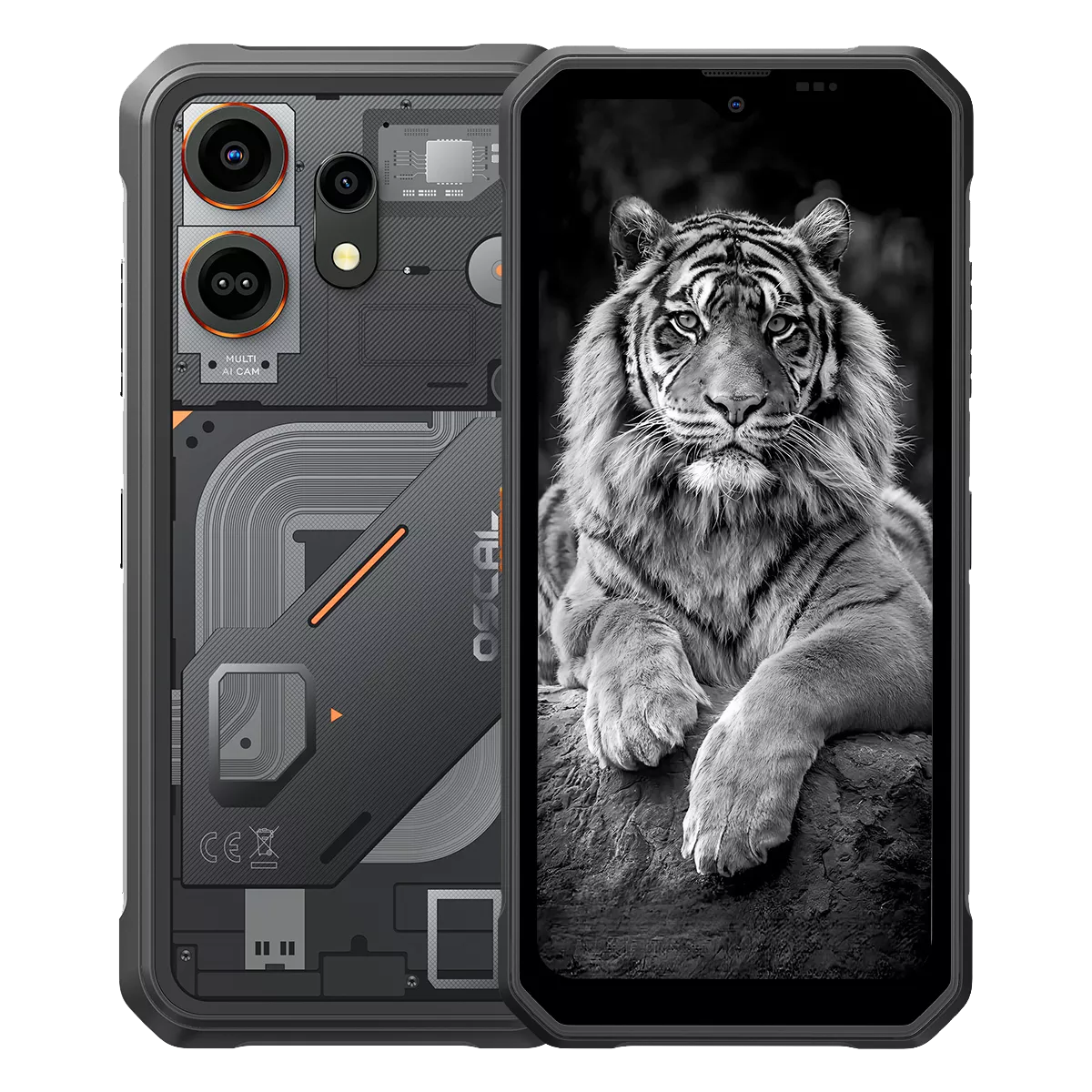
- Using an IR night vision camera phone: Many hidden cameras work by IR, they can be detected by night vision camera phones.
- Using a flashlight to spot reflective camera lenses
- Scanning Wi-Fi networks for unfamiliar connected devices
- Using RF detectors to identify wireless signals
- Inspecting vents, smoke detectors, clocks, and chargers
- Turning off lights and looking for infrared LEDs
These methods can often reveal hidden cameras more effectively than thermal imaging alone, especially when the devices are designed to minimize heat output.
When Thermal Cameras Are Still Useful
Even though they are not perfect detection tools, thermal camera phones can still be helpful as part of a broader inspection process. For example, they can quickly highlight unusual warm spots in walls, ceilings, or furniture that may warrant further investigation.
Thermal imaging may also help identify devices connected to power sources, since continuously powered electronics often generate more heat than battery-powered devices.
Conclusion
Thermal camera phones offer an interesting technological approach to identifying hidden electronics, but they are not a guaranteed solution for detecting hidden cameras. While they may reveal heat signatures from active devices, many modern surveillance cameras produce minimal heat or remain inactive until triggered.
For better protection of your privacy, it is best to combine thermal imaging with visual inspections and electronic detection tools. Using several methods together significantly increases the chances of discovering hidden cameras and ensuring your personal space remains secure.