





































 (1)-20251204034946188.jpg)




















Welcome to OSCAL (Well-known China brand of portable power stations, outdoor smartphones, and tablets) blog. Hope this guide has been helpful.
Portable power stations have become essential tools for camping, emergency backup, outdoor work, and even daily household use. However, many users unintentionally overload their devices, which can shorten battery life, trigger safety shutdowns, or even cause permanent damage. Understanding how to properly manage power usage is the key to keeping your portable power station safe and efficient.
- Read also: How to choose a portable power station?
Overloading usually happens when users connect too many devices or power-hungry appliances at once. This guide will walk you through practical, easy-to-follow strategies to avoid overloading your portable power station, helping you maximize performance, ensure safety, and extend the lifespan of your investment.
Understand the power limits of your power station
The most important step in avoiding overload is knowing your power station’s specifications. Every portable power station has a maximum output capacity, usually measured in watts. This includes both continuous output and surge (peak) output. Exceeding either can cause the system to shut down or overheat.
Check the user manual or the label on the device to identify:
- Maximum continuous output (e.g., 500W, 1000W)
- Peak or surge output for short bursts
- AC, DC, and USB output limits
Always base your usage on the continuous output rating, not the surge rating.
Calculate the total wattage of connected devices
Before plugging in multiple devices, add up their power requirements. Most appliances list wattage on a label or in the manual. If only amperage is listed, you can calculate watts by multiplying volts by amps.
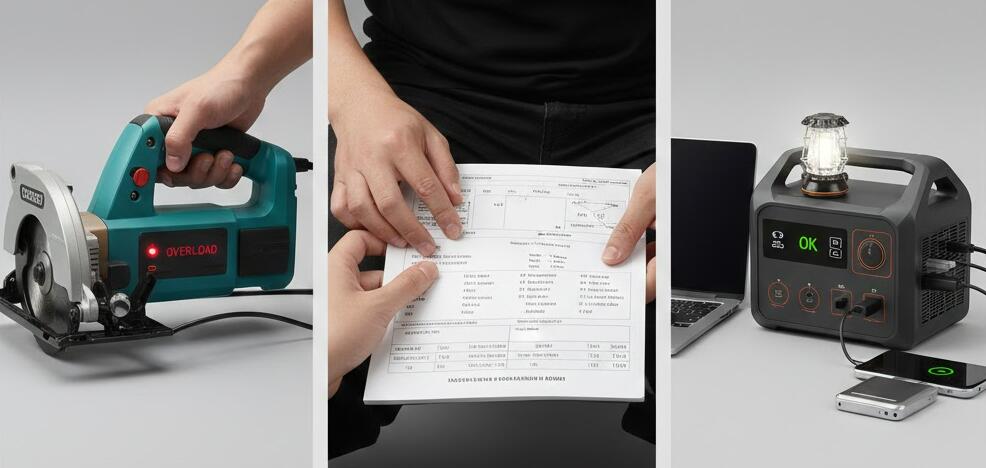
Be especially cautious with devices that have motors or heating elements, such as kettles, power tools, refrigerators, or coffee makers. These often draw much more power when starting up, which can easily exceed your power station’s capacity.
Prioritize essential devices
Not all devices need to run at the same time. To avoid overload, decide which devices are essential and which can wait. For example, charging phones and laptops can usually be done separately from running higher-wattage equipment.
Power prioritization helps prevent sudden spikes in demand and ensures critical devices stay powered when you need them most.
Use energy-efficient appliances
Choosing energy-efficient devices significantly reduces the risk of overloading. Modern LED lights, energy-saving laptops, and efficient small appliances consume far less power than older models.
Whenever possible, replace high-wattage devices with low-power alternatives. This not only protects your power station but also allows longer runtimes on a single charge.
Avoid simultaneous startup loads
Many appliances draw extra power when they first turn on. Starting multiple devices at the same time can create a surge that exceeds the power station’s limits, even if their combined running wattage seems acceptable.
Turn on devices one by one, allowing each to stabilize before adding another load. This simple habit can prevent unexpected shutdowns.
Monitor the display and warning indicators
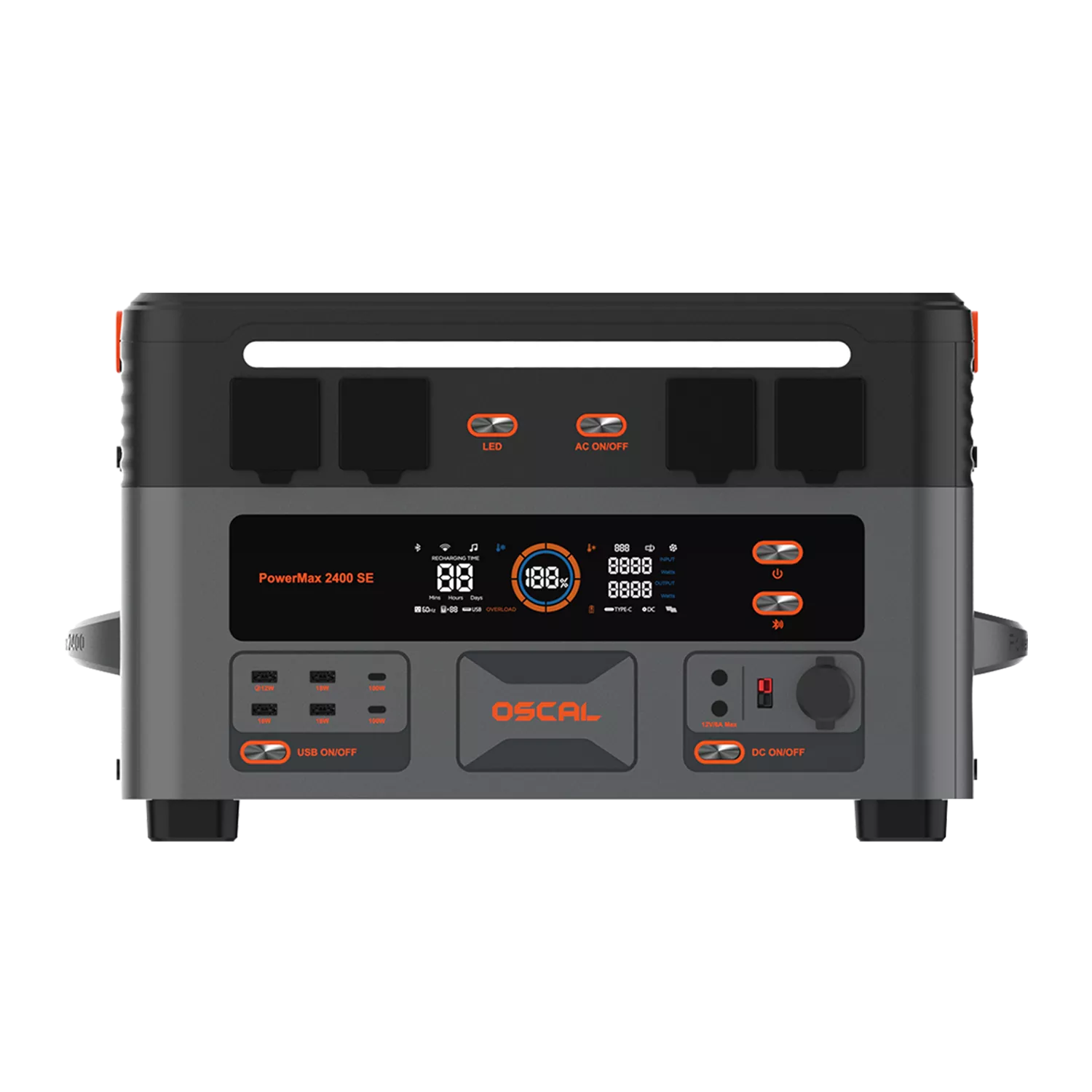
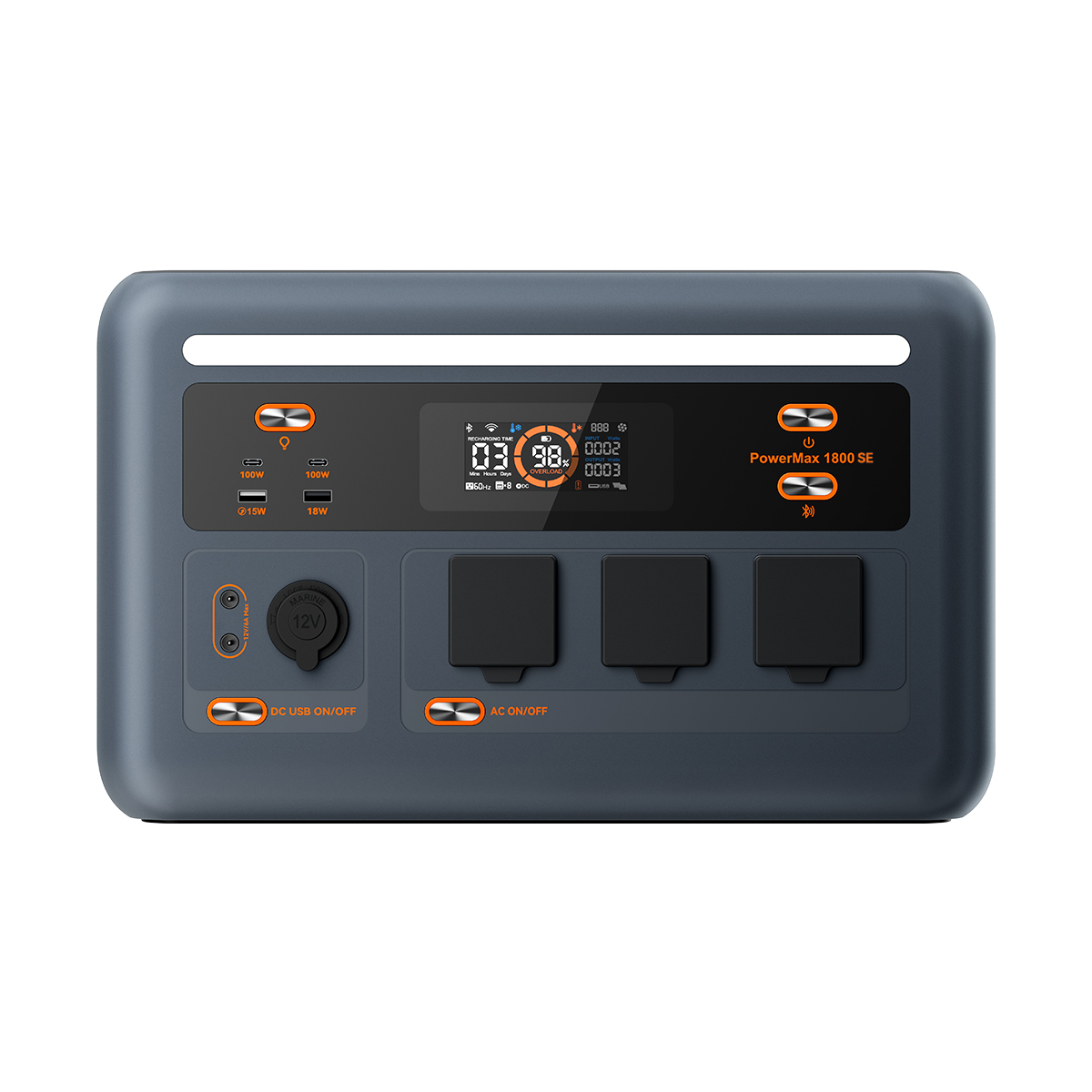
Most portable power stations include a display showing real-time output, remaining battery, and warning messages. Make it a habit to check these indicators regularly.
If you notice output nearing the maximum limit or see temperature warnings, disconnect non-essential devices immediately. Ignoring these signals increases the risk of damage.
Use the correct ports for each device
Portable power stations offer multiple output options, including AC outlets, DC ports, and USB ports. Using the correct port for each device improves efficiency and reduces unnecessary strain.
- Use USB ports for phones, tablets, and small electronics
- Use DC outputs for compatible devices like car fridges
- Reserve AC outlets for appliances that truly need them
This approach helps balance the load more effectively.
Keep the power station cool and well-ventilated
Heat can worsen the effects of overloading. Always place your power station in a well-ventilated area, away from direct sunlight or enclosed spaces.
High temperatures reduce efficiency and can trigger automatic shutdowns at lower loads than expected.
Conclusion
Avoiding overload is not about limiting your usage, but about using your portable power station wisely. By understanding its power limits, calculating device wattage, and managing how and when devices are connected, you can significantly reduce the risk of overload.
With careful planning and good habits, your portable power station will remain reliable, safe, and long-lasting. Taking these precautions ensures you get the most value from your device while protecting both your equipment and the devices it powers.


