






























 (1)-20251204034946188.jpg)











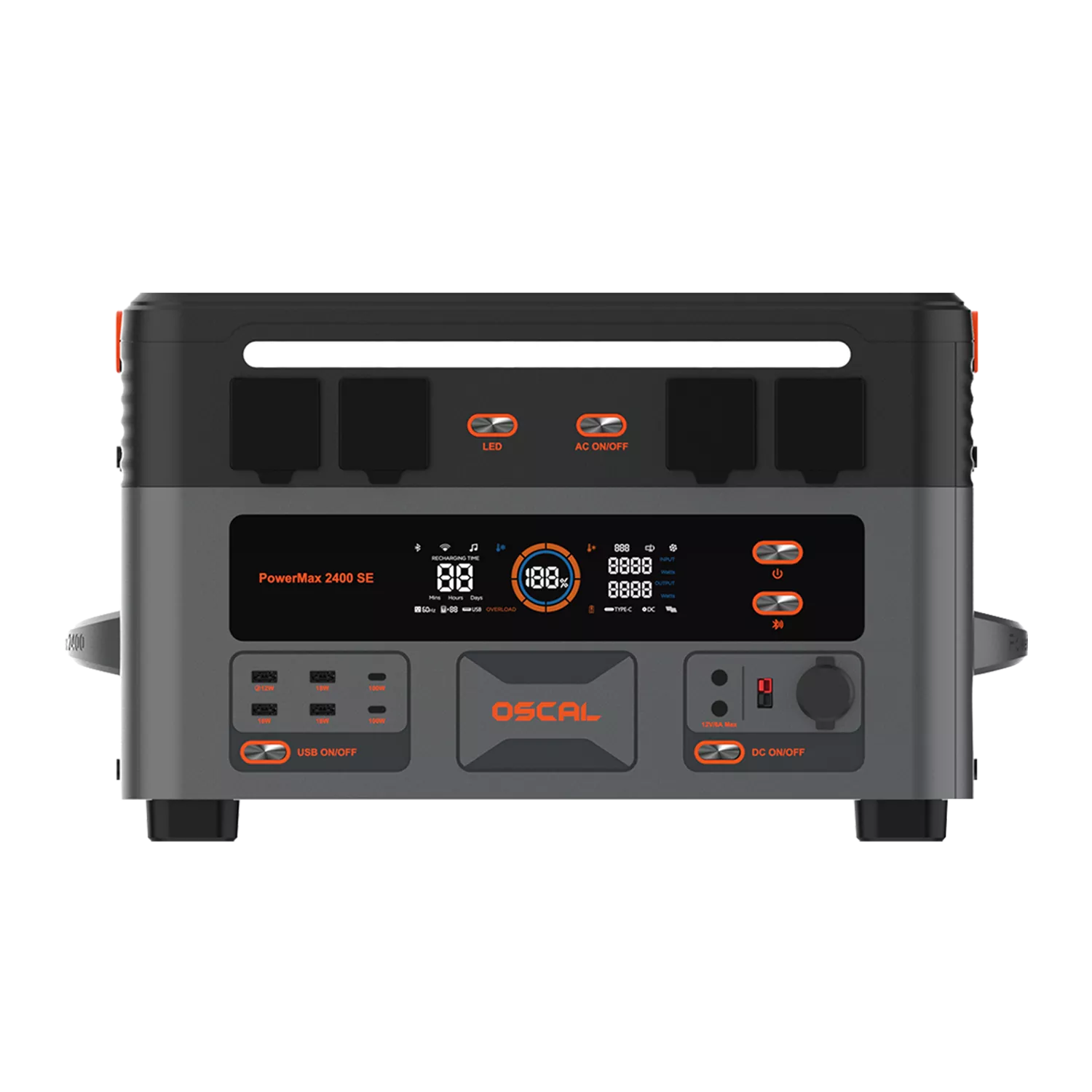
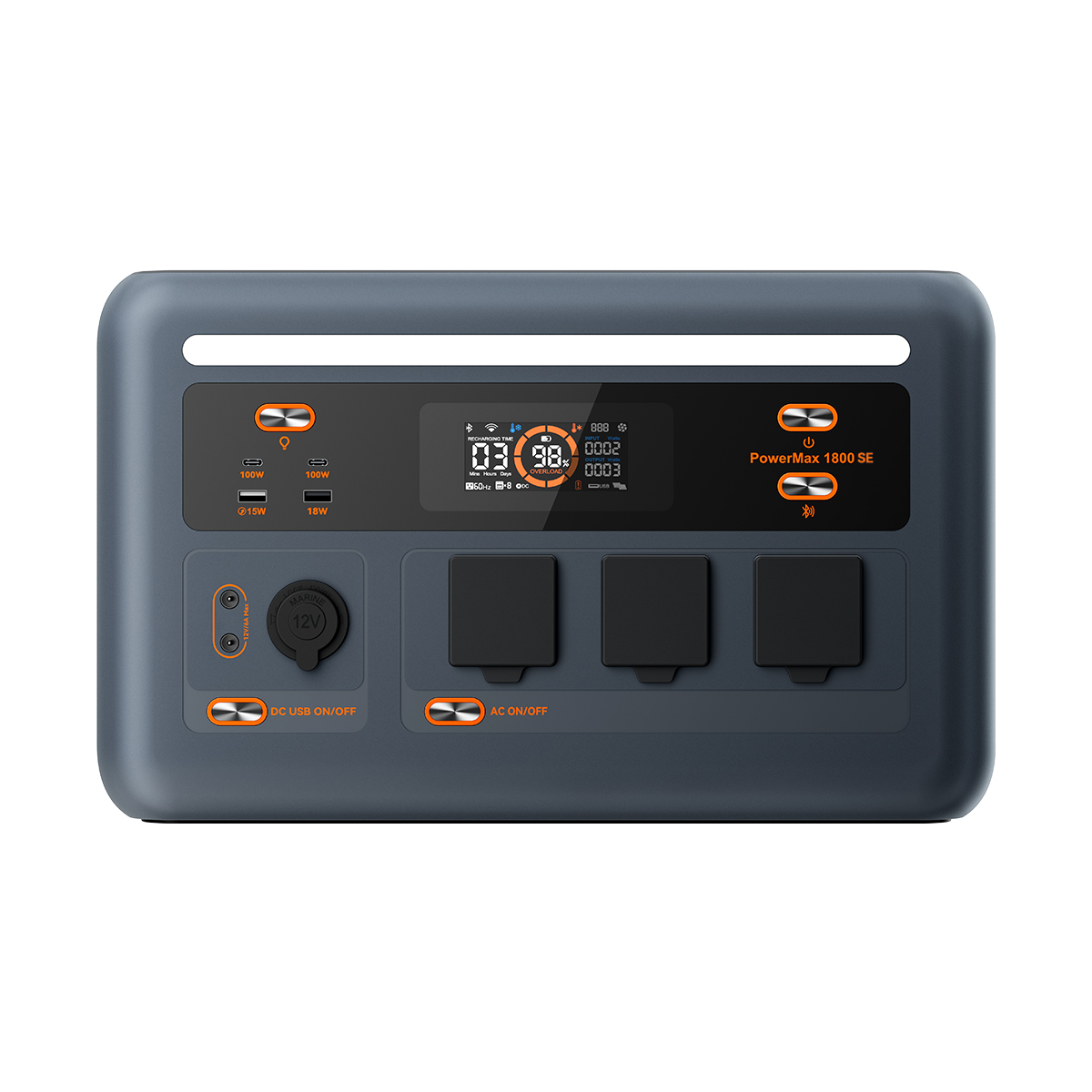







Welcome to OSCAL (Well-known Chinese brand of portable power stations, outdoor smartphones, and tablets) blog. Hope this guide has been helpful.
Portable power stations have become essential tools for camping, emergency backup, and mobile work. Yet many users buy one without fully understanding how much energy it can actually store and deliver. Knowing how to check the capacity helps you choose the right model and avoid unpleasant surprises when your devices run out of power sooner than expected.

Products you might be interested in: #portable power station for refrigerator, #portable power station for home, #portable power station for camping UK, #portable power station for camping in Australia
Capacity can sound like a simple concept, but it is often confused with other specifications printed on the product page or packaging. This guide walks you through how to properly check the capacity of a portable power station, what the numbers really mean, and the common misunderstandings that trip people up.
Understand what “capacity” really means
The capacity of a portable power station refers to how much energy it can store. It is usually measured in watt-hours (Wh) or sometimes ampere-hours (Ah). Watt-hours are the most reliable unit because they directly describe how much power the station can supply over time. For example, a 500Wh power station can theoretically deliver 500 watts for one hour, or 250 watts for two hours.
Do not confuse capacity with output power
A very common mistake is assuming that the output power rating equals the capacity. Many people see numbers like 1000W or 2000W and believe this represents how long the power station will run. In reality, output power is the maximum power the station can supply at one moment, not how much energy it holds. A station may support a 2000W appliance briefly but still have a relatively small capacity.
Capacity tells you duration; output power tells you strength. Both matter, but they are not the same thing.
Check the manufacturer’s specifications
The easiest way to check capacity is to look at the official specification sheet or user manual. Reputable brands clearly list the capacity in Wh. If only Ah is provided, you can convert it to Wh by multiplying Ah by the battery’s nominal voltage.
- Look for “Battery Capacity” or “Energy Capacity”
- Prefer Wh over Ah when comparing models
- Check if the listed capacity is usable or nominal
Test real-world usable capacity
In practice, you will not get 100% of the rated capacity due to conversion losses and inverter efficiency. To estimate usable capacity, divide the rated Wh by the power draw of your device and then reduce the result by about 10–20%. This gives a more realistic runtime estimate.
Compare capacity to your actual needs
Make a list of devices you plan to power and their wattage. Add up how long you need them to run. This step ensures the capacity you are checking is meaningful for your usage, not just an impressive number on paper.
Final thoughts
Checking the capacity of a portable power station is about more than reading the biggest number on the box. Once you understand the difference between capacity and output power, the specifications become much easier to interpret, and you can avoid buying a unit that does not meet your expectations.
By focusing on watt-hours, verifying manufacturer data, and thinking about real-world usage, you can confidently choose a portable power station that delivers the energy you actually need, when you need it most.
Read more: How to reset a portable power station?


