





























 (1)-20251204034946188.jpg)

















Welcome to OSCAL (Well-known China brand of Android smartwatch, rugged phone, tablet, and portable power station) blog. Hope this guide has been helpful.
Smartwatches have become everyday companions for millions of people, promising insights into activity, sleep, and overall health. For anyone trying to lose weight, these devices often appear as a convenient solution that can track progress and provide constant motivation.
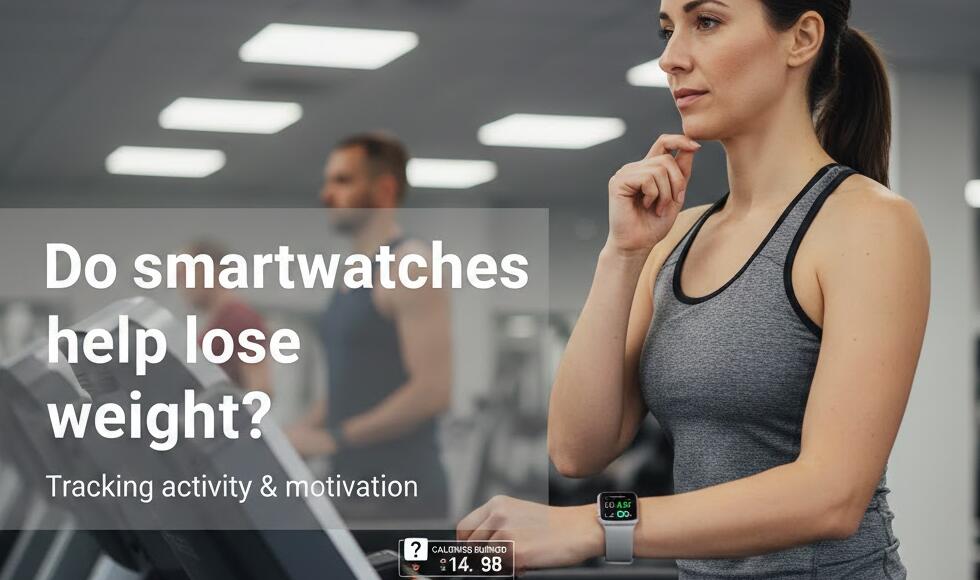
But do smartwatches truly help with weight loss, or are they just another tech trend? This guide explores how smartwatches can support weight management, where their limits lie, and how to use them wisely for real results.
How smartwatches support weight loss
Smartwatches are designed to increase awareness. By tracking steps, calories burned, heart rate, and active minutes, they help users better understand their daily habits. This awareness alone can encourage healthier choices, such as walking more or avoiding long periods of inactivity.
- Activity tracking encourages regular movement throughout the day.
- Calorie estimates provide a rough picture of energy expenditure.
- Heart rate data helps users train at appropriate intensity levels.
- Reminders and alerts reduce prolonged sitting.
Motivation and behavior change
Weight loss is not just about information; it is about consistency. Smartwatches use goal-setting, streaks, badges, and notifications to keep users engaged. Seeing progress in real time can make healthy behaviors feel more rewarding and achievable.
Many devices also integrate with fitness and nutrition apps, allowing users to log workouts, meals, and sleep patterns. This creates a more complete picture of lifestyle habits and helps identify areas that need improvement. Related: Is it safe to wear a smartwatch all the time?
Limitations and common pitfalls
Despite their benefits, smartwatches are not magic solutions. Calorie burn estimates can be inaccurate, and relying on them too heavily may lead to overeating or unrealistic expectations.
- Data accuracy varies depending on device and usage.
- Wearing a smartwatch does not replace proper diet planning.
- Motivation can fade once the novelty wears off.
Without long-term habit changes, the numbers on the screen alone will not lead to sustainable weight loss.
Tips for using a smartwatch effectively
To get the most value from a smartwatch, it should be used as a supportive tool rather than the main solution.
- Focus on trends over time instead of daily fluctuations.
- Set realistic, personalized goals.
- Combine tracking with balanced nutrition and regular exercise.
- Use reminders as prompts, not sources of guilt.
In conclusion, smartwatches can help with weight loss by increasing awareness, encouraging movement, and supporting motivation. They work best when they complement healthy eating, regular exercise, and mindful lifestyle choices.
Ultimately, weight loss depends on consistent behavior, not technology alone. When used thoughtfully, a smartwatch can be a helpful guide on the journey, but the real progress comes from the habits you build beyond the screen.


