




























 (1)-20251204034946188.jpg)























Welcome to OSCAL (Well-known Chinese brand of Android smartwatch, rugged phone, tablet, and portable power station) blog. Hope this guide has been helpful.
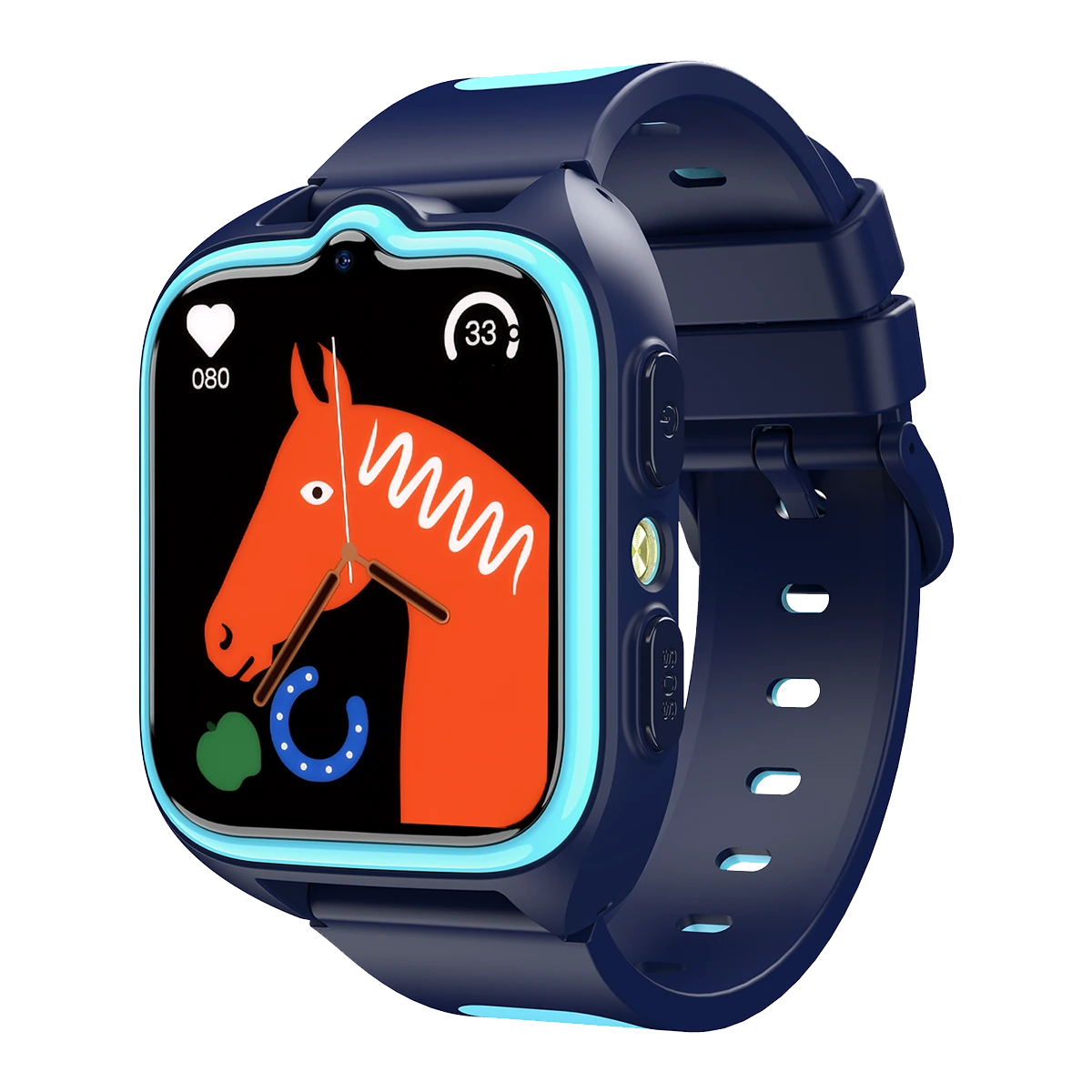
Smartwatches have become everyday companions for tracking health, checking notifications, and staying connected without constantly reaching for a phone. As these devices grow more powerful, many people wonder what kind of internet connection they actually need to function well. One of the most common questions is whether a smartwatch truly requires WiFi to be useful.

The short reality is that it depends on how you plan to use your smartwatch. Some features work perfectly offline or through a paired smartphone, while others rely heavily on an internet connection. Understanding when WiFi matters—and when it doesn’t—can help you choose the right model and set realistic expectations.
Do smartwatches have Wi-Fi?
Many modern smartwatches do come with built-in WiFi, but not all models include it by default. WiFi support is more common in mid-range and premium devices, especially those designed to operate independently from a smartphone for short periods of time.
Entry-level or older smartwatches may rely solely on Bluetooth, meaning they can only access the internet through a connected phone. Before buying, it’s always a good idea to check the specifications to confirm whether WiFi is included.
How smartwatches connect to the internet
Most smartwatches connect to the internet in one of three ways: through a paired smartphone via Bluetooth, through WiFi, or through built-in cellular connectivity. Bluetooth is the most basic and common method. When your watch is connected to your phone, it can access the internet indirectly using your phone’s data connection.
WiFi allows a smartwatch to connect to the internet independently, as long as it is within range of a known wireless network. Cellular models go one step further by using mobile networks directly, similar to a smartphone, but they usually require a separate data plan.
What works without WiFi
Many core smartwatch features do not require WiFi at all. If your watch is paired with your phone, you can still enjoy a wide range of functions, including:
- Fitness and health tracking, such as steps, heart rate, and sleep
- Receiving notifications through your phone
- Using alarms, timers, and basic apps
- Offline music playback if content is already downloaded
Even without any internet connection, smartwatches can store data locally and sync it later when a connection becomes available.
When WiFi becomes important
WiFi is especially useful when your phone is not nearby. With WiFi, a smartwatch can send and receive messages, download app updates, stream music, and use cloud-based services on its own. This is convenient at home, in the office, or anywhere you regularly connect to wireless networks.
WiFi can also improve speed and reliability for certain tasks, such as software updates or large data transfers, compared to using Bluetooth alone.
Do you really need WiFi?
If you usually keep your phone with you, WiFi is more of a bonus than a necessity. Bluetooth pairing covers most daily needs, and many users never notice the absence of WiFi. However, if you want more independence from your phone without paying for cellular service, WiFi can be a valuable middle ground.
On the other hand, people who want full freedom to leave their phone behind may prefer a cellular smartwatch, which reduces reliance on WiFi entirely.
Final thoughts
Smartwatches do not strictly need WiFi to be useful, but WiFi can significantly enhance their flexibility and convenience. It fills the gap between basic Bluetooth connectivity and full cellular independence, offering extra freedom in the right situations.
Before choosing a smartwatch, think about how often you are away from your phone and where you spend most of your time. By matching your lifestyle with the right connectivity option, you can get the most value out of your smartwatch without paying for features you may not actually need.


