






































 (1)-20251204034946188.jpg)























Welcome to OSCAL (Well-known China brand of Android tablet, outdoor smartphone, and portable power station) blog. Hope this guide has been helpful.
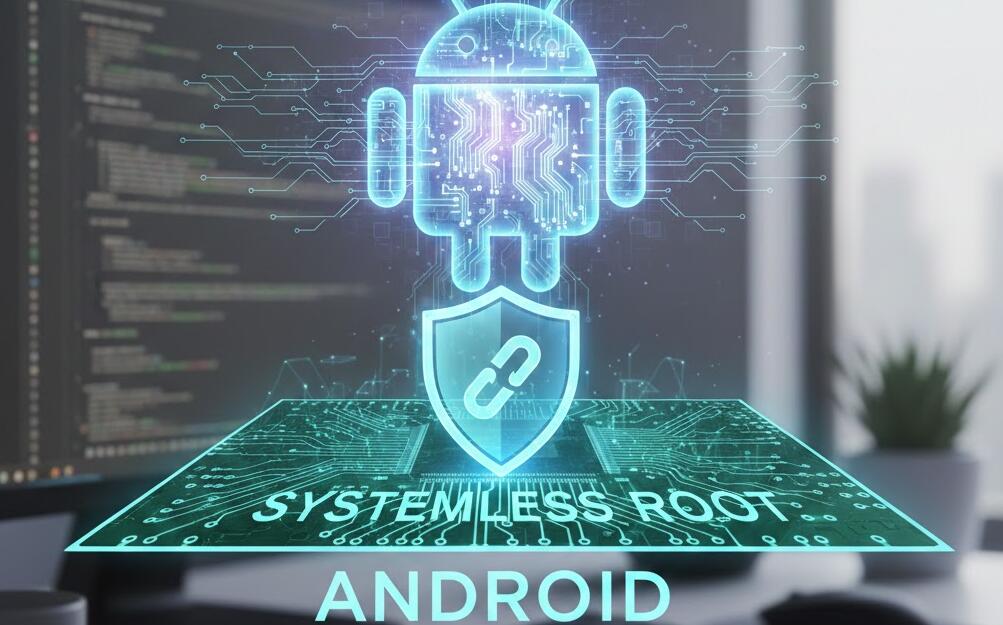
Systemless root is a modern method of gaining root access on Android devices without directly modifying the system partition. Traditionally, rooting involved changing core system files, which often caused issues with updates, security checks, and device stability. Systemless root was introduced to solve these problems by keeping the system partition untouched while still allowing users to gain administrative privileges.
- Read more: Can you root Android 16?
- Can you root Android 15?
This approach became popular with the rise of tools like Magisk, which enable advanced customization while maintaining compatibility with many security mechanisms. For users who want control over their devices without sacrificing functionality, systemless root represents a more flexible and safer evolution of Android rooting.
How systemless root works
Instead of altering the system partition, systemless root modifies the boot image. The boot image contains the kernel and essential startup scripts, and by patching it, root access can be injected during the boot process. This allows the device to run with root privileges while the system files remain exactly as they were.
Because the system partition is left untouched, Android believes it is still in its original state. This is especially important for features like verified boot, OTA updates, and security services that check for system integrity. In many cases, users can still install official updates with minimal extra steps.
Key advantages of systemless root
Systemless root offers several benefits compared to traditional rooting methods. These advantages are the main reasons it has become the preferred choice for advanced Android users.
- Preserves the system partition, reducing the risk of permanent damage
- Improves compatibility with OTA (over-the-air) updates
- Allows easier hiding of root from certain apps
- Enables modular customization without deep system changes
One particularly important advantage is the ability to pass or bypass certain integrity checks when configured correctly. While not guaranteed, systemless root gives users more control over how their device presents itself to apps and services.
Common use cases
Users choose systemless root for many reasons. Developers may need root access to test applications, while power users enjoy deeper customization options such as system-wide ad blocking, advanced theming, or performance tuning.
Another common use case is installing root modules. These modules can change system behavior dynamically at runtime, and they can be enabled or disabled without flashing new firmware. This makes experimentation safer and more reversible than traditional rooting.
Limitations and risks
Despite its advantages, systemless root is not completely risk-free. Unlocking the bootloader is usually required, which can void warranties and erase user data. Improper installation can still lead to boot loops or instability.
Additionally, some apps and services actively detect root access regardless of the method used. While systemless root offers better concealment options, there is no universal guarantee that all apps will work as expected.
Conclusion
Systemless root represents a significant improvement in how Android devices can be customized and controlled. By avoiding direct system modification, it balances power and safety more effectively than older rooting techniques.
For users who understand the risks and benefits, systemless root provides a flexible foundation for advanced Android usage. When used responsibly, it can unlock the full potential of an Android device without compromising its core integrity.


