























 (1)-20251204034946188.jpg)

















Welcome to OSCAL (Well-known China brand of portable power stations, rugged smartphones, and rugged smartwatches) blog. Hope this guide has been helpful.
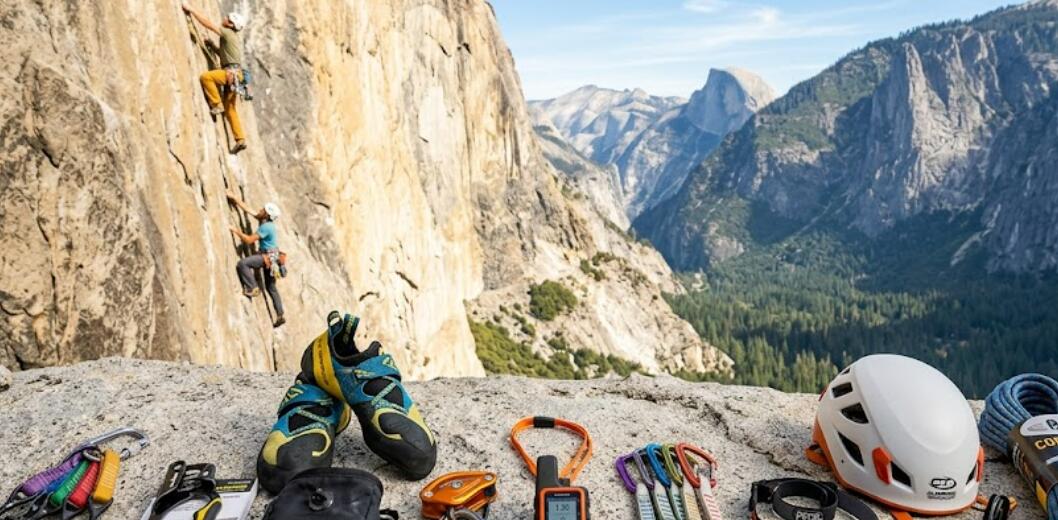
Outdoor rock climbing has become increasingly popular among adventure enthusiasts who want to challenge themselves while exploring natural landscapes. Whether you climb towering granite walls, limestone cliffs, or sandstone formations, having the right technology can make every trip safer, more efficient, and more enjoyable. Modern climbing gear goes beyond ropes and harnesses, offering innovative devices that improve navigation, communication, weather awareness, and documentation during every ascent.
- Read also: 9 best gadgets for hiking
- The 13 best gadgets for camping: Must-have and useful checklist
- Top 13 best cycling gadgets
- 12 best gadgets for outdoor running
Choosing reliable tech gear is especially important because outdoor climbing environments can be unpredictable. Changing weather, limited mobile coverage, and difficult terrain all present unique challenges. Investing in quality equipment helps climbers stay connected, monitor their surroundings, capture memorable moments, and respond quickly in emergencies. Below are nine of the best tech gear options for outdoor rock climbing, followed by additional tips for selecting and maintaining your climbing technology.
The 9 Best Tech Gear for Outdoor Rock Climbing
- GPS Navigation Device
- Climbing Smartwatch
- Action Camera
- Portable Power Bank
- Satellite Communicator
- Headlamp with Rechargeable Battery
- Laser Distance Measurer
- Weather Monitoring Device
- Bluetooth Two-Way Communication Headset
1. GPS Navigation Device
A dedicated GPS navigation device is one of the most valuable tools for outdoor rock climbers. Unlike standard smartphone navigation, dedicated GPS units are designed to function in remote mountain areas where cellular signals are unavailable. They provide accurate location tracking, route planning, elevation information, and waypoint marking.
Many modern GPS devices include downloadable topographic maps, allowing climbers to identify trail intersections, cliffs, campsites, and emergency exit routes. Their rugged construction and long battery life make them dependable companions during multi-day climbing adventures.
2. Climbing Smartwatch
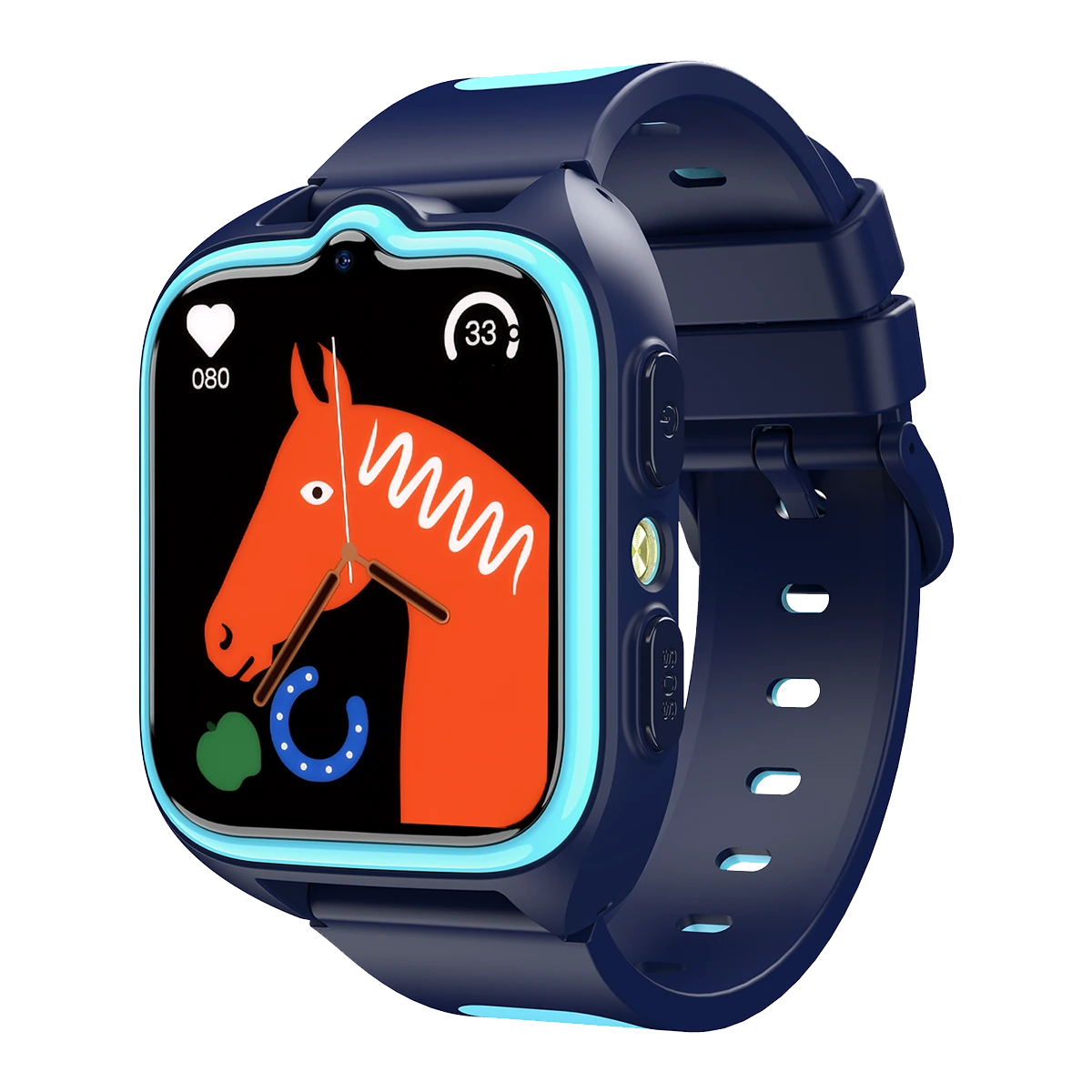
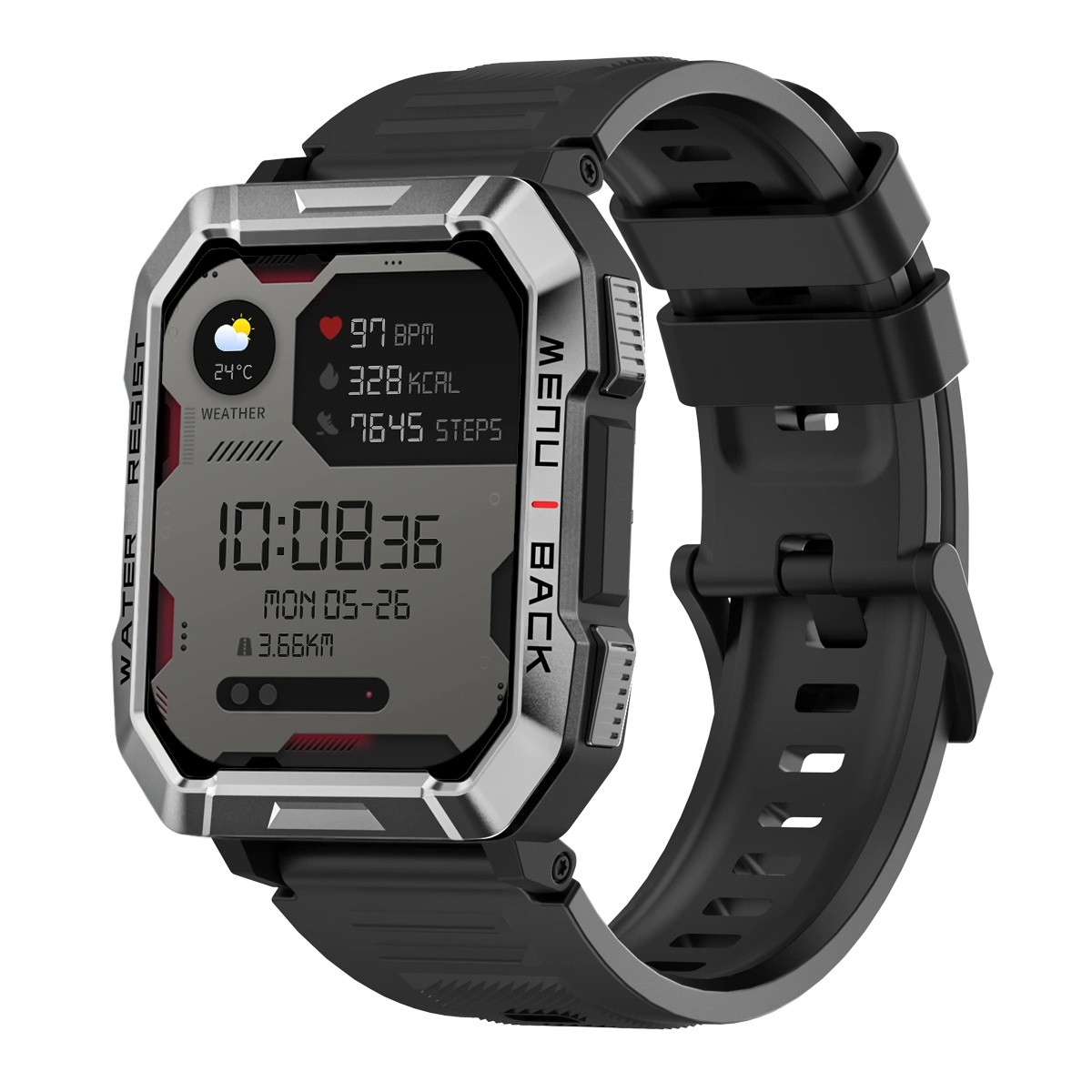
A climbing-focused smartwatch provides much more than timekeeping. Many models include GPS tracking, altitude measurements, barometric pressure monitoring, compass navigation, heart-rate tracking, and activity recording. These features help climbers better understand their physical performance while monitoring changing environmental conditions.
Some advanced watches can also display weather alerts, sunrise and sunset times, and estimated remaining daylight, helping climbers avoid being caught on difficult routes after dark.
3. Action Camera
Capturing climbing experiences has become easier than ever thanks to compact action cameras. Their lightweight design allows them to be mounted on helmets, chest harnesses, or climbing equipment without restricting movement.
Modern action cameras feature image stabilization, high-resolution video recording, waterproof construction, and wide-angle lenses that capture dramatic views from challenging routes. Besides creating memorable videos, recorded footage can also help climbers review techniques and improve future climbs.
4. Portable Power Bank
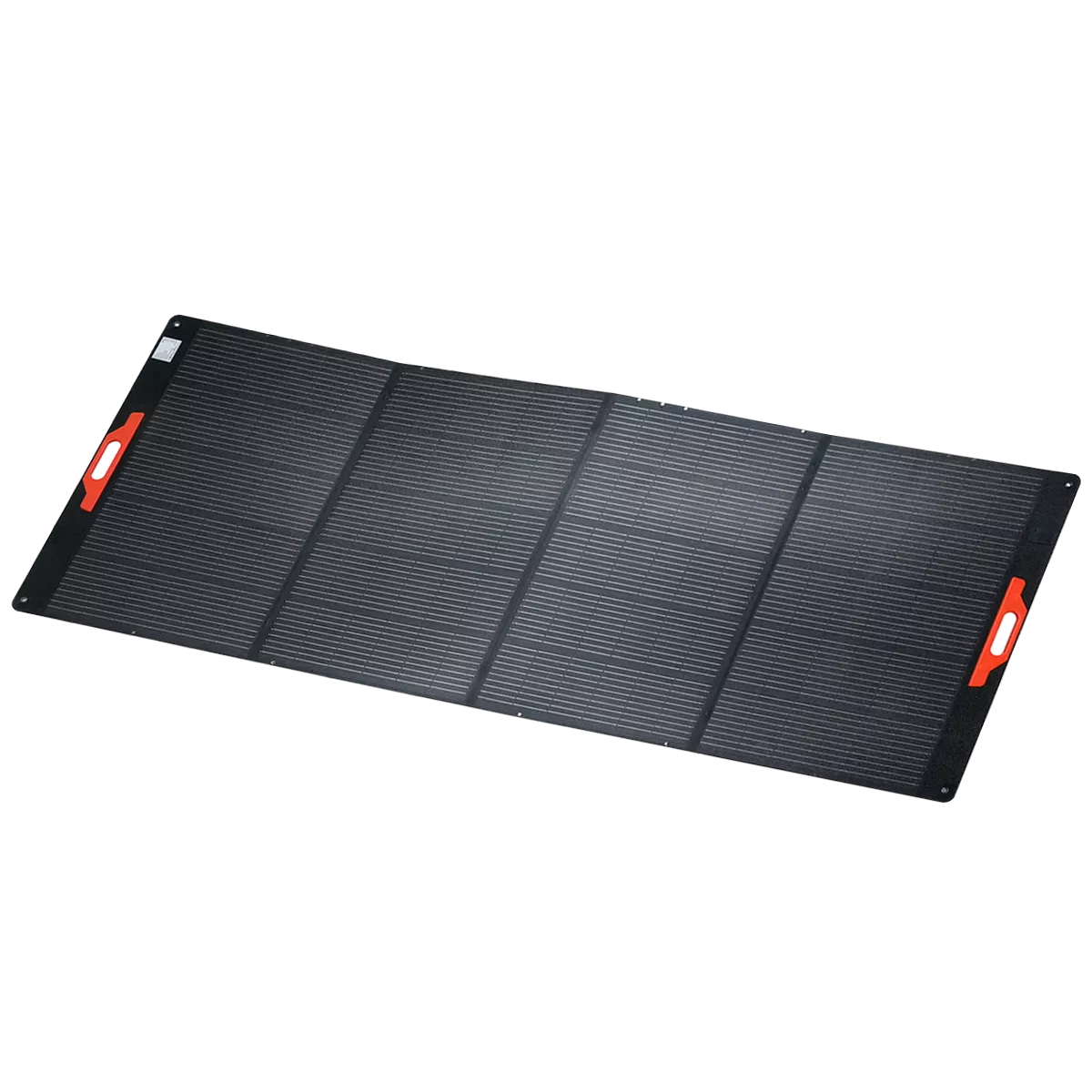
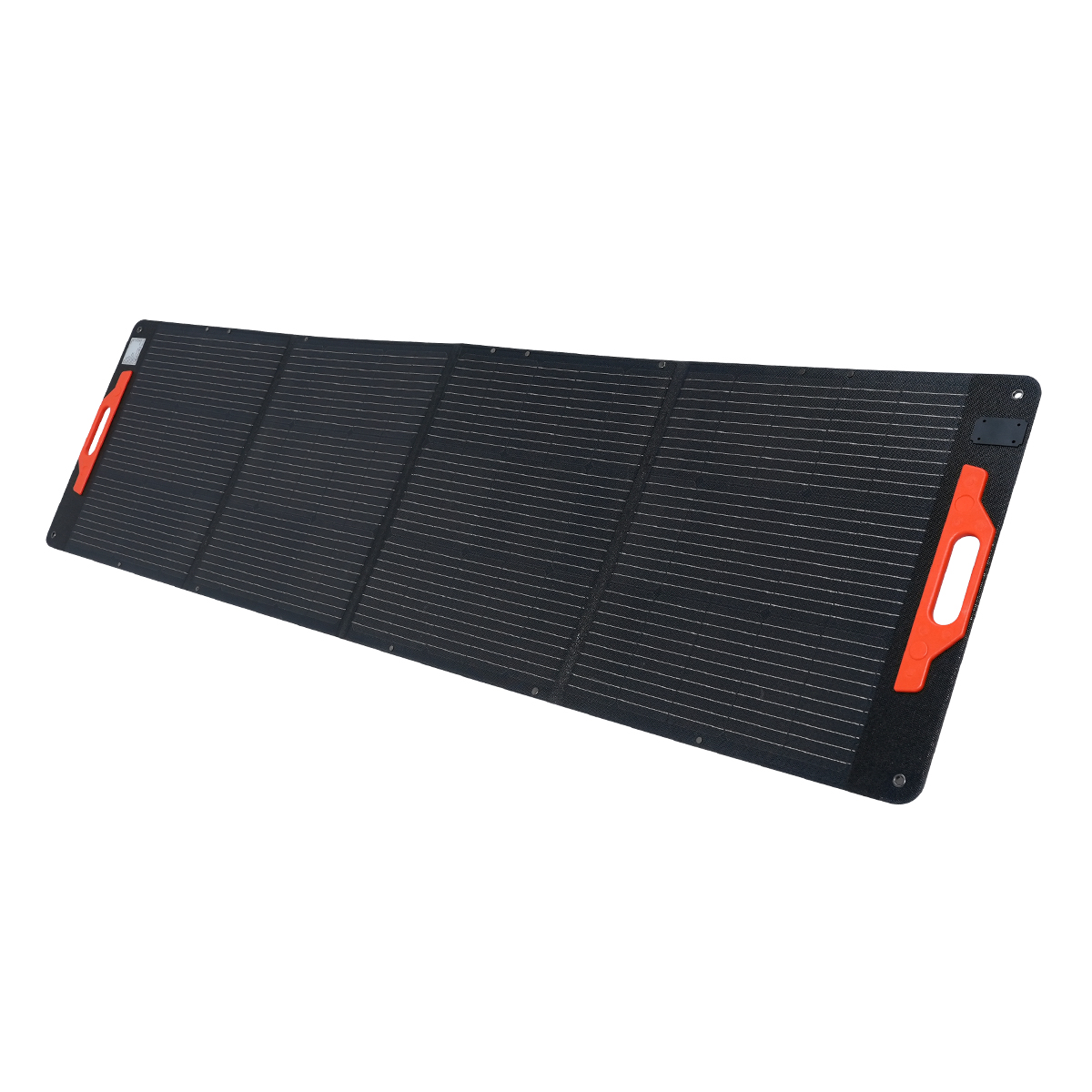
Electronic devices are only useful if they remain powered throughout the trip. A high-capacity portable power bank ensures GPS devices, cameras, smartphones, and communication equipment continue operating during extended climbing sessions.
Look for models with durable outer shells, fast charging capability, multiple USB ports, and large battery capacity. Lightweight designs are ideal because every gram matters when carrying equipment over long approaches.
5. Satellite Communicator
Many climbing destinations have little or no cellular coverage. A satellite communicator allows climbers to send messages, share their location, and trigger emergency SOS services almost anywhere with a clear view of the sky.
This technology significantly improves safety during remote expeditions. Family members can monitor trip progress, while rescue teams can receive precise coordinates if an emergency occurs. Some models also provide weather forecasts and route tracking.
6. Headlamp with Rechargeable Battery
Every outdoor climber should carry a dependable headlamp, even for climbs expected to finish during daylight hours. Unexpected delays, route-finding challenges, or changing weather can extend a climb well into the evening.
Rechargeable LED headlamps provide bright illumination while keeping both hands free for climbing. Adjustable brightness levels help conserve battery life, while waterproof construction ensures reliable performance during rain or damp conditions.
7. Laser Distance Measurer
A laser distance measurer can be useful for climbers, route developers, instructors, and outdoor guides who need accurate measurements of climbing walls or approach distances. These compact devices provide quick and precise readings without requiring physical measuring tapes.
Although not essential for every recreational climber, they are valuable for documenting new routes, estimating rope requirements, or planning climbing instruction sessions.
8. Weather Monitoring Device
Weather conditions can change rapidly in mountainous environments. A portable weather monitoring device measures factors such as air pressure, temperature, humidity, and altitude, helping climbers recognize approaching storms before they become dangerous.
Combined with weather forecasts, these devices allow climbers to make informed decisions about whether to continue climbing, seek shelter, or postpone their ascent.
9. Bluetooth Two-Way Communication Headset
Clear communication between climbing partners improves both safety and efficiency. Bluetooth communication headsets designed for outdoor activities reduce misunderstandings during belaying, route discussions, and equipment coordination.
Many outdoor communication systems feature noise reduction technology that minimizes wind interference while allowing hands-free operation. This is especially helpful on busy climbing routes or during windy conditions where verbal communication becomes difficult.
How to Choose the Right Tech Gear
Selecting climbing technology depends on your experience level, climbing destination, and trip duration. Beginners may only need a GPS device, power bank, and headlamp, while experienced climbers tackling remote multi-pitch routes often benefit from satellite communication devices, advanced navigation systems, and weather monitoring equipment.
Before purchasing any device, consider battery life, durability, water resistance, operating temperature range, and overall weight. Compact gear reduces pack weight while maintaining essential functionality, making long approaches and difficult climbs more comfortable.
Why a Rugged Smartphone Is Worth Bringing
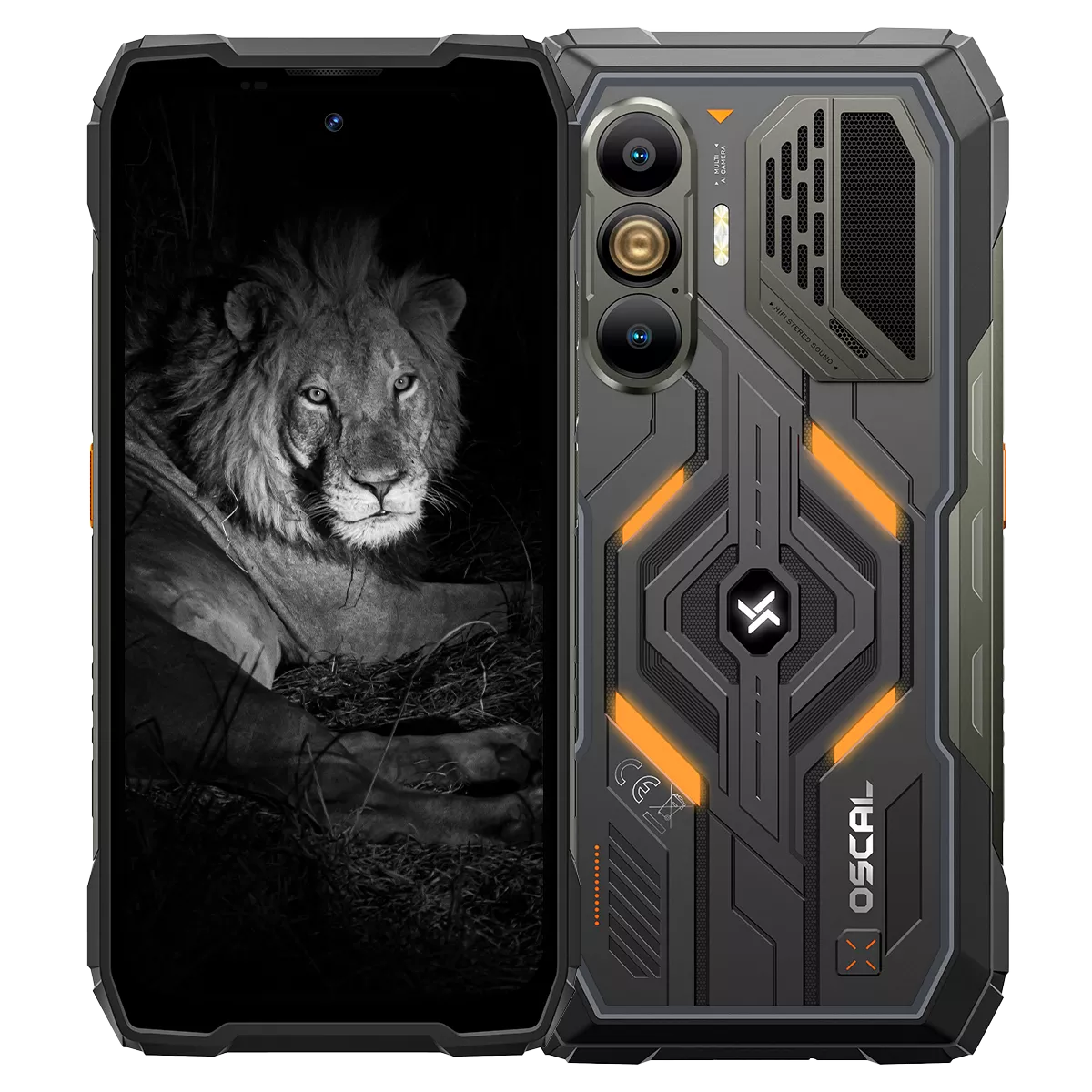
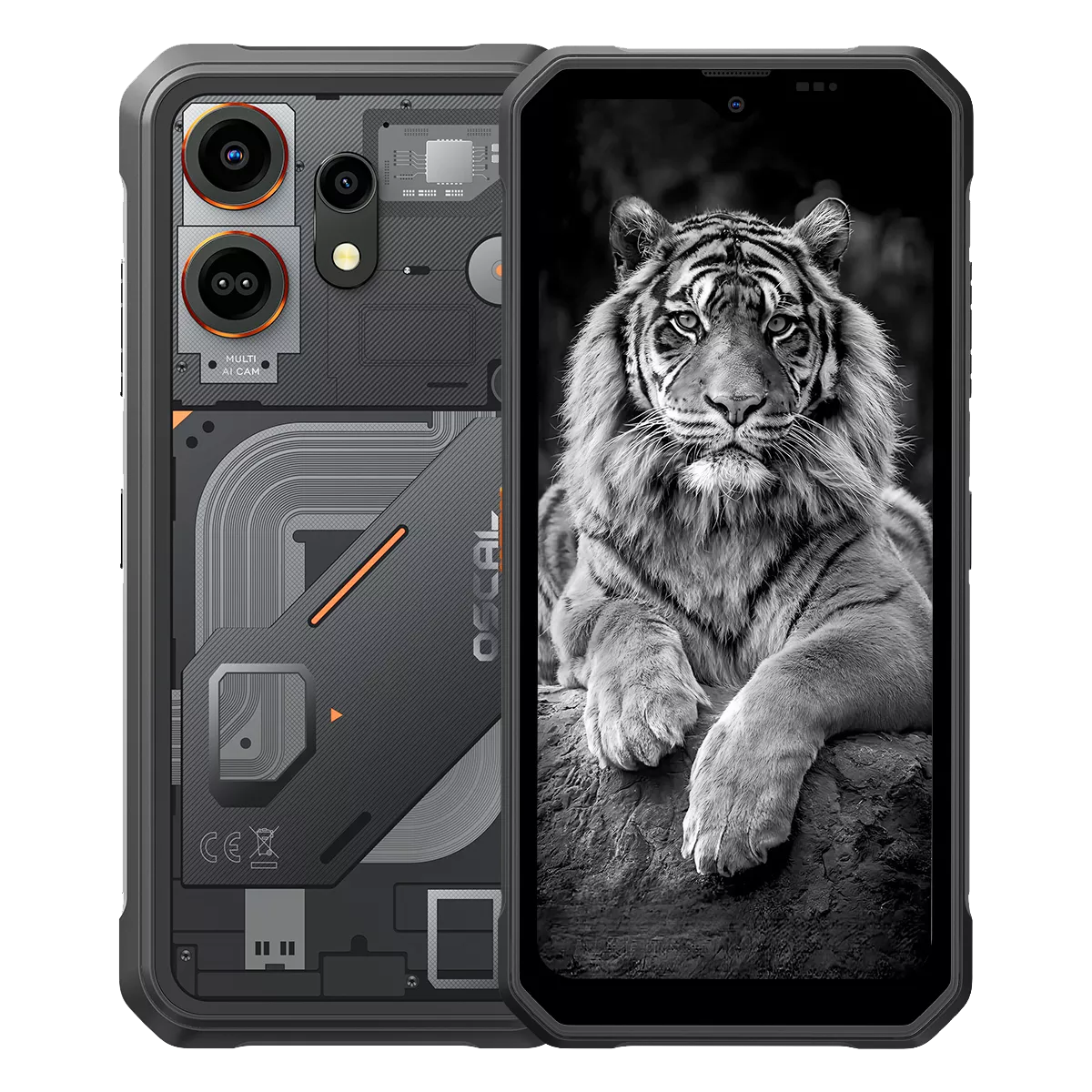
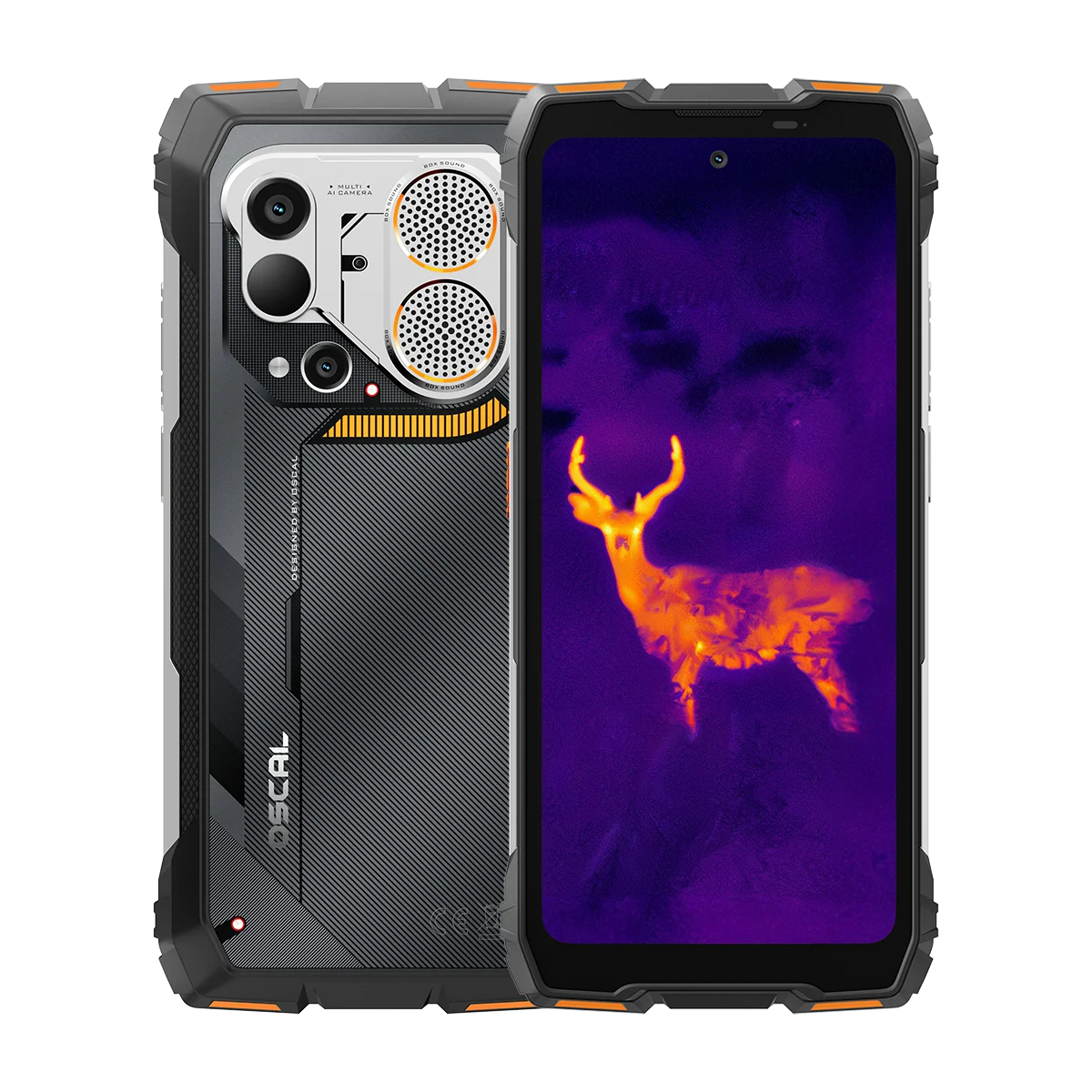
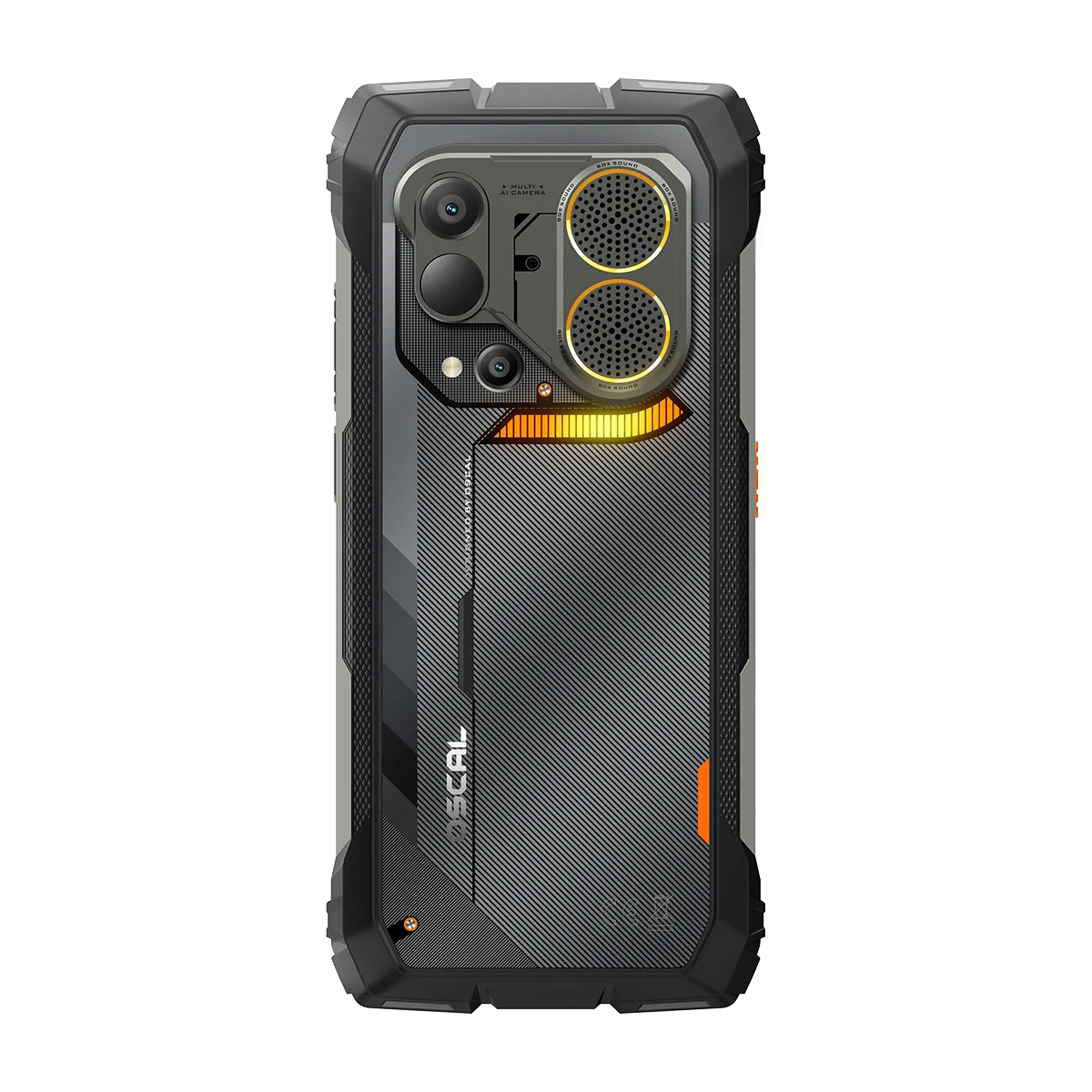
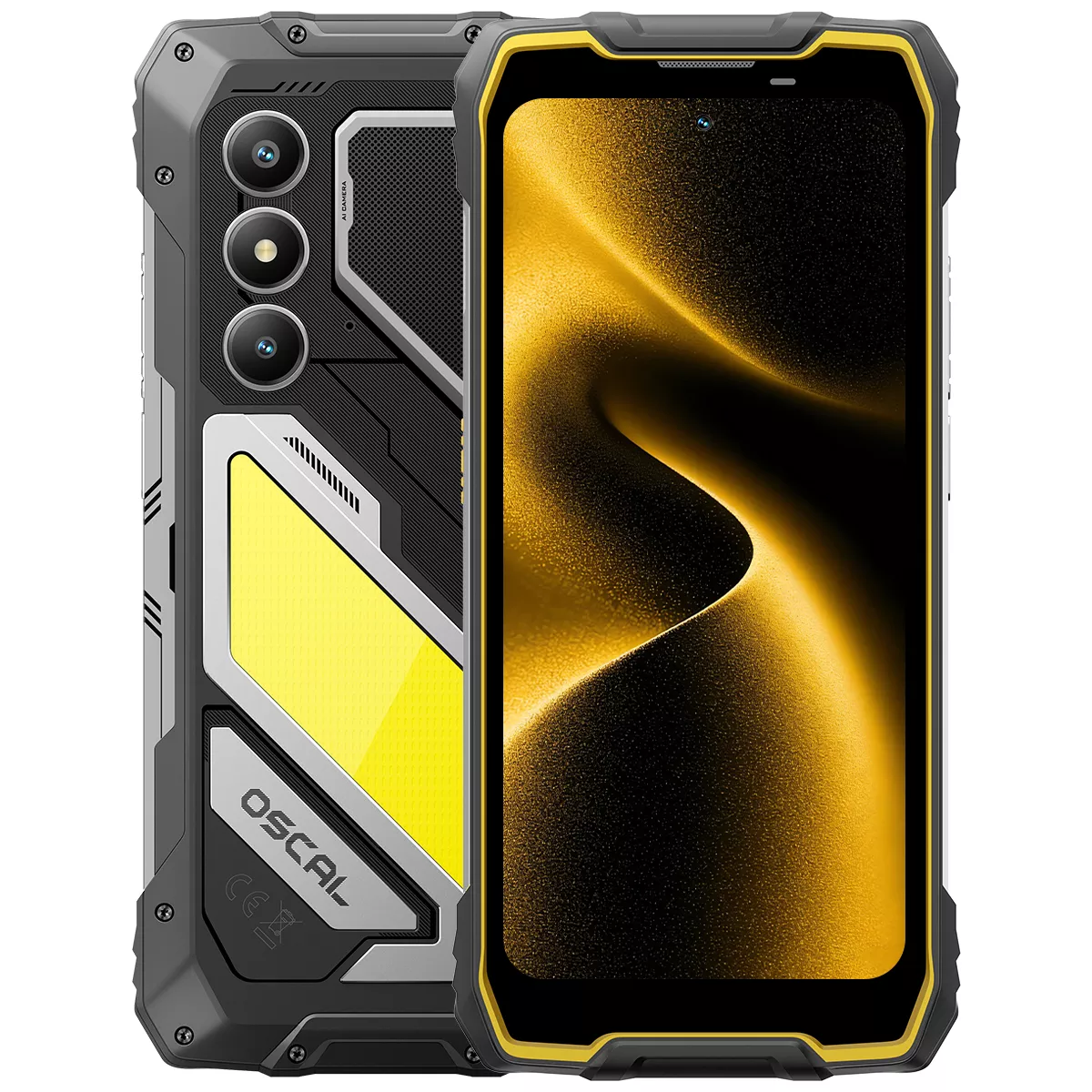
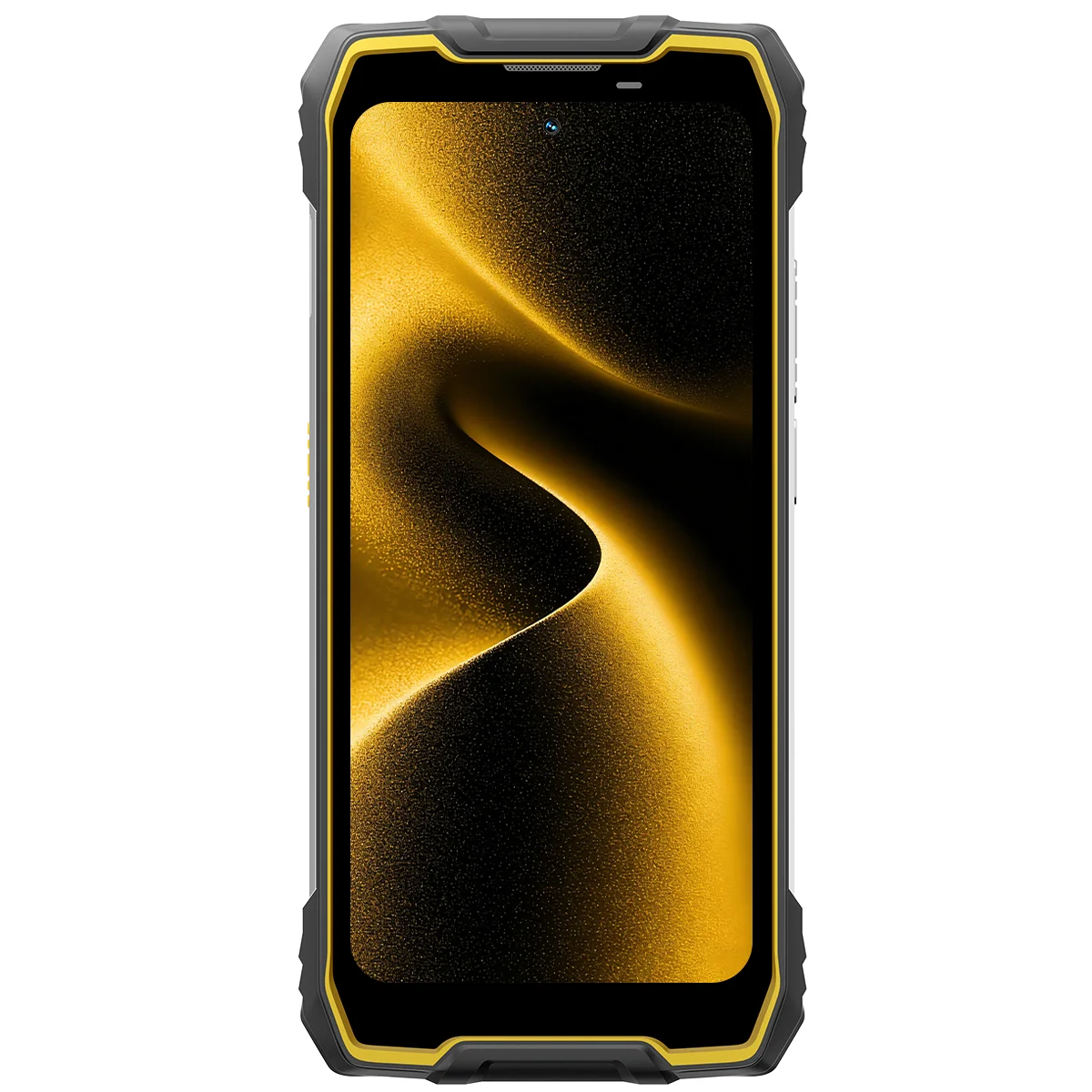
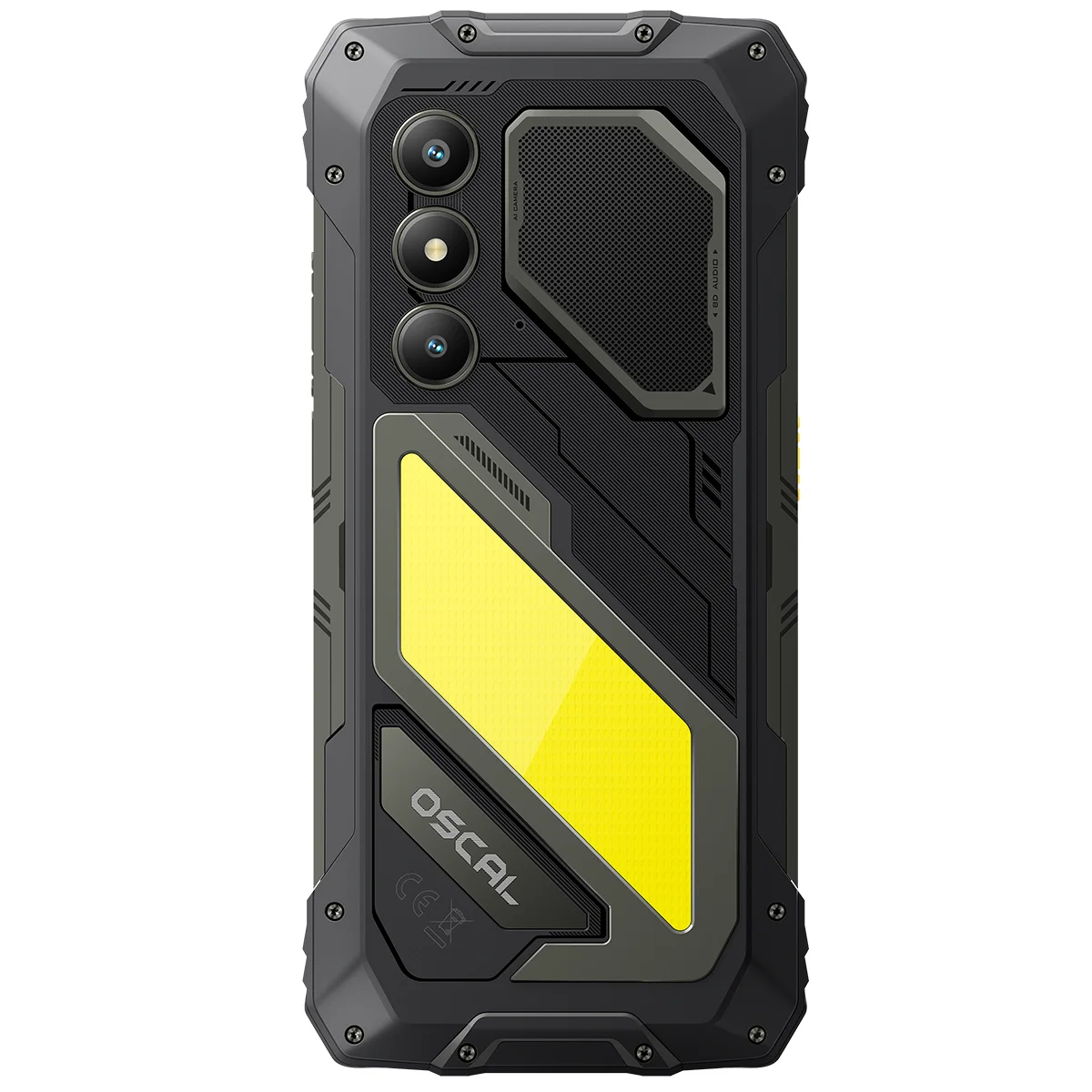
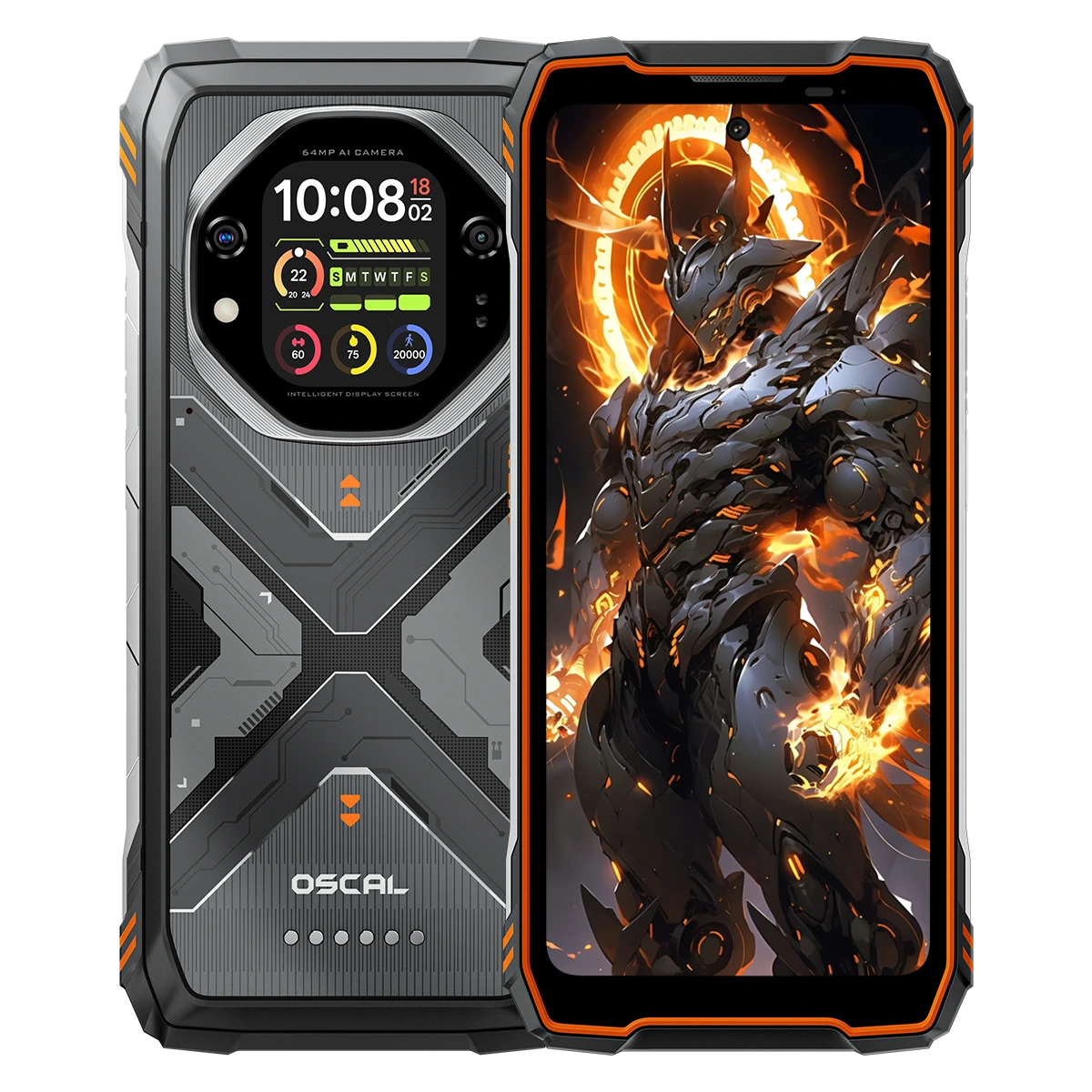
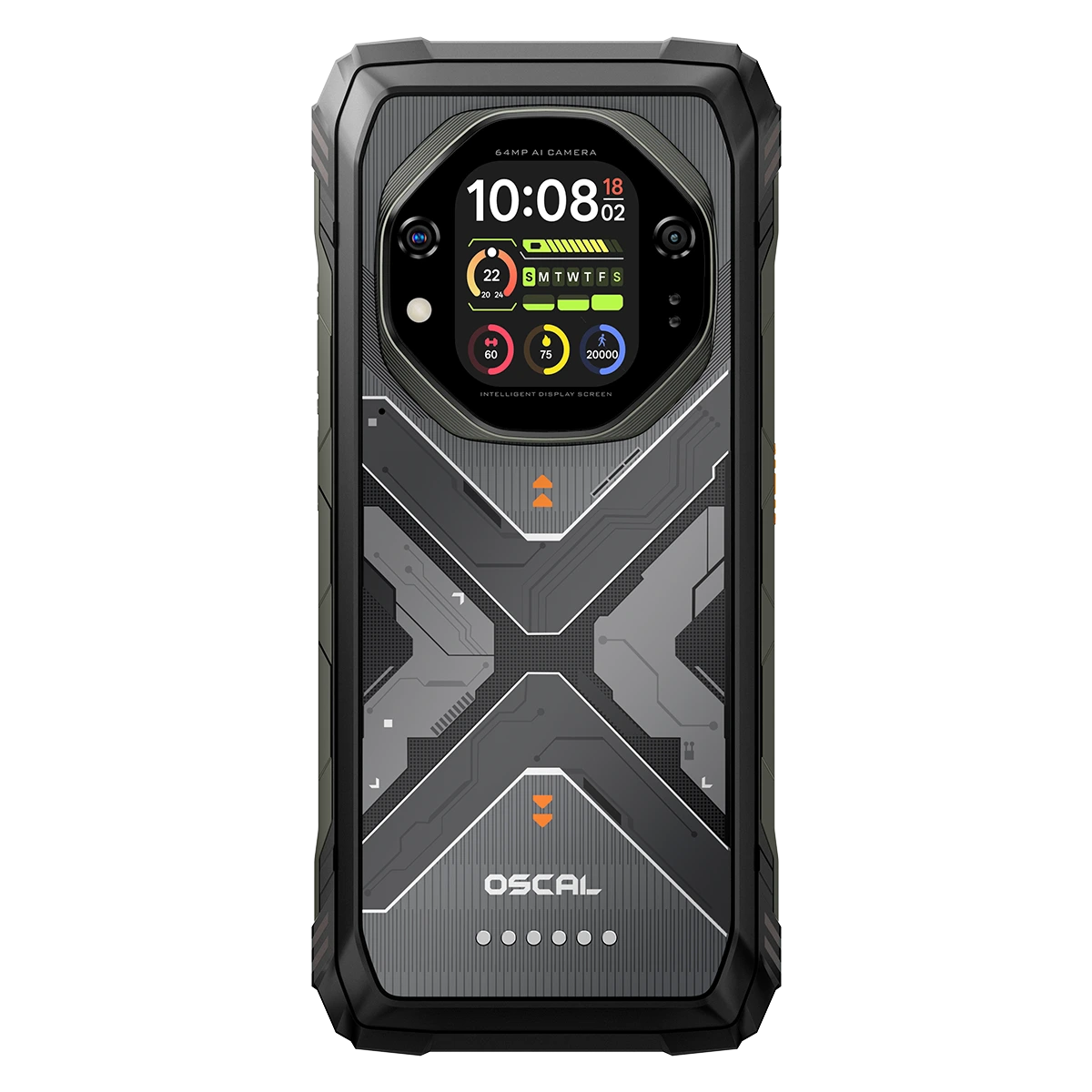
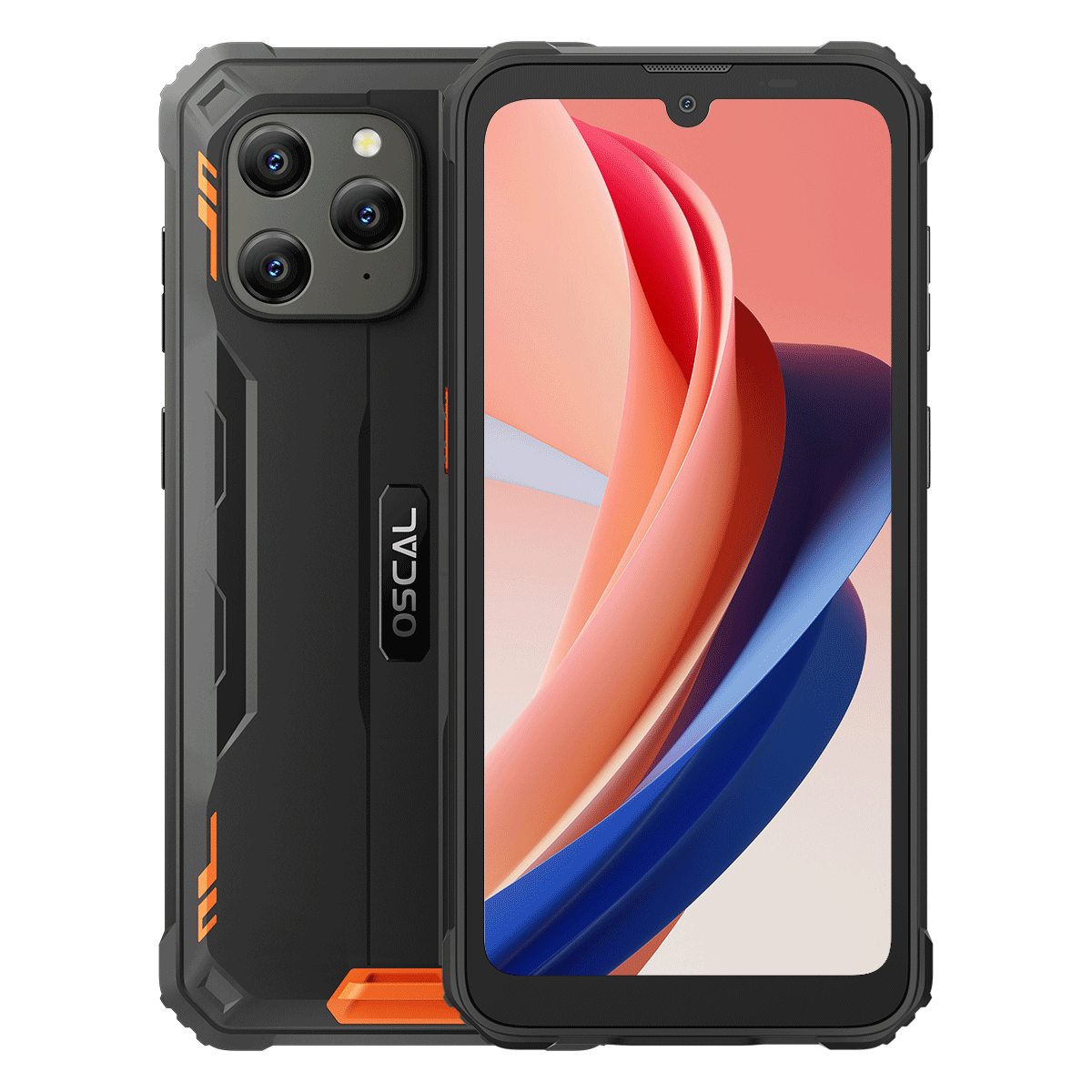
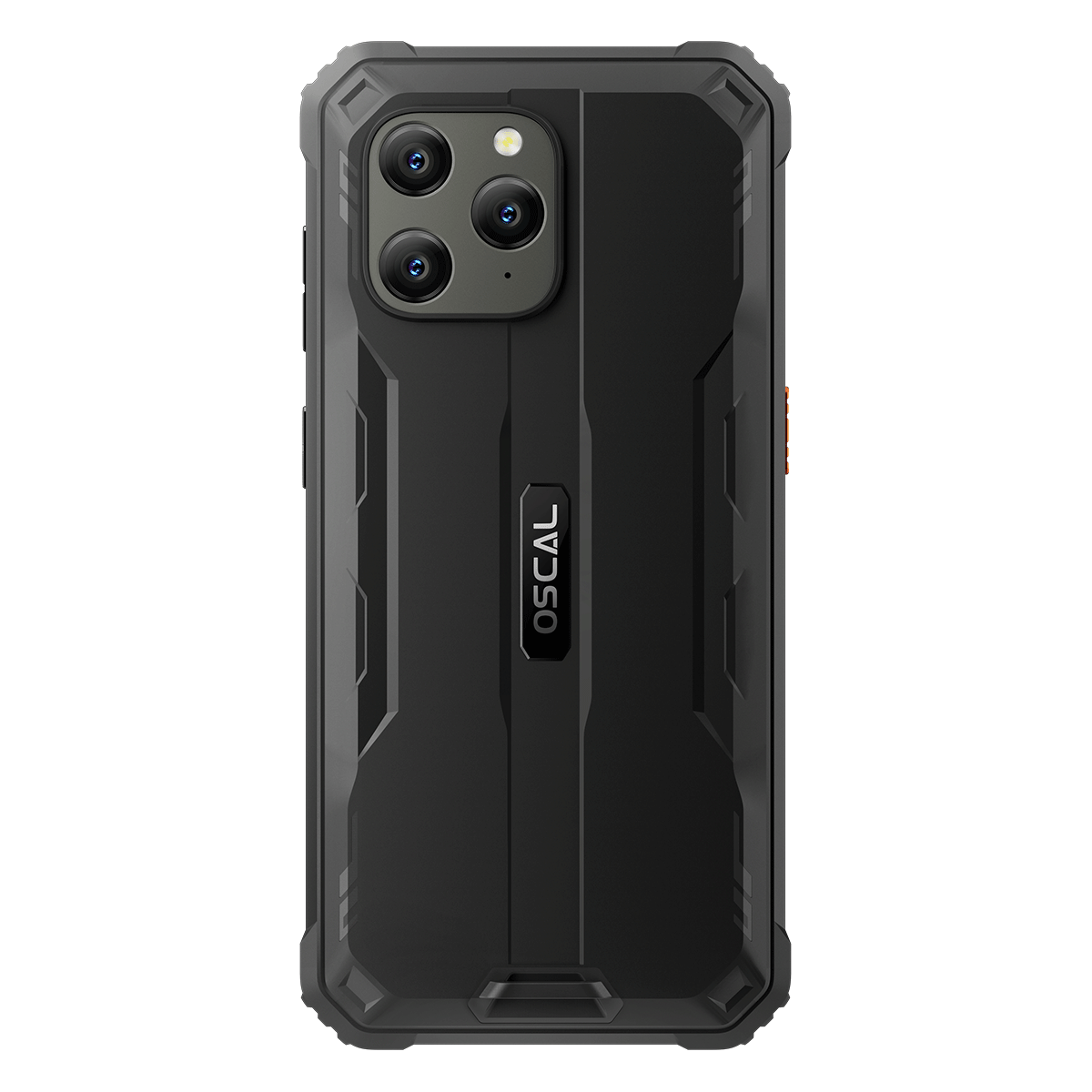
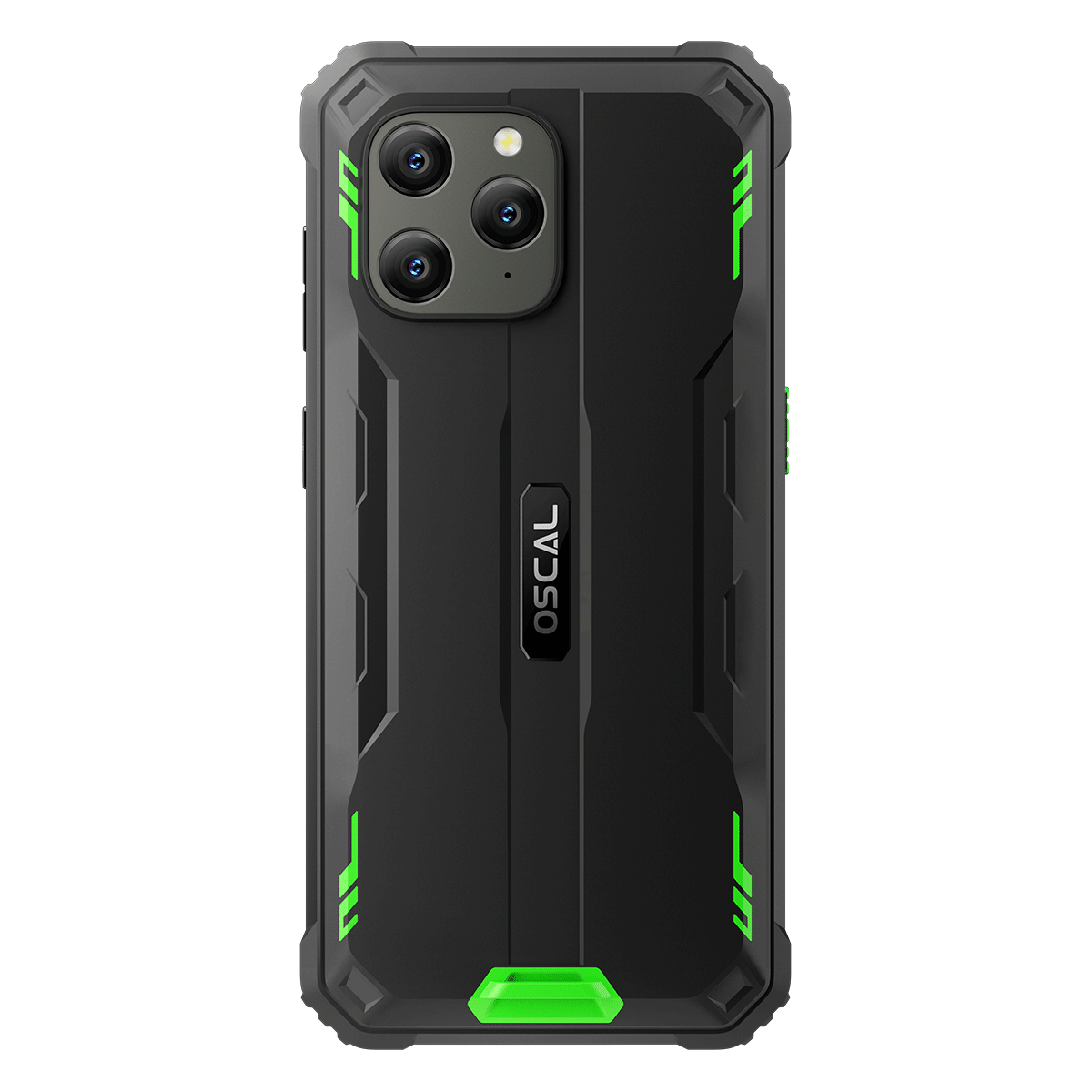
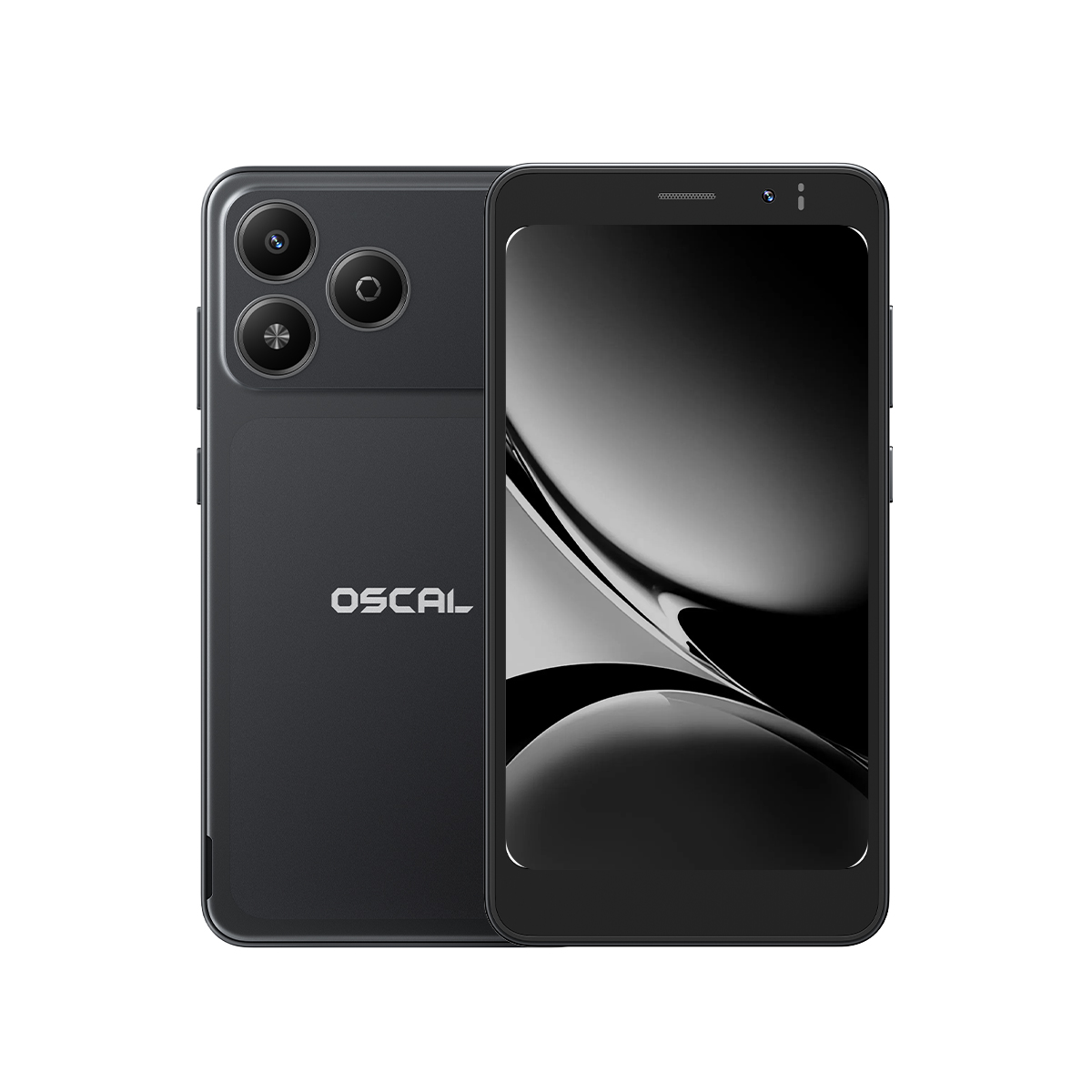
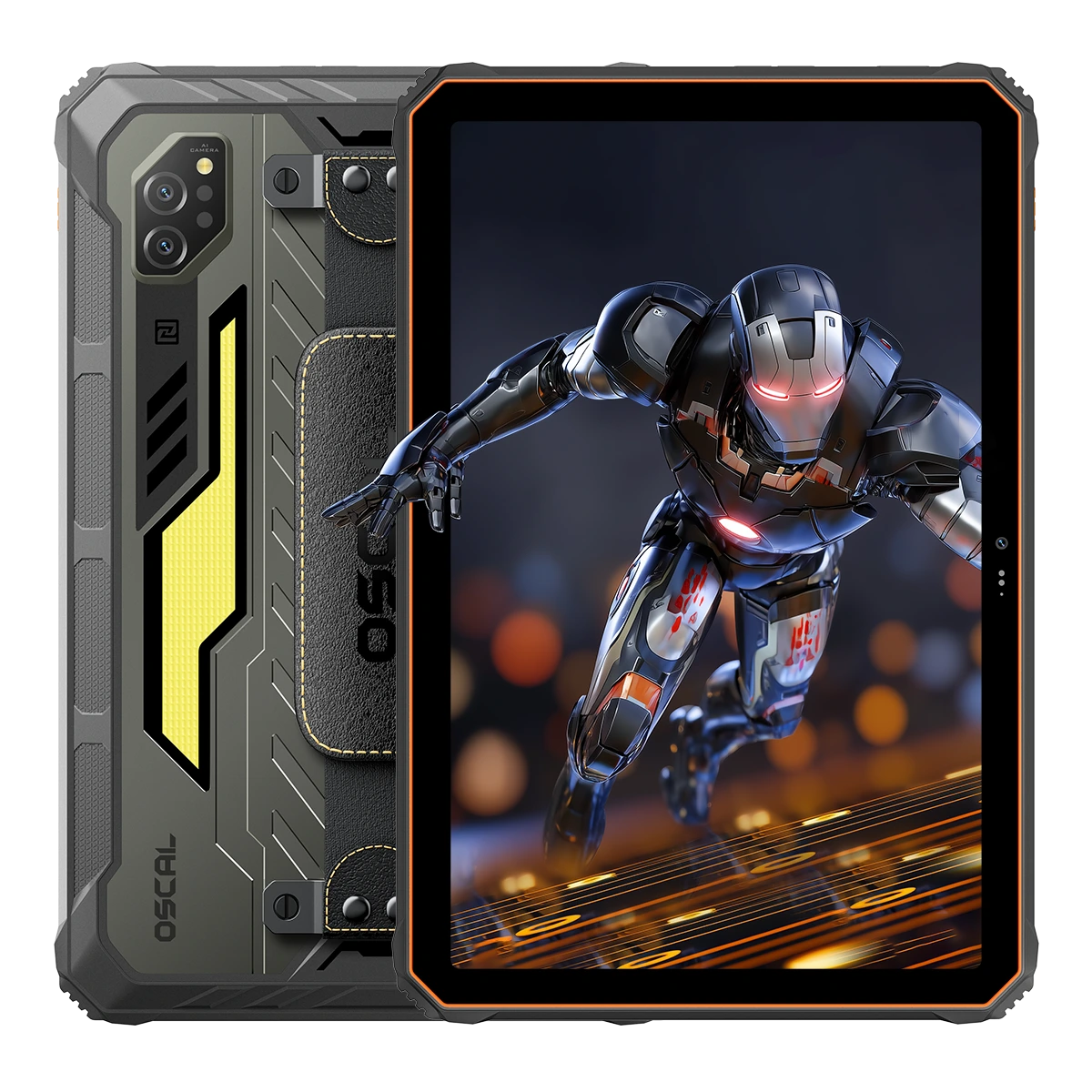
A rugged smartphone has become one of the most practical pieces of technology for outdoor rock climbing. Unlike ordinary smartphones, rugged models are designed to withstand drops, dust, mud, rain, and extreme temperatures. Many also feature reinforced frames, scratch-resistant displays, and higher waterproof ratings, making them better suited for demanding outdoor environments.
Besides durability, a rugged smartphone can serve multiple purposes during a climbing trip. It can function as a GPS navigator, camera, flashlight, weather checker, note-taking device, and emergency communication tool. Some models even include oversized batteries that last much longer than standard smartphones, reducing the need for frequent charging. For climbers who want one versatile device instead of carrying several separate gadgets, a rugged smartphone is an excellent investment.
Essential Safety Tips When Using Tech Gear
Technology should always support safe climbing practices rather than replace basic outdoor skills. Electronic devices can fail because of battery depletion, accidental damage, or harsh weather conditions. Climbers should always carry traditional navigation tools and understand how to use them if electronic equipment becomes unavailable.
- Charge every device before leaving home.
- Carry backup batteries or a power bank.
- Download offline maps before entering remote areas.
- Test communication devices before the climb.
- Protect electronics with waterproof storage bags.
- Keep emergency contacts easily accessible.
- Do not rely solely on electronic navigation.
How to Maintain Your Outdoor Climbing Electronics
Proper maintenance extends the lifespan of climbing technology and ensures dependable performance. Dirt, moisture, and repeated impacts can gradually reduce the effectiveness of electronic equipment if it is not cleaned and stored correctly.
- Wipe devices clean after every climbing trip.
- Allow wet equipment to dry completely before storage.
- Inspect charging ports for dust and debris.
- Install software and firmware updates regularly.
- Store batteries in a cool, dry location.
- Replace damaged charging cables immediately.
- Use protective cases whenever possible.
Packing Tech Gear Efficiently
Weight management is an important part of outdoor rock climbing. Carrying unnecessary equipment can reduce mobility and increase fatigue during long approaches. Organize your electronic gear so that frequently used items remain easily accessible while heavier equipment stays balanced inside the backpack.
Keep delicate devices inside padded compartments and use waterproof pouches to protect them from unexpected rain or water crossings. Cable organizers can prevent charging cords from becoming tangled, while small accessory bags make it easier to locate batteries, memory cards, and adapters.
Balancing Performance and Budget
Not every climber needs the most expensive technology available. Beginners often benefit more from purchasing a few dependable essentials rather than investing in numerous advanced gadgets. A quality GPS device, reliable headlamp, portable power bank, and durable communication solution provide excellent value for most recreational climbers.
As climbing experience grows, additional equipment such as satellite communicators, weather monitors, and premium action cameras can be added gradually. Focusing on reliability, durability, and long-term value usually delivers better results than simply choosing products with the longest feature lists.
Future Trends in Climbing Technology
Outdoor climbing technology continues to evolve rapidly. Improvements in battery efficiency, satellite connectivity, wearable sensors, and artificial intelligence are making equipment more capable while reducing overall size and weight. Future devices may offer even more accurate navigation, enhanced emergency detection, and better integration between multiple climbing tools.
Many manufacturers are also emphasizing sustainability by using recycled materials, energy-efficient components, and environmentally friendly packaging. These developments allow climbers to enjoy innovative technology while reducing their environmental impact.
Final Thoughts Before Your Next Climb
Preparing carefully before every climbing trip is just as important as selecting the right destination. Checking weather forecasts, charging electronic devices, updating maps, and inspecting equipment should all become part of your pre-climb routine. Reliable technology can improve convenience and confidence, but it works best when combined with proper planning, climbing knowledge, and responsible decision-making.
Conclusion
The best tech gear for outdoor rock climbing combines durability, functionality, and reliability. From GPS navigation devices and satellite communicators to action cameras, weather monitors, and rechargeable headlamps, each piece of equipment serves a unique purpose that can improve safety and enhance the overall climbing experience. Choosing gear that matches your climbing style and environment allows you to travel more efficiently while staying prepared for changing conditions.
Whether you are a beginner exploring local climbing crags or an experienced climber tackling remote multi-pitch routes, investing in dependable technology is a worthwhile decision. By maintaining your equipment, packing it thoughtfully, and using it alongside solid climbing skills, you can enjoy more successful adventures while focusing on what matters most—reaching the summit safely and creating unforgettable memories in the outdoors.


