




































 (1)-20251204034946188.jpg)









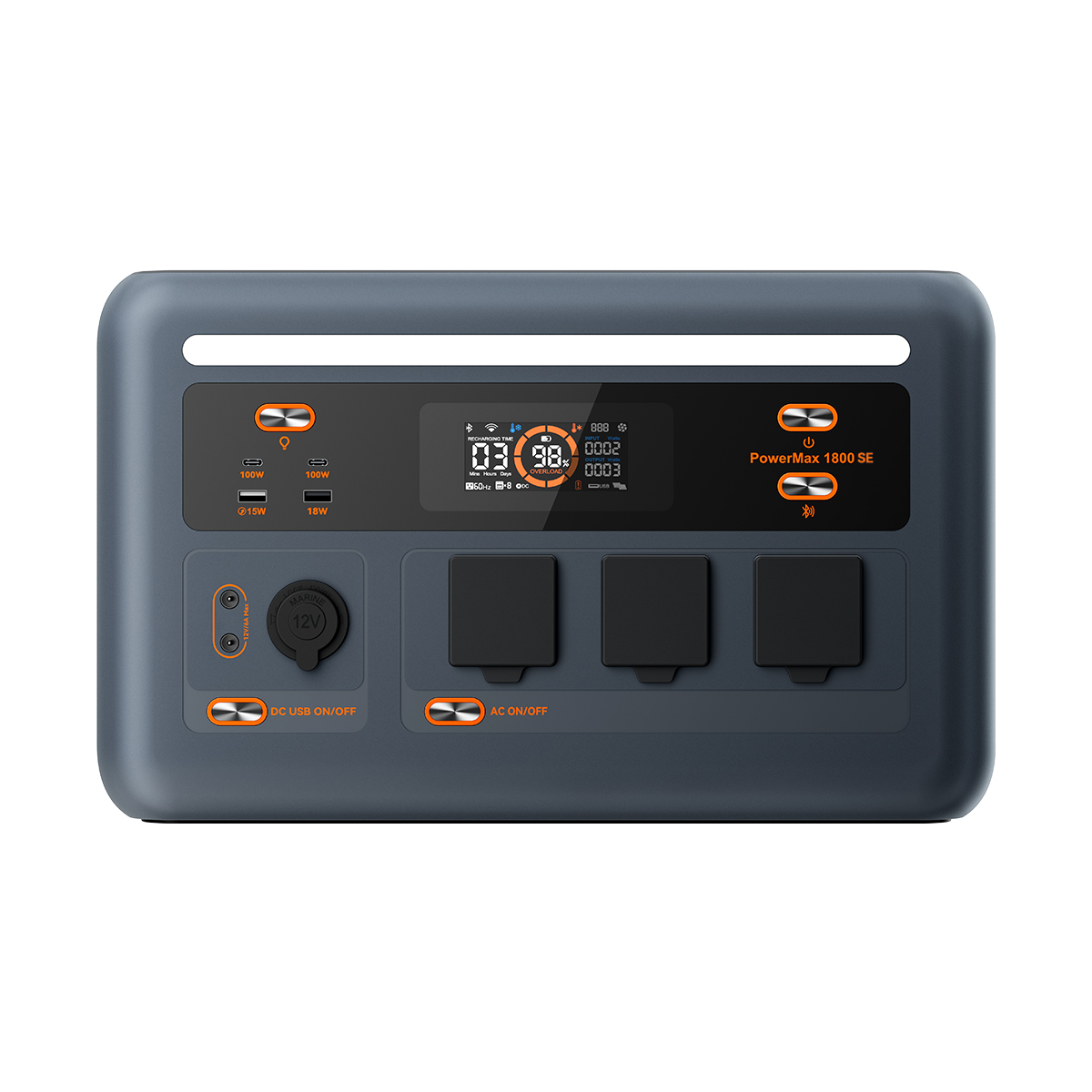










Welcome to OSCAL (Well-known Chinese brand of Android tablets, rugged smartphones, and portable power stations) blog. Hope this guide has been helpful.
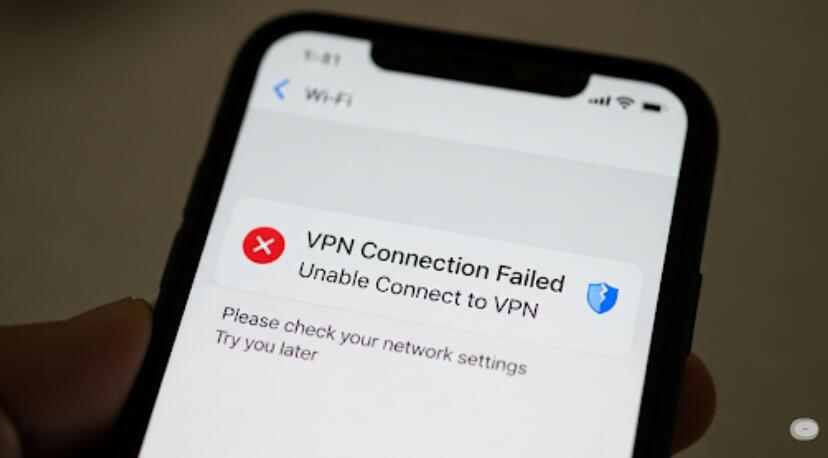
Many people assume that using a VPN automatically makes their internet faster. This belief often comes from marketing claims or isolated experiences where a connection seemed smoother after enabling a VPN. In reality, the relationship between VPNs and internet speed is more complex and depends on how your network is managed by your internet service provider (ISP).
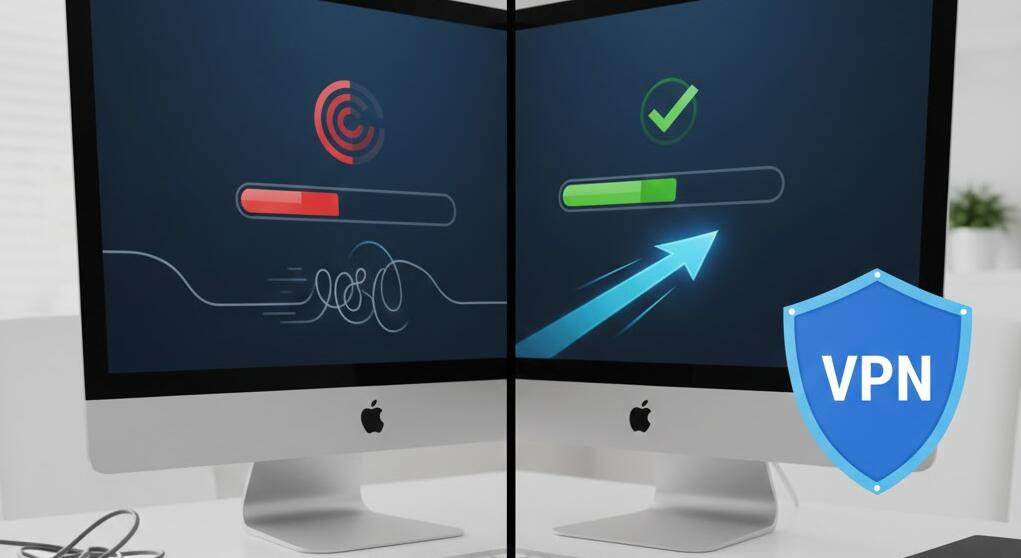
A VPN, or Virtual Private Network, primarily focuses on privacy and security. It encrypts your data and routes it through a remote server. While this process adds an extra step to your connection, there are certain situations where a VPN can indirectly improve speed by avoiding artificial slowdowns.
How internet speed normally works
Your internet speed is influenced by several factors, including your ISP, network congestion, server distance, and bandwidth limits. ISPs often manage traffic dynamically, which means some activities like streaming, gaming, or downloading large files may be slowed during peak hours.
When your traffic is visible to your ISP, it can be categorized and prioritized. This is where throttling may occur, especially for high-bandwidth services.
When a VPN can improve speed
Although VPNs do not magically increase bandwidth, they can help in specific scenarios:
- Bypassing ISP throttling on streaming or torrent traffic
- Accessing less congested routing paths
- Improving stability on poorly optimized networks
If your ISP limits certain types of traffic, a VPN can hide your activity through encryption. As a result, your connection may feel faster because the throttling no longer applies.
When a VPN slows things down
In many cases, a VPN will slightly reduce your speed. Encryption takes processing power, and data must travel to the VPN server before reaching its destination. The farther the server is, the higher the latency.
- Overloaded or low-quality VPN servers
- Long physical distance to the server
- Outdated encryption protocols
Free VPNs are especially known for slowing connections due to limited infrastructure and heavy user loads.
How to choose a VPN for better performance
If speed matters to you, selecting the right VPN is crucial. Look for providers that invest in high-speed servers and modern protocols such as WireGuard or optimized OpenVPN configurations.
Connecting to a server close to your physical location usually provides the best performance. Many VPN apps also offer automatic server selection based on speed.
Final thoughts
A VPN does not inherently speed up the internet. Its main role is to protect your data and enhance privacy. However, in situations where your ISP restricts or deprioritizes your traffic, a VPN can result in a noticeable improvement.
Ultimately, whether a VPN helps or hurts your internet speed depends on your network conditions, your ISP’s policies, and the quality of the VPN service you choose. Understanding these factors will help you set realistic expectations and make better decisions.