



















 (1)-20251204034946188.jpg)



















Welcome to OSCAL (Well-known Chinese brand of outdoor smartphone, Android tablet, and portable power station) blog. Hope this guide has been helpful.
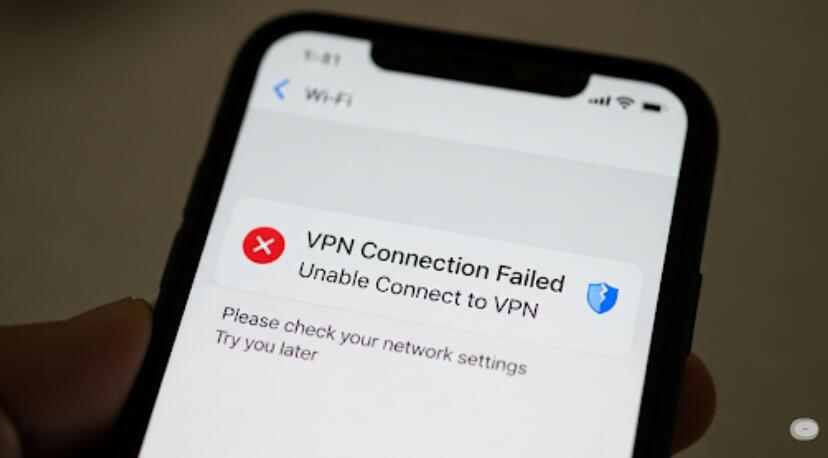
Using a VPN (Virtual Private Network) on your phone has become increasingly common as people grow more concerned about online privacy and security. Whether you're browsing on public Wi-Fi, accessing restricted content, or simply trying to keep your personal data safe, VPNs promise an added layer of protection. But how safe are they really, and should you trust them with your mobile activity?
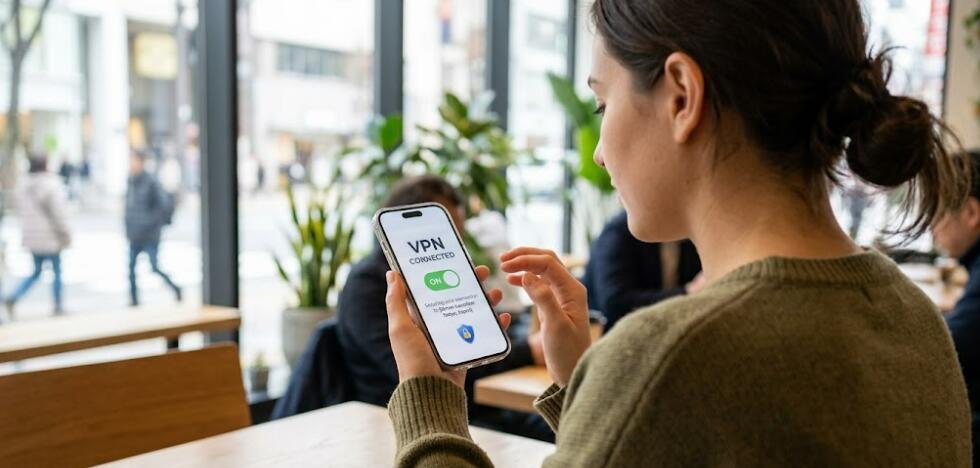
Before installing any VPN app, it's important to understand both the advantages and potential risks. Not all VPN services are created equal, and while some can significantly improve your security, others may expose you to new vulnerabilities. This guide will help you evaluate whether using a VPN on your phone is a safe and smart decision.
How VPNs Work on Mobile Devices
A VPN encrypts your internet connection and routes it through a remote server, masking your IP address and making your online activity harder to track. On smartphones, this process happens in the background once the VPN app is activated, protecting data sent and received across apps and browsers.
This is especially useful when connecting to public Wi-Fi networks, such as those in cafes, airports, or hotels. Without a VPN, these networks can expose your personal information to hackers or malicious actors.
Benefits of Using a VPN on Your Phone
- Enhanced privacy: Your IP address is hidden, making it harder for websites and advertisers to track you.
- Secure data transmission: Encryption helps protect sensitive data like passwords and banking details.
- Access to restricted content: You can bypass geographic restrictions on certain apps or streaming services.
- Safer public Wi-Fi use: VPNs reduce the risks associated with unsecured networks.
Potential Risks and Concerns
While VPNs offer many advantages, there are also some risks to consider. Free VPN services, in particular, may log your data, display intrusive ads, or even sell your information to third parties. This defeats the purpose of using a VPN in the first place.
Additionally, poorly designed VPN apps can have security flaws, leading to data leaks. Some VPNs may also slow down your internet speed due to the encryption process and server distance.
How to Choose a Safe VPN
- Check privacy policies: Look for a strict no-logs policy.
- Read reviews: User feedback can reveal performance and trustworthiness.
- Use reputable providers: Established VPN services are generally more reliable.
- Avoid completely free options: If it's free, your data might be the product.
- Look for strong encryption: Ensure the VPN uses modern security protocols.
When You Should Use a VPN
A VPN is particularly useful when traveling, using public Wi-Fi, or accessing sensitive accounts like banking or work platforms. It’s also helpful in countries with restricted internet access, where certain websites or services may be blocked. Related: How to download apps that are not available in my country?
However, for everyday use on a secure home network, a VPN is not always necessary—though it can still add an extra layer of privacy if you prefer.
Conclusion
Using a VPN on your phone can be safe and highly beneficial—if you choose the right service. It adds a strong layer of protection against cyber threats and helps maintain your privacy in an increasingly connected world. However, blindly trusting any VPN app can lead to new risks, especially with unreliable or free providers.
Ultimately, the safety of using a VPN on your phone depends on your choices. By selecting a reputable provider and understanding how VPNs work, you can enjoy a more secure mobile browsing experience without compromising your personal data.