






































 (1)-20251204034946188.jpg)

































Welcome to OSCAL (Well-known Chinese brand of rugged smartphone, tablet, and portable power station) blog. Hope this guide has been helpful.
Hidden WiFi networks, also known as non-broadcast networks, do not publicly display their network name (SSID) when your device scans for available connections. While this might make them seem invisible, they are not truly undetectable. With the right information and tools, you can locate and connect to a hidden WiFi network safely and efficiently. This guide will walk you through what hidden networks are, why they exist, and the practical steps you can take to find and connect to them.

- Read also: How to check who is on your WiFi?
Whether you are setting up a new device, troubleshooting a connection, or accessing a secured workplace or home network, understanding how hidden networks function is essential. Keep in mind that you should only attempt to access networks you are authorized to use. Attempting to access unknown networks without permission may be illegal and unethical. Now, let’s explore how hidden WiFi networks work and how you can find them properly.
What Is a Hidden WiFi Network?
A hidden WiFi network is one where the router is configured not to broadcast its SSID (Service Set Identifier). Normally, when you open your device’s WiFi settings, you see a list of available networks. Hidden networks do not appear in this list automatically. However, the network is still transmitting a signal; it simply does not advertise its name.
Network administrators often hide SSIDs for added privacy or to reduce casual connection attempts. However, hiding a network does not provide strong security on its own. Proper encryption methods such as WPA2 or WPA3 are far more important for protecting a network.
What You Need Before Connecting
To connect to a hidden WiFi network, you must have specific information from the network owner or administrator. Without these details, you cannot successfully join the network.
- The exact network name (SSID), including correct capitalization
- The security type (WPA2, WPA3, etc.)
- The network password
- If applicable, additional authentication credentials
Accuracy is critical. Even a small typo in the SSID or password will prevent connection.
How to Connect to a Hidden Network on Different Devices
On Windows
To connect to a hidden network on a Windows computer:
- Open Settings and go to Network & Internet.
- Select WiFi, then click Manage known networks.
- Click Add a new network.
- Enter the network name (SSID).
- Select the correct security type.
- Enter the password.
- Check “Connect automatically” if desired.
- Click Save.
Once saved, your computer will attempt to connect when the network is within range.
On macOS
- Click the WiFi icon in the menu bar.
- Select Join Other Network.
- Enter the network name exactly.
- Choose the correct security type.
- Enter the password.
- Click Join.
If the details are correct, your Mac will connect to the hidden network.
On iPhone or iPad
- Open Settings.
- Tap WiFi.
- Select Other.
- Enter the network name.
- Choose the appropriate security setting.
- Enter the password.
- Tap Join.
On Android
- Open Settings.
- Tap Network & Internet, then Internet or WiFi.
- Scroll down and tap Add network.
- Enter the network name.
- Select the correct security type.
- Enter the password.
- Tap Save.
Exact menu names may vary slightly depending on your Android version or manufacturer.
Using Network Scanning Tools
While standard device settings allow you to manually join hidden networks, more advanced users may use WiFi scanning tools to detect nearby networks, including hidden ones. These tools display technical information such as signal strength, frequency channels, and security protocols.
Keep in mind:
- Scanning tools may show that a hidden network exists but will not reveal its SSID unless your device has previously connected to it.
- You still need proper authorization and credentials to connect.
- Some tools are designed for IT professionals and require technical knowledge.
Examples of scanning software include built-in operating system diagnostics or third-party WiFi analyzers. These tools are helpful for troubleshooting signal interference or confirming that a hidden network is active.
Troubleshooting Common Issues
If you are unable to connect to a hidden network, consider the following troubleshooting steps:
- Double-check the spelling and capitalization of the SSID.
- Confirm the correct security type.
- Verify the password carefully.
- Restart your router and device.
- Move closer to the router to improve signal strength.
- Update your device’s operating system.
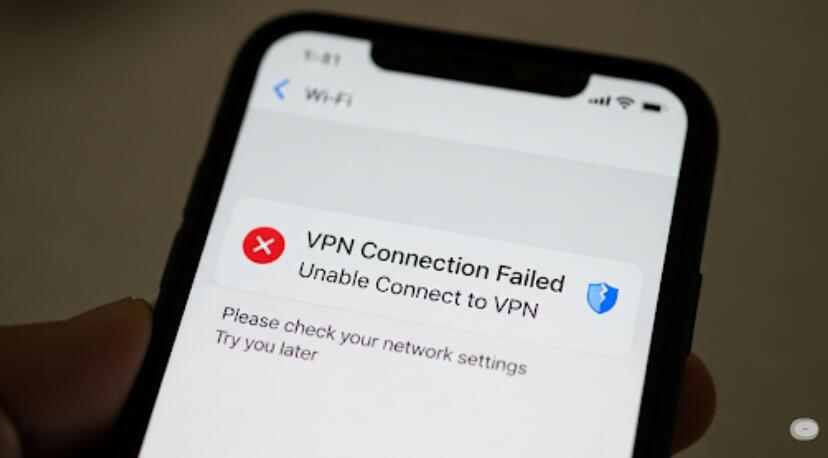
If problems persist, contact the network administrator. Sometimes routers may need reconfiguration or firmware updates.
Is Hiding a Network a Good Security Practice?
Hiding a network can reduce visibility to casual users, but it is not a strong security measure by itself. Skilled users with scanning tools can still detect hidden networks. True security comes from:
- Using WPA3 or at least WPA2 encryption
- Setting strong, unique passwords
- Keeping router firmware updated
- Disabling outdated protocols such as WEP
- Enabling network firewalls
If you are hiding your own network, consider combining hidden SSID settings with modern encryption and strong administrative credentials for better protection.
When Should You Use a Hidden Network?
Hidden networks can be useful in specific situations, such as:
- Small office environments with limited authorized users
- Home networks where you want to reduce casual discovery
- Private IoT device networks
However, hiding a network can sometimes create minor inconveniences, especially when connecting new devices. Weigh the added privacy against the extra setup effort.
Final Thoughts
Finding and connecting to a hidden WiFi network is straightforward once you understand how these networks function. The key requirement is having accurate network credentials and selecting the correct security settings on your device. Without this information, connection attempts will fail regardless of the tools you use.
Remember that hidden networks are not invisible or fully secure simply because their names are not broadcast. Always prioritize strong encryption and responsible usage. By following the steps in this guide, you can confidently locate and connect to authorized hidden WiFi networks while maintaining safe and secure network practices.