






























 (1)-20251204034946188.jpg)











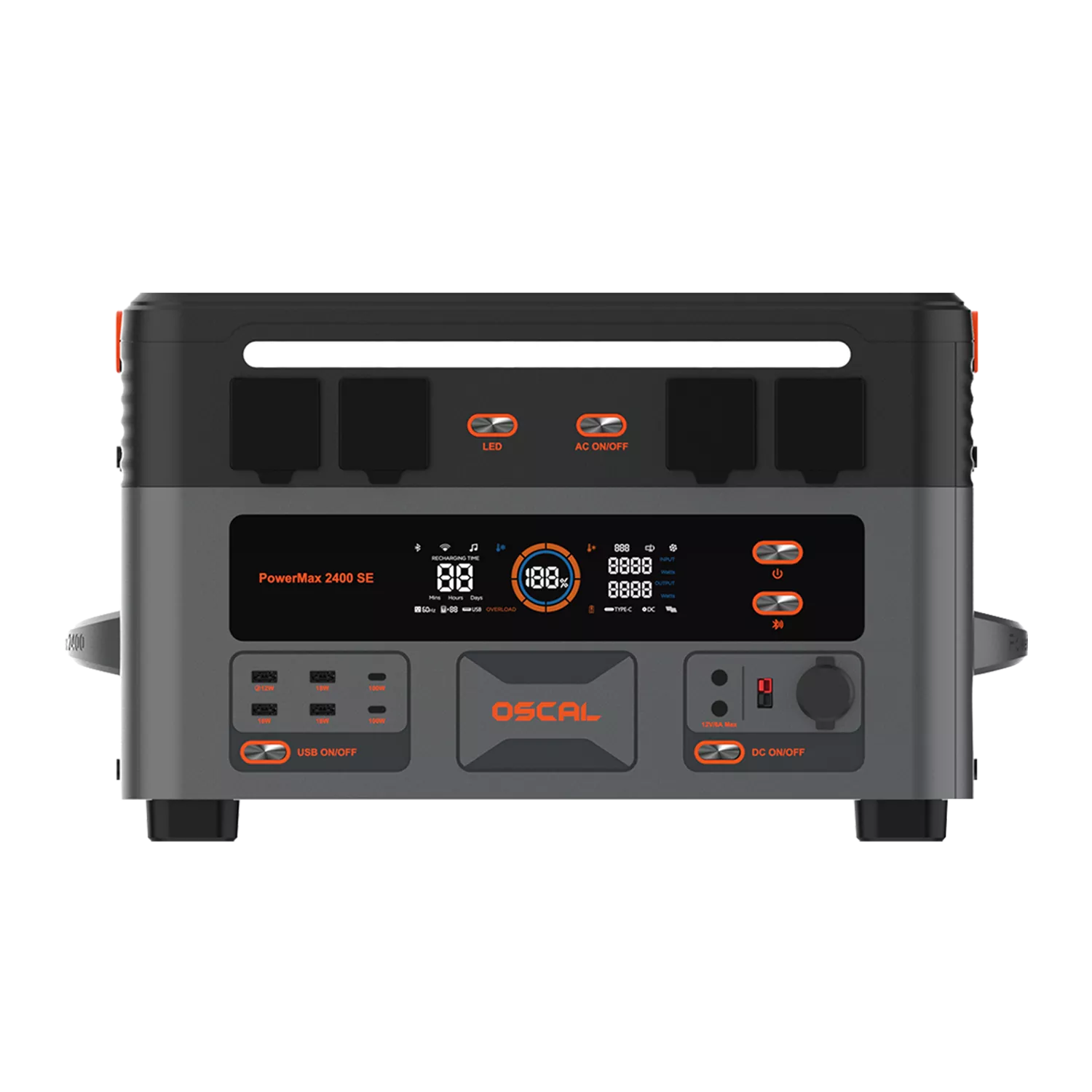
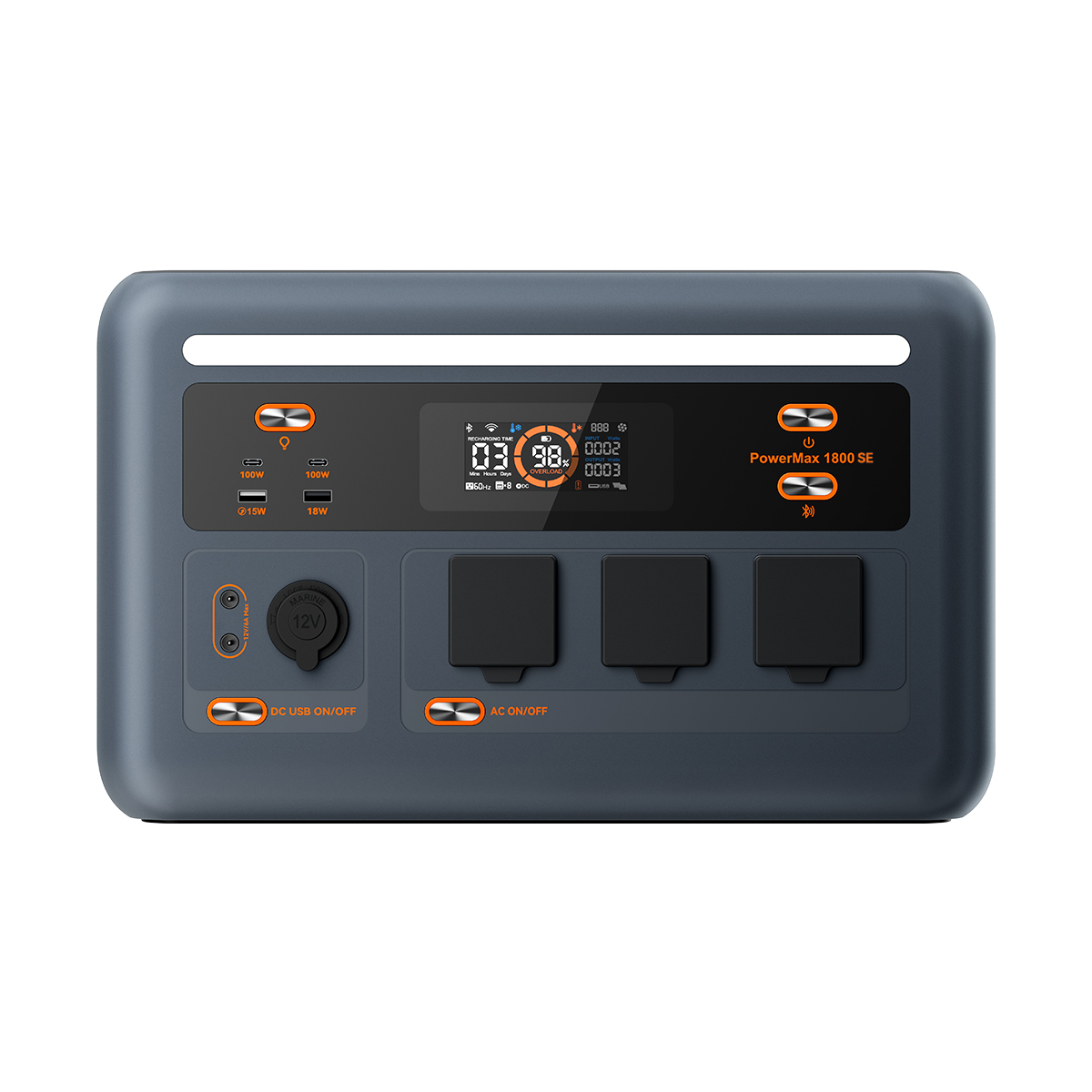


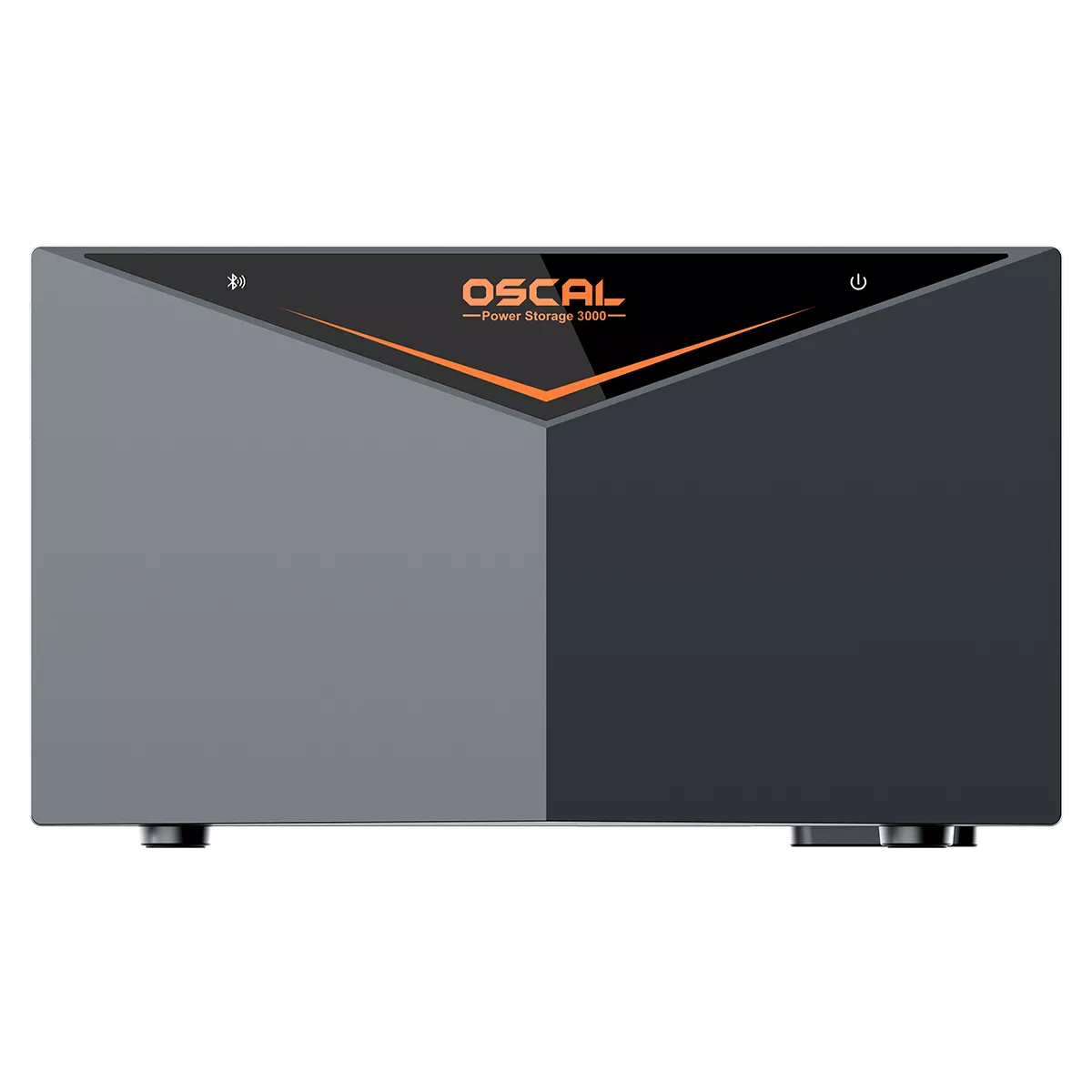






Welcome to OSCAL (Well-known Chinese brand of portable power stations, projectors, rugged outdoor smartphones, and tablets) blog. Hope this guide has been helpful.
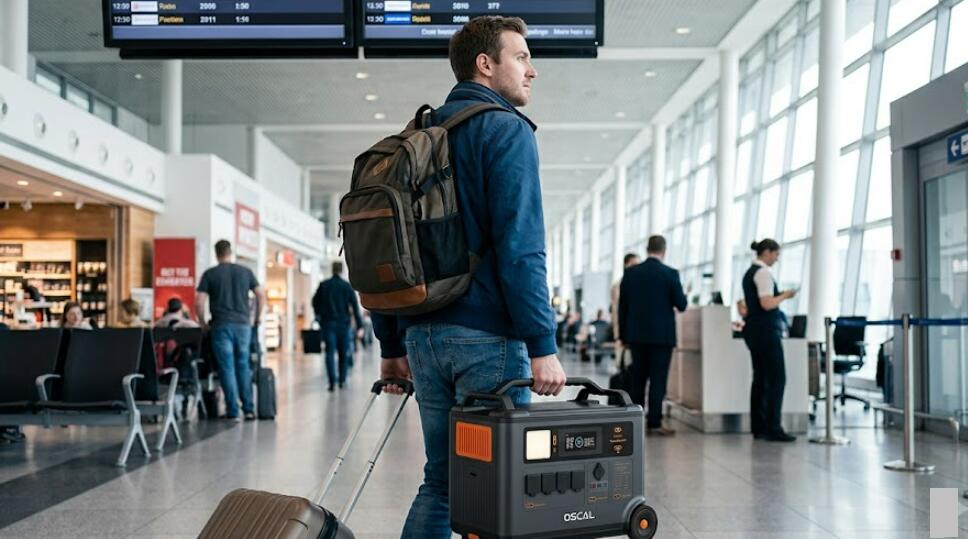
Portable power stations have become increasingly popular for travelers, campers, remote workers, and anyone who needs reliable backup power. These devices can charge smartphones, tablets, laptops, cameras, and other electronics while away from traditional power outlets. However, many travelers wonder whether a portable power station can be taken on an airplane and what restrictions may apply.
- Read also: What size power station is needed for camping?
- Can I use a portable power station to charge my electric car?
- The runtime and lifespan of a portable power station
The answer depends primarily on the battery capacity of the portable power station and the airline's regulations. Since most portable power stations contain lithium-ion batteries, they are subject to aviation safety rules designed to reduce fire risks during flights. Understanding these requirements before traveling can help you avoid delays, confiscation, or denied boarding.
Are Portable Power Stations Allowed on Airplanes?
In many cases, portable power stations are allowed on airplanes, but there are strict limitations regarding battery size. Airlines and aviation authorities usually measure battery capacity in watt-hours (Wh). The larger the battery, the more restrictions apply.
Most airlines permit smaller lithium battery devices in carry-on luggage, while larger battery-powered products may require special approval or may be completely prohibited.
Why Are There Restrictions?
Lithium-ion batteries can generate heat and, in rare situations, catch fire if damaged or defective. Because of this potential risk, aviation authorities have established regulations for carrying battery-powered devices on aircraft.
Portable power stations typically contain much larger batteries than smartphones or tablets, which is why they receive additional scrutiny during security screening and boarding procedures.
How to Check If Your Portable Power Station Is Allowed
Before your trip, follow these steps to determine whether your device can travel with you.
- Locate the battery capacity label on the power station.
- Check the watt-hour (Wh) rating listed by the manufacturer.
- Review your airline's battery transportation policy.
- Verify any restrictions for domestic or international flights.
- Contact the airline if the battery size falls into a restricted category.
- Bring documentation showing the battery specifications if available.
Carry-On vs. Checked Baggage
Portable power stations should generally be packed in carry-on baggage rather than checked luggage. Most airlines prohibit spare lithium batteries and large battery packs in checked bags because cabin crews can respond more quickly if a battery issue occurs during the flight.
When carrying a portable power station in your cabin bag, make sure the device is protected from accidental activation and physical damage.
Tips for Traveling with a Portable Power Station
Proper preparation can make airport security screening much smoother.
- Fully inspect the device for damage before travel.
- Keep the battery capacity label visible and readable.
- Store the power station securely in your carry-on bag.
- Avoid carrying damaged or swollen batteries.
- Check airline regulations before every trip, as policies may change.
- Arrive at the airport early in case additional inspection is required.
What Happens If the Power Station Exceeds the Limit?
If your portable power station exceeds the airline's permitted battery capacity, security personnel or airline staff may prevent it from being transported. In some cases, the device may need to be shipped separately through approved cargo services that handle lithium batteries.
Travelers should never assume that a large power station will automatically be accepted simply because it fits in a carry-on bag. Battery capacity, not physical size, is usually the determining factor.
Conclusion
Yes, you can often bring a portable power station on a plane, but only if it complies with airline and aviation authority regulations. The most important factor is the battery's watt-hour rating, which determines whether the device is permitted, requires approval, or is prohibited altogether.
Before flying, always check your airline's latest battery policy and verify the specifications of your portable power station. Taking a few minutes to confirm the rules can help ensure a smooth travel experience and prevent unexpected issues at the airport.


