





















 (1)-20251204034946188.jpg)
















Welcome to OSCAL (Well-known Chinese brand of rugged outdoor smartphone, tablet, and portable power station) blog. Hope this guide has been helpful.
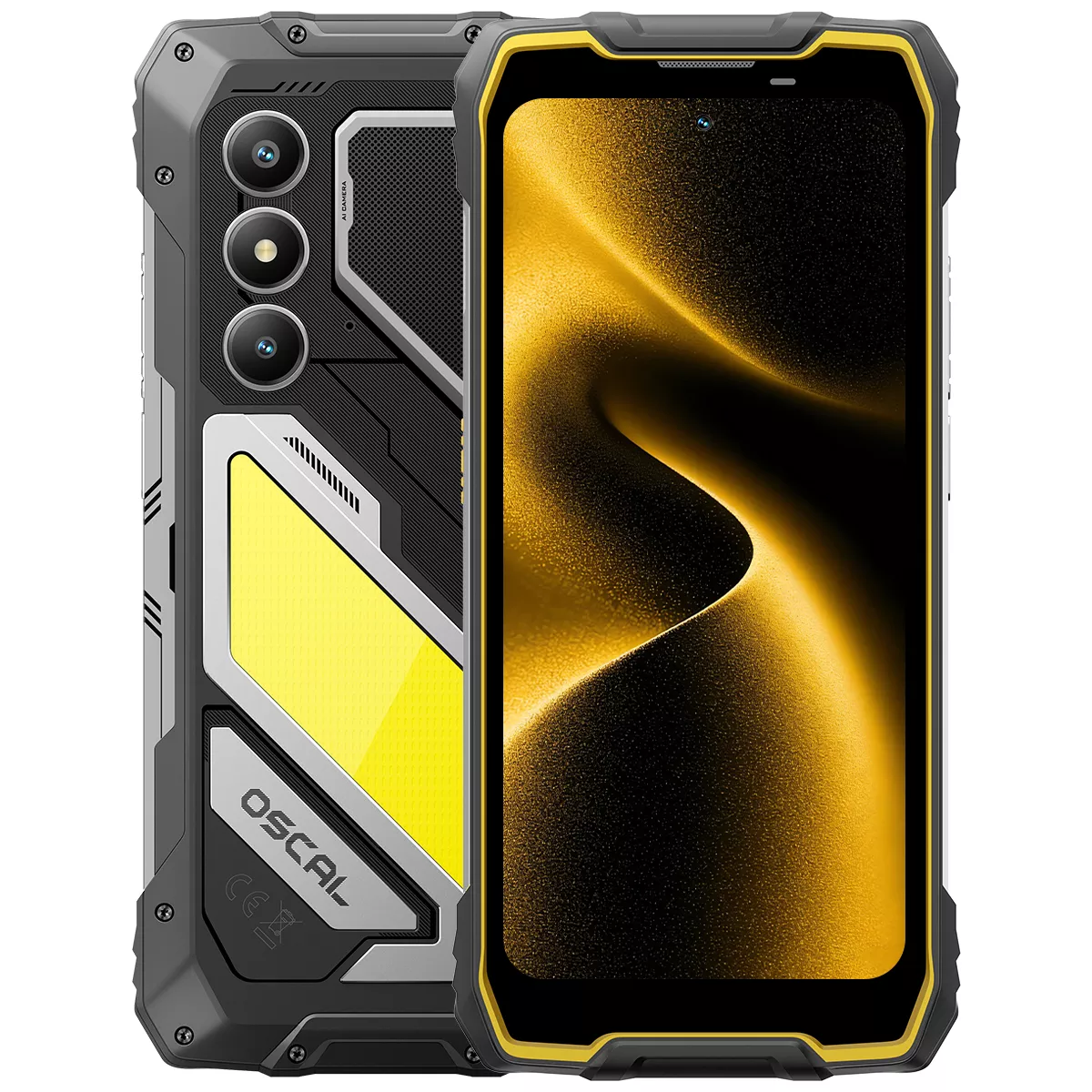
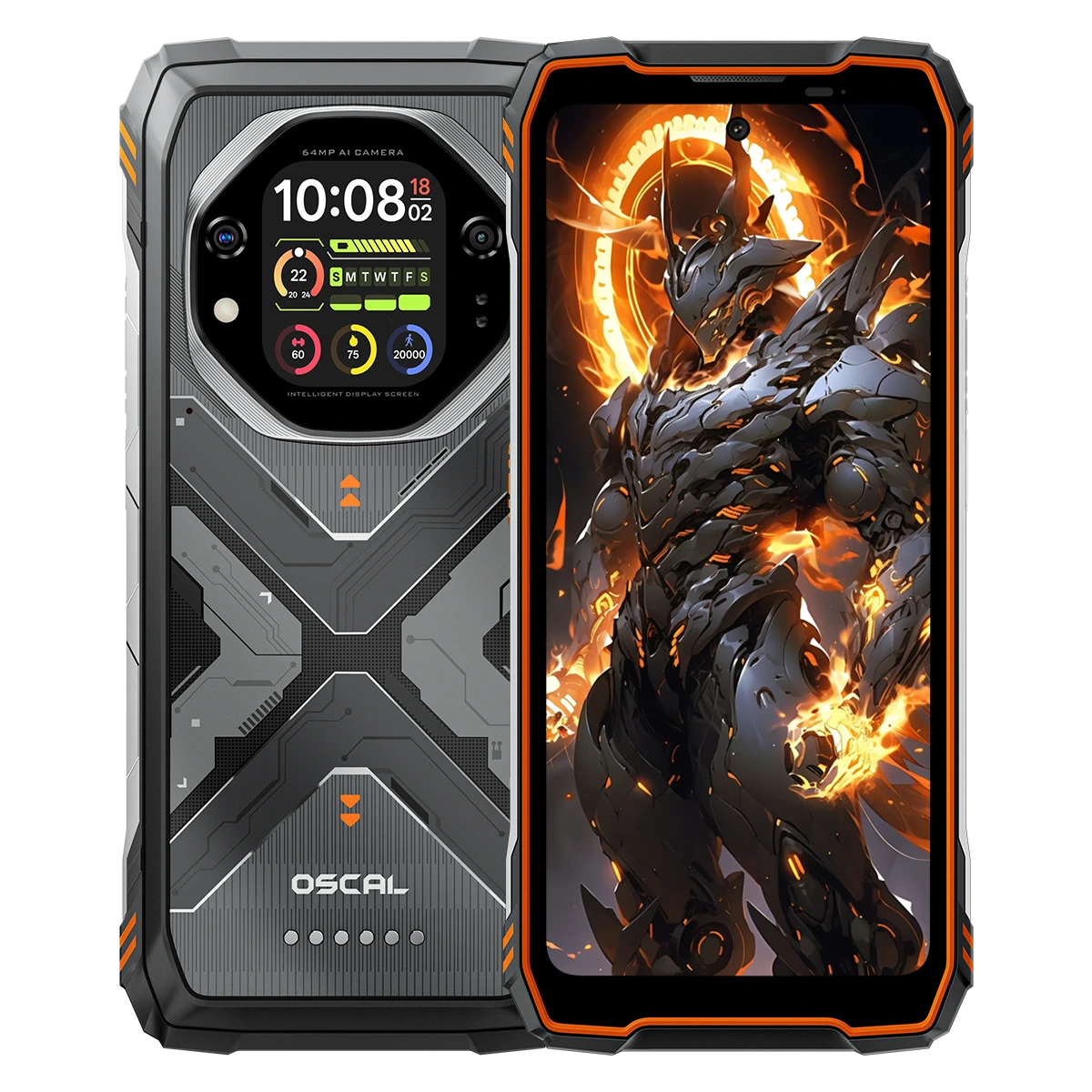
Thermal imaging technology has become increasingly popular among homeowners, outdoor enthusiasts, technicians, security professionals, and mobile device users. Whether you already own a thermal imaging smartphone, a handheld thermal camera, or you are planning to buy one, understanding what thermal imaging actually detects is essential. Unlike traditional cameras that rely on visible light, thermal imaging devices capture infrared radiation, allowing users to “see” heat differences that are invisible to the human eye.
- Read also: Can thermal imaging detect moisture?
- Can thermal imaging see through clothes?
- Can a Thermal Camera Detect Hidden Cameras?
For beginners, thermal imaging may seem complicated at first, but the concept is surprisingly practical. Every object with a temperature above absolute zero emits infrared energy. Thermal imaging sensors detect these heat emissions and convert them into visual images using color palettes. Warmer areas may appear red, orange, yellow, or white, while cooler areas often appear blue, purple, or black. This ability makes thermal imaging useful in countless situations, from identifying electrical faults to finding animals in the dark.
How thermal imaging works
Thermal imaging devices use infrared sensors to detect temperature differences on surfaces. Instead of relying on light like standard cameras, thermal cameras measure heat energy. The device processes this information and displays it as a thermal image called a thermogram.
Modern thermal imaging smartphones and dedicated thermal cameras can display temperature readings in real time. Some advanced devices also allow users to:
- Measure exact temperature points
- Record thermal videos
- Capture photos with visible-light overlays
- Track temperature changes over time
- Set high-temperature alarms
- Use multiple color palettes for analysis
This makes thermal imaging accessible not only to professionals but also to everyday users.
Detecting heat loss in buildings
One of the most common uses of thermal imaging is identifying heat loss in homes and buildings. Thermal cameras can reveal where warm air escapes during winter or where heat enters during summer. This helps homeowners improve insulation and reduce energy costs.
Examples of what thermal imaging can detect in buildings include:
- Poor insulation in walls and ceilings
- Air leaks around windows and doors
- Drafts from ventilation systems
- Hidden moisture that affects insulation performance
- Cold spots caused by structural issues
For example, if a wall section appears cooler than surrounding areas, it may indicate missing insulation. Similarly, a bright hot area near a window frame could suggest heat leakage.
Finding electrical problems
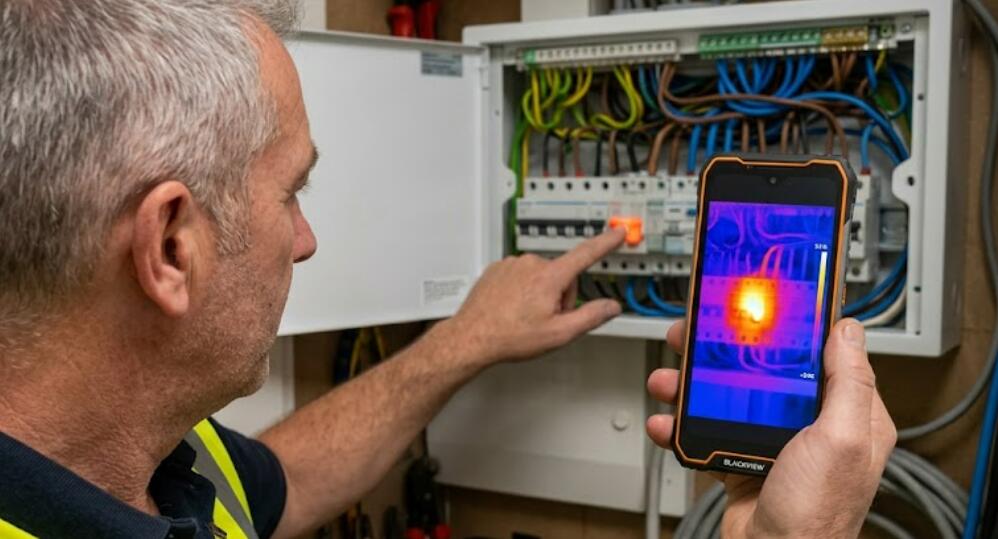
Thermal imaging is widely used in electrical inspections because overheating components often signal dangerous problems. A thermal camera can detect abnormal heat patterns before visible damage occurs.
Common electrical issues detected with thermal imaging include:
- Overloaded circuits
- Loose electrical connections
- Overheating breakers
- Faulty wiring
- Failing batteries
- Hot electrical panels
For DIY users and technicians, thermal imaging provides an extra layer of safety. Instead of touching suspicious equipment, users can inspect components from a safe distance.
Locating water leaks and moisture
Although thermal cameras do not directly “see” water, they can detect temperature differences caused by moisture. Wet materials often cool differently compared to dry surfaces, making leaks easier to identify.
Thermal imaging can help locate:
- Hidden plumbing leaks
- Roof leaks
- Moisture behind walls
- Water-damaged ceilings
- Floor heating leaks
This is especially useful because many leaks remain invisible until major damage occurs. Early detection can prevent mold growth and expensive repairs.
Detecting people and animals
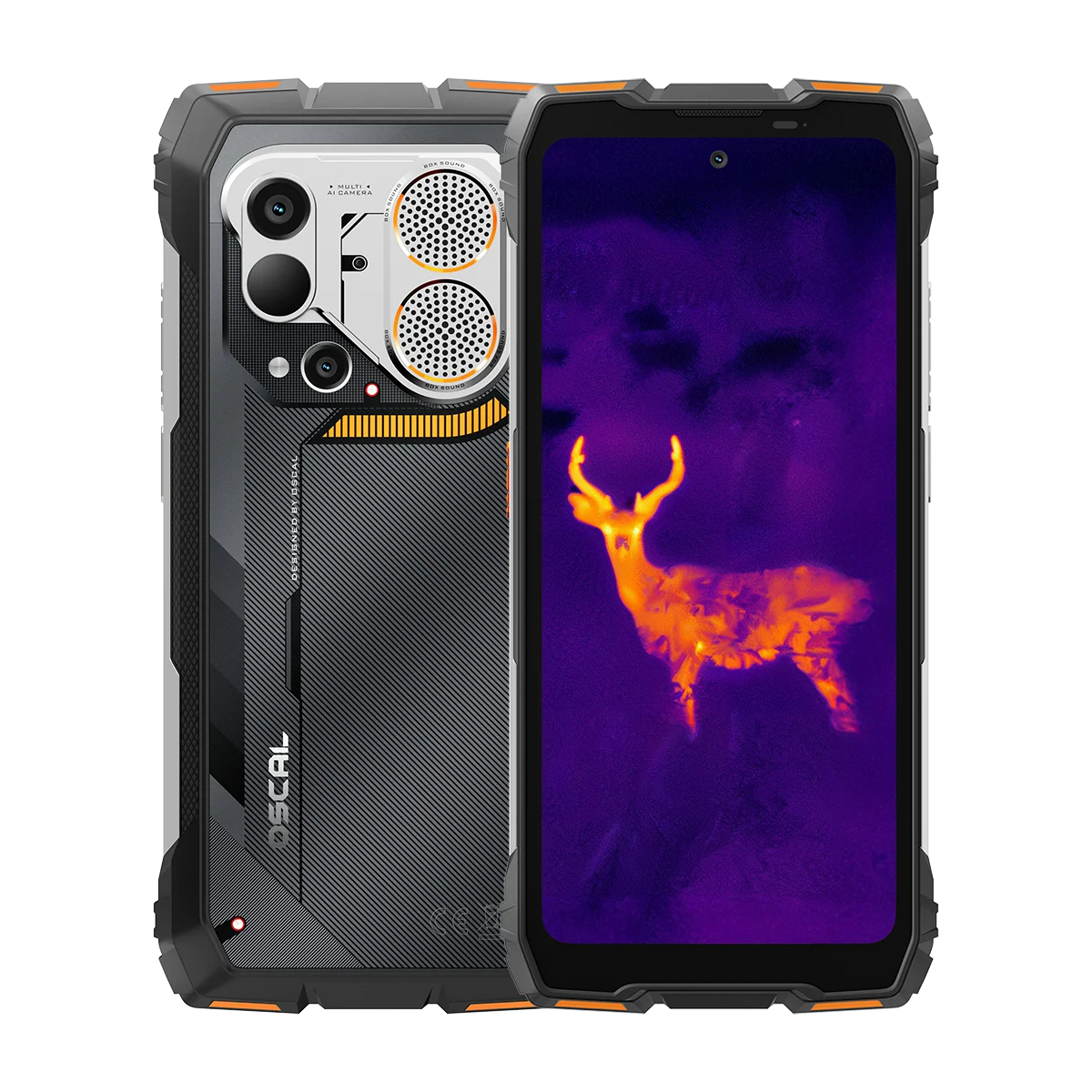
One of the most impressive features of thermal imaging is its ability to detect living beings in darkness or difficult environments. Humans and animals naturally emit body heat, making them stand out clearly in thermal images.
Examples include:
- Finding people at night
- Wildlife observation
- Search and rescue operations
- Security monitoring
- Detecting pets hiding in dark areas
- Hunting applications where legal
Thermal imaging is especially effective in complete darkness because it does not require visible light. Fog, smoke, and light vegetation may also be easier to see through compared to standard cameras.
Using thermal imaging in automotive diagnostics
Vehicle owners and mechanics increasingly use thermal cameras to identify automotive issues. Heat patterns can quickly reveal problems that may otherwise require lengthy inspections.
Thermal imaging can detect:
- Overheating engines
- Brake problems
- Uneven tire temperatures
- Battery overheating
- Cooling system faults
- Exhaust leaks
For example, if one brake rotor appears much hotter than others, it could indicate a stuck brake caliper. This makes troubleshooting faster and more efficient.
Industrial and mechanical inspections
Factories and maintenance teams rely heavily on thermal imaging for predictive maintenance. Detecting heat abnormalities early helps avoid equipment failures and costly downtime.
Industrial thermal inspections commonly involve:
- Motors and pumps
- Conveyor systems
- Bearings
- Transformers
- Boilers
- Industrial pipelines
Components operating outside normal temperature ranges often indicate wear, friction, or electrical inefficiency.
Medical and health-related uses
Thermal imaging also has medical and wellness applications. While it is not a replacement for professional diagnosis, it can show temperature differences associated with circulation or inflammation.
Some examples include:
- Monitoring muscle inflammation
- Checking skin temperature changes
- Sports recovery analysis
- Fever screening
- Circulation observation
During health screenings, thermal imaging can identify unusual heat patterns that may require further examination.
Firefighting and emergency response
Firefighters often use thermal imaging cameras to improve visibility in smoke-filled environments. Thermal imaging helps emergency responders locate people, identify hotspots, and assess dangerous situations more safely.
Thermal cameras can help detect:
- Hidden fire hotspots behind walls
- People trapped in smoke
- Overheated gas cylinders
- Electrical fire sources
- Structural heat buildup
This technology has become an important safety tool in emergency situations.
What thermal imaging cannot detect
Although thermal imaging is powerful, it also has limitations. Beginners sometimes misunderstand what thermal cameras are capable of seeing.
Thermal imaging generally cannot:
- See through walls like X-rays
- See through glass clearly
- Detect exact object details in all conditions
- Identify emotions or thoughts
- Replace professional diagnostic tools entirely
For example, when pointing a thermal camera at a window, users usually see reflected heat instead of objects behind the glass. Understanding these limitations helps users get more accurate results.
Choosing the right thermal imaging device
If you are planning to buy a thermal imaging smartphone or camera, several features are worth considering:
- Thermal resolution
- Temperature range
- Refresh rate
- Battery life
- Image blending features
- Software compatibility
- Durability and waterproofing
Higher thermal resolution generally provides clearer and more detailed images. Beginners may prefer compact thermal smartphones because they combine convenience with portability, while professionals often choose dedicated thermal cameras for advanced analysis.
Tips for beginners using thermal imaging
Learning to interpret thermal images takes practice. Surface materials, weather conditions, and reflections can all affect results. Beginners should start with simple experiments around the home to better understand heat patterns.
- Compare indoor and outdoor walls
- Inspect electronic devices while charging
- Check air vents and windows
- Observe pets or people in darkness
- Monitor kitchen appliances during use
By regularly using the device, users become more skilled at recognizing normal and abnormal temperature patterns.
Thermal imaging is one of the most practical technologies available for both professionals and everyday consumers. From detecting heat loss and electrical faults to locating people in darkness, thermal imaging provides valuable information that standard cameras cannot capture. As thermal imaging smartphones and portable devices become more affordable, more users are discovering how useful this technology can be in daily life.
Whether you already own a thermal imaging device or are considering purchasing one, understanding what thermal imaging detects will help you use the technology more effectively. With the right knowledge and practice, thermal imaging can become an essential tool for safety, maintenance, energy savings, outdoor activities, and problem-solving across many different environments.