


























 (1)-20251204034946188.jpg)




























Welcome to OSCAL (Well-known Chinese brand of outdoor smartphone, Android tablet, and portable power station) blog. Hope this guide has been helpful.
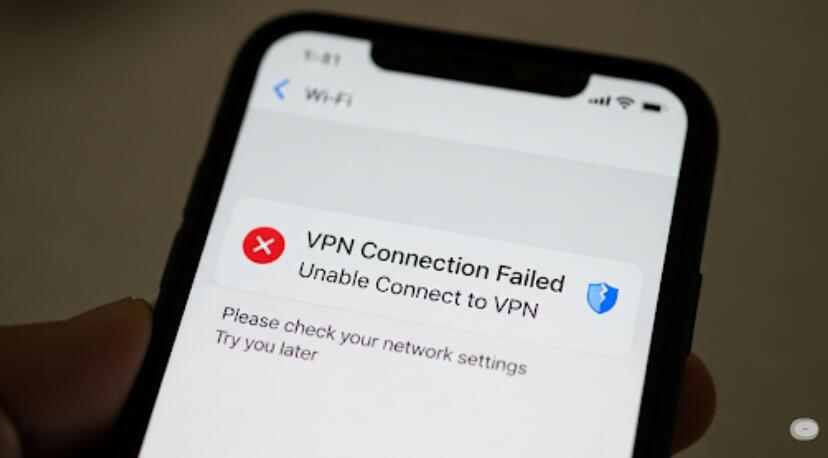
Virtual Private Network (VPN) apps are widely used to improve online privacy, secure internet connections, and bypass geographic restrictions. Millions of users trust VPN services to protect sensitive information while browsing, working remotely, or using public Wi-Fi networks. However, many people wonder whether the very tool designed to protect privacy could also become a source of privacy risks. Understanding how VPN apps handle data is essential before choosing a provider.

- Read also: Do VPNs improve internet speed?
- Will my phone get hacked while using a VPN?
- Is it safe to use VPN for online banking?
A VPN works by routing your internet traffic through its own servers, which means the provider may have access to certain information about your online activity. While reputable VPN companies implement strict privacy policies and security measures, not every VPN service operates with the same level of transparency. Some free or poorly managed VPN apps have been criticized for collecting excessive user data, displaying intrusive advertisements, or sharing information with third parties.
How VPN Apps Access Your Data
When you connect to a VPN, your internet traffic passes through the VPN provider's infrastructure. Depending on the service, the provider may be able to see connection details such as:
- Your IP address before connecting to the VPN.
- Connection timestamps and session duration.
- Device information and operating system details.
- Bandwidth usage statistics.
Trusted VPN providers typically minimize data collection and clearly explain what information is stored. However, less reputable services may collect more data than necessary.
Can a VPN Actually Steal Your Data?
In theory, a malicious VPN app could collect personal information and misuse it. Since VPN providers handle your internet traffic, they occupy a position of trust. If a company intentionally gathers browsing data, login credentials, or personal details without proper disclosure, it could compromise user privacy.
Data theft is more likely to occur with unverified VPN applications, especially free services that rely on advertising revenue or unclear business models. Some apps may track user behavior, sell analytics data, or include hidden software components that collect information beyond what users expect.
Warning Signs of an Unsafe VPN
Before installing a VPN, look for these potential red flags:
- Vague or missing privacy policies.
- No information about company ownership.
- Requests for unnecessary device permissions.
- Poor user reviews mentioning privacy concerns.
- Excessive advertising within the application.
- Unclear statements about logging practices.
If a VPN provider cannot clearly explain how it handles user information, it may not deserve your trust.
How to Choose a Safe VPN
Selecting a trustworthy VPN significantly reduces privacy risks. Consider the following factors when evaluating a service:
- Read the privacy policy carefully.
- Look for independent security audits.
- Research the company's reputation and history.
- Check whether the provider follows a no-logs policy.
- Use VPNs with strong encryption standards.
- Download apps only from official sources.
Paid VPN services often invest more resources into security, infrastructure, and customer support than many free alternatives. While a paid subscription does not automatically guarantee safety, it may indicate a more sustainable business model.
Protecting Yourself Beyond a VPN
A VPN should be only one part of a broader online security strategy. Users should also enable multi-factor authentication, keep devices updated, use strong passwords, and avoid suspicious downloads. Even the best VPN cannot protect against every cyber threat.
It is important to remember that a VPN shifts trust from your internet service provider to the VPN provider. The goal is to choose a company that is transparent, reputable, and committed to protecting user privacy.
VPN apps are not inherently dangerous, and many legitimate providers work hard to safeguard customer information. However, because VPN services handle sensitive internet traffic, users should carefully evaluate any provider before installing its software.
By researching privacy policies, reviewing security practices, and avoiding questionable free services, you can reduce the risk of data misuse and enjoy the privacy benefits that a trustworthy VPN is intended to provide.