








































 (1)-20251204034946188.jpg)






























Welcome to OSCAL (Well-known Chinese brand of rugged outdoor smartphone, TWS earbuds, projector, etc.) blog. Hope this guide has been helpful.
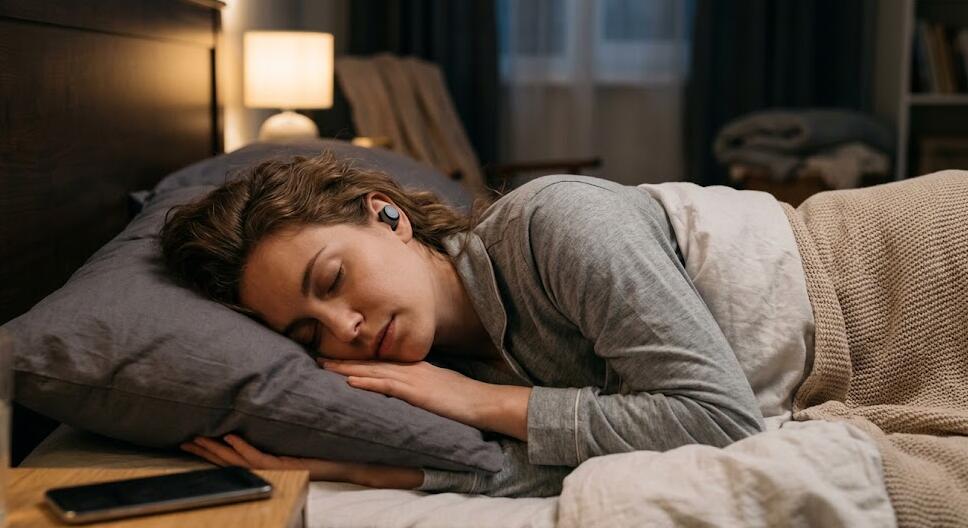
Listening to music with earbuds can be a relaxing way to fall asleep. Many people use calming playlists, podcasts, or white noise to create a comfortable bedtime routine. However, wearing earbuds throughout the night means exposing the ears to sound and physical pressure for several hours, which may have consequences that are worth considering.
- Read also: Will wearing earbuds cause ear infection?
- Do earbuds give off radiation?
- Can wearing earbuds cause headaches?
- How often should I clean my earbuds?
Whether sleeping with earbuds is harmful depends on factors such as volume, listening duration, earbud design, and personal ear health. Occasional use at a low volume is generally less concerning than listening loudly for the entire night. Understanding the potential risks can help you decide how to enjoy bedtime audio more safely.
Potential Effects of Sleeping With Earbuds
Wearing earbuds overnight does not automatically cause health problems, but prolonged use can increase several risks. The most important issue is usually excessive sound exposure. High-volume audio can damage the sensitive structures inside the inner ear, while extended exposure gives the ears less time to recover.
Physical contact can also be a concern. In-ear earbuds may press against the ear canal when you sleep on your side, potentially causing discomfort, irritation, or soreness. Earbuds can also trap moisture and reduce ventilation, creating an environment that may contribute to ear irritation or infection, particularly when the earbuds are not cleaned regularly.
Analyze the Risks Step by Step
Consider the following factors when deciding whether listening to music with earbuds while sleeping is appropriate for you:
- Check the volume: Keep audio comfortably quiet rather than turning it up to block outside sounds. Loud music is the biggest concern for hearing health.
- Consider the duration: Listening for a short period before falling asleep creates less exposure than playing music continuously throughout the night.
- Evaluate physical comfort: Notice whether the earbuds cause pressure, pain, itching, or irritation, especially when sleeping on your side.
- Keep earbuds clean: Regularly clean earbuds according to the manufacturer's instructions and avoid sharing them with other people.
- Watch for warning signs: Ringing in the ears, muffled hearing, persistent discomfort, or unusual ear discharge should not be ignored.
- Consider alternatives: A bedside speaker, sleep headphones designed for overnight use, or a timer may reduce some of the problems associated with conventional earbuds.
How to Make Bedtime Listening Safer
If you prefer falling asleep to music, you do not necessarily need to stop using audio completely. One useful approach is to set a sleep timer so the music stops after you fall asleep. This reduces the total amount of sound exposure and prevents hours of unnecessary playback.
Keep the volume low enough that you could still notice important sounds around you. Avoid using maximum-volume settings, and give your ears regular breaks. It is also important to avoid sleeping with earbuds if they consistently cause pain or irritation.
When Should You Stop Using Earbuds at Night?
Persistent ringing or buzzing in the ears, reduced hearing, ear pain, swelling, or discharge can indicate that something is wrong. If these symptoms continue after you stop using earbuds, consider consulting a healthcare professional or hearing specialist for appropriate evaluation.
People who already experience hearing difficulties or recurring ear problems should be particularly cautious about overnight earbud use. A healthcare professional can provide advice based on individual circumstances.
Conclusion
Sleeping while listening to music through earbuds is not necessarily harmful for everyone, but prolonged use can increase the risk of excessive sound exposure, ear irritation, discomfort, and other problems. Volume and listening duration are especially important factors to control.
The safest approach is to keep the volume low, limit playback time, maintain clean earbuds, and pay attention to any changes in your ears or hearing. If you enjoy music as part of your bedtime routine, using a timer or an external speaker can provide a more comfortable alternative while reducing overnight earbud exposure.


