
















 (1)-20251204034946188.jpg)




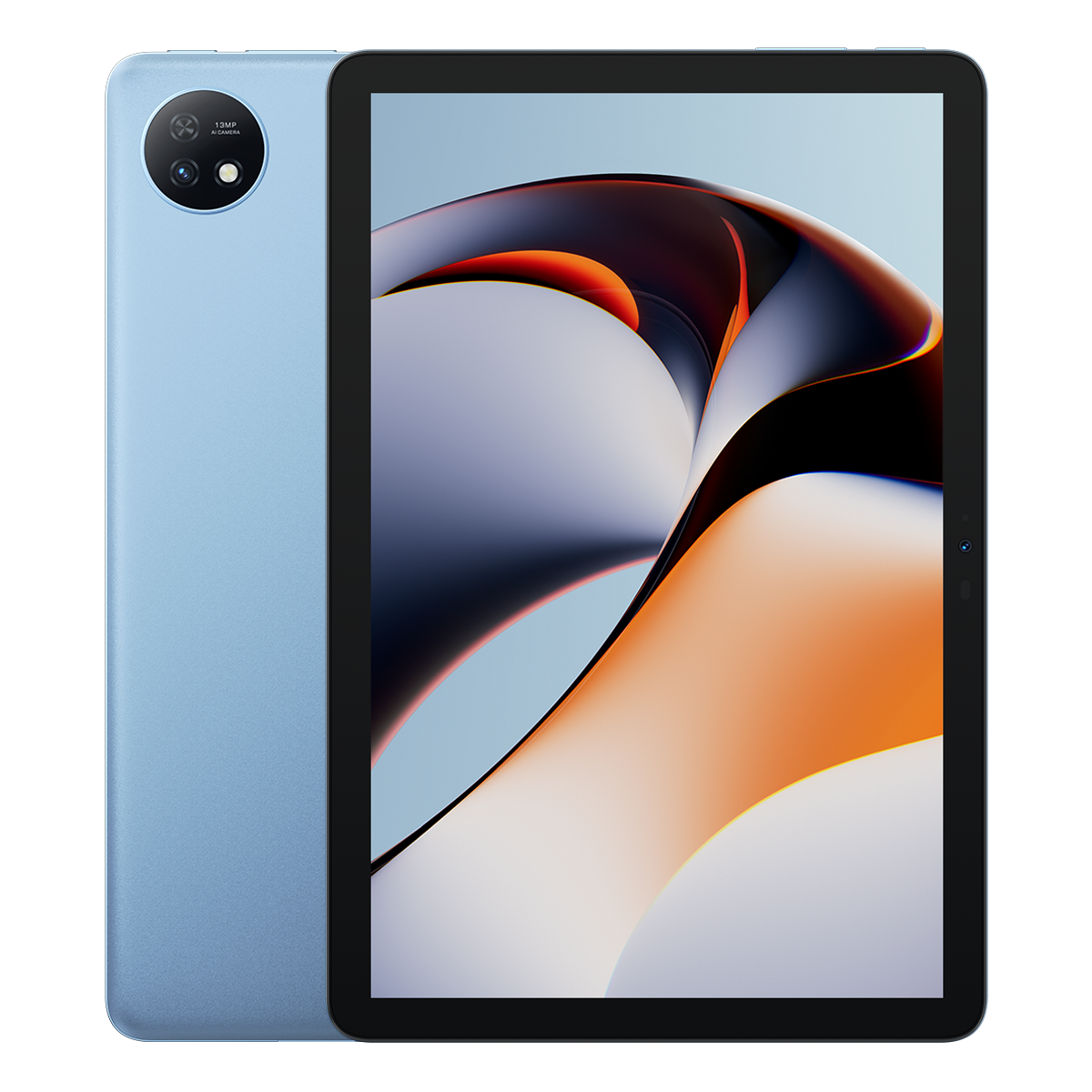

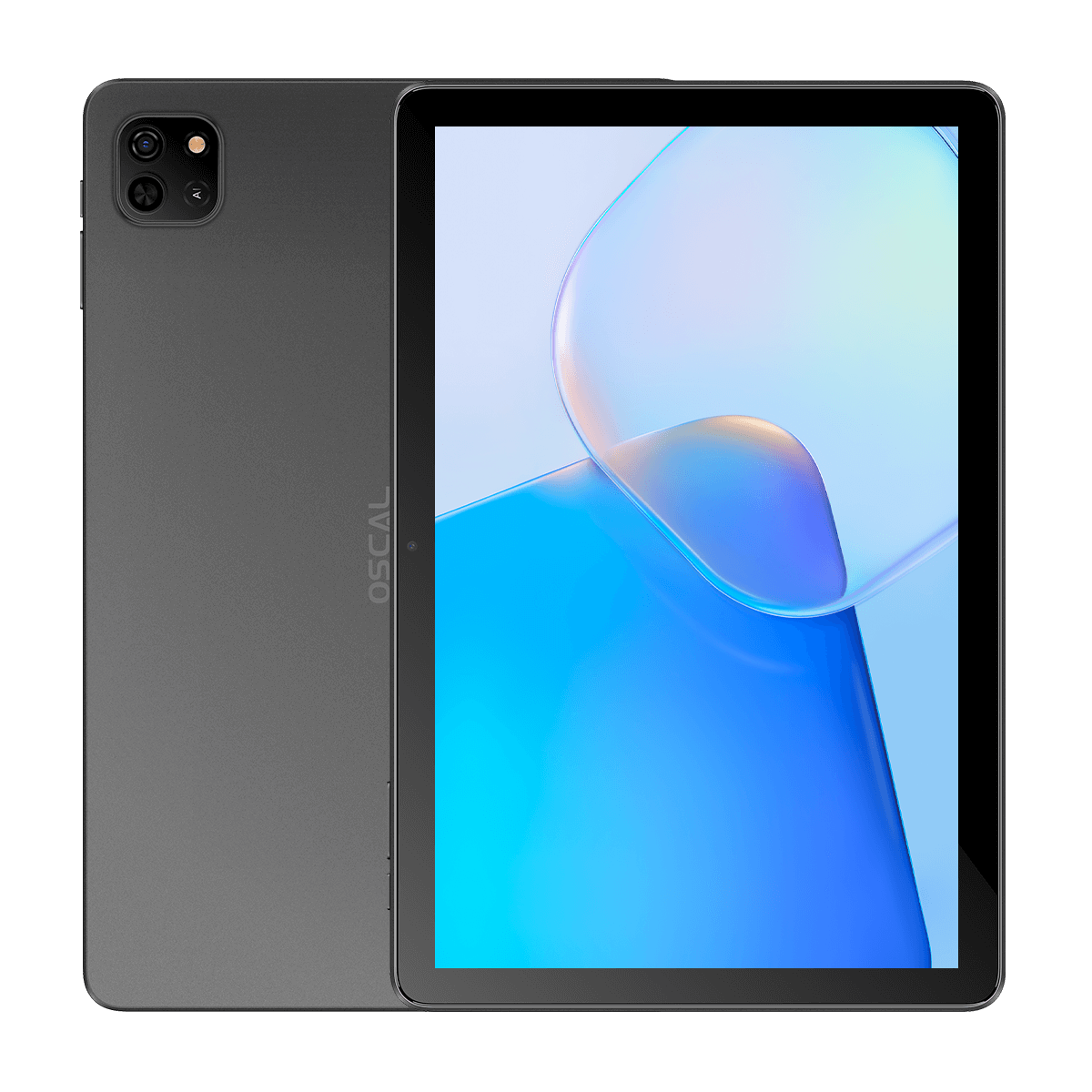
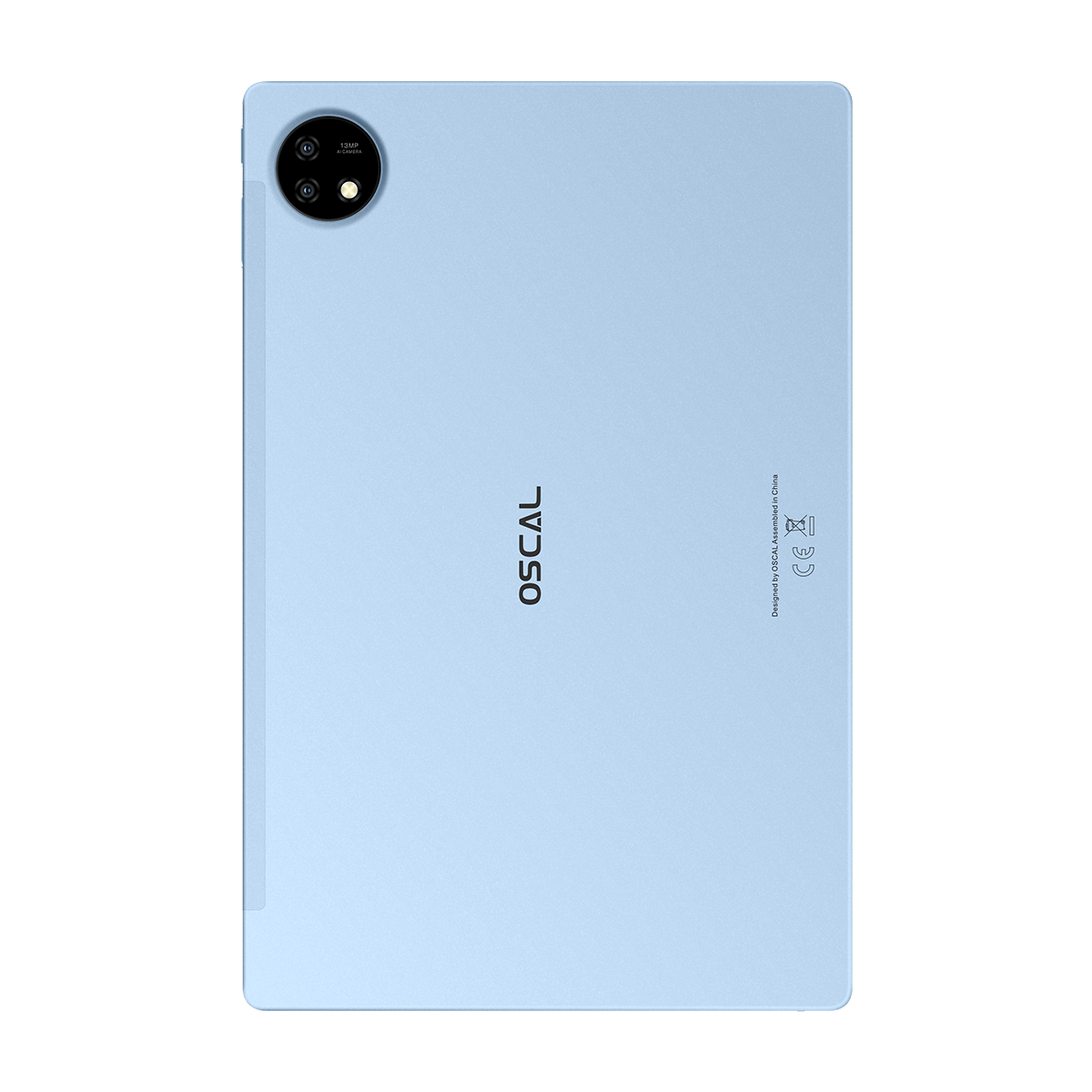









Welcome to OSCAL (Well-known China brand of Android tablet, rugged phone, and portable power station) blog. Hope this guide has been helpful.
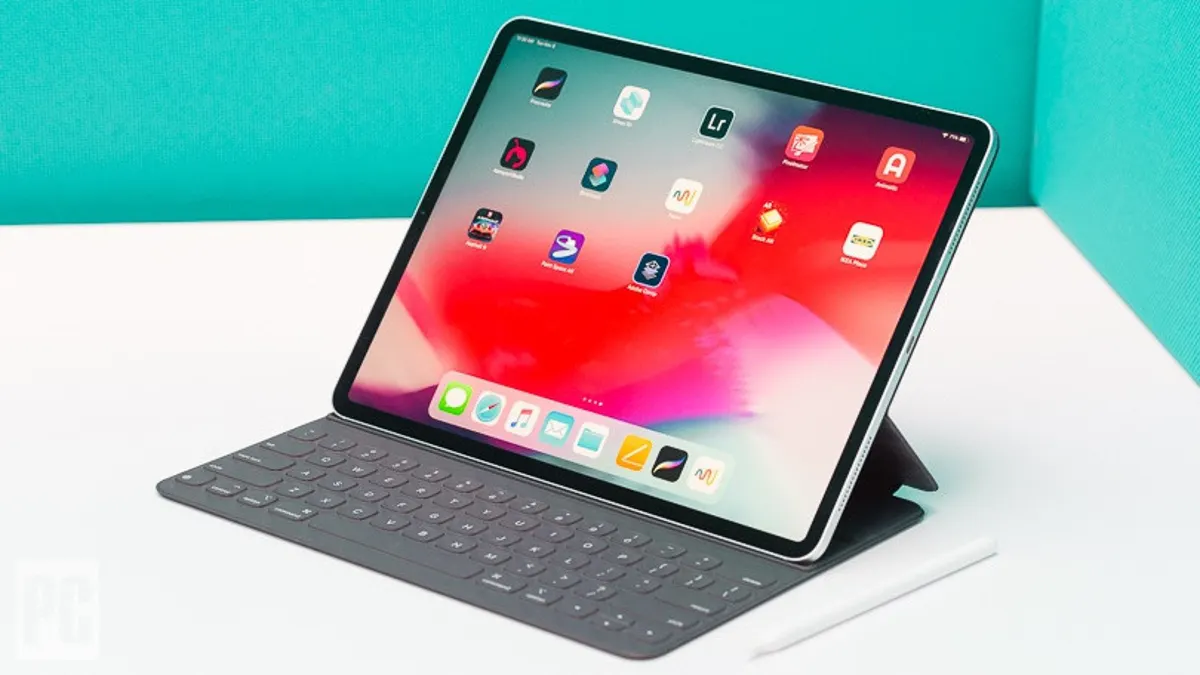
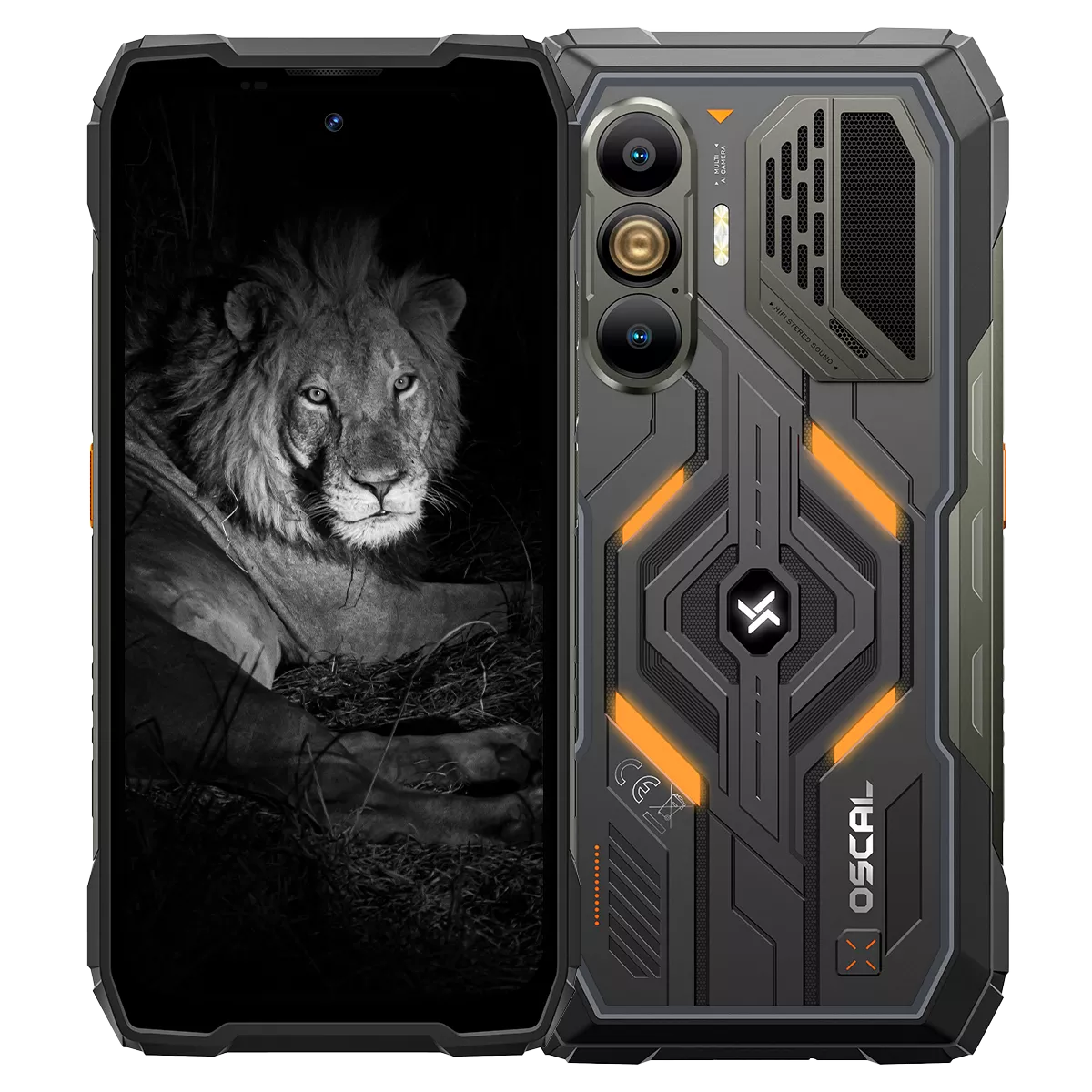
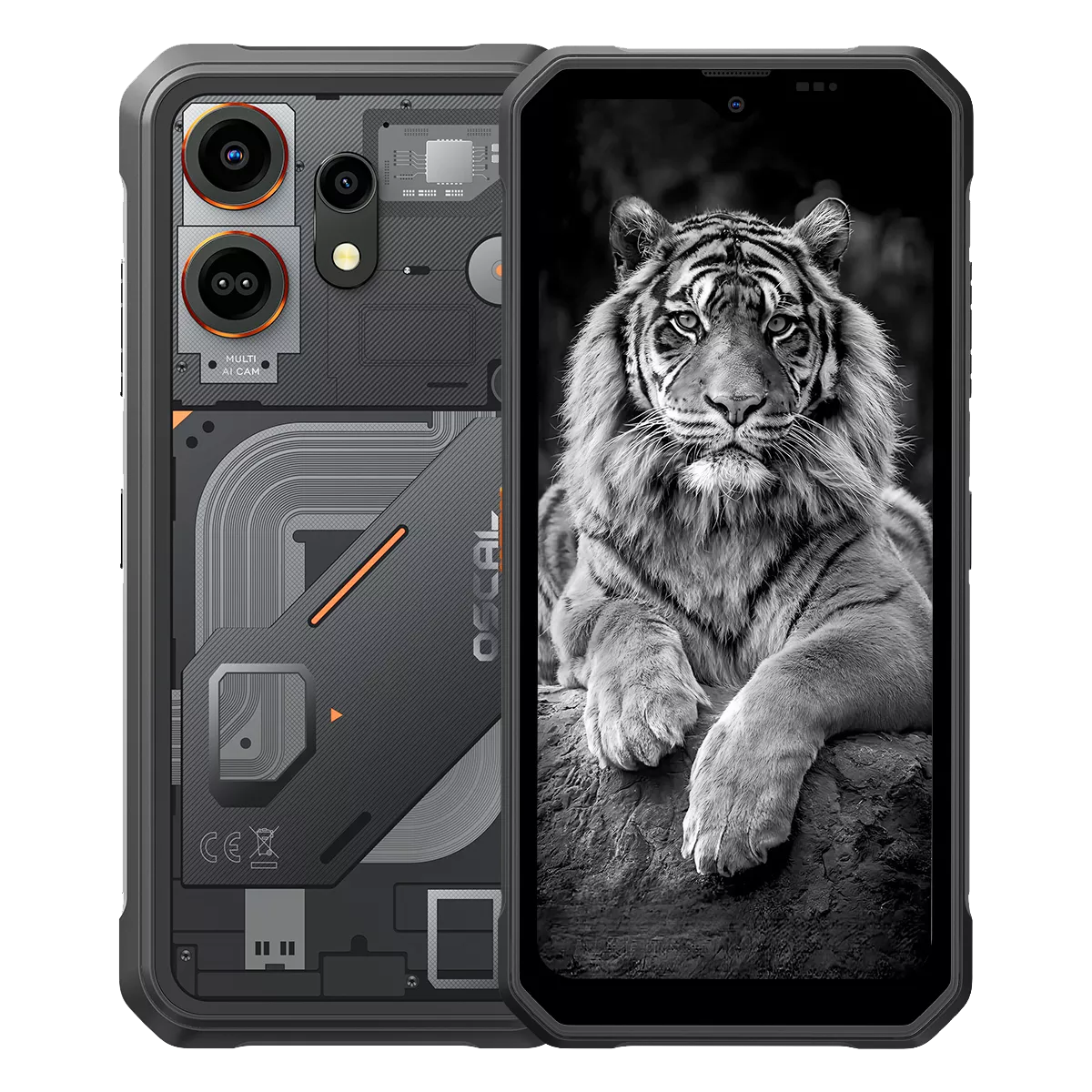
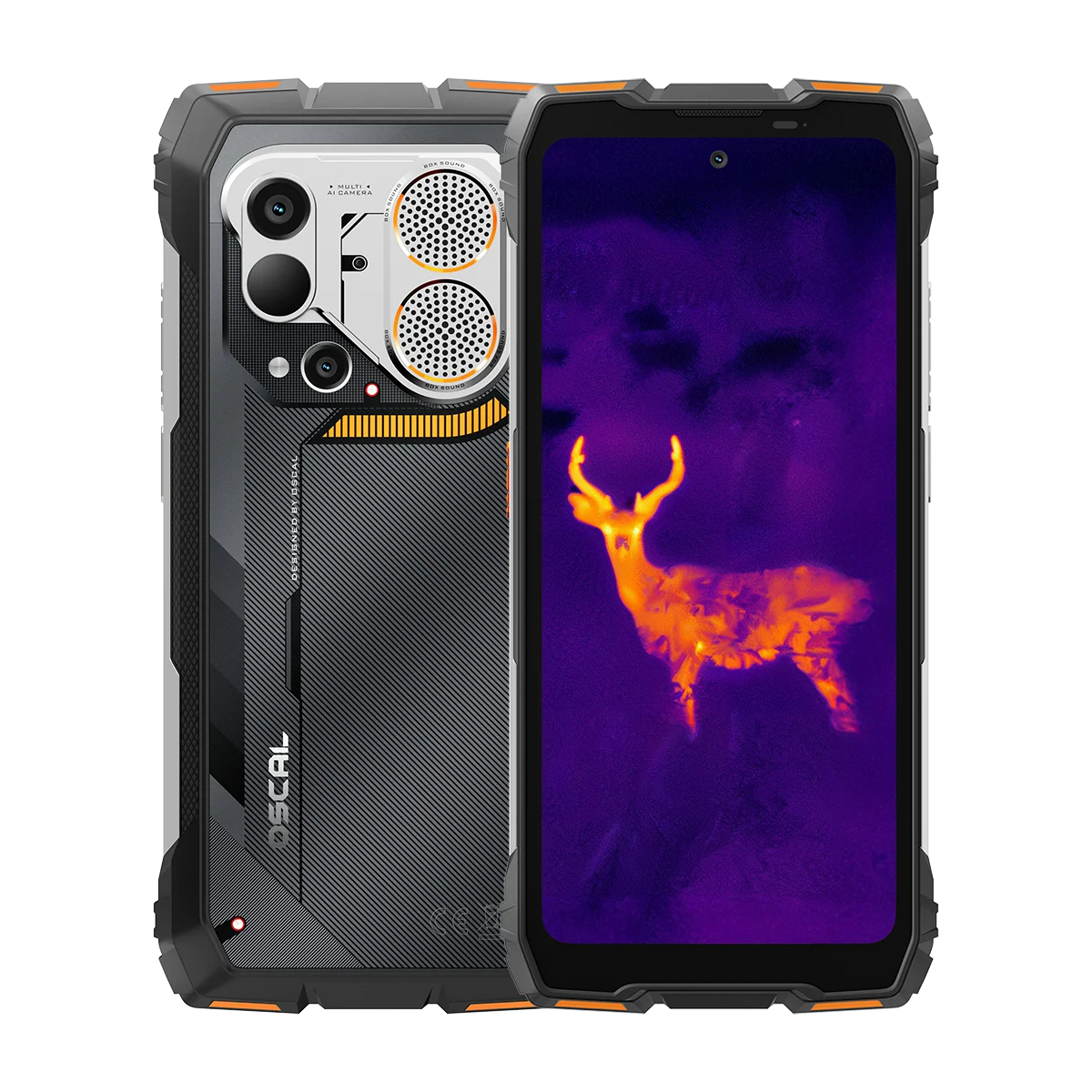
Using the right charger for your phone is a common concern, especially when you have multiple devices at home. Many people wonder whether it is safe or practical to use a tablet charger to power up a smartphone. Since chargers often look similar, the confusion is understandable.
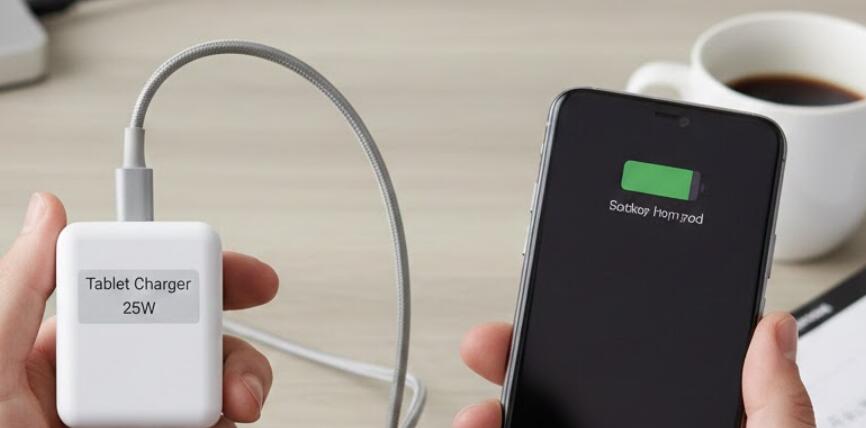
This guide explains how tablet chargers and phone chargers differ, what happens when you mix them, and how to do it safely. By understanding a few basic principles about charging technology, you can make better decisions and avoid damaging your devices.
Understanding charger basics
Chargers are defined mainly by two electrical characteristics: voltage (V) and current (measured in amperes, A). Most modern phones and tablets use a standard voltage, typically around 5V, while newer fast-charging standards can increase voltage dynamically. The current rating indicates how much power the charger can deliver.
A tablet charger usually provides a higher current than a phone charger. For example, a phone charger might supply 1–2A, while a tablet charger could offer 2–3A or more. This does not mean it “forces” extra power into your phone. Instead, your phone draws only the amount of current it needs.
Is it safe to use a tablet charger?
In most cases, yes. If the charger and cable are from reputable manufacturers and support common standards like USB-A or USB-C, using a tablet charger for your phone is generally safe. Modern smartphones include internal charging circuits that regulate how much power they accept.
However, safety also depends on charger quality. Cheap or uncertified chargers may have poor voltage regulation, which can lead to overheating or long-term battery damage. Always check for safety certifications and avoid damaged cables.
Benefits and potential drawbacks
There are some clear advantages to using a tablet charger with your phone:
- Faster charging compared to low-power phone chargers
- Convenience when you want to carry fewer chargers
- Better compatibility with fast-charging protocols
On the other hand, there are a few things to keep in mind. Using a powerful charger can generate more heat, especially if the phone is in a case or placed on a soft surface. Heat is one of the main factors that contributes to battery aging over time.
Best practices for charging
To get the best results, use high-quality cables that match the charger’s output. If your phone supports fast charging, make sure the charger supports the same standard. It is also wise to unplug the phone once it reaches 100%, particularly when using higher-wattage chargers.
Charging overnight with a tablet charger is usually fine, but keeping the phone cool and well-ventilated helps preserve battery health. Avoid placing it under pillows or blankets while charging.
Final thoughts
So, can you use a tablet charger for your phone? For most modern devices, the answer is yes. Phones are designed to manage incoming power safely, and a tablet charger will not overload them under normal conditions.
As long as you use certified accessories and pay attention to heat and cable quality, a tablet charger can be a convenient and efficient option. Understanding how charging works allows you to protect your battery and enjoy reliable performance every day.