

































 (1)-20251204034946188.jpg)
























Welcome to OSCAL (Well-known brand of rugged smartphone, tablet, and portable power station) blog. Hope this guide has been helpful.
Android 11 was a major release that introduced important features such as improved privacy controls, better conversation notifications, and enhanced device management. Because millions of devices around the world still run this version, many users continue to ask when Google officially stops supporting Android 11 and what that means for security and usability.
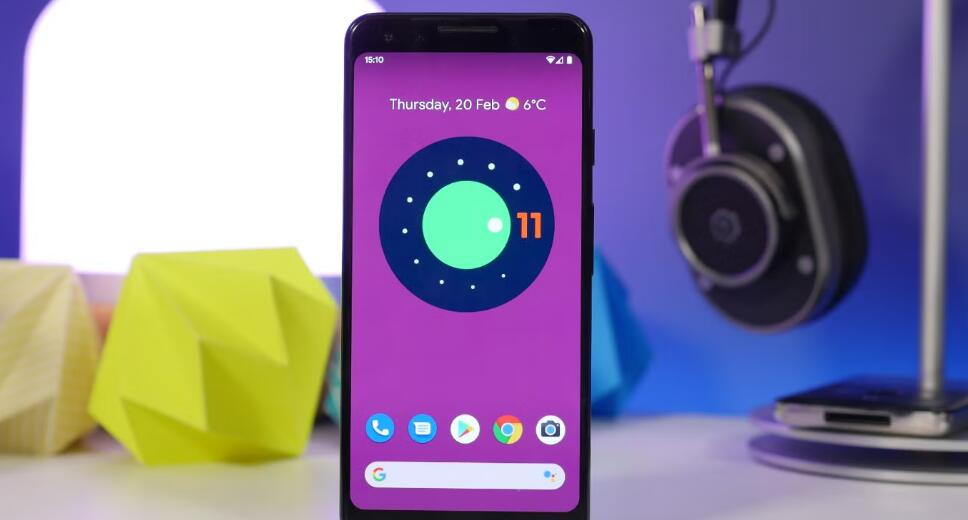
Understanding Google’s support timeline is essential for making informed decisions about software updates, device replacements, and data protection. This guide explains when Android 11 support ended, what “no longer supported” really means, and what steps users and businesses should consider next.
What does “Google support” mean for Android?
When Google supports an Android version, it mainly provides monthly security patches and vulnerability fixes through the Android Security Bulletin. These updates protect devices from newly discovered threats. Support does not usually include new features, which are reserved for newer Android versions.
It is also important to note that Google’s support applies to the core Android platform. Device manufacturers such as Samsung, Xiaomi, or OnePlus may extend support independently by backporting security fixes to their own customized versions of Android.
Android 11 support timeline
Android 11 was officially released in September 2020. Google typically maintains security updates for an Android version for about three years. Following this pattern, Android 11 reached the end of its official security update lifecycle in late 2023.
- September 2020: Android 11 officially released
- 2020–2023: Regular monthly security patches from Google
- October 2023: Last official Android 11 security updates from Google
After this point, Google no longer publishes security patches specifically for Android 11, meaning newly discovered vulnerabilities may remain unpatched at the platform level.
What happens after support ends?
Once Google ends support, devices running Android 11 do not suddenly stop working. Apps, calls, and daily functions usually continue as normal. However, the lack of security updates increases long-term risk, especially for devices used for banking, work, or sensitive communications.
Some app developers may also gradually drop compatibility with Android 11, focusing instead on newer versions. Over time, this can lead to fewer app updates and reduced functionality.
What should users do next?
If your device is still on Android 11, the best option is to check whether an upgrade to Android 12 or later is available. If updates are no longer offered by the manufacturer, users should be more cautious about installing unknown apps and connecting to unsecured networks.
For businesses and security-conscious users, planning a device upgrade is strongly recommended. Moving to a supported Android version ensures continued protection, better app compatibility, and access to modern features.
In summary, Google officially stopped supporting Android 11 with security updates in late 2023. While devices can still function, they no longer receive critical protections from newly discovered threats.
Staying informed about Android support timelines helps users protect their data and plan upgrades wisely. If security and reliability matter to you, upgrading to the latest Android version is the safest long-term choice. Related guide: Should I upgrade my phone to Android 16?


