



























 (1)-20251204034946188.jpg)














Welcome to OSCAL (Well-known Chinese brand of Android tablets, rugged smartphones, and portable power stations) blog. Hope this guide has been helpful.
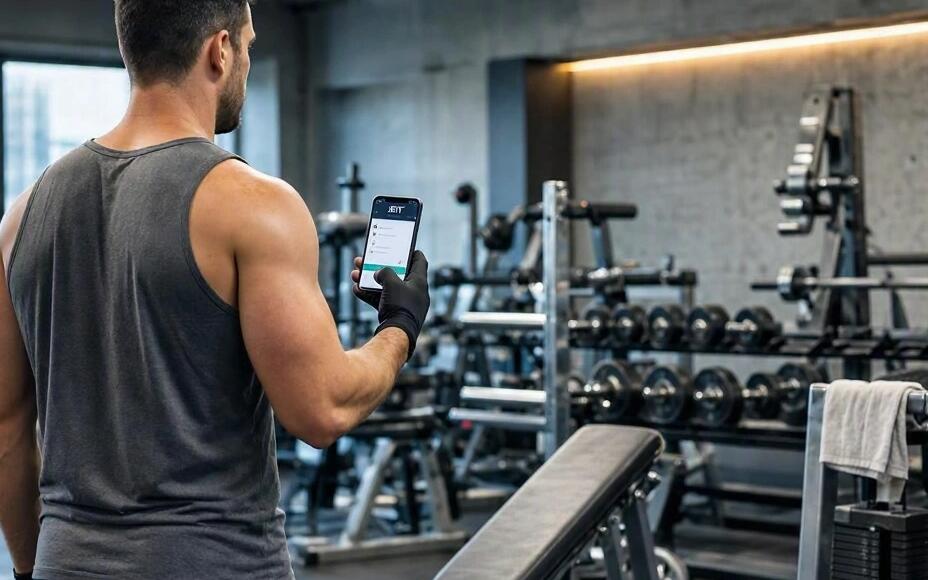
Tracking your gym workouts is one of the easiest ways to make your fitness routine more organized, measurable, and effective. Whether you want to build muscle, increase strength, lose weight, or simply stay active, a workout tracker can help you record exercises, monitor sets and repetitions, track weights, and review your progress over time. Instead of relying on memory or writing everything down in a notebook, you can use your smartphone to keep your training information in one convenient place.
- Read also: 6 best running apps for beginners (Android/iOS)
- 8 best video editing apps for Android
- Top 6 free music apps for Android
- Best Australian Weather Apps for Android/iOS
- How to stop ads on Android phone?
Fortunately, you do not need to pay for an expensive subscription to start tracking your gym sessions. Many Android and iOS apps offer free versions with useful features for logging workouts, planning training routines, and monitoring performance. However, their exercise libraries, customization options, advertisements, and premium restrictions vary. This guide explores eight of the best free gym workout tracker apps to help you find the right option for your fitness goals, experience level, and preferred training style.
The 8 Best Free Gym Workout Tracker Apps
- Hevy – Best overall workout tracking experience
- Strong – Best for straightforward strength training logs
- JEFIT – Best for exercise variety and workout planning
- FitNotes – Best lightweight tracker for Android
- Boostcamp – Best for following structured workout programs
- Caliber – Best for guided strength training and fitness education
- Nike Training Club – Best for free guided workouts
- Gym Workout Planner & Tracker by Fitness22 – Best for guided gym routines and exercise logging
Note: Free features, subscription limits, app names, and platform availability can change. Some apps offer a genuinely useful free experience but reserve advanced analytics, unlimited routines, or personalized coaching for paid plans. Check the current listing in the Google Play Store or Apple App Store before downloading.
1. Hevy – Best Overall Workout Tracker
Hevy is a popular choice for gym-goers who want a clean interface and an easy way to record their training sessions. It is designed for strength training, making it suitable for beginners learning basic movements as well as experienced lifters who follow structured routines.
The app lets users record exercises, weights, sets, and repetitions while reviewing previous sessions. You can create workout routines, monitor personal records, and view progress through training statistics. Rest timers and exercise history can also make gym sessions easier to manage.
One of Hevy's biggest advantages is its straightforward design. Logging a set does not require navigating complicated menus, which is especially useful when you are training between sets. Its social features can also help users share routines and stay motivated.
- Best for: General gym training, bodybuilding, and strength development.
- Free version: Offers core workout logging and routine-building features, subject to current plan limits.
- Potential drawback: Some advanced features or expanded usage may require a subscription.
Choose Hevy if you want an accessible tracker that balances everyday convenience with useful training statistics.
2. Strong – Best for Simple Strength Training Logs
Strong is designed for people who want to track their gym sessions without unnecessary distractions. Its emphasis is on recording workouts efficiently rather than providing an extensive collection of guided fitness classes.
You can log exercises, sets, repetitions, and weights, then use your history to compare performance across sessions. The app supports custom routines and includes tools that help you manage rest periods and review strength progress. This makes it particularly useful for progressive overload, a training approach in which resistance or training demands gradually increase as your ability improves.
Strong works well for people who already understand their training plans and simply need a dependable digital logbook. For example, someone following a three-day full-body program can save each session and track improvements in squats, bench presses, and rows.
- Best for: Weightlifting, bodybuilding, and established gym routines.
- Free version: Provides essential workout logging, with certain limits on routines or additional features depending on the current plan.
- Potential drawback: Users who want extensive coaching or ready-made programs may prefer another app.
Strong is a sensible choice if simplicity and consistent workout recording are more important to you than elaborate fitness features.
3. JEFIT – Best for Exercise Variety and Workout Planning
JEFIT combines workout tracking with a large exercise library and tools for planning gym routines. It can be particularly helpful for users who enjoy experimenting with different exercises or need guidance when building a training schedule.
The app provides exercise demonstrations, routine-planning tools, and workout logs for tracking sets, repetitions, and resistance. Users can organize training sessions around particular muscle groups or fitness objectives and review performance as they progress.
Its exercise library is useful for people who are still learning how to structure workouts. Instead of repeatedly performing the same small selection of movements, users can explore alternatives that target similar muscles and fit the equipment available at their gym.
- Best for: Bodybuilding, gym beginners, and users who enjoy customizable programs.
- Free version: Includes core exercise and workout tracking features, although advertising and premium restrictions may apply.
- Potential drawback: Its many features may feel overwhelming if you only need a basic workout diary.
Choose JEFIT if you want a combination of exercise discovery, workout planning, and progress tracking in one application.
4. FitNotes – Best Lightweight Tracker for Android
FitNotes is an excellent option for Android users who prefer a straightforward, no-frills approach to gym tracking. Rather than emphasizing social features or elaborate coaching systems, it focuses on making training records easy to create and review.
Users can organize workouts by day or routine, record sets and repetitions, and track the weights used for different exercises. The exercise database can be customized, making it possible to include movements that match your specific training program.
FitNotes is especially useful for lifters who want to keep a detailed history of their sessions without paying for a subscription. Its calendar-based organization also makes it easier to revisit previous workouts and compare performance over time.
- Best for: Android users who want simple, practical strength training records.
- Free version: Its core tracking experience is available without a paid subscription.
- Potential drawback: It is primarily associated with Android, so iPhone users should consider another option.
If you value simplicity, flexibility, and minimal distractions, FitNotes is one of the strongest options to consider for Android.
5. Boostcamp – Best for Structured Workout Programs
Boostcamp is particularly appealing to gym-goers who want more than a blank workout log. It focuses on structured training programs, helping users follow organized routines designed around goals such as muscle growth, strength development, and general fitness.
Depending on the available program, users can follow scheduled workouts, record their training performance, and monitor progression over time. This approach can be useful for beginners who are unsure how to organize their weekly sessions or experienced lifters who want to follow a more systematic plan.
Structured programs can also reduce the guesswork involved in training. Instead of choosing random exercises every time you visit the gym, you can follow a consistent schedule and assess whether your performance improves over several weeks.
- Best for: Lifters who prefer established training programs and progressive routines.
- Free version: Offers access to selected programs and workout tracking, with availability depending on the current plan.
- Potential drawback: Some programs or advanced features may have restrictions, and program suitability varies by experience level.
Boostcamp is worth considering if you want a clear training structure alongside your workout records.
6. Caliber – Best for Guided Strength Training
Caliber combines strength training guidance with workout tracking and educational resources. It is designed to help users develop sustainable exercise habits while learning how to train more effectively.
The app can help users organize strength workouts, track exercises and training volume, and understand fundamental fitness concepts. Its educational approach is particularly helpful for beginners who need to learn about exercise selection, training consistency, and gradual progression.
Rather than focusing exclusively on recording numbers, Caliber aims to help users understand the reasoning behind their training routines. This can be valuable when you are trying to establish a balanced program instead of simply repeating exercises without a clear objective.
- Best for: Beginners and intermediate lifters who want guidance with strength training.
- Free version: Offers self-guided fitness resources and workout features, while some coaching services may require payment.
- Potential drawback: Personalized coaching and certain advanced services may not be included in the free experience.
Choose Caliber if you want to combine workout records with practical guidance on building better training habits.
7. Nike Training Club – Best for Free Guided Workouts
Nike Training Club takes a slightly different approach from traditional gym logbooks. Rather than concentrating primarily on manually recording every set, it provides guided workout sessions covering strength, conditioning, mobility, yoga, and other fitness activities.
The app can be useful for people who want professionally presented workout instructions without immediately committing to a paid fitness platform. Depending on the available content, users can choose sessions based on their goals, experience, equipment, and available time.
It is particularly suitable for beginners who benefit from following an instructor instead of creating every workout independently. Users who train at home as well as in a commercial gym can also find sessions that complement their regular routines.
- Best for: Guided strength workouts, general fitness, mobility, and home training.
- Free version: Nike Training Club has offered a substantial collection of free workouts and training content.
- Potential drawback: It is not as specialized as dedicated lifting logbooks for tracking detailed set-by-set strength progression.
Nike Training Club is a strong choice if you value instructor-led workouts and varied training content more than detailed weightlifting analytics.
8. Gym Workout Planner & Tracker by Fitness22 – Best for Guided Gym Routines
Fitness22's gym workout tracking app family is aimed at people who want help planning and recording their training. Depending on the specific app version, users can access exercise instructions, follow workout plans, and record performance during gym sessions.
These features can help users build a repeatable routine instead of choosing exercises at random. Recording weights and repetitions also makes it easier to identify improvements and decide when to adjust a training plan.
Before installing, make sure you select the correct Fitness22 app listing. The developer offers fitness-related applications, and features, subscription terms, and platform support may differ between products.
- Best for: Gym users who want exercise guidance alongside workout organization.
- Free version: Basic features may be available at no cost, depending on the exact app and its current terms.
- Potential drawback: Some features may be locked behind in-app purchases, and availability can vary between Android and iOS.
Consider this option if you prefer a guided approach to gym training, but review the current store listing before choosing it over a more established free logbook.
Which Workout Tracker Should You Choose?
The best app depends on how you exercise and what you want to measure. A simple logbook may be ideal for experienced lifters, while beginners may benefit more from structured programs or instructional videos.
- For most gym-goers: Start with Hevy for an approachable balance of tracking and routine building.
- For uncomplicated strength logs: Try Strong.
- For a large exercise library: Consider JEFIT.
- For Android simplicity: Choose FitNotes.
- For structured programs: Explore Boostcamp.
- For strength training education: Consider Caliber.
- For guided fitness sessions: Try Nike Training Club.
- For additional workout planning: Review the current Fitness22 app offering.
Before committing to an app, check whether it supports your phone, stores your workout history reliably, and allows you to export or back up your records if needed.
How to Choose a Free Gym Workout Tracker
Not every workout tracker suits every training style. Before downloading an app, consider the features that will make the biggest difference to your routine.
- Workout logging: Look for easy entry of exercises, sets, repetitions, and weights.
- Routine customization: Make sure you can build workouts around your goals and available equipment.
- Progress tracking: Charts, personal records, and workout history can help you evaluate improvements.
- Ease of use: A quick logging process is valuable when you are resting between sets.
- Free-plan limits: Check whether essential routines, workout history, and statistics are available without payment.
- Privacy and backups: Review data permissions and understand how your training records are stored.
Tips for Getting Better Results With a Workout Tracker
Installing an app is only the first step. To benefit from workout tracking, you need to record information consistently and use it to make sensible training decisions.
- Record every working set: Include the exercise, weight, repetitions, and any relevant notes.
- Follow a consistent routine: Repeating key exercises makes progress easier to measure.
- Track gradual improvements: Aim for sustainable increases in repetitions, resistance, or technique quality.
- Review your history: Look at your records weekly or monthly to identify patterns.
- Prioritize recovery: More weight or more sets are not always better if fatigue affects your form.
- Set realistic goals: Focus on consistency and long-term progress rather than daily fluctuations.
Common Mistakes to Avoid When Using Workout Tracker Apps
Workout tracking is most useful when the information you enter is accurate and relevant. Avoid these common mistakes to get more value from your chosen app.
- Changing routines too frequently: Constantly replacing exercises makes it harder to compare results.
- Ignoring technique: Lifting heavier weights is not meaningful if your form becomes unsafe.
- Tracking numbers without context: Record pain, fatigue, or equipment differences when they affect performance.
- Paying for unnecessary features: Try the free version first and identify whether its limitations genuinely affect your training.
- Failing to back up records: Check whether your app supports account synchronization or data export before changing devices.
Frequently Asked Questions (FAQ)
1. What is the best completely free gym workout tracker app?
FitNotes is a strong option for Android users who want a free, straightforward workout log. Hevy and Strong are also worth trying, although their free versions may have usage limits. The best choice depends on your preferred features and the current terms of each app.
2. Are these workout tracker apps available on both Android and iOS?
No. Platform availability differs. Hevy, Strong, JEFIT, Boostcamp, Caliber, and Nike Training Club have offered cross-platform options, while FitNotes is primarily an Android app. Check the official app store in your region for current compatibility and the exact Fitness22 product.
3. Can a workout tracker help build muscle?
Yes. A tracker helps you monitor training consistency, workout volume, and gradual increases in resistance or repetitions. However, muscle growth also depends on suitable programming, adequate nutrition, recovery, and consistent effort.
4. Do I need to pay for a premium subscription?
Not necessarily. Free versions can be enough for recording basic workouts and tracking progress. Premium plans may add advanced statistics, more routines, coaching, or other conveniences. Compare the current free features before deciding to subscribe.
5. Can I use a workout tracker without an internet connection?
Some apps allow workout logging offline, but availability varies by application and feature. If offline use matters, test it before relying on the app at a gym with poor reception. Synchronization and online exercise demonstrations may still require internet access.
6. How often should I update my workout records?
Ideally, record your exercises immediately during every workout. Logging sets as you complete them reduces errors and makes it easier to compare sessions. Review your overall progress every few weeks rather than judging success by a single workout.
Final Thoughts
The best free gym workout tracker app is the one that fits naturally into your training routine and makes it easier to stay consistent. Hevy and Strong are excellent starting points for people who want to record strength workouts, while JEFIT and Boostcamp offer more support for exercise selection and structured programming. Android users who prefer a lightweight logbook may appreciate FitNotes, and those who want guided sessions can explore Caliber or Nike Training Club.
Ultimately, you do not need an expensive fitness subscription to make meaningful progress at the gym. Choose an app that meets your essential needs, record your workouts consistently, and use your training history to make informed adjustments. With a suitable tracker and a realistic plan, you can measure your progress more effectively and work toward your fitness goals with greater confidence.


