






























 (1)-20251204034946188.jpg)









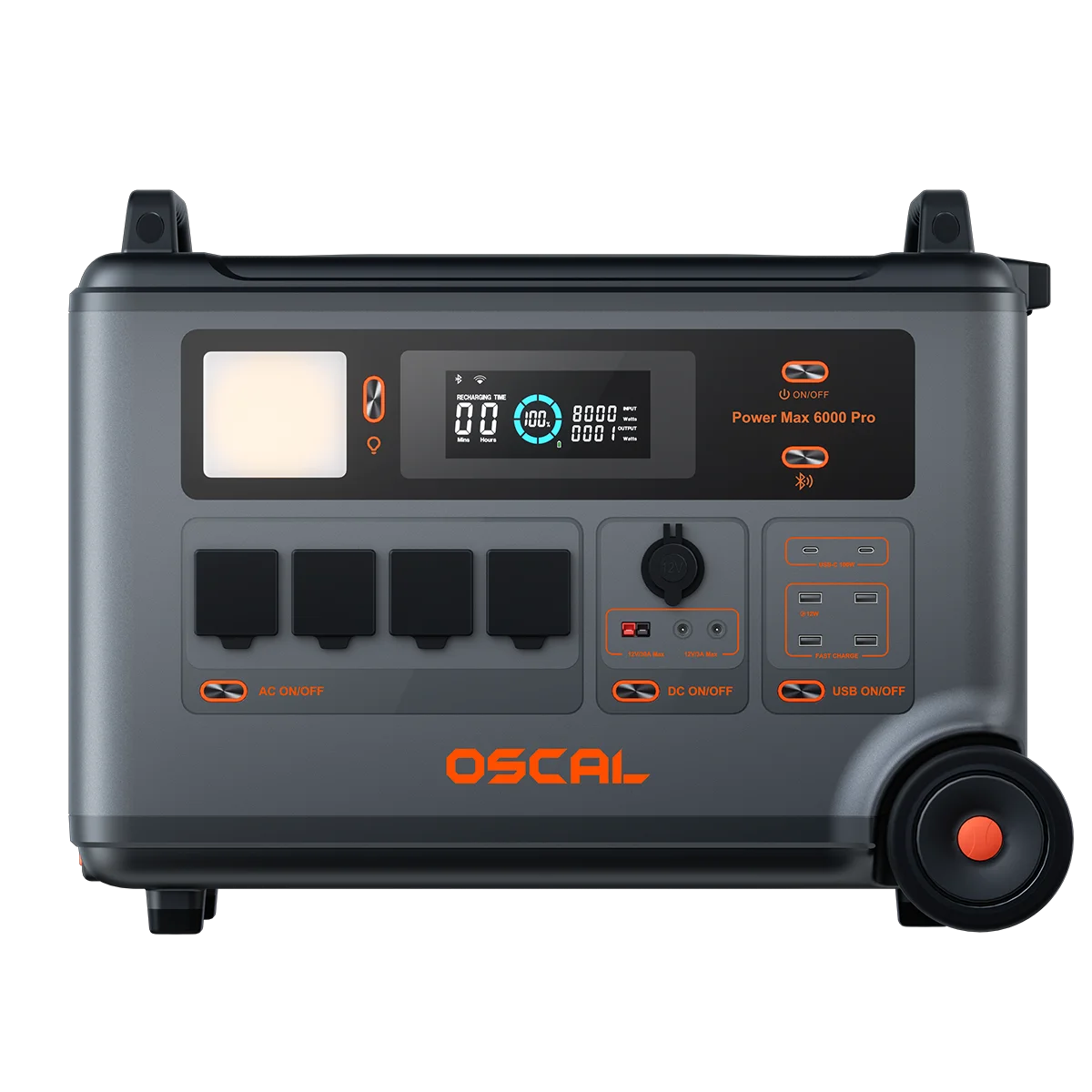
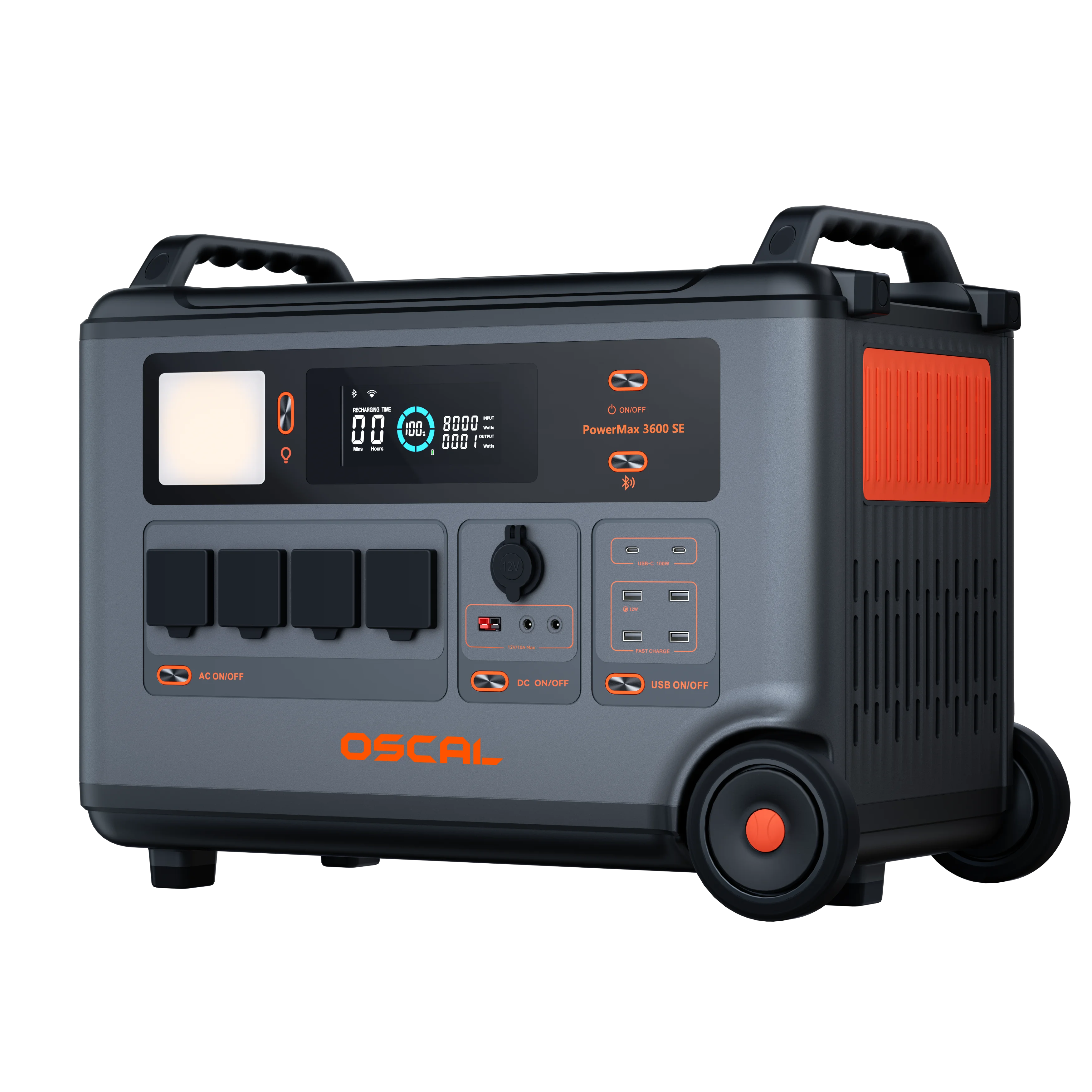
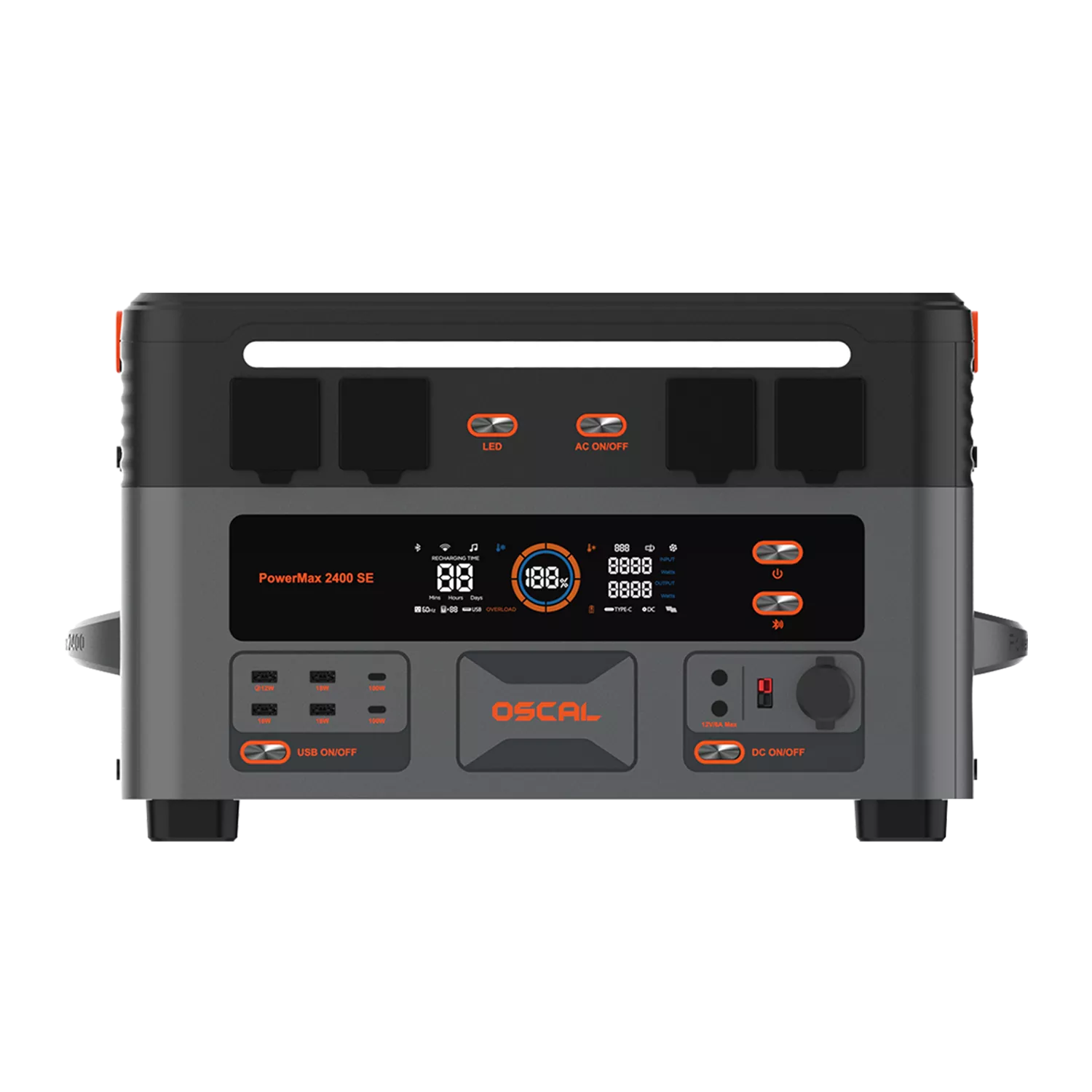
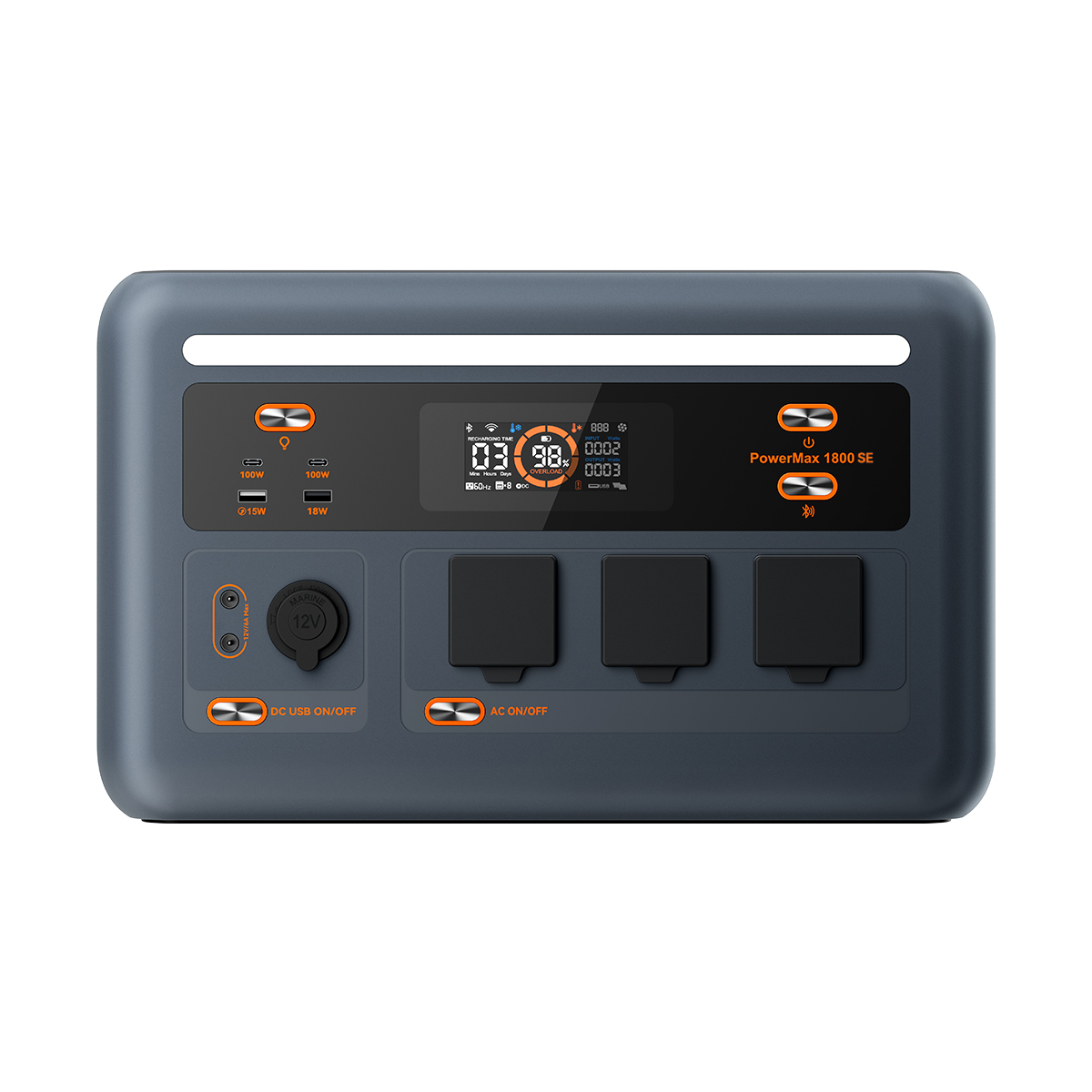


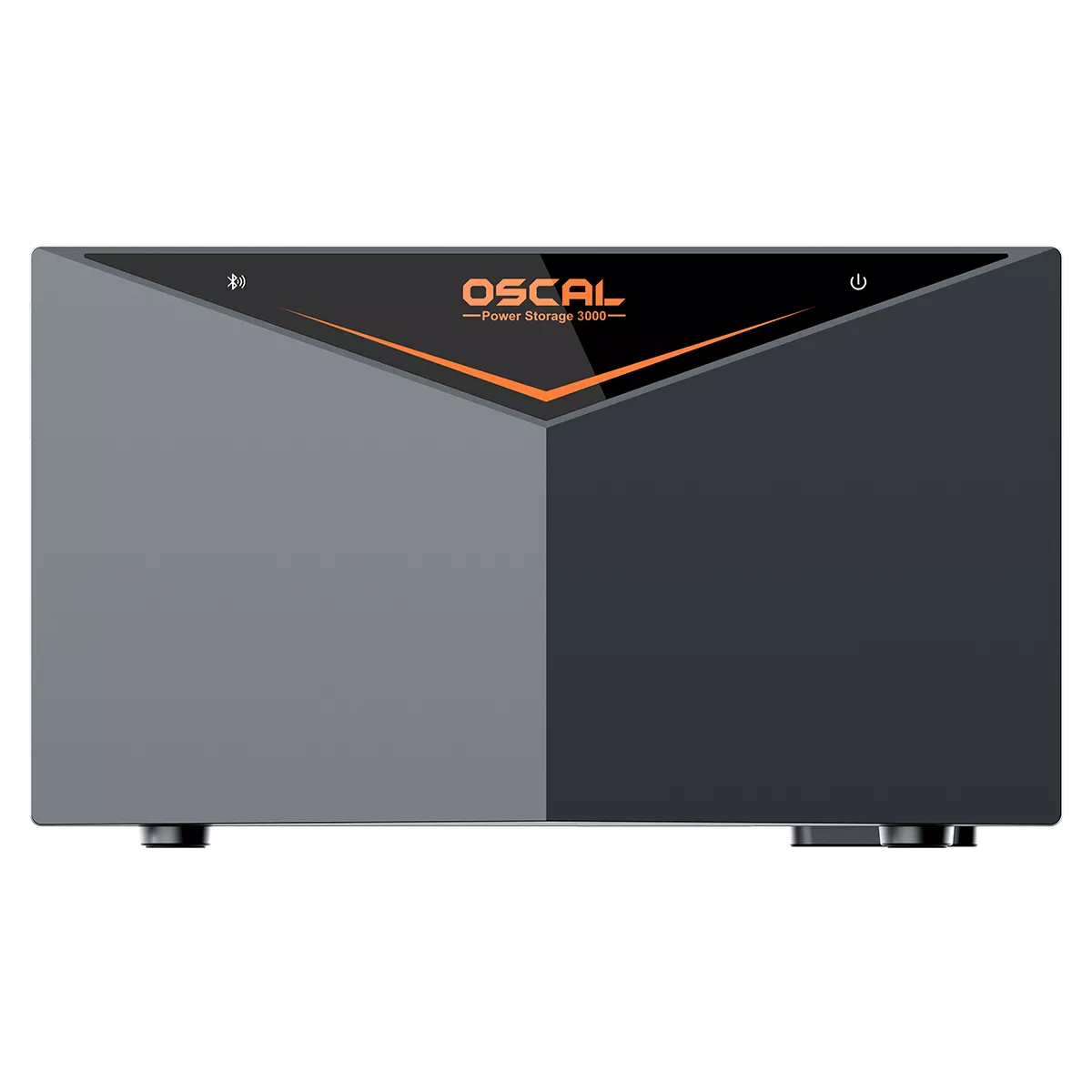
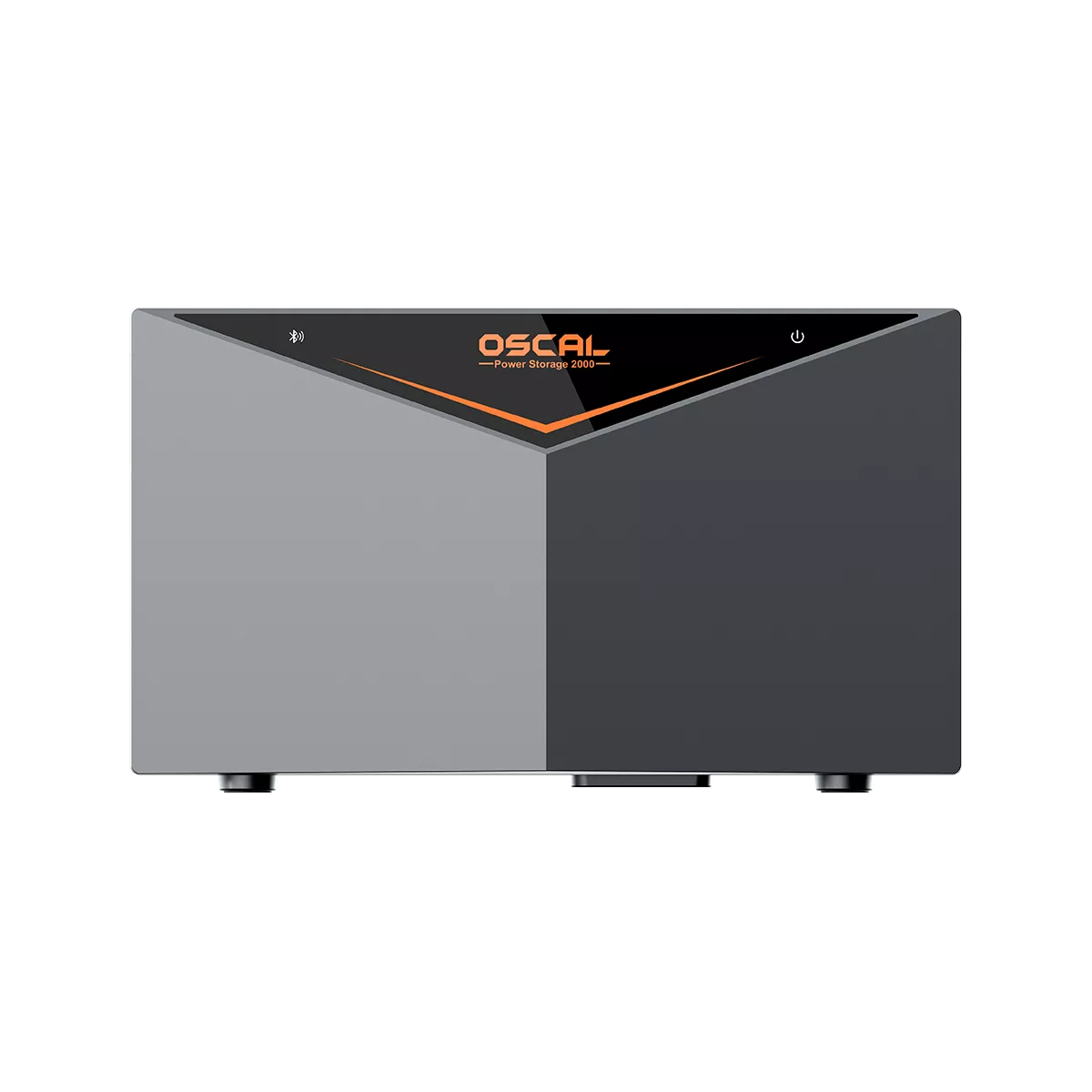





Welcome to OSCAL (Well-known Chinese brand of portable power stations, projectors, rugged outdoor smartphones, and tablets) blog. Hope this guide has been helpful.
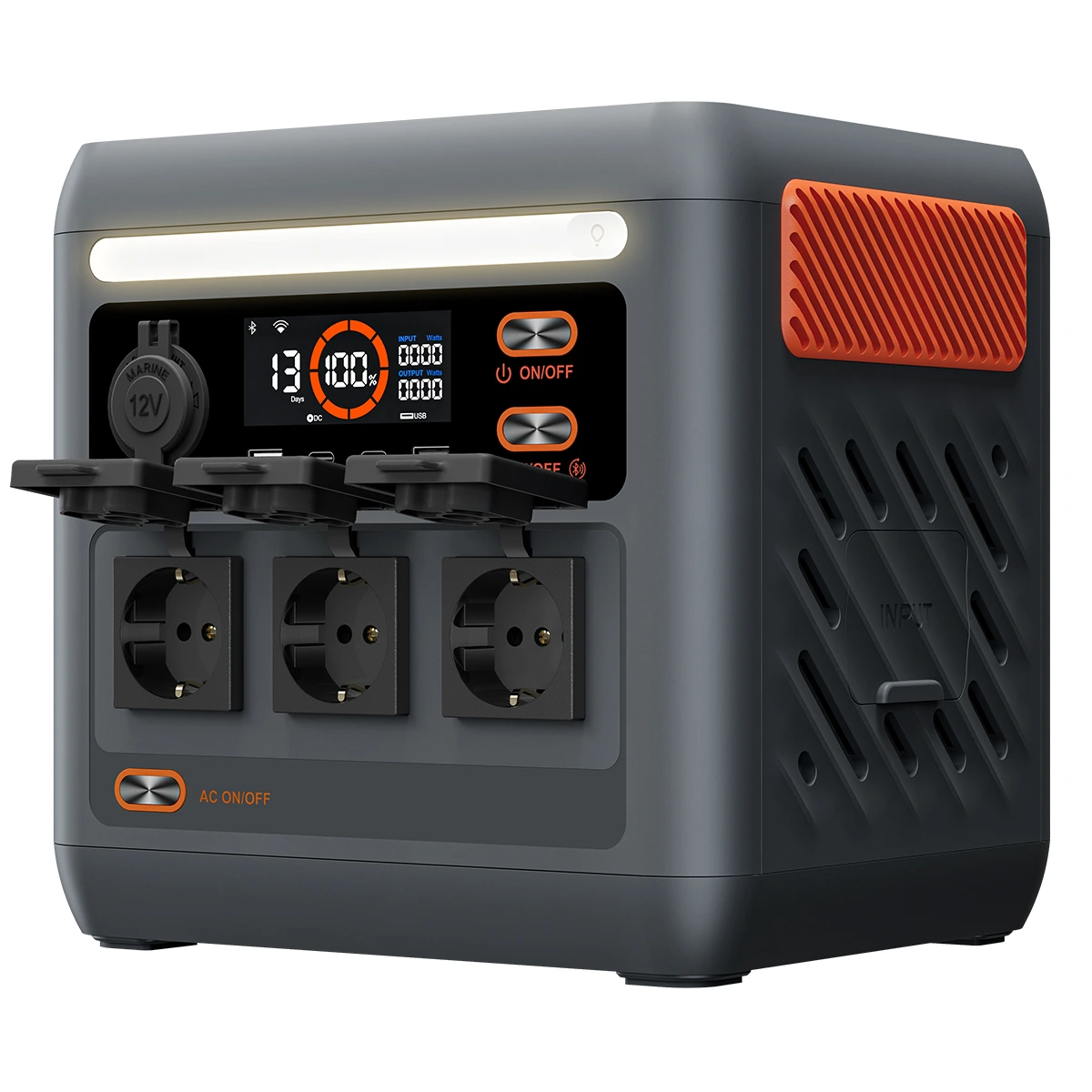
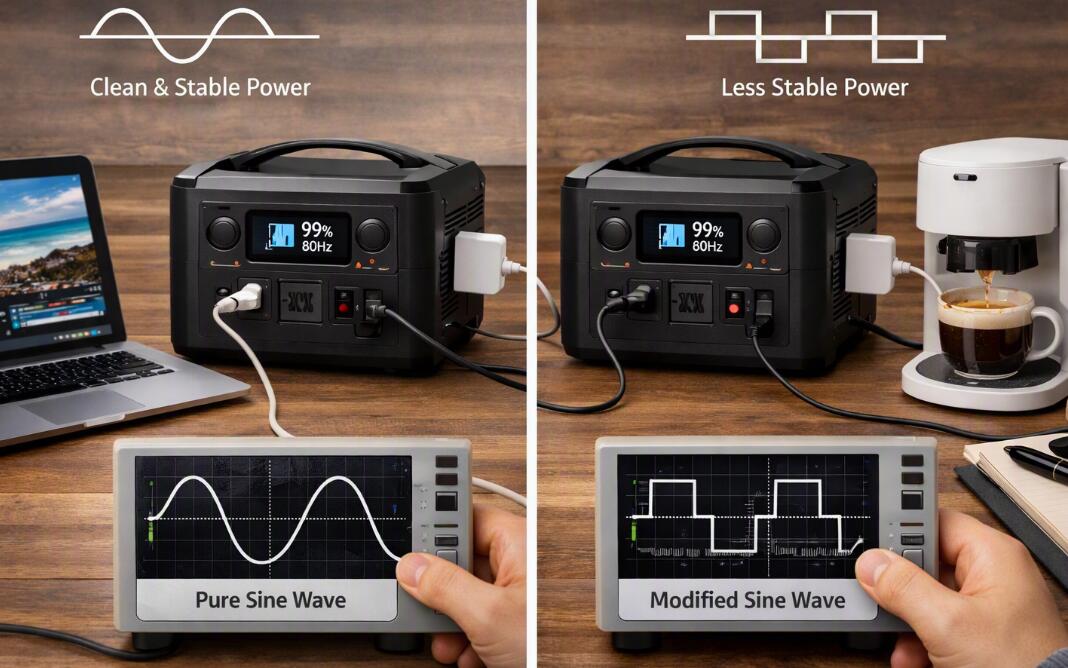
When choosing a portable power station, the inverter waveform is an important specification that can affect how safely and efficiently your devices operate. Two common options are pure sine wave and modified sine wave inverters. Although both convert the battery's DC electricity into AC electricity, they produce different types of electrical output.
- Read also: Which is the best portable power station for camping in the UK?
- Which is the best portable power station for camping for Australian people?
- The best portable power station for refrigerator
- The best portable power station for home
Understanding the difference can help you select a portable power station that matches your appliances, electronics, and usage needs. The main differences involve waveform quality, device compatibility, efficiency, operating noise, and cost. The following guide explains these factors and then examines how each waveform performs in practical situations.
Key Factors to Analyze
- Waveform quality: Pure sine wave produces a smooth AC waveform similar to electricity supplied by a utility grid, while modified sine wave produces a stepped approximation.
- Device compatibility: Pure sine wave works with a wider range of appliances and sensitive electronics.
- Efficiency: Some motors, transformers, and power supplies operate more efficiently with pure sine wave power.
- Noise and heat: Certain devices may produce more audible noise or heat when operating from a modified sine wave inverter.
- Cost: Modified sine wave inverters are generally simpler and can be less expensive, while pure sine wave models typically cost more.
- Application: The best option depends on whether the power station is intended for basic appliances, sensitive electronics, or mixed loads.
What Is a Pure Sine Wave Inverter?
A pure sine wave inverter generates AC electricity with a smooth, continuously changing waveform. This output closely resembles the electricity normally supplied by the electrical grid. Because of its clean waveform, it is suitable for a broad range of equipment.
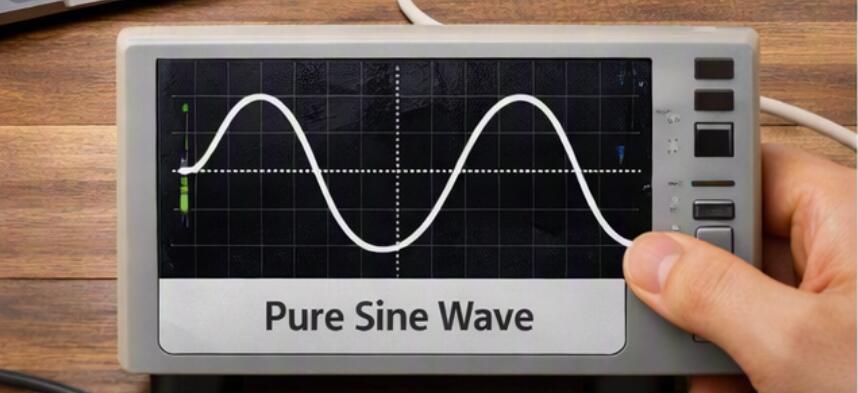
Pure sine wave power is particularly useful for devices containing motors, compressors, transformers, or sensitive electronic circuits. Examples can include refrigerators, medical equipment, laptops, audio equipment, and some variable-speed appliances.
Another advantage is predictable operation. Devices designed for standard household AC power are generally better matched to a pure sine wave output, which can reduce unwanted buzzing, vibration, or excessive heat in certain applications.
What Is a Modified Sine Wave Inverter?
A modified sine wave inverter produces AC electricity using a stepped waveform rather than a smooth sine curve. It is sometimes described as a stepped or quasi-sine wave. The design is relatively simple, allowing manufacturers to produce certain portable power stations at a lower cost.
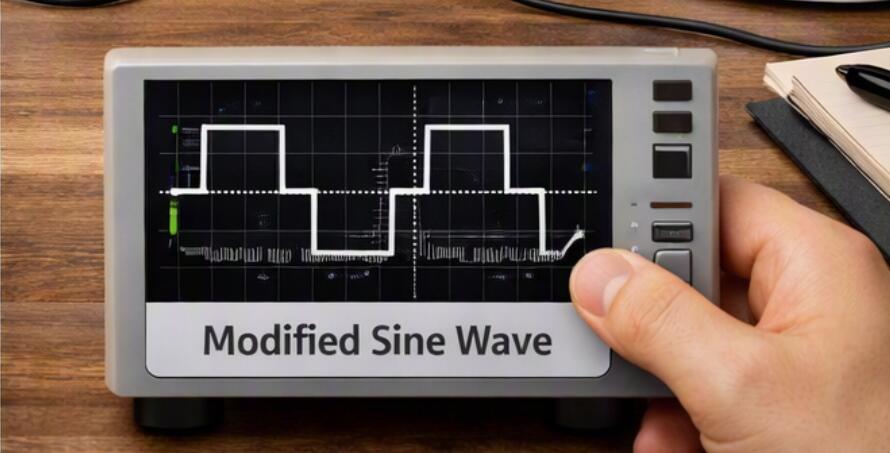
Modified sine wave output can work well with basic electrical loads such as some incandescent lights, simple heaters, and certain uncomplicated appliances. However, compatibility varies between devices. Electronics with switching power supplies or motors may behave differently depending on their design.
Potential effects can include audible buzzing, reduced motor efficiency, additional heat, or failure to operate correctly. Therefore, the device manufacturer's specifications should always be checked before using a modified sine wave power station with a particular appliance.
Which One Is Better for Electronics and Appliances?
The choice depends primarily on what you plan to power. A pure sine wave portable power station provides broader compatibility and is generally the safer choice when the load includes sensitive or expensive electronics.
For example, if you need backup power for a laptop, refrigerator, television, CPAP machine, audio equipment, or other equipment with sensitive circuitry, check the manufacturer's requirements and consider a pure sine wave model when compatibility is important.
A modified sine wave model may be sufficient for simpler loads where the manufacturer confirms compatibility. It can also make sense when keeping purchase costs low is more important than supporting a wide variety of equipment.
How to Choose the Right Portable Power Station
Before purchasing a portable power station, consider the devices you expect to connect and their power requirements. Check both the continuous output rating and surge rating of the inverter, because appliances with motors or compressors can require substantially more power when starting.
- Choose pure sine wave when you need broad appliance compatibility.
- Check the wattage requirements of every major device you intend to power.
- Check starting or surge requirements for refrigerators, pumps, and other motor-driven appliances.
- Review the manufacturer's compatibility information before connecting sensitive equipment.
- Consider battery capacity separately from inverter waveform because capacity determines how long the station can provide power.
In general, pure sine wave and modified sine wave inverters serve different priorities. Pure sine wave emphasizes cleaner output and wider compatibility, while modified sine wave focuses on simpler inverter design and potentially lower cost.
Conclusion
The main difference between pure sine wave and modified sine wave portable power stations is the quality and shape of the AC electricity they produce. Pure sine wave output closely matches conventional grid electricity and is suitable for a wider variety of electronics and appliances. Modified sine wave output uses a stepped waveform and may be appropriate for simpler, confirmed-compatible loads.
When selecting a portable power station, do not compare waveform type alone. Consider the appliances you need to run, their continuous and starting power requirements, battery capacity, and the manufacturer's compatibility guidance. This approach can help you choose a power station that meets your practical requirements without paying for features you do not need.


