



















 (1)-20251204034946188.jpg)


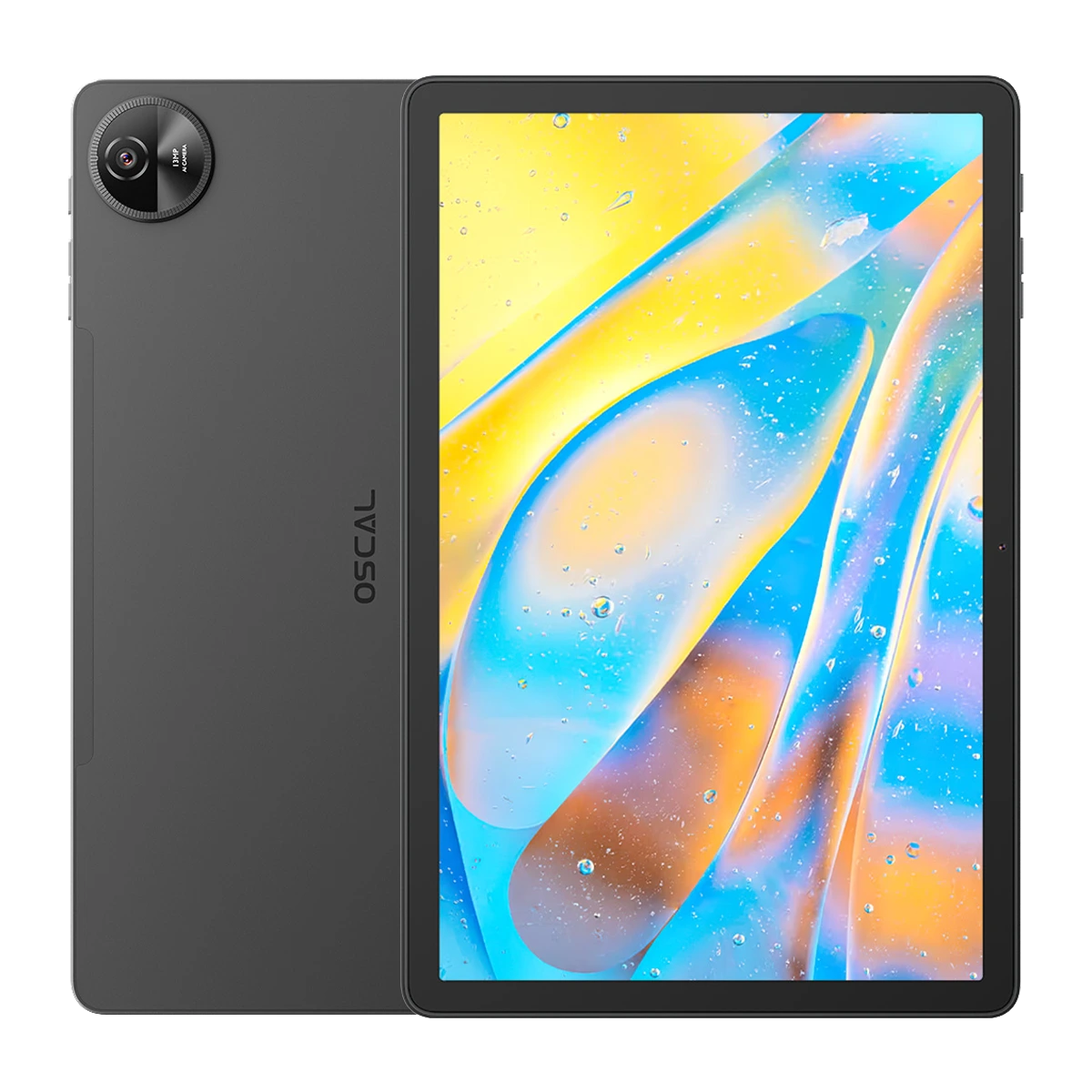


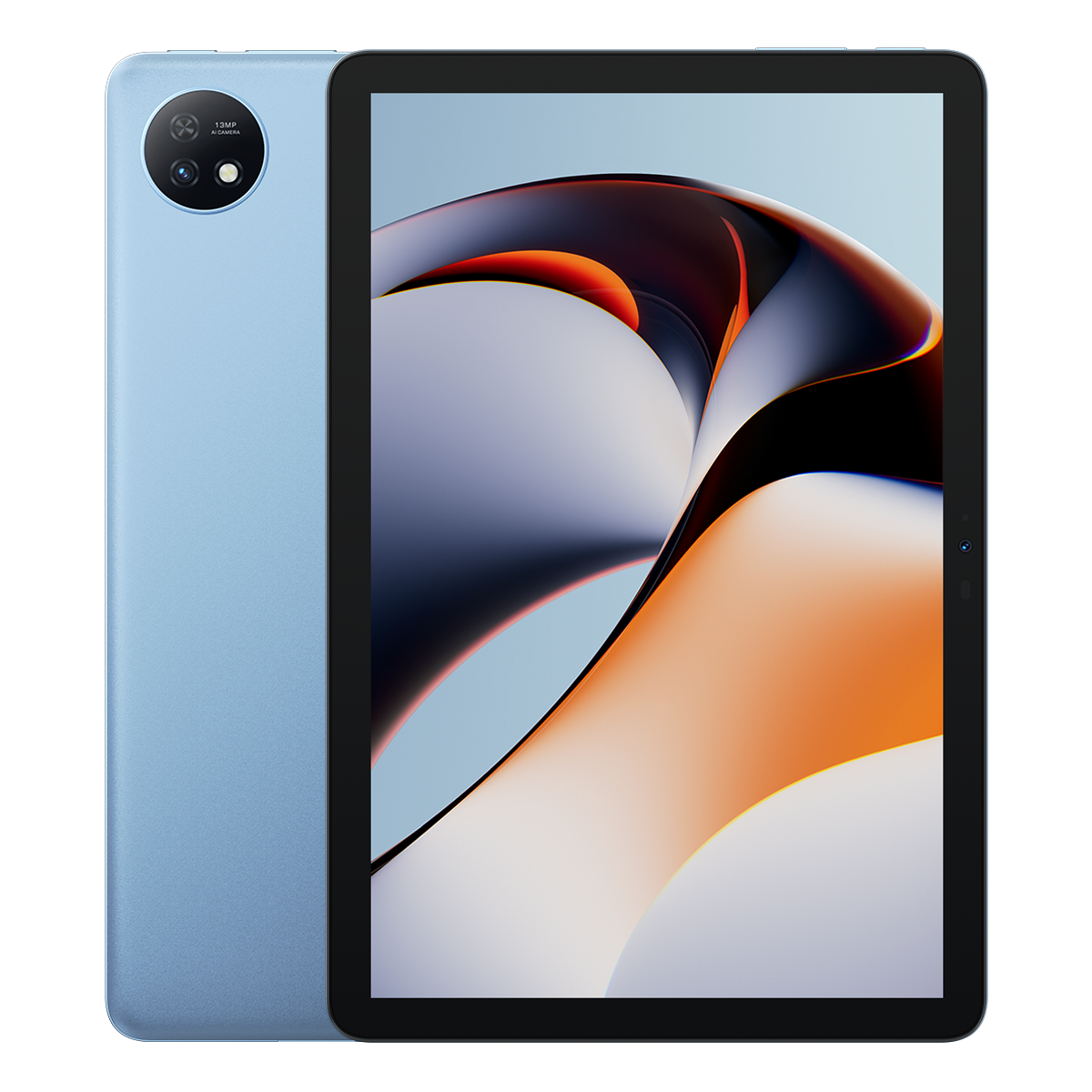

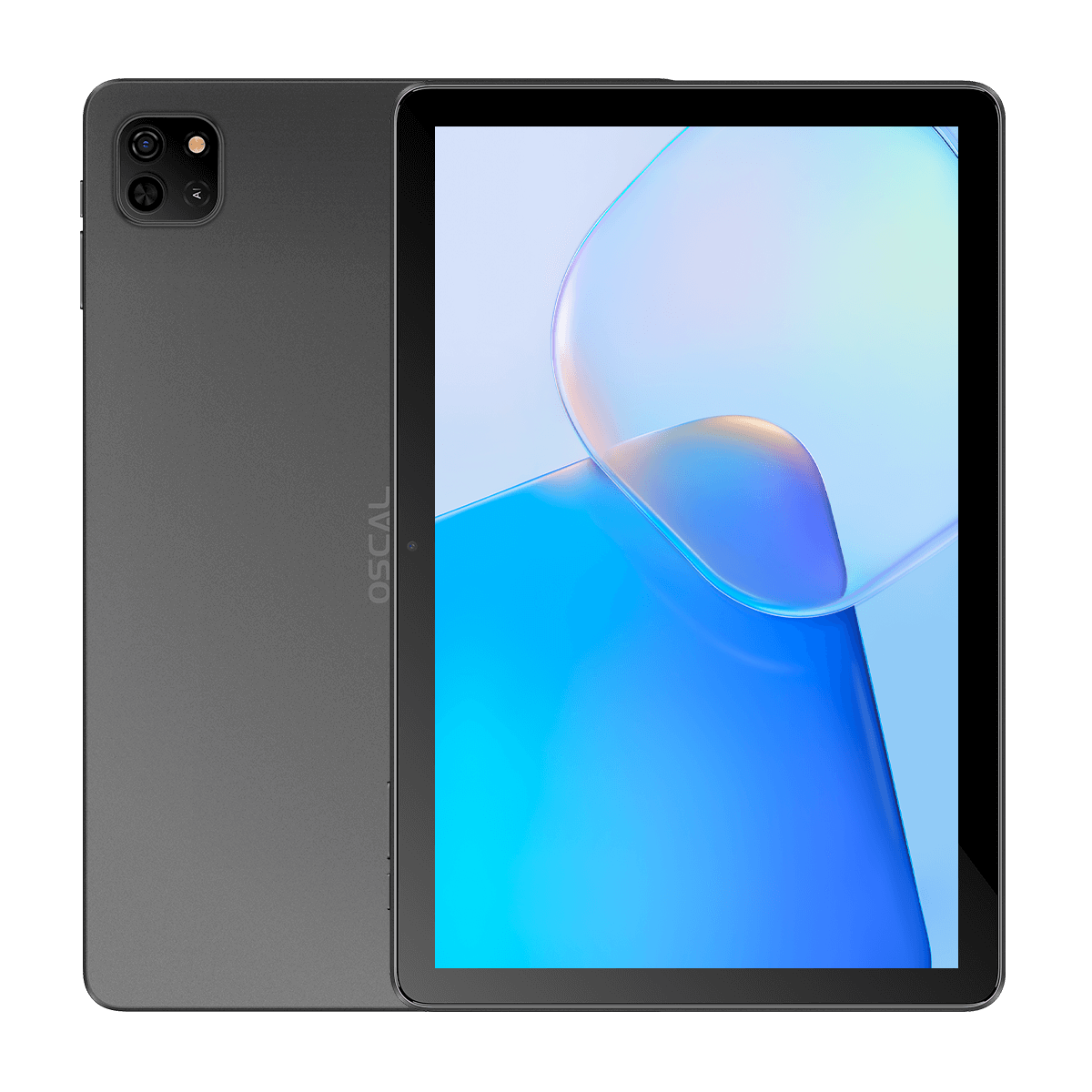



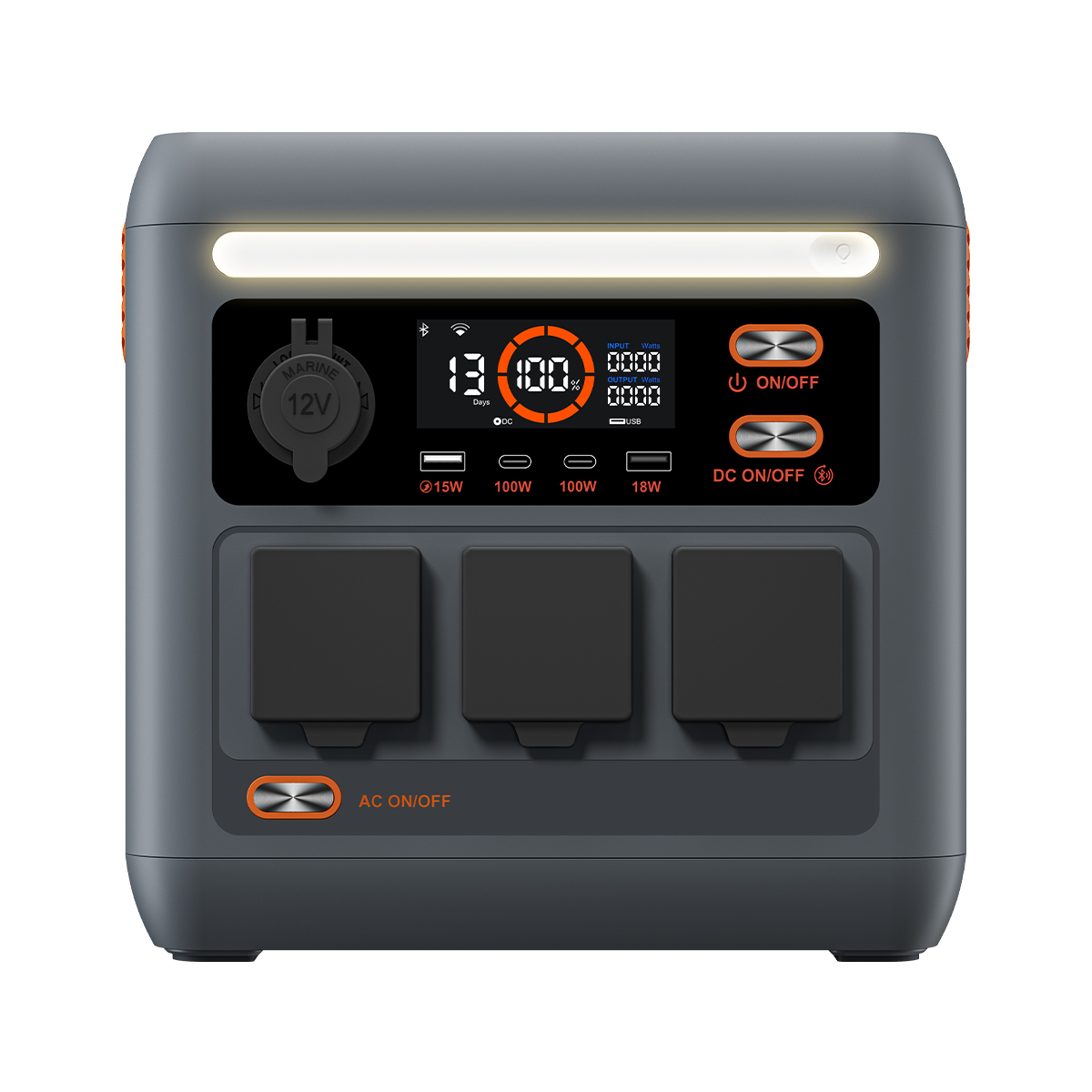
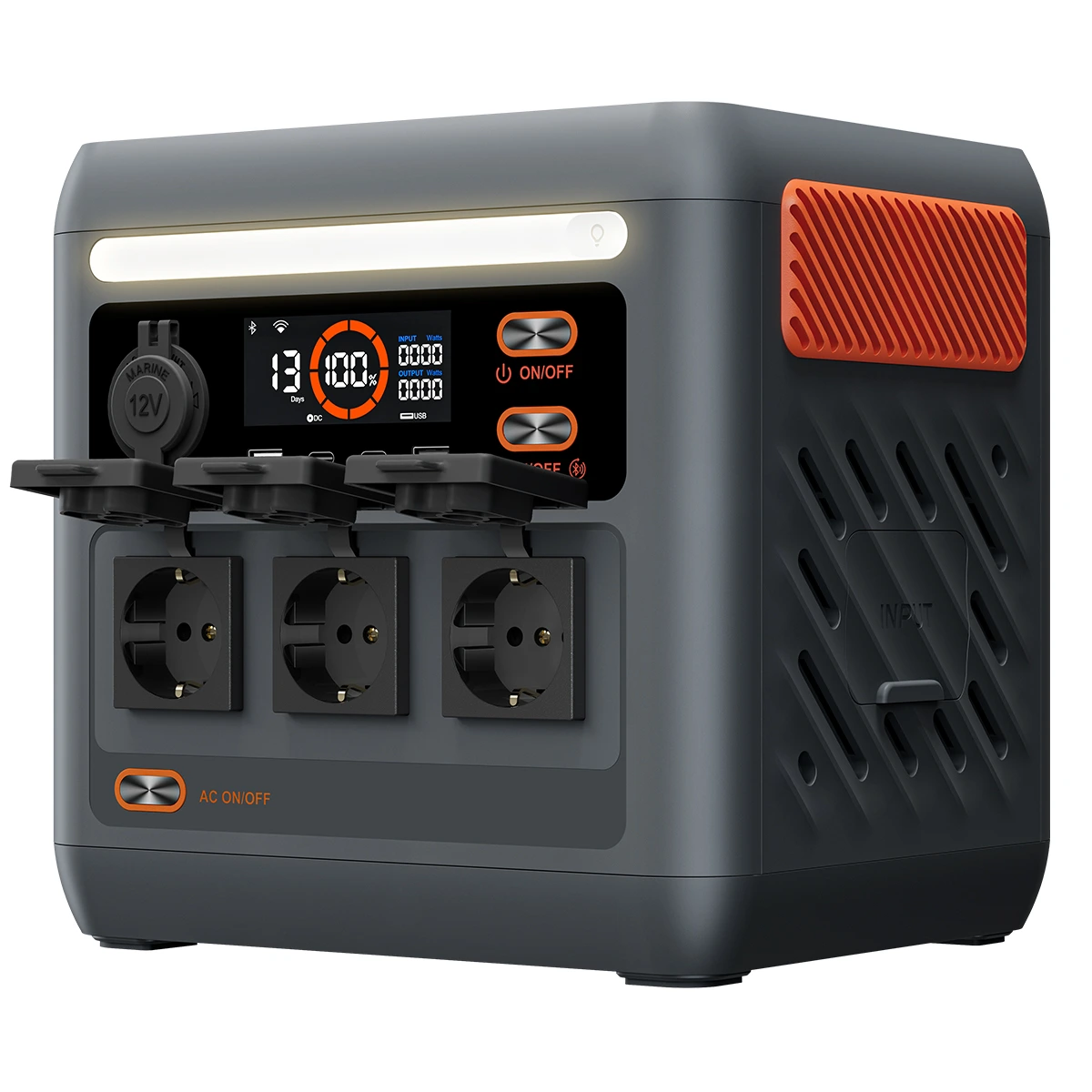
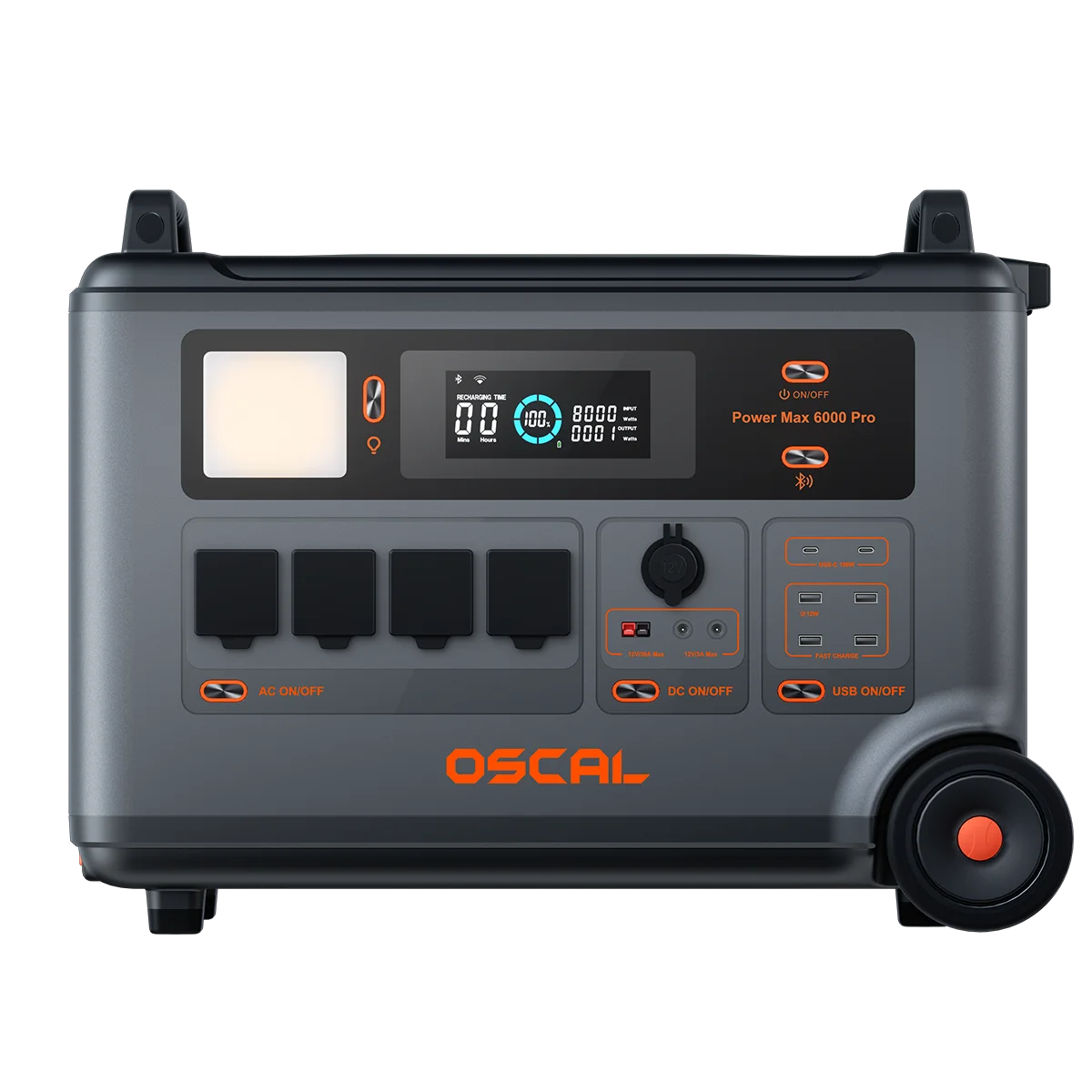
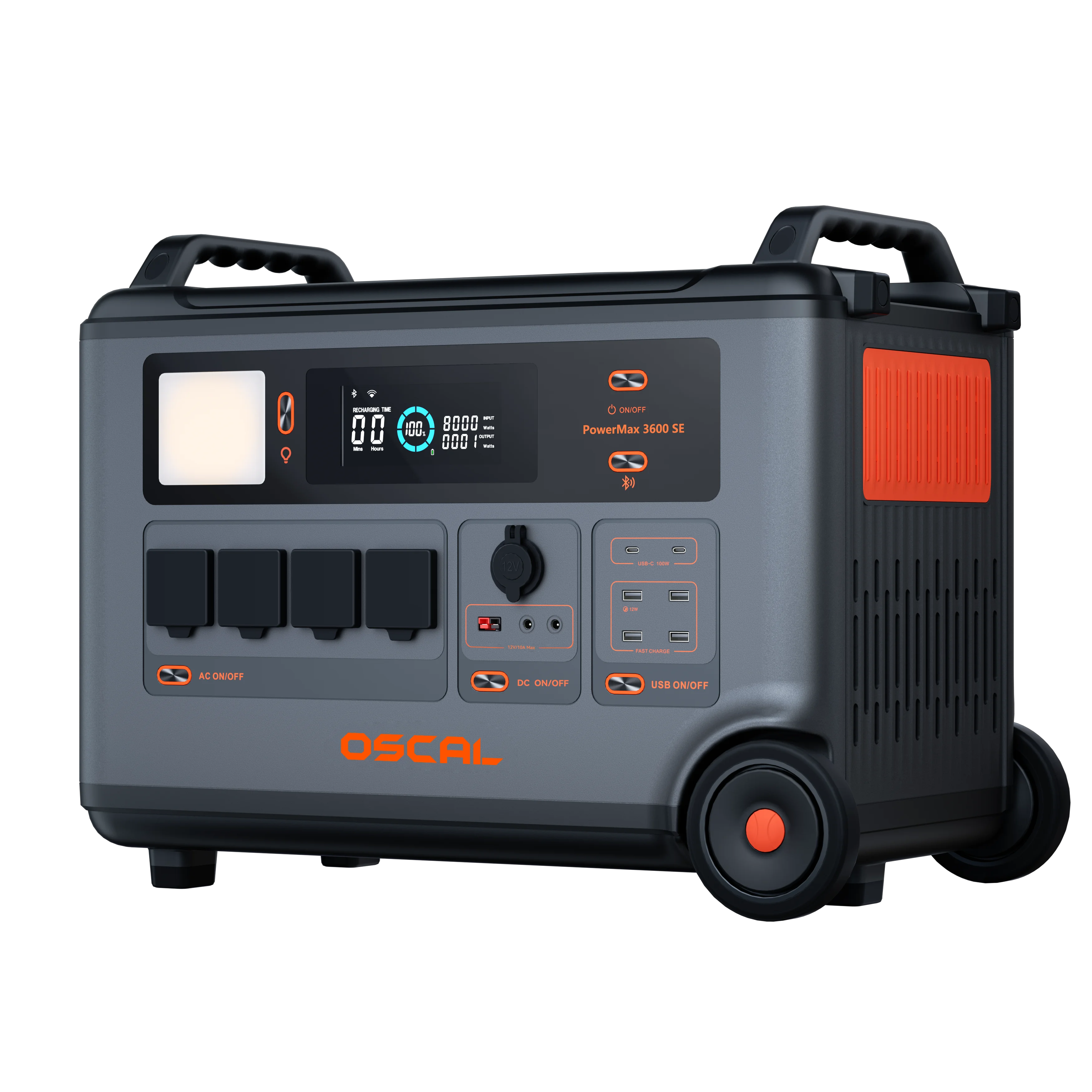
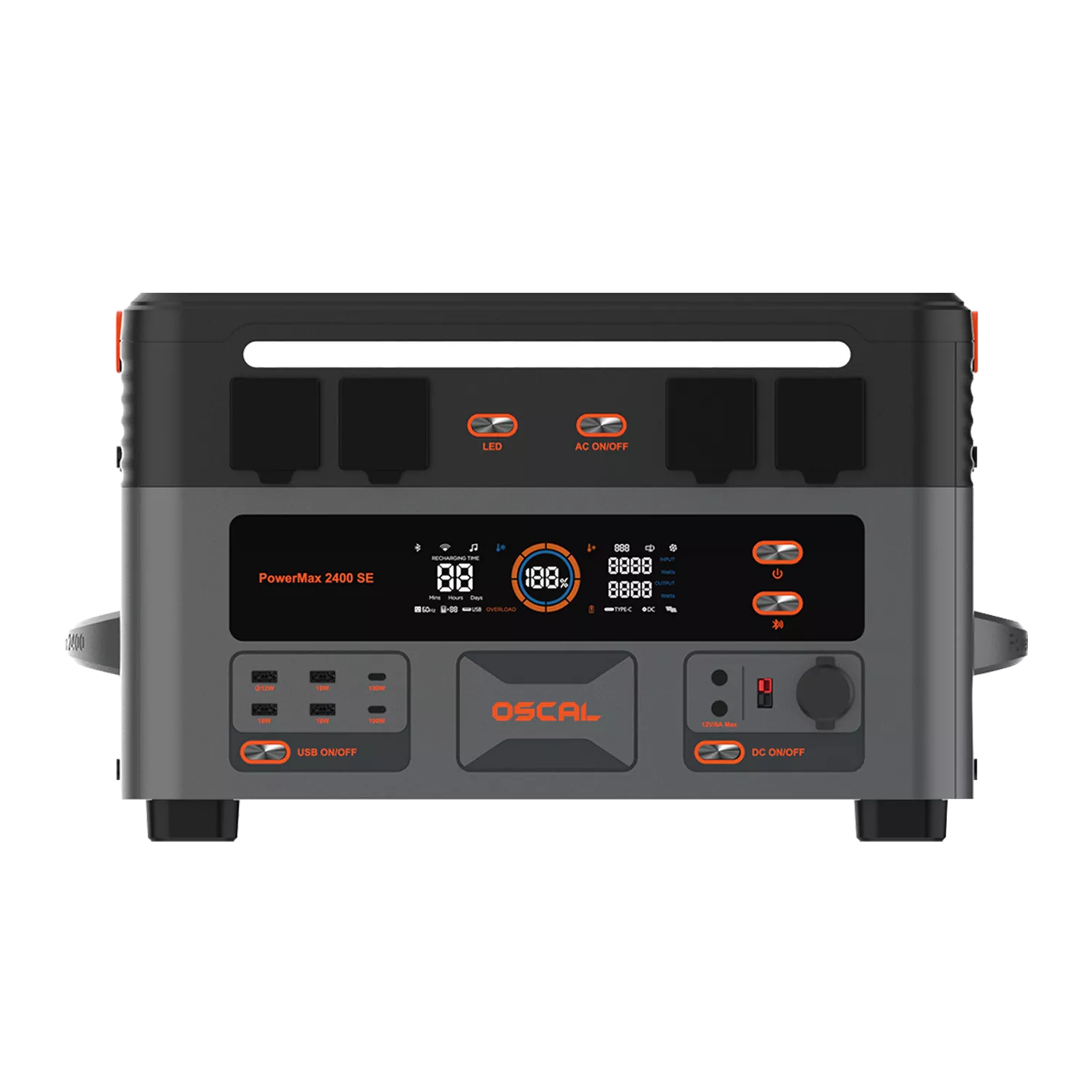
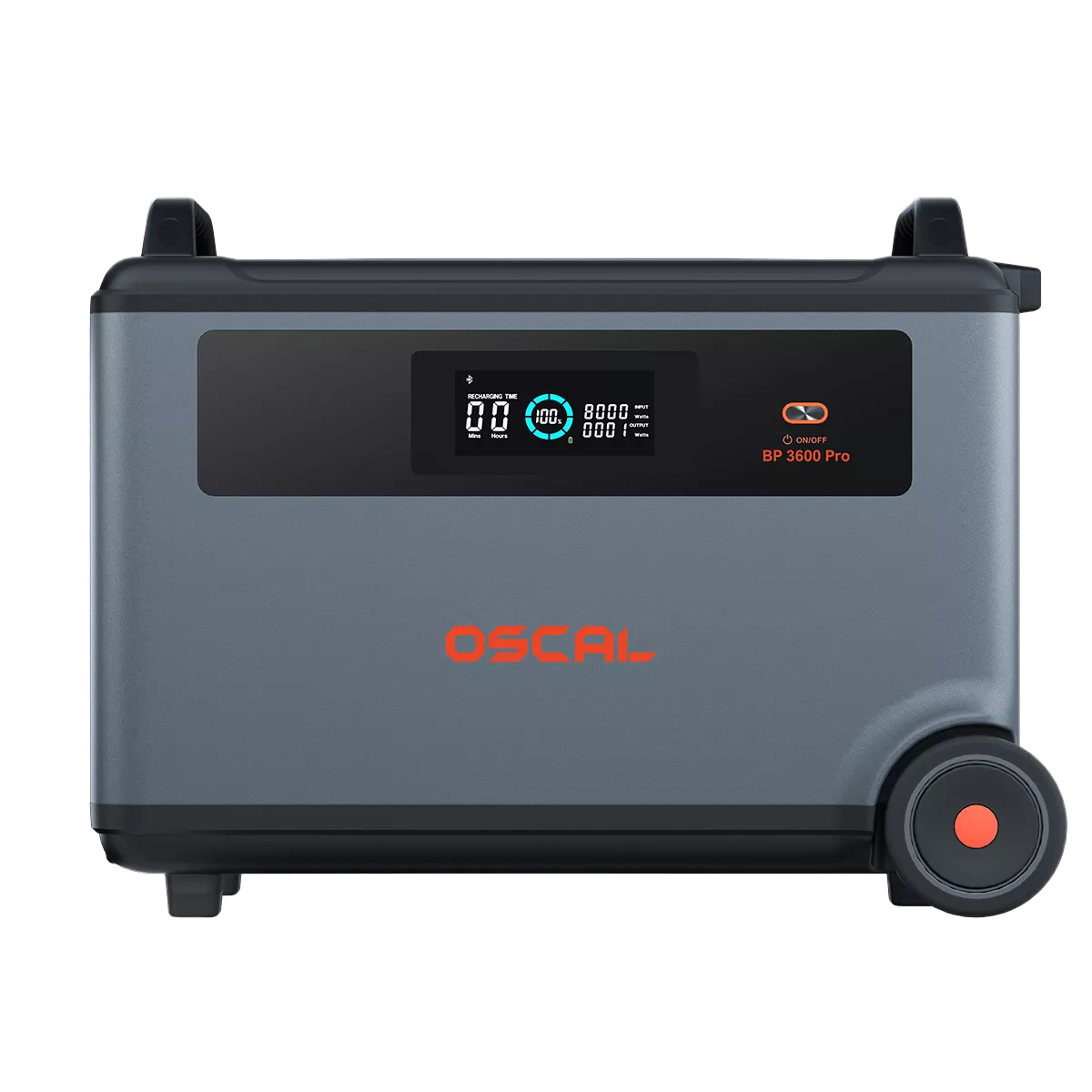
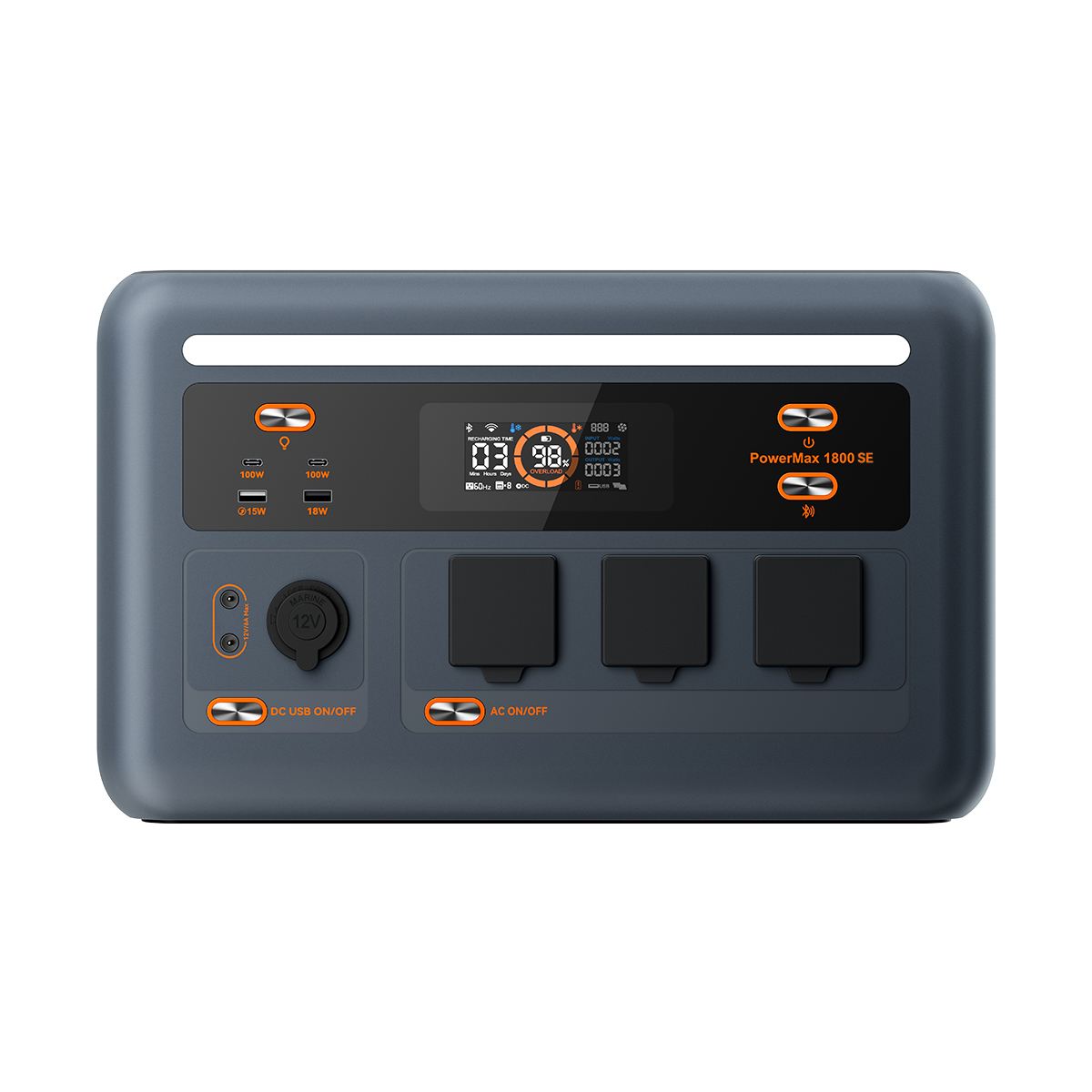


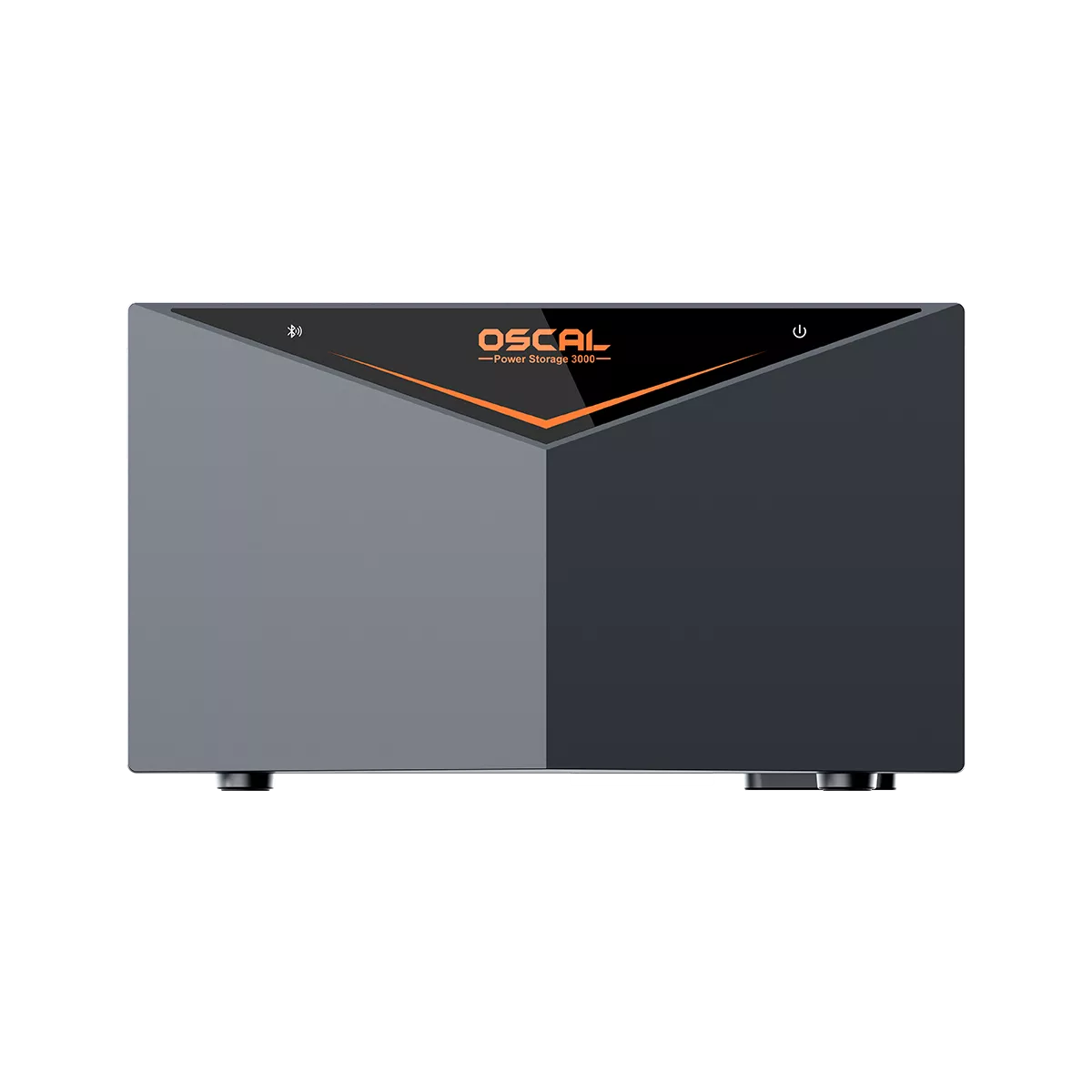
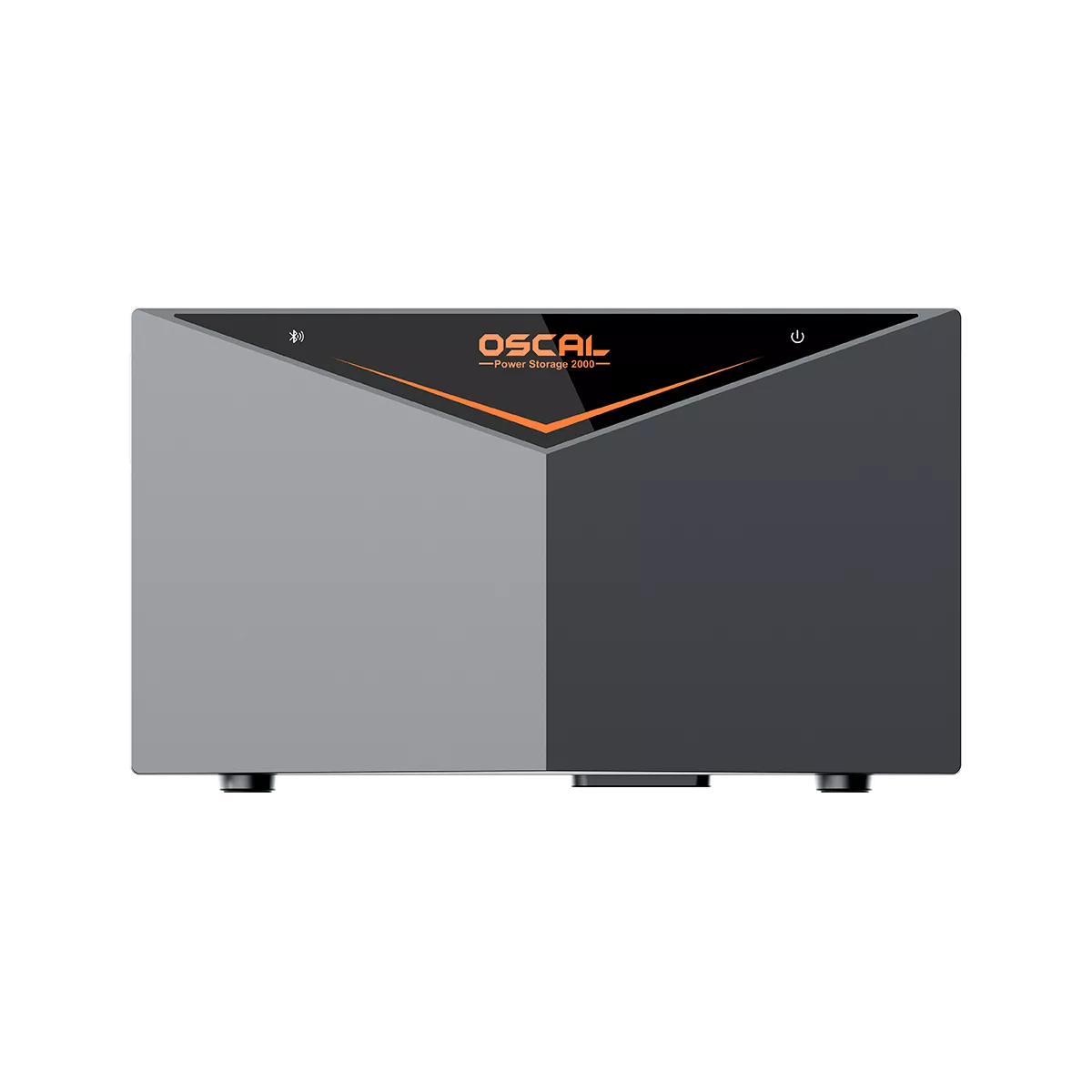




Welcome to OSCAL (Well-known China brand of portable power stations, rugged smartphones, and rugged smartwatches) blog. Hope this guide has been helpful.
Outdoor adventures offer an exciting opportunity to explore nature, discover new places, and escape the demands of everyday life. Whether you enjoy hiking through mountain trails, camping in the wilderness, cycling across scenic routes, fishing by a lake, or exploring remote destinations, having the right equipment can make every trip safer and more enjoyable. Modern outdoor gadgets combine convenience, durability, and innovative technology to help adventurers stay connected, navigate unfamiliar environments, and handle unexpected situations.

- Read also: The 9 best gadgets for hiking
- The 13 best gadgets for camping
- The 13 best cycling gadgets
- The 12 best gadgets for outdoor running
Choosing the right gadgets for outdoor adventures is about more than purchasing the latest technology. The best equipment should be practical, portable, weather-resistant, and suitable for your planned activities. Some gadgets provide essential safety features, while others improve communication, offer reliable lighting, or make camping more comfortable. In this guide, we explore ten useful outdoor gadgets, their main features, benefits, and important considerations to help you prepare for your next adventure.
1. Portable Solar Charger
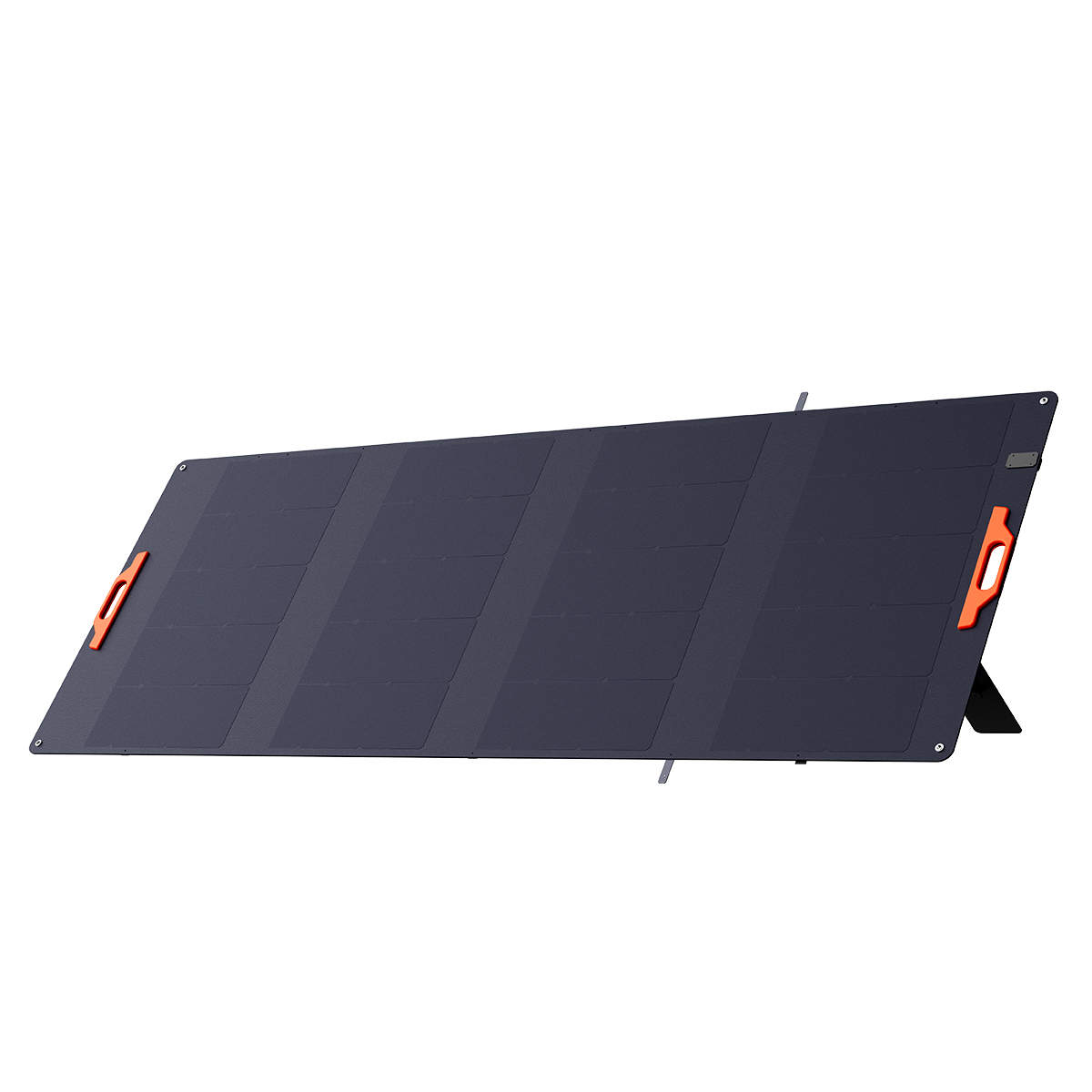
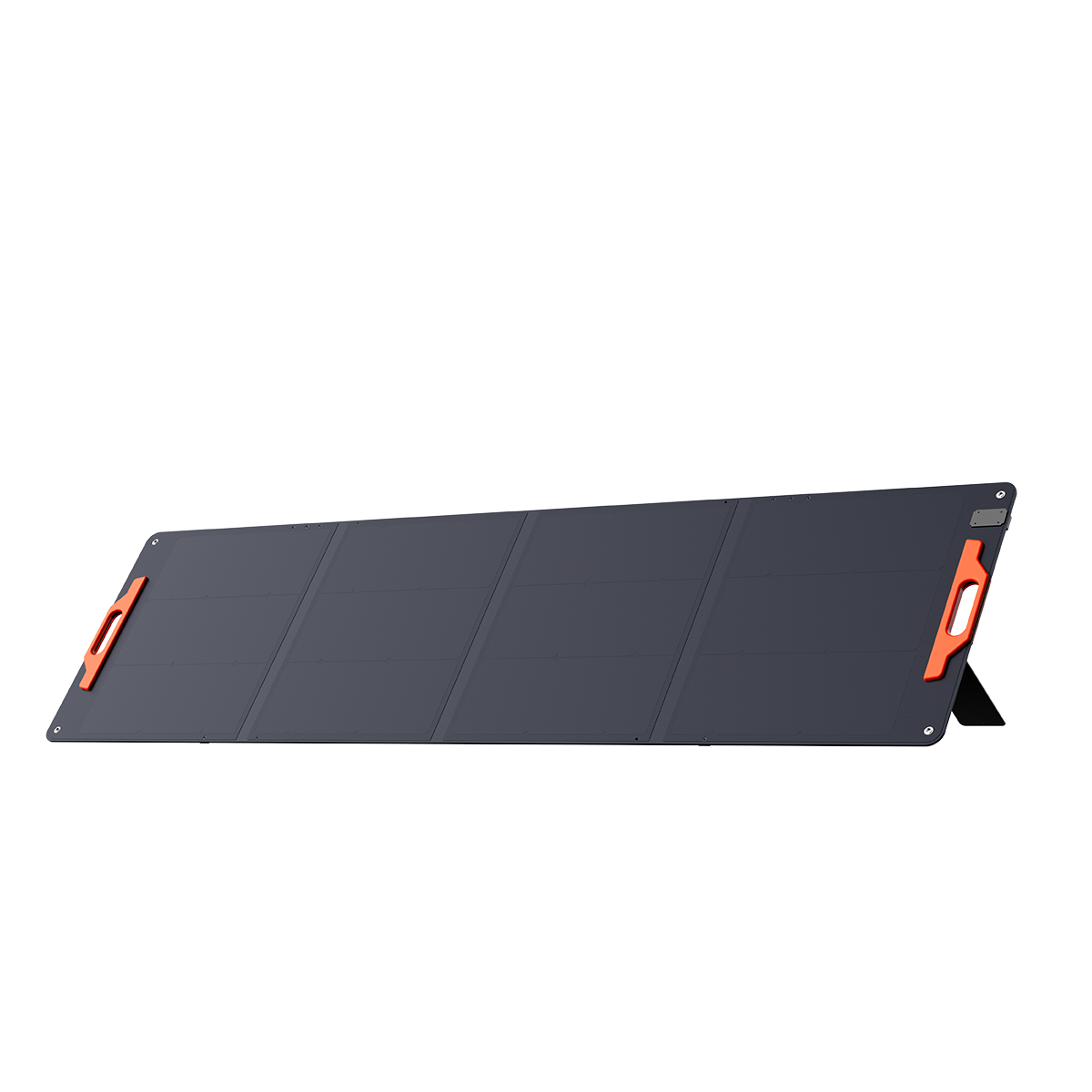
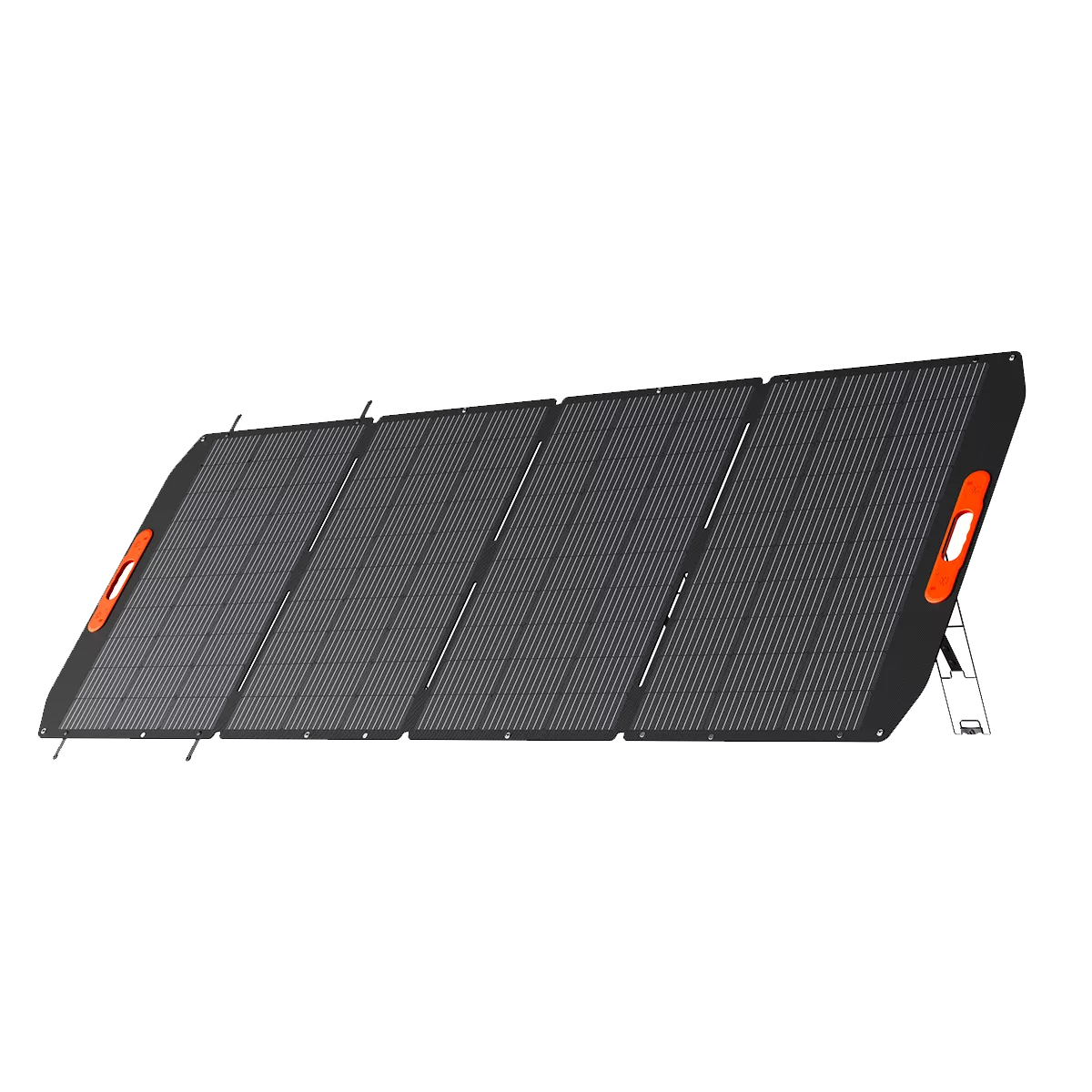
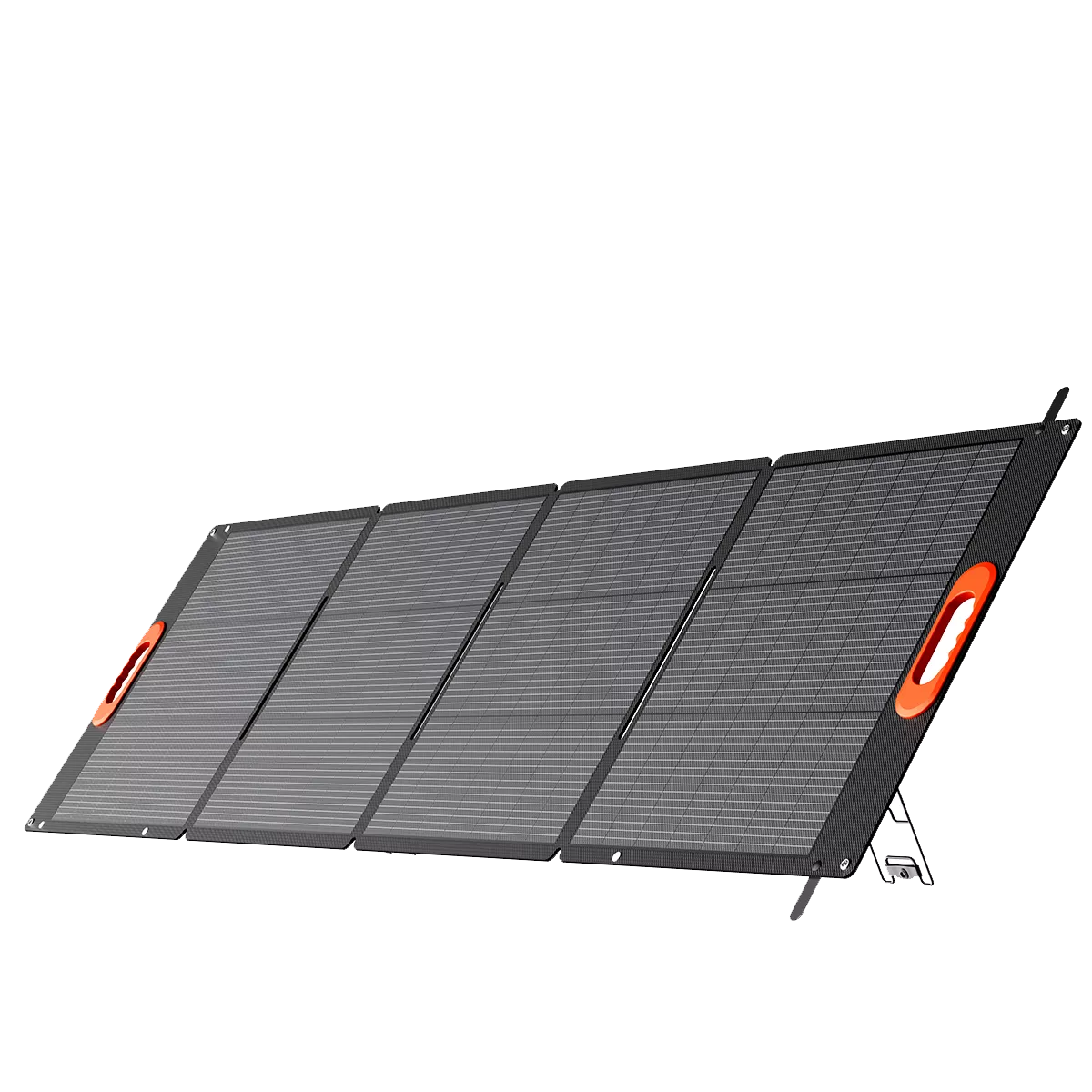
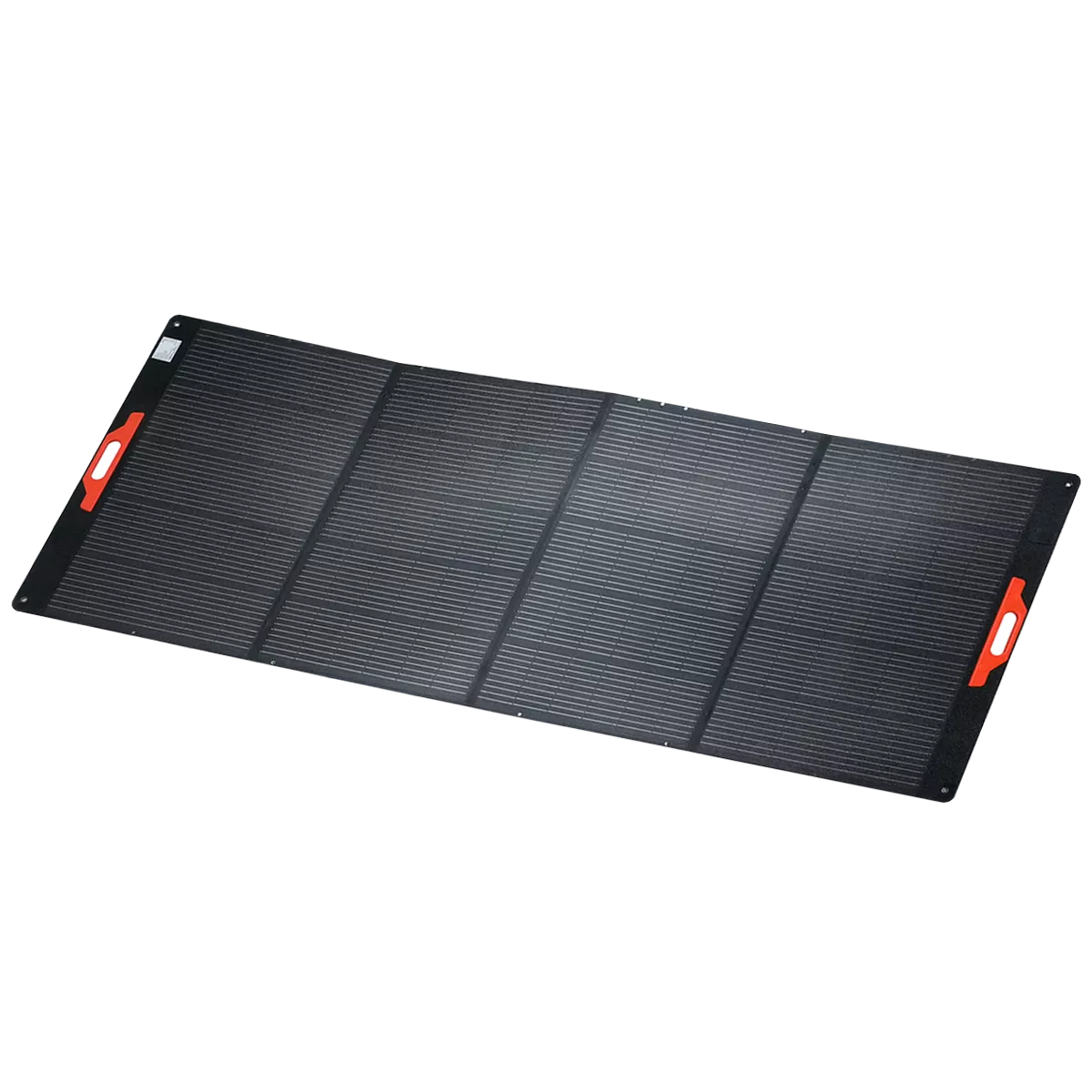
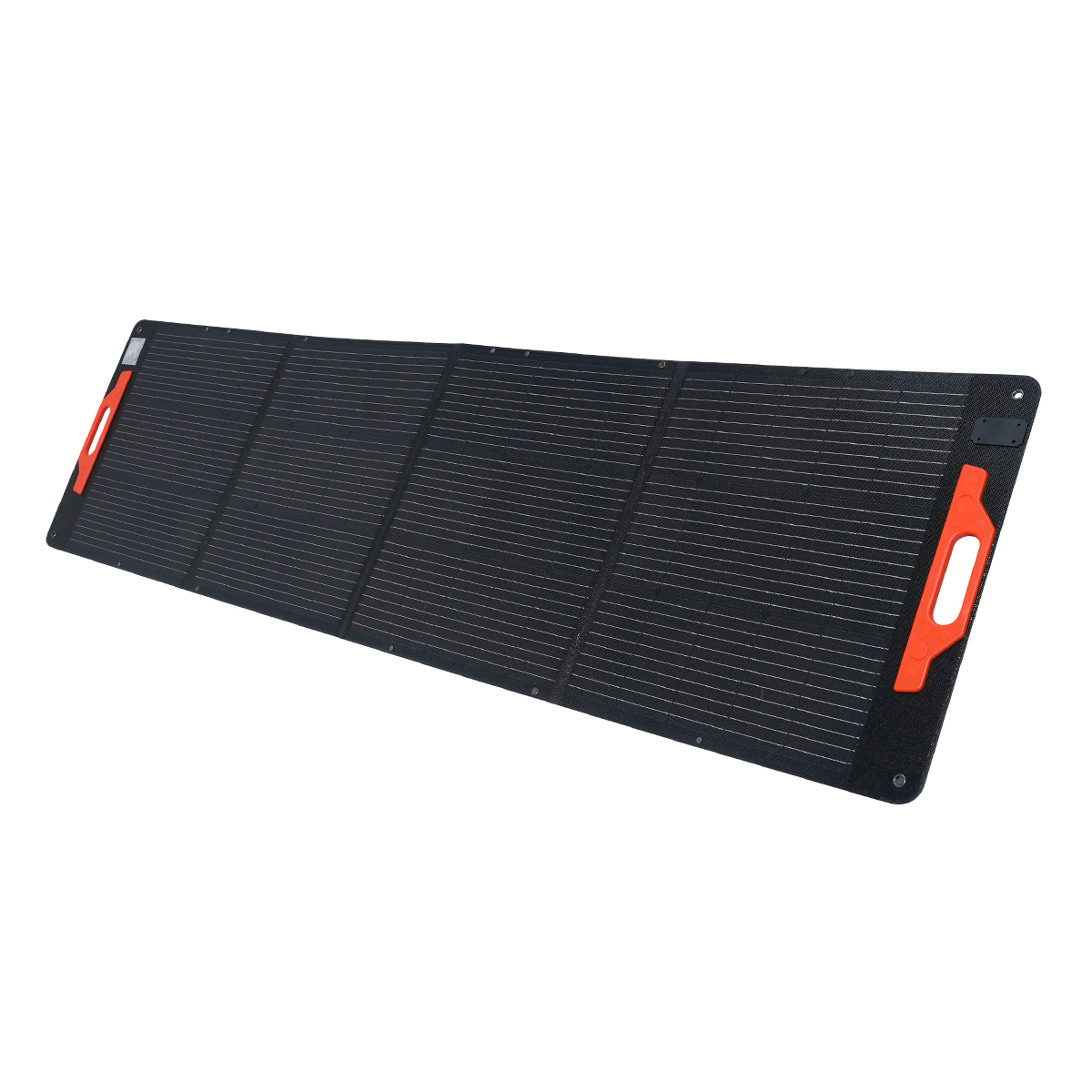
A portable solar charger is a valuable gadget for anyone spending extended periods outdoors. Smartphones, GPS devices, cameras, and other electronic equipment require power, but electrical outlets are rarely available in remote locations. Solar chargers use sunlight to generate electricity, allowing adventurers to recharge compatible devices while traveling.
When choosing a portable solar charger, consider the following features:
- Solar charging efficiency: Look for efficient solar panels that can convert sunlight into usable energy.
- Battery capacity: Some models include built-in batteries for storing electricity and charging devices after sunset.
- Portability: Foldable designs are convenient for backpacking and hiking.
- Weather resistance: Water-resistant construction helps protect the equipment from unexpected weather.
- Multiple charging ports: USB-A and USB-C connections can support different devices.
A solar charger is particularly useful for multi-day camping trips and remote expeditions. However, charging speed depends on sunlight intensity, panel orientation, and weather conditions, so it should not be your only power source when reliable electricity is essential.
2. GPS Navigation Device
A dedicated GPS navigation device helps outdoor enthusiasts find their way through unfamiliar environments. Although smartphones offer navigation applications, their performance can be limited by poor cellular coverage, battery consumption, and harsh weather. Handheld GPS devices are designed specifically for outdoor navigation and often provide more durable construction.
Important features to evaluate include:
- Offline maps: Downloadable maps allow navigation without an internet connection.
- Accurate positioning: Multi-GNSS support can improve positioning availability in challenging environments.
- Long battery life: Extended operating time is important for multi-day adventures.
- Rugged construction: Shock-resistant and water-resistant designs are suitable for outdoor conditions.
- Waypoint marking: Saving campsites, trail junctions, and important locations makes navigation easier.
A GPS device is especially useful for hikers, backpackers, mountain bikers, and wilderness explorers. Nevertheless, always carry a physical map and compass as backups, and learn how to use them before entering remote areas.
3. Portable Power Bank
A portable power bank provides a convenient way to recharge electronic devices when access to electricity is limited. It is particularly useful for travelers who rely on smartphones for navigation, communication, photography, and emergency information.
When comparing power banks, pay attention to these characteristics:
- Battery capacity: Higher-capacity models can recharge devices multiple times but are generally heavier.
- Charging speed: USB-C Power Delivery support can provide faster charging for compatible electronics.
- Weight and size: Compact models are easier to carry during long hikes.
- Durability: Protective construction helps reduce damage from accidental drops.
- Safety protection: Overcharge, overcurrent, and temperature protection improve charging reliability.
For short outdoor trips, a compact power bank may be sufficient. Longer expeditions may require a higher-capacity option. Remember that cold temperatures can temporarily reduce battery performance, so keeping the power bank protected and warm can help maintain its usefulness.
4. Rechargeable LED Headlamp
A rechargeable LED headlamp is an essential gadget for camping, hiking, and nighttime activities. Unlike traditional flashlights, a headlamp leaves both hands free, making it easier to prepare food, set up a tent, inspect equipment, or navigate dark trails.
Consider these features before purchasing one:
- Brightness: Check the lumen rating and select a suitable output for your activities.
- Adjustable beam: Different lighting modes support close-up tasks and long-distance visibility.
- Battery life: Look for models that offer sufficient runtime at practical brightness settings.
- Red-light mode: Red lighting can help preserve night vision and reduce disturbance around a campsite.
- Water resistance: A suitable IP rating helps protect the headlamp from rain and moisture.
A comfortable adjustable headband and simple controls also make a difference during extended use. Carrying spare batteries or a backup light is recommended for overnight trips and demanding expeditions.
5. Satellite Communicator
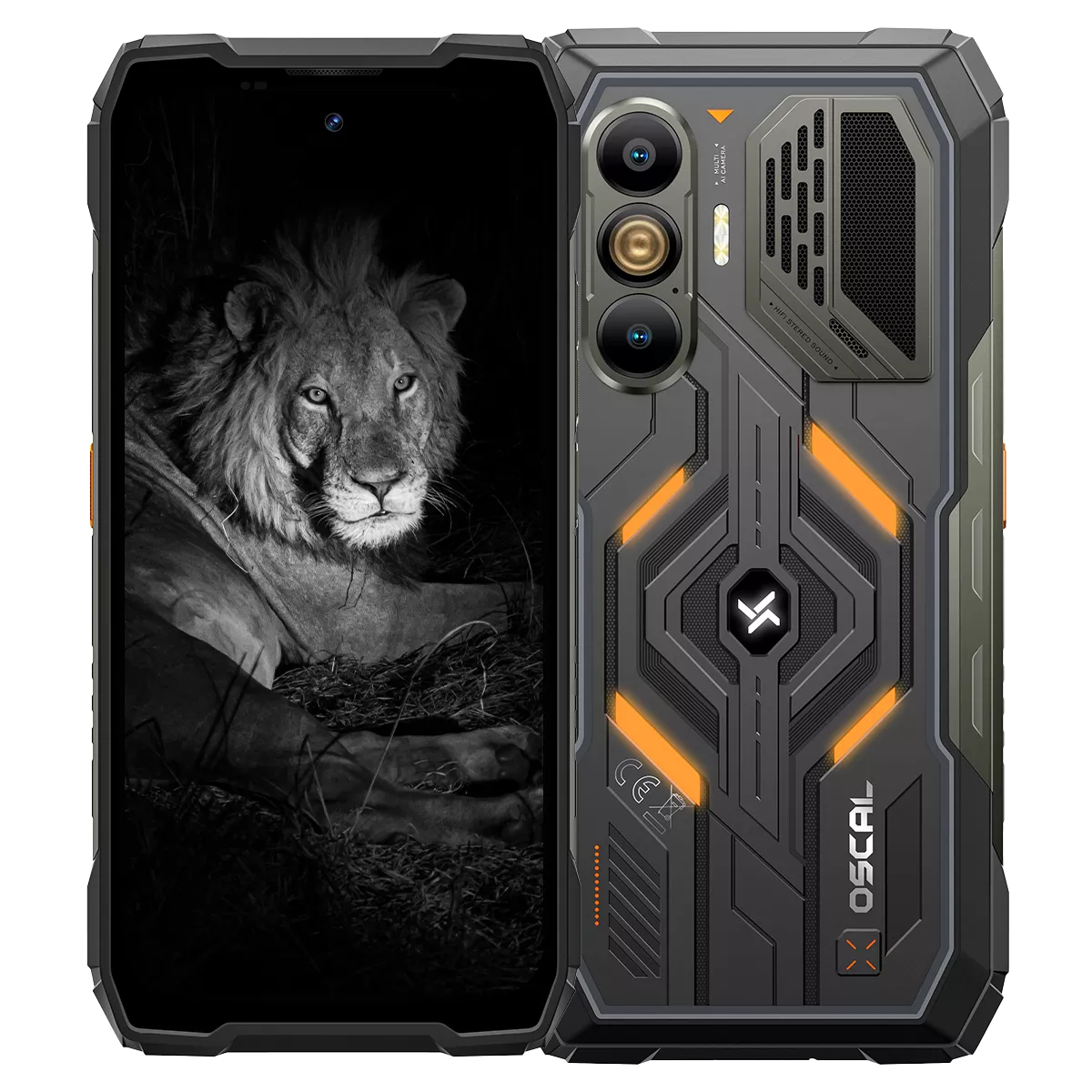
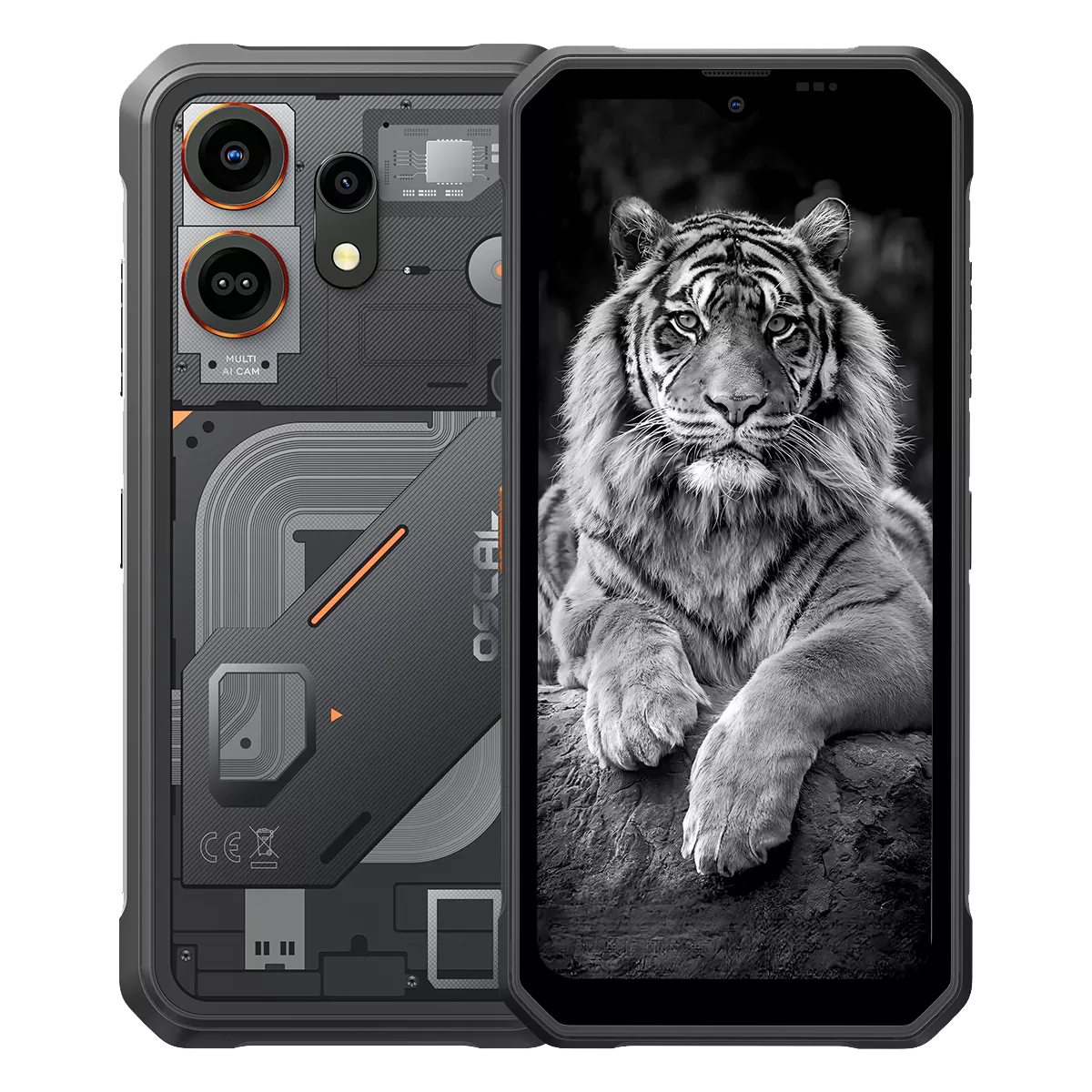
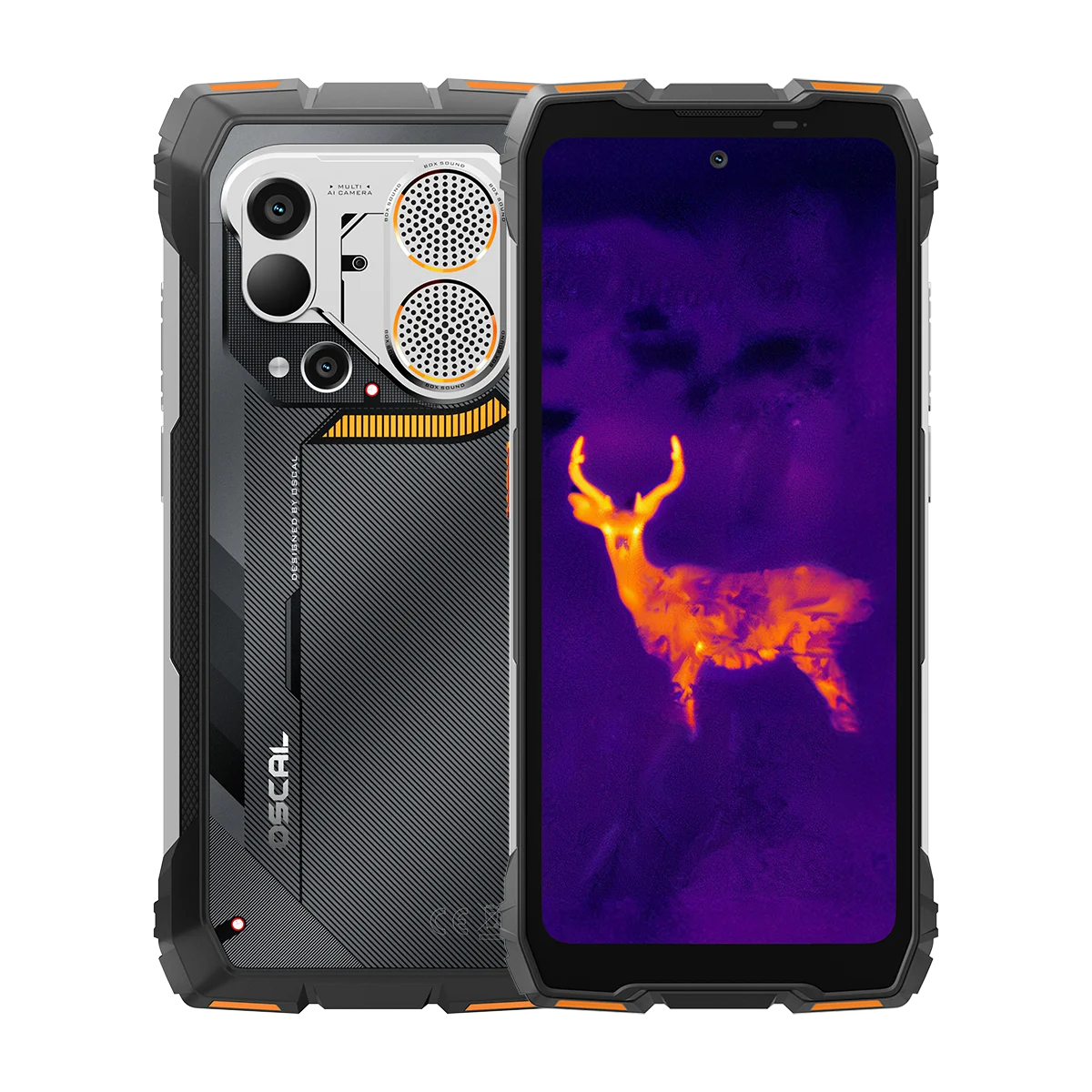
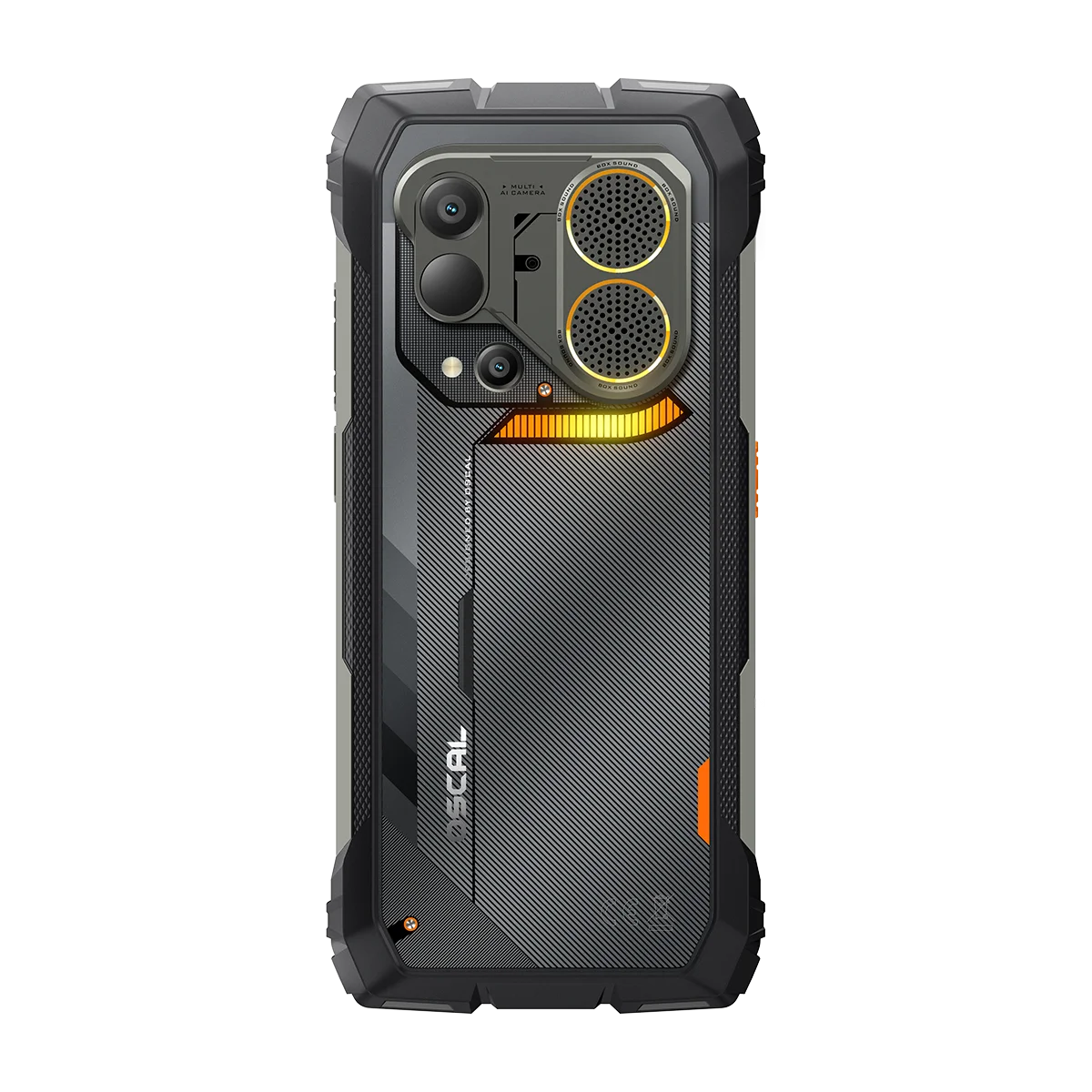
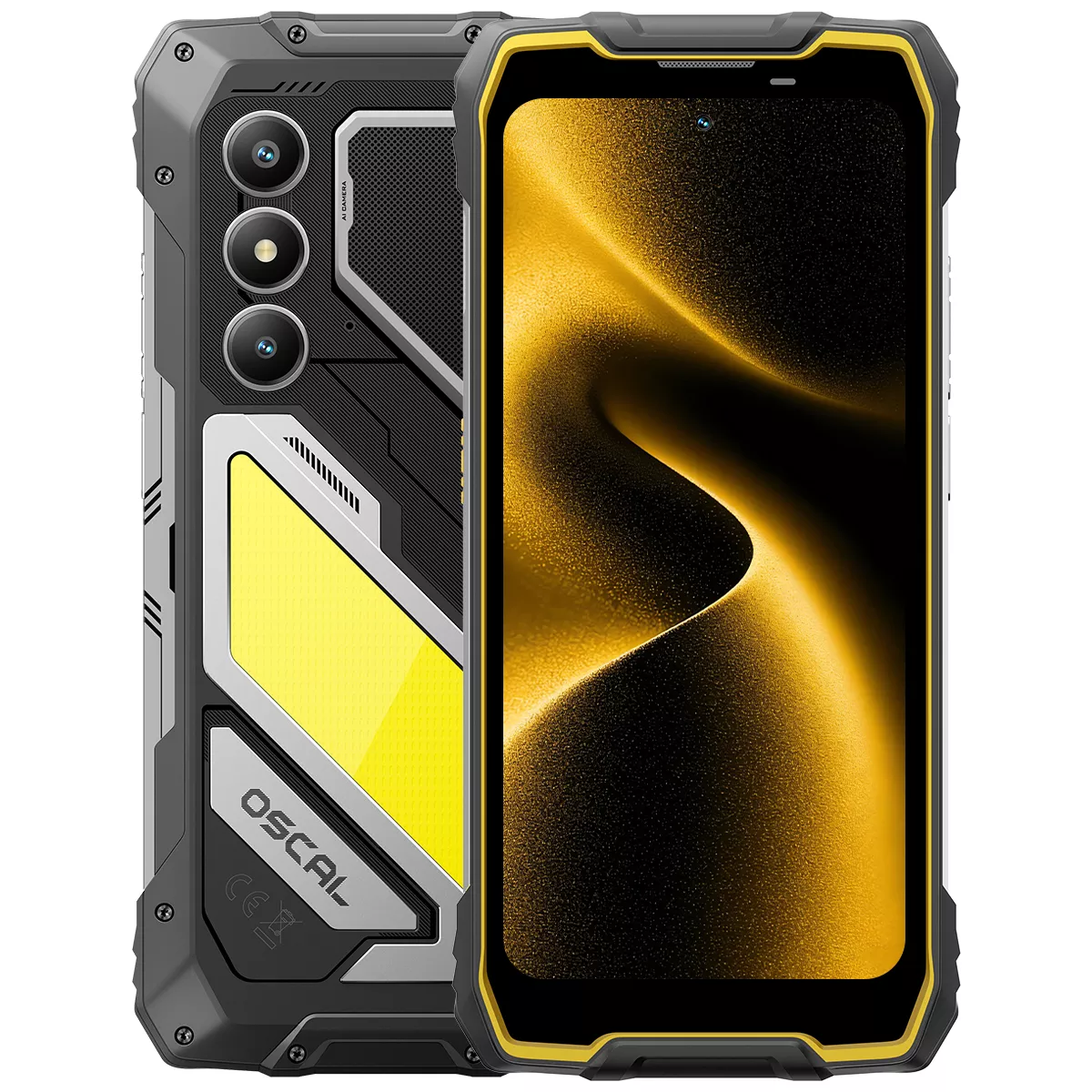
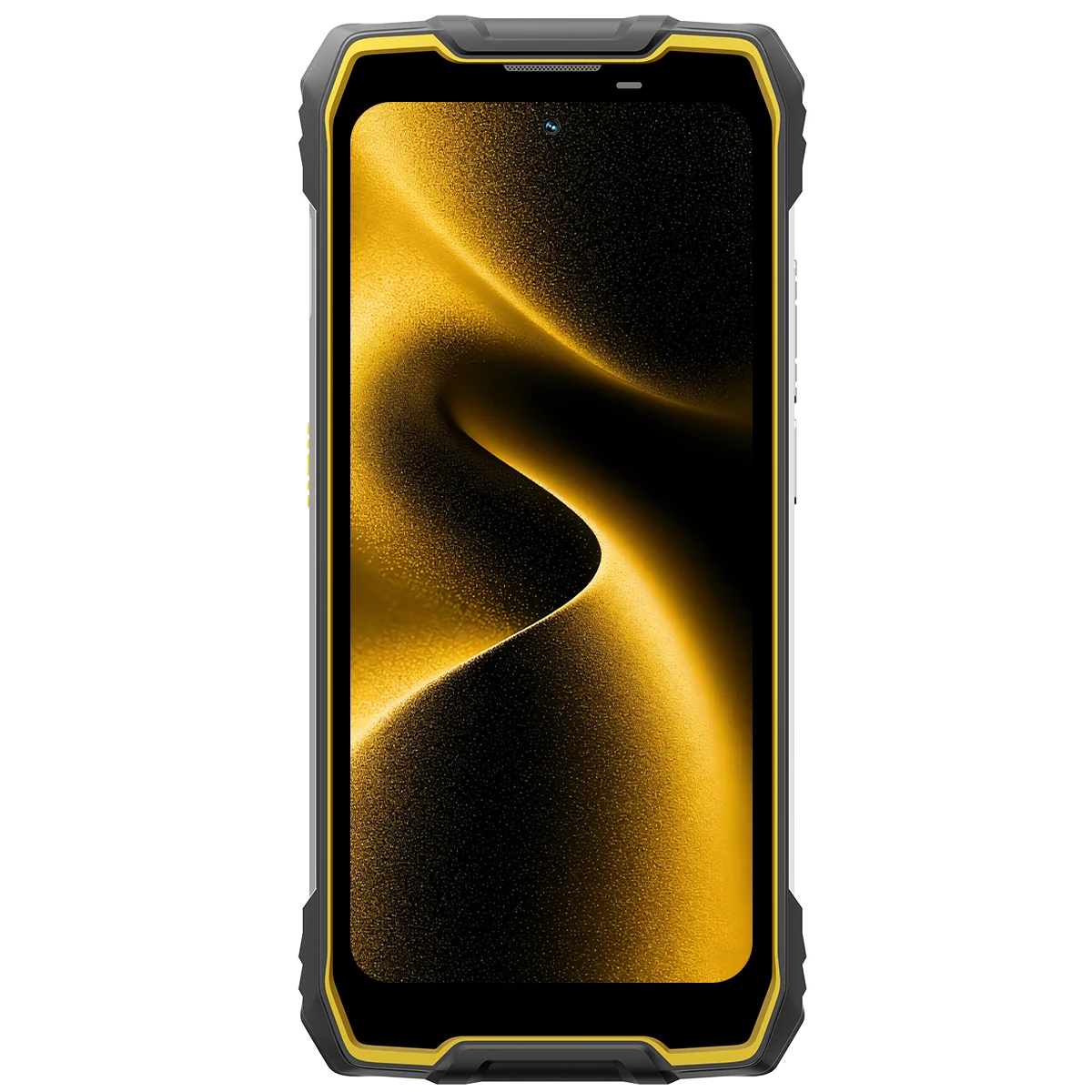
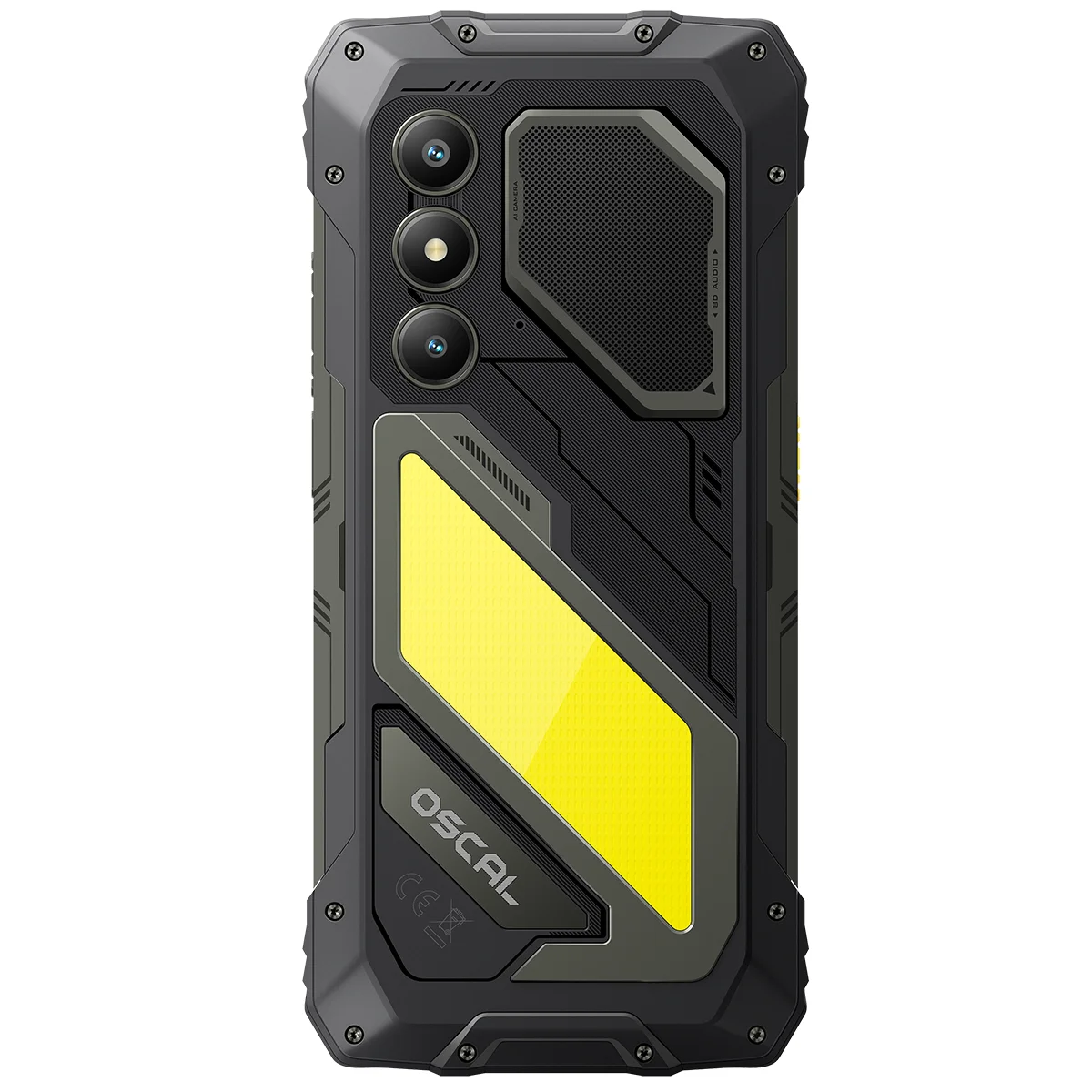
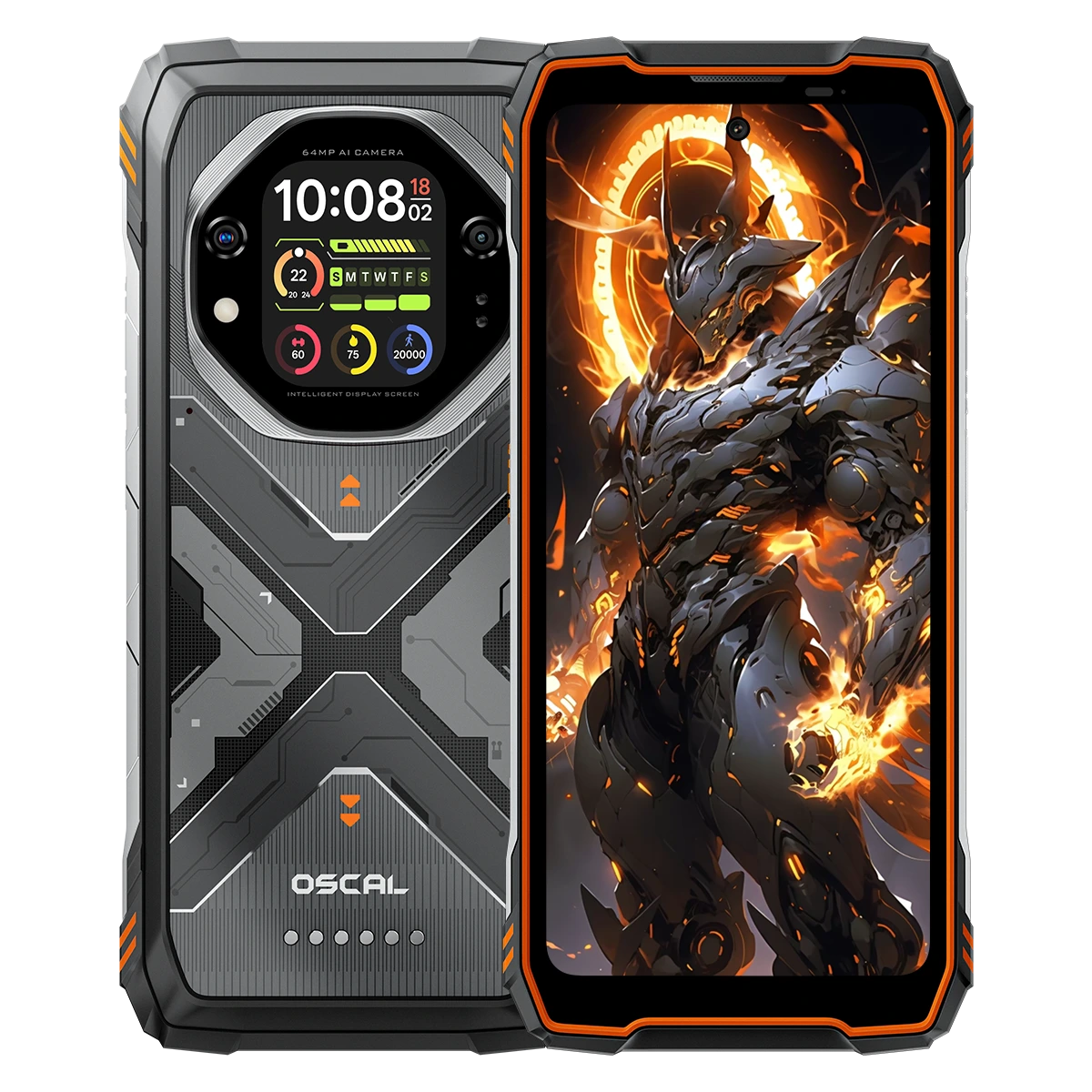
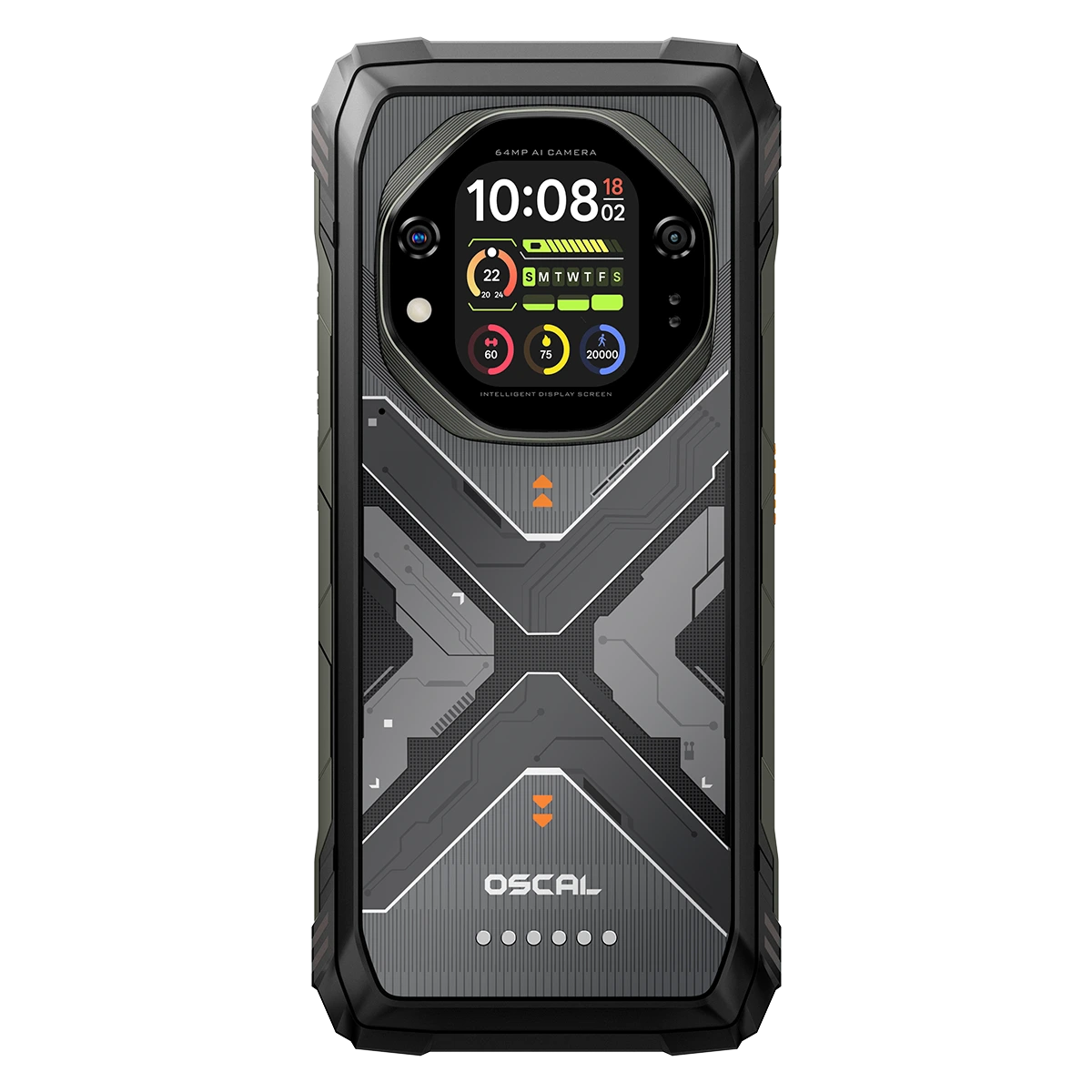
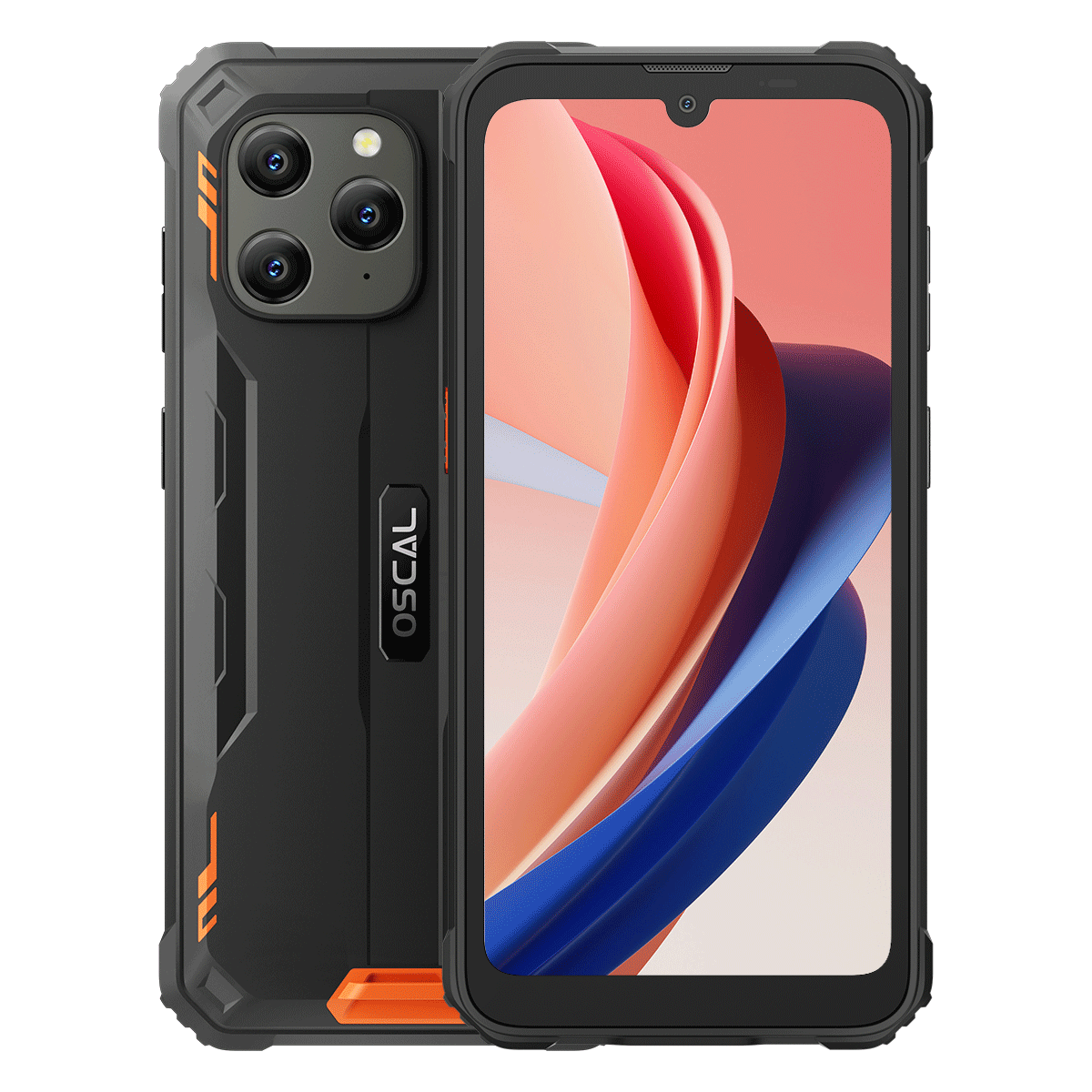
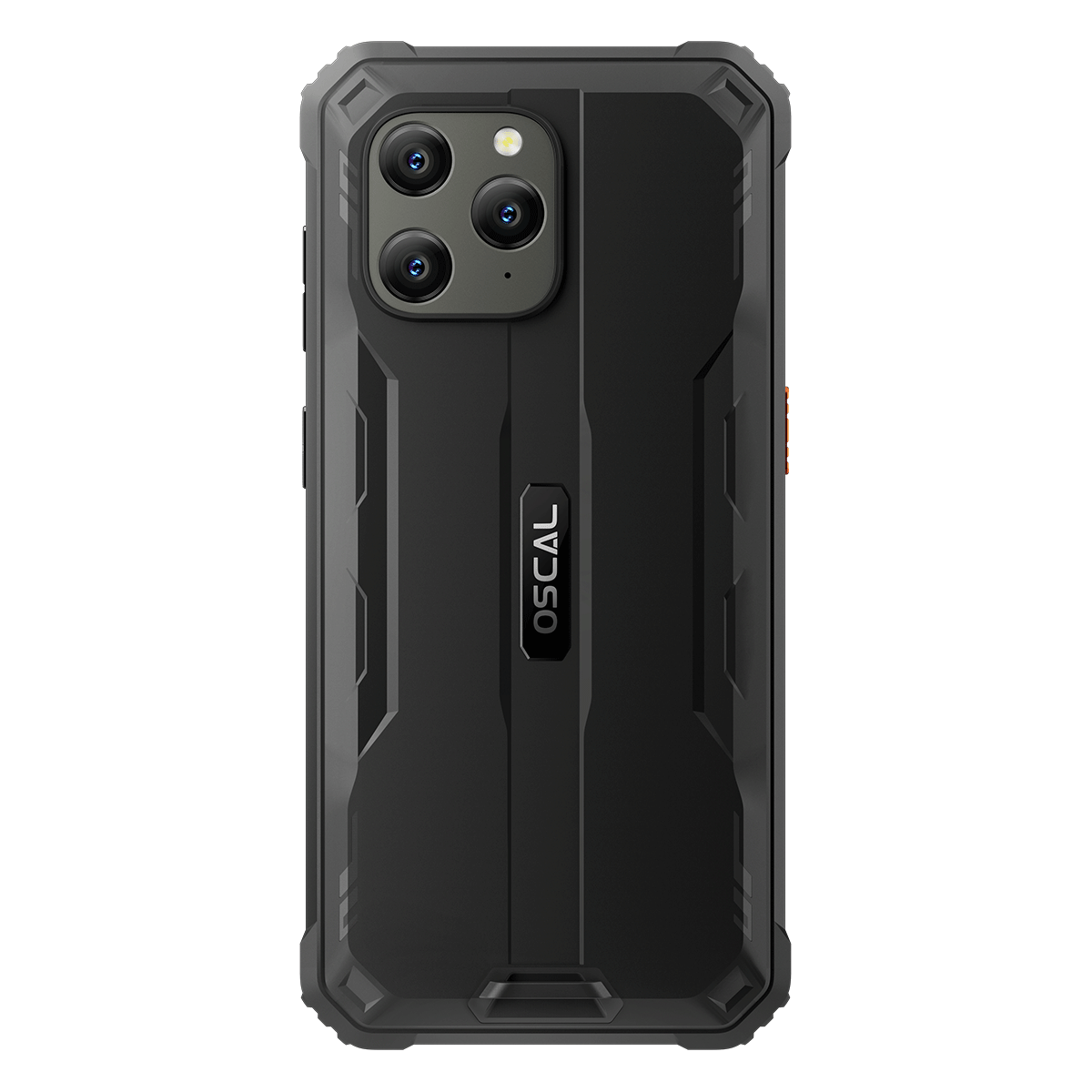
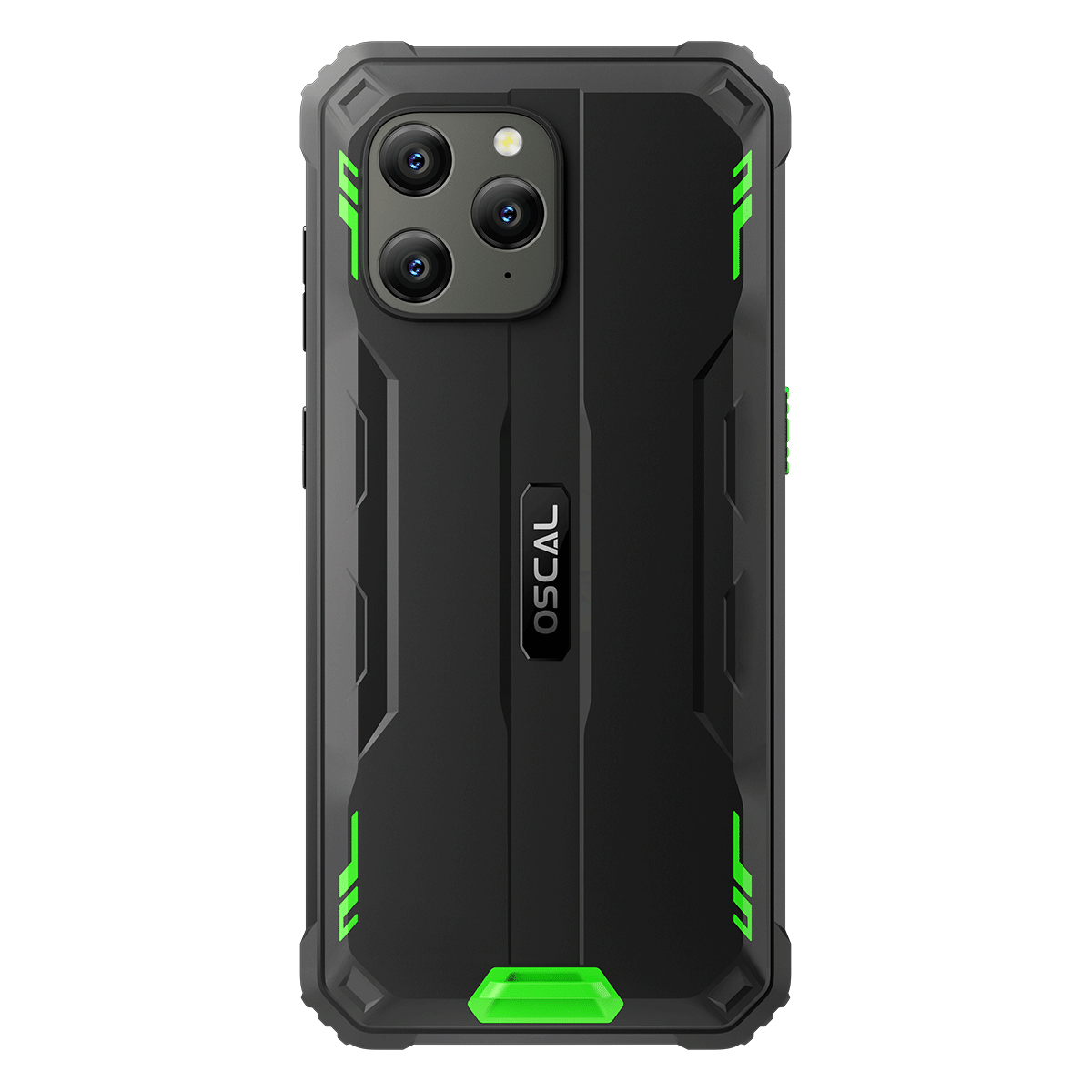
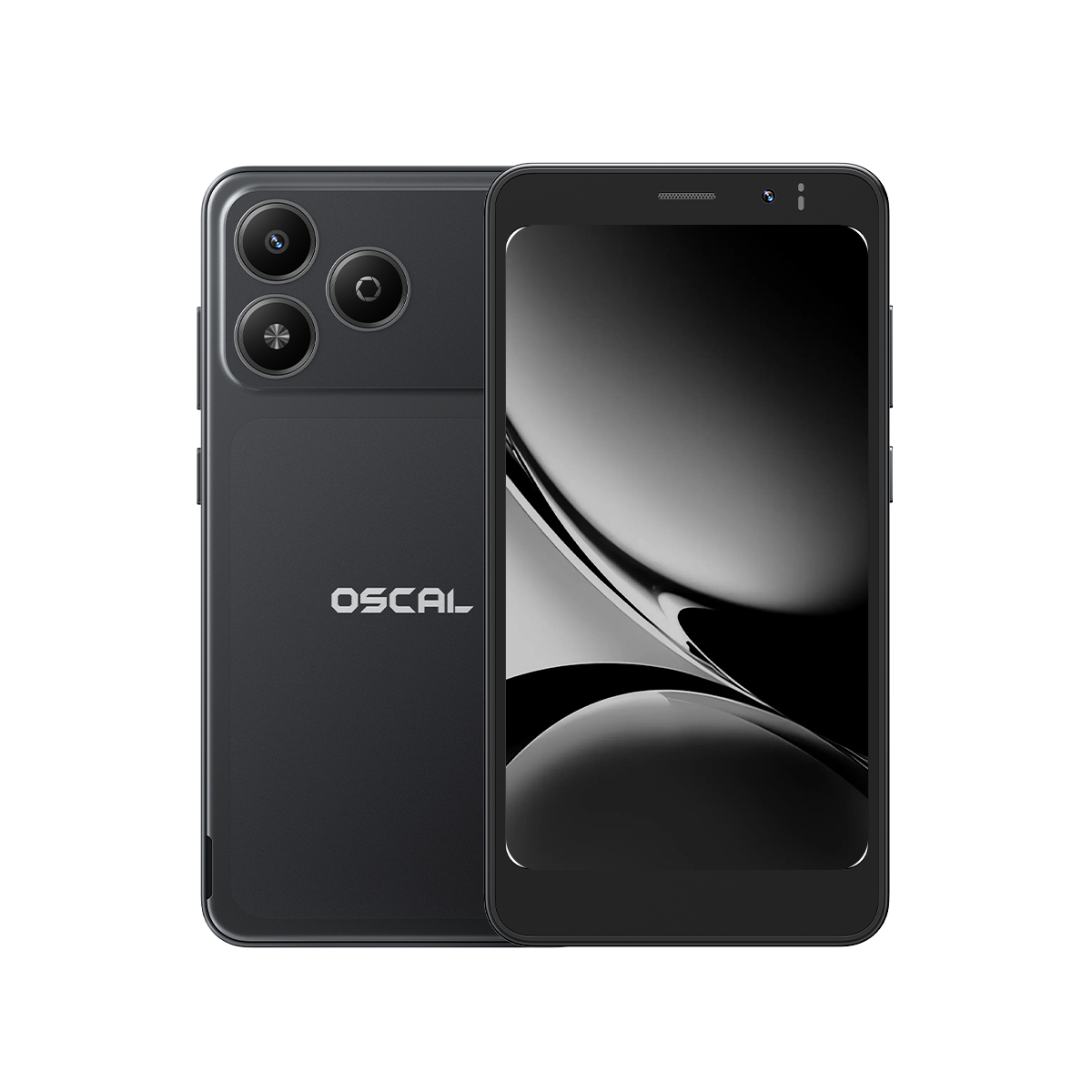
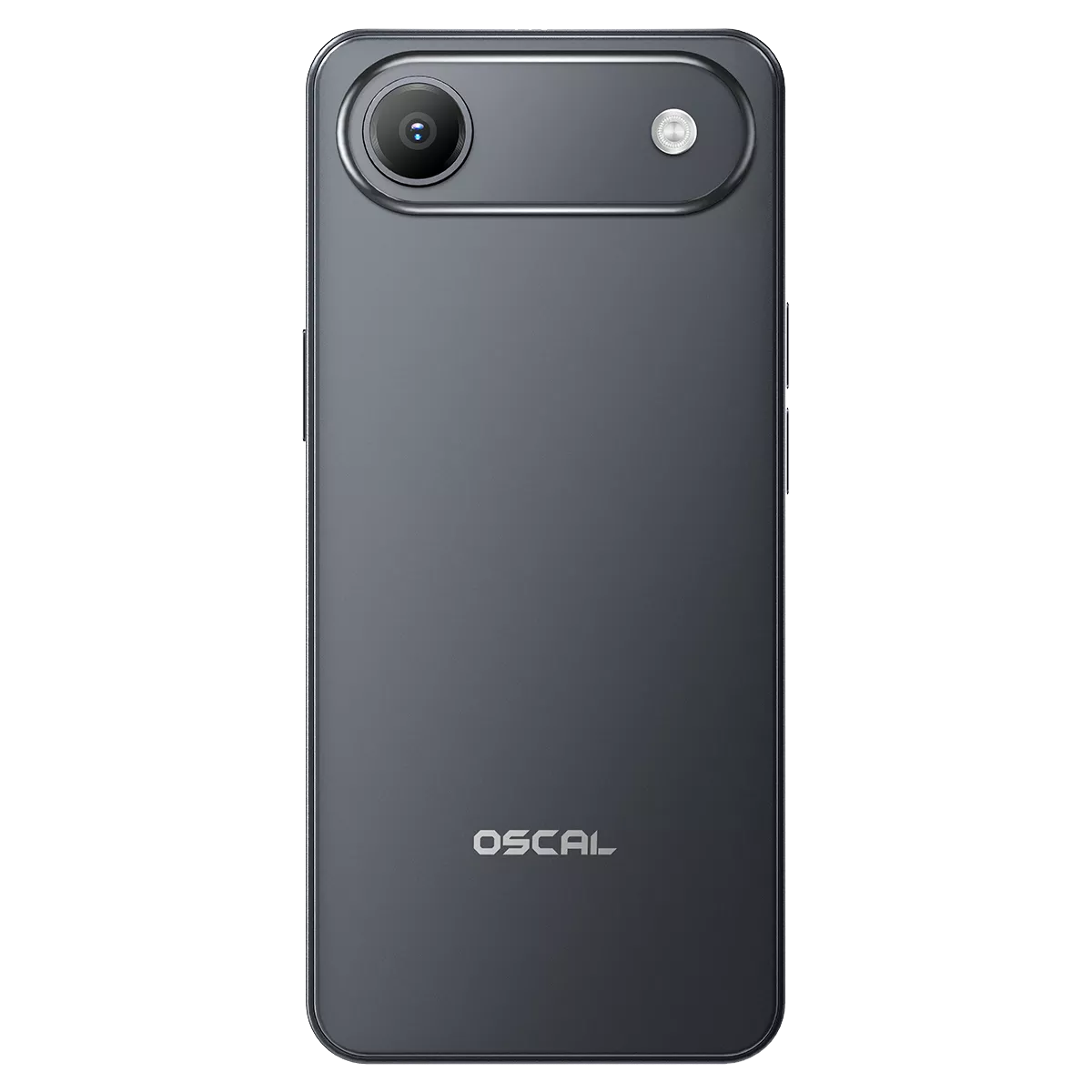
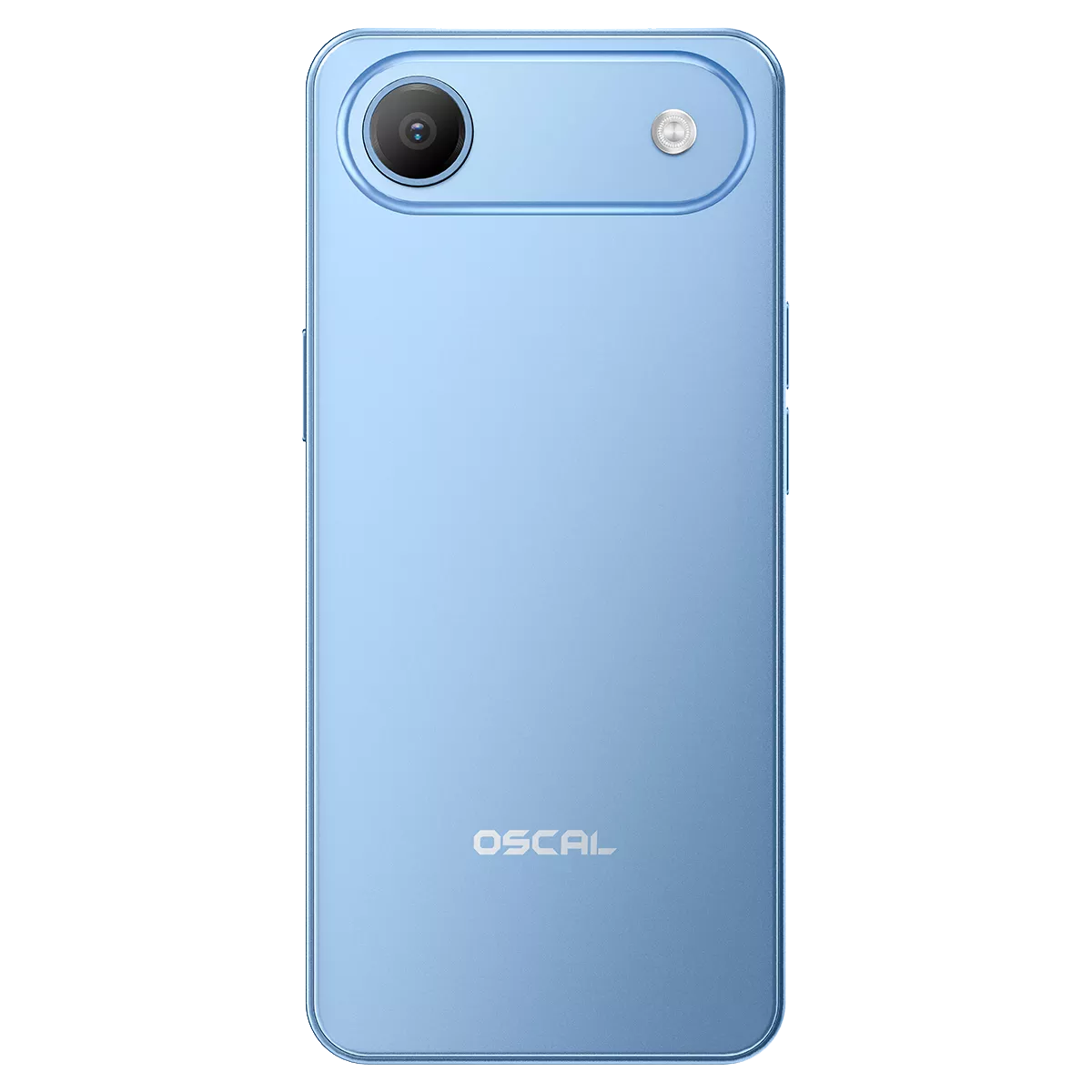
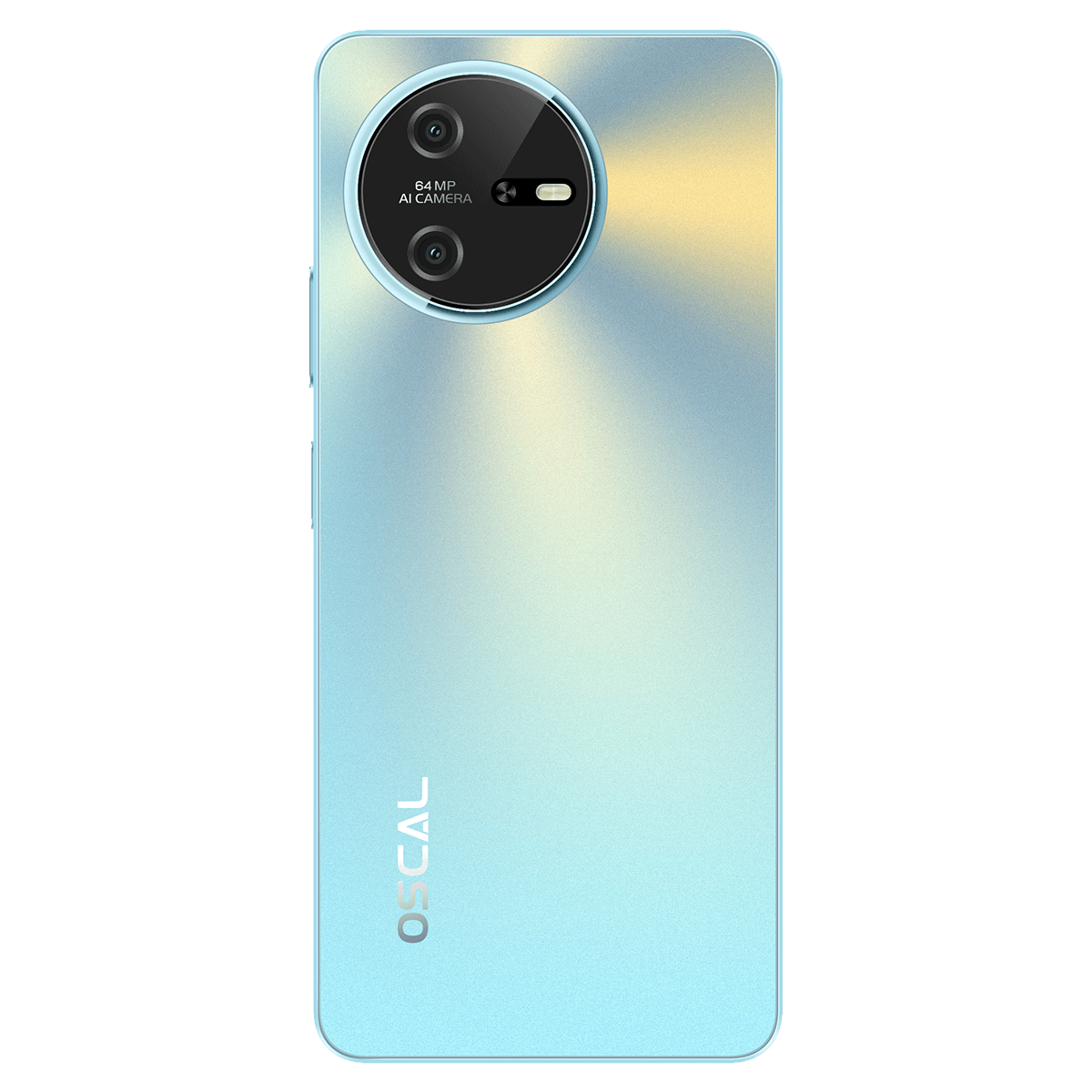
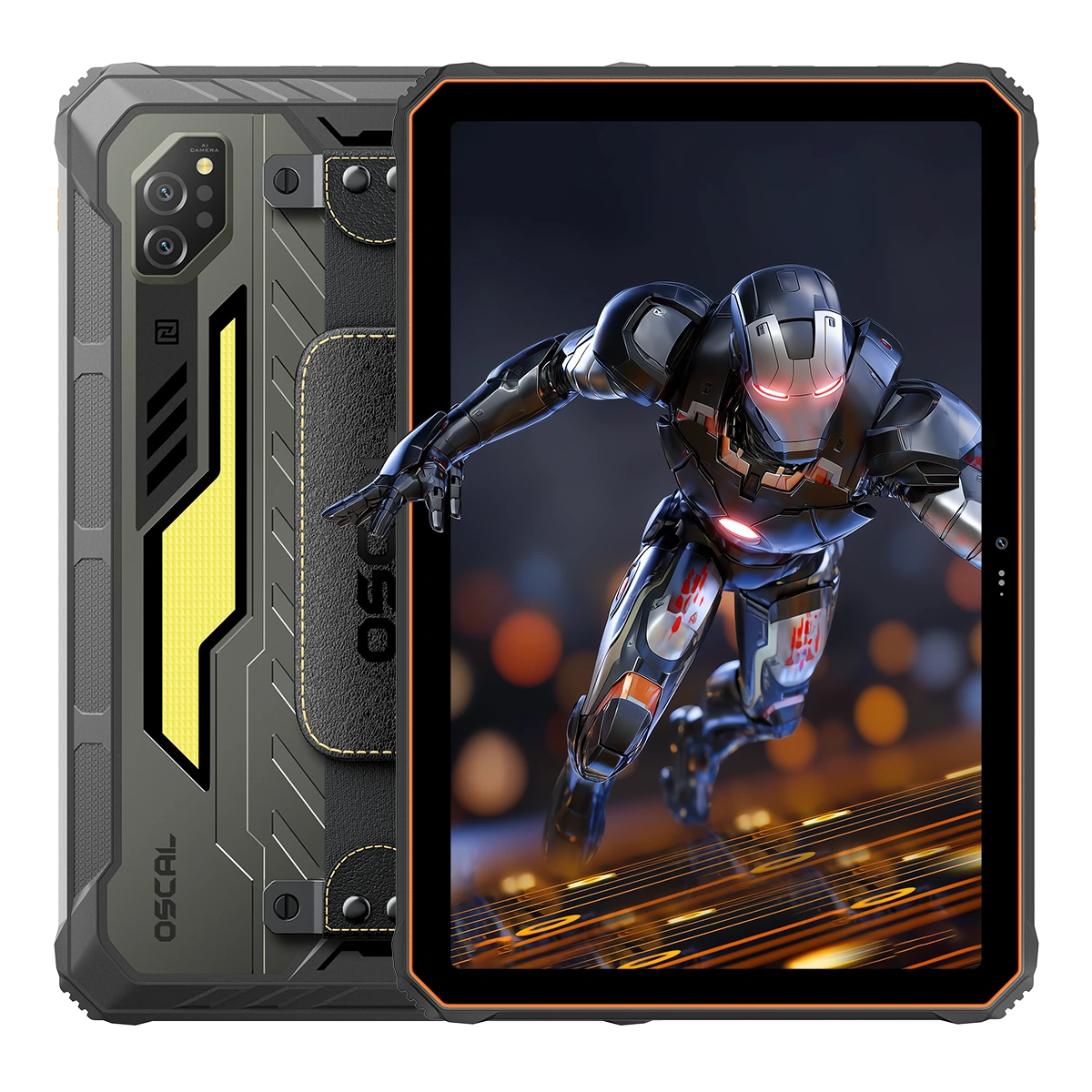
For adventurers traveling beyond cellular coverage, a satellite communicator can provide an important communication and safety option. These devices connect to satellite networks rather than relying on nearby mobile phone towers. Depending on the model and subscription, they may support two-way messaging, location sharing, and emergency SOS functions. (Besides, a rugged phone with satellite messaging is also a good option - this type of smartphone combines rugged, water-, drop-, and dust-proof features and ultra-long battery life into one, which is able to survive where other devices could not.)
Key features to examine include:
- Emergency SOS: Some devices allow users to contact a dedicated emergency response coordination service.
- Two-way messaging: Communicate with family members or other contacts outside cellular coverage.
- Location tracking: Share coordinates or progress during an expedition.
- Battery performance: Choose a device with sufficient operating time for your planned journey.
- Network coverage: Confirm that the satellite service supports your destination.
Satellite communicators are particularly valuable for remote hiking, mountaineering, sailing, and wilderness camping. However, they usually require a subscription, and satellite connections can be affected by terrain or surrounding obstacles. Learn the device's emergency procedures before relying on it in the field.
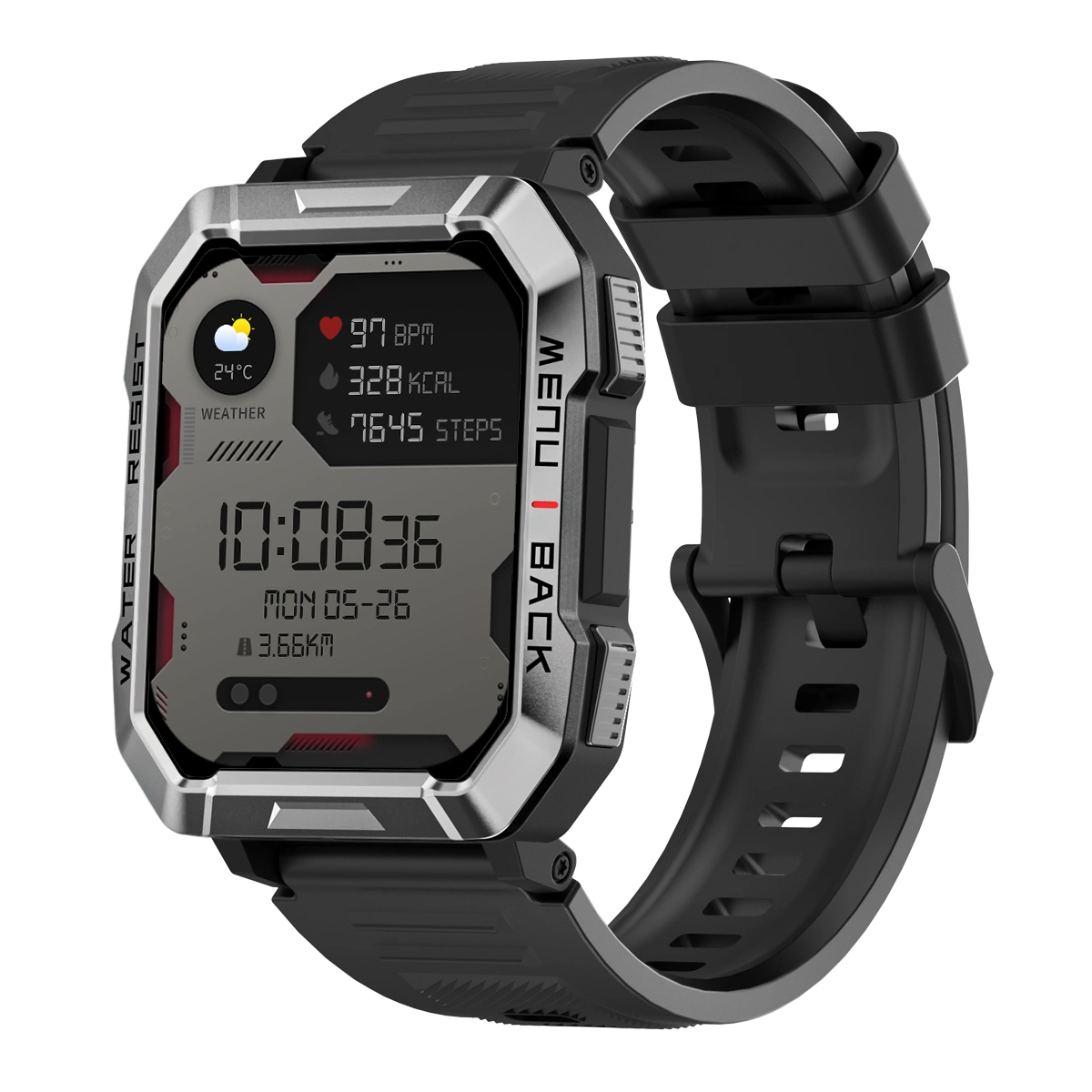
6. Smart Outdoor Watch
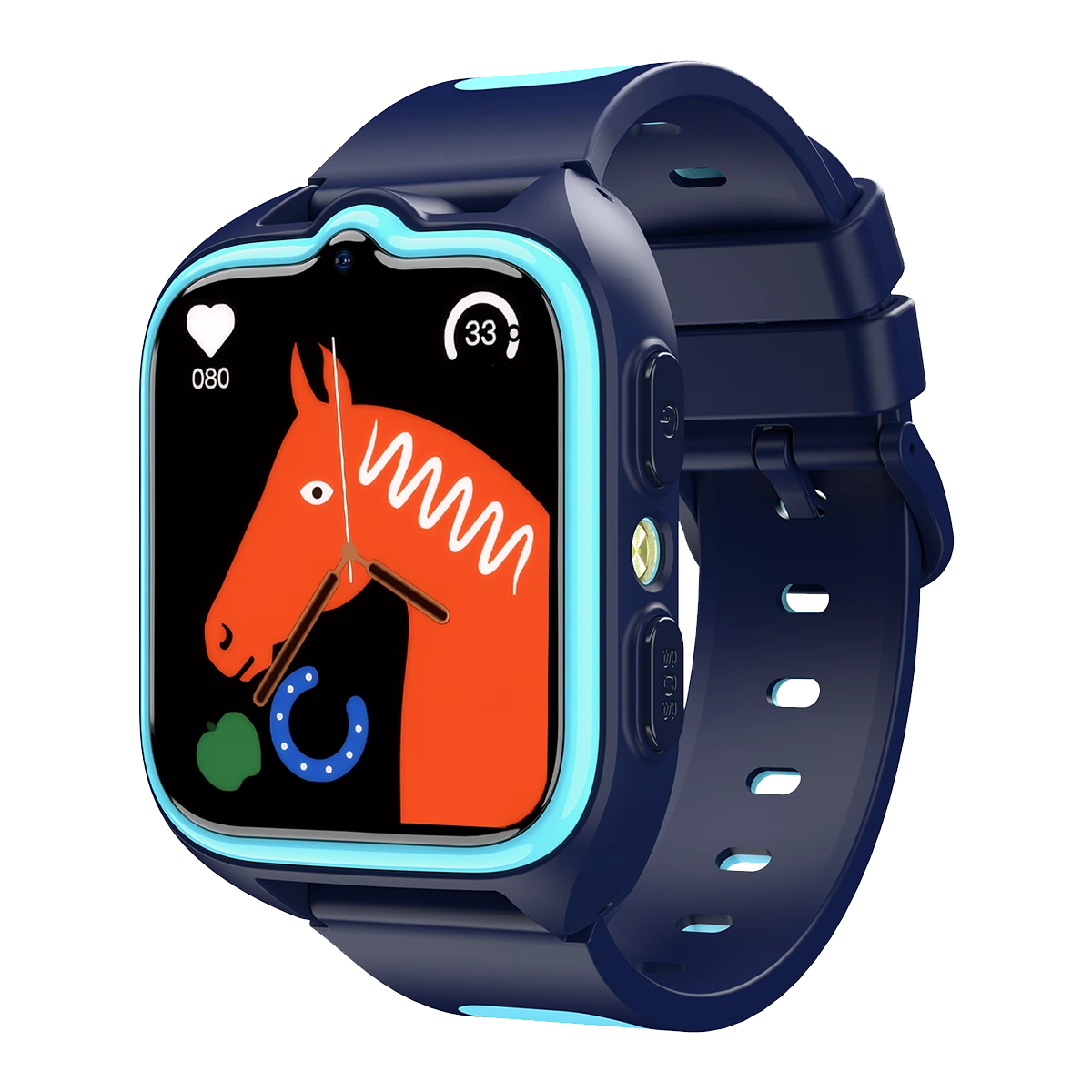
A rugged outdoor smartwatch combines everyday convenience with features designed for physical activities and exploration. Many models include GPS tracking, activity monitoring, weather information, navigation tools, and extended battery modes.
Useful features include:
- GPS tracking: Record routes, distances, and movement during outdoor activities.
- Altimeter: Estimate elevation changes during mountain hikes.
- Barometer: Monitor atmospheric pressure and identify changing weather trends.
- Compass: Provide directional information when exploring unfamiliar terrain.
- Health and activity monitoring: Track metrics such as heart rate, steps, and exercise duration.
- Durability: Look for scratch-resistant displays and appropriate water resistance.
An outdoor smartwatch can make trip planning and activity tracking more convenient. However, sensors and health measurements are not substitutes for professional navigation equipment or medical assessment. Battery life also varies considerably depending on GPS usage, screen brightness, and connected features.
7. Portable Water Filter
Access to safe drinking water is one of the most important considerations during outdoor adventures. A portable water filter allows hikers and campers to treat water collected from suitable natural sources, reducing the need to carry large quantities of bottled water.
Important considerations when choosing a water filter include:
- Filtration capability: Check which bacteria, parasites, and other contaminants the filter is designed to remove.
- Flow rate: A faster filtration rate makes filling bottles and hydration systems more convenient.
- Weight: Lightweight filters are particularly suitable for backpacking.
- Maintenance: Backflushing and cleaning requirements affect long-term usability.
- Replacement components: Check filter lifespan and replacement availability.
Portable filters are useful for hiking, camping, and extended wilderness trips. However, not every filter removes viruses, dissolved chemicals, or heavy metals. Select a treatment method appropriate for the water source, and follow local drinking-water safety guidance. When necessary, combine filtration with an appropriate disinfection method.
8. Action Camera
An action camera is a practical gadget for recording outdoor experiences. Its compact size, rugged design, and video stabilization features make it suitable for activities such as mountain biking, kayaking, skiing, hiking, and climbing.
When selecting an action camera, consider these factors:
- Video resolution: Higher resolutions provide more detail, although they require additional storage.
- Image stabilization: Electronic stabilization helps produce smoother footage during movement.
- Waterproof protection: Check whether the camera requires an additional housing for underwater use.
- Battery performance: Cold temperatures and high-resolution recording can reduce operating time.
- Mounting accessories: Helmet, chest, handlebar, and tripod mounts provide different recording perspectives.
An action camera allows adventurers to preserve memorable moments without carrying bulky photography equipment. Bringing spare batteries and sufficient memory cards is recommended, especially during longer trips.
9. Portable Camping Lantern
A portable camping lantern provides convenient illumination around a campsite. While a headlamp is ideal for hands-free personal lighting, a lantern can illuminate a tent, cooking area, or outdoor gathering space.
Look for the following characteristics:
- Adjustable brightness: Multiple lighting levels help balance visibility and battery consumption.
- Long runtime: Efficient LED technology can provide extended illumination.
- Rechargeable battery: USB charging reduces dependence on disposable batteries.
- Compact construction: Collapsible designs save space in backpacks.
- Weather protection: Water-resistant models are better suited to unpredictable outdoor conditions.
Some camping lanterns also function as power banks, offering an additional way to charge small electronic devices. However, check their actual battery capacity and lighting runtime rather than relying only on advertised maximum figures.
10. Compact Multi-Tool
A compact multi-tool is a versatile piece of equipment that combines several useful functions into one portable device. It can help with minor repairs, equipment adjustments, food preparation, and other everyday tasks around a campsite.
Depending on the model, common features may include:
- Pliers: Useful for gripping small components and handling minor repairs.
- Screwdrivers: Help tighten loose screws on camping equipment.
- Scissors: Convenient for cutting packaging, cord, and lightweight materials.
- Can and bottle openers: Useful for preparing certain packaged foods and drinks.
- Small blades: Suitable for ordinary cutting tasks when handled safely.
- Compact carrying case: Helps keep the tool secure and organized.
Choose a multi-tool based on the activities you actually participate in rather than the number of functions it advertises. Check local regulations regarding carrying blades and other restricted tools, and always use sharp components responsibly.
How to Choose the Right Gadgets for Your Outdoor Adventures
Not every adventurer needs all ten gadgets. Your equipment should reflect the length, location, difficulty, and specific requirements of your trip. A short afternoon walk requires different preparation from a week-long wilderness expedition.
Before purchasing outdoor technology, evaluate the following factors:
- Purpose: Identify the activities you plan to undertake and prioritize equipment that directly supports them.
- Weight: Backpackers should pay particular attention to the combined weight of their gadgets and accessories.
- Battery requirements: Consider charging options, operating time, and access to replacement batteries.
- Durability: Select equipment designed to withstand the environmental conditions you expect to encounter.
- Ease of use: Simple controls and accessible features are especially important in emergencies.
- Budget: Compare essential features and long-term maintenance costs rather than focusing exclusively on the initial purchase price.
- Compatibility: Check whether chargers, cables, mounts, and accessories work with your existing equipment.
Conclusion
The right gadgets can transform outdoor adventures by improving navigation, communication, comfort, and personal safety. From portable solar chargers and GPS devices to satellite communicators and water filters, modern technology offers practical solutions to many challenges encountered in nature. Each gadget serves a different purpose, so choosing equipment that matches your activities is more important than carrying every available device.
Before heading outdoors, test your equipment, charge your batteries, download necessary maps, and understand how each device works. Remember that technology should support responsible outdoor preparation rather than replace essential skills, appropriate clothing, emergency supplies, and careful planning. With the right combination of reliable gadgets and good preparation, you can enjoy more comfortable, organized, and memorable outdoor adventures.


