

























 (1)-20251204034946188.jpg)














Welcome to OSCAL (Well-known Chinese brand of portable power stations, projectors, rugged outdoor smartphones, and tablets) blog. Hope this guide has been helpful.
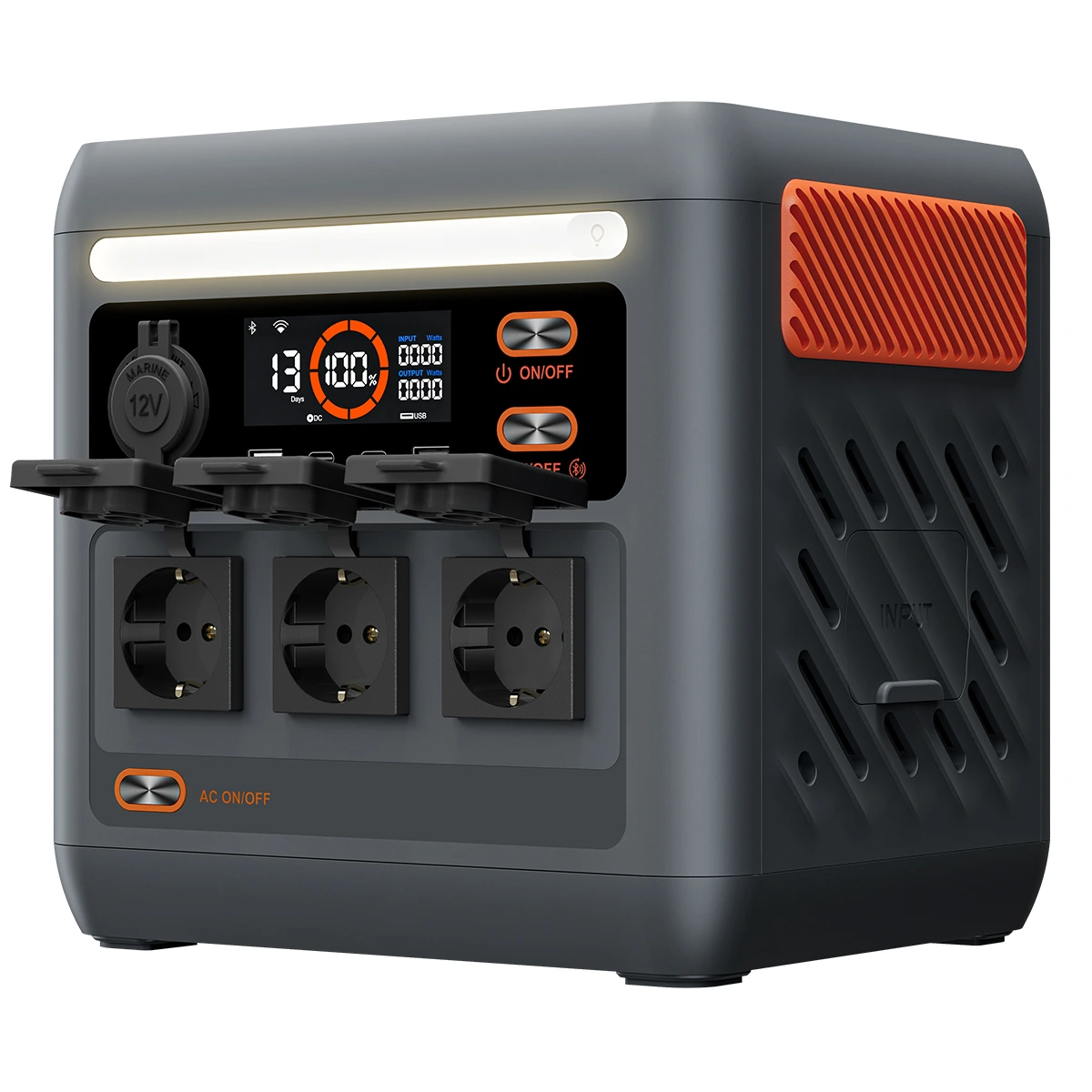
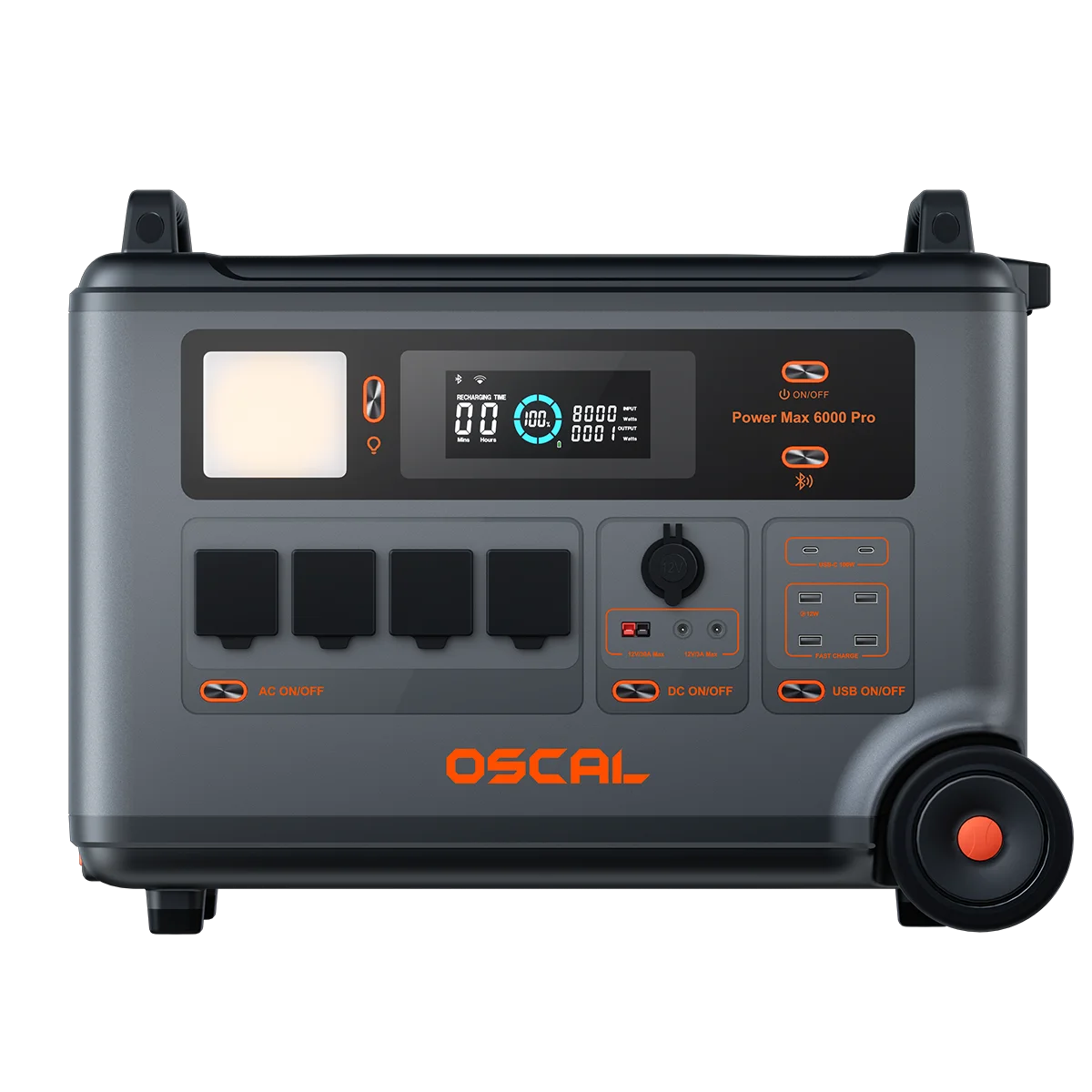
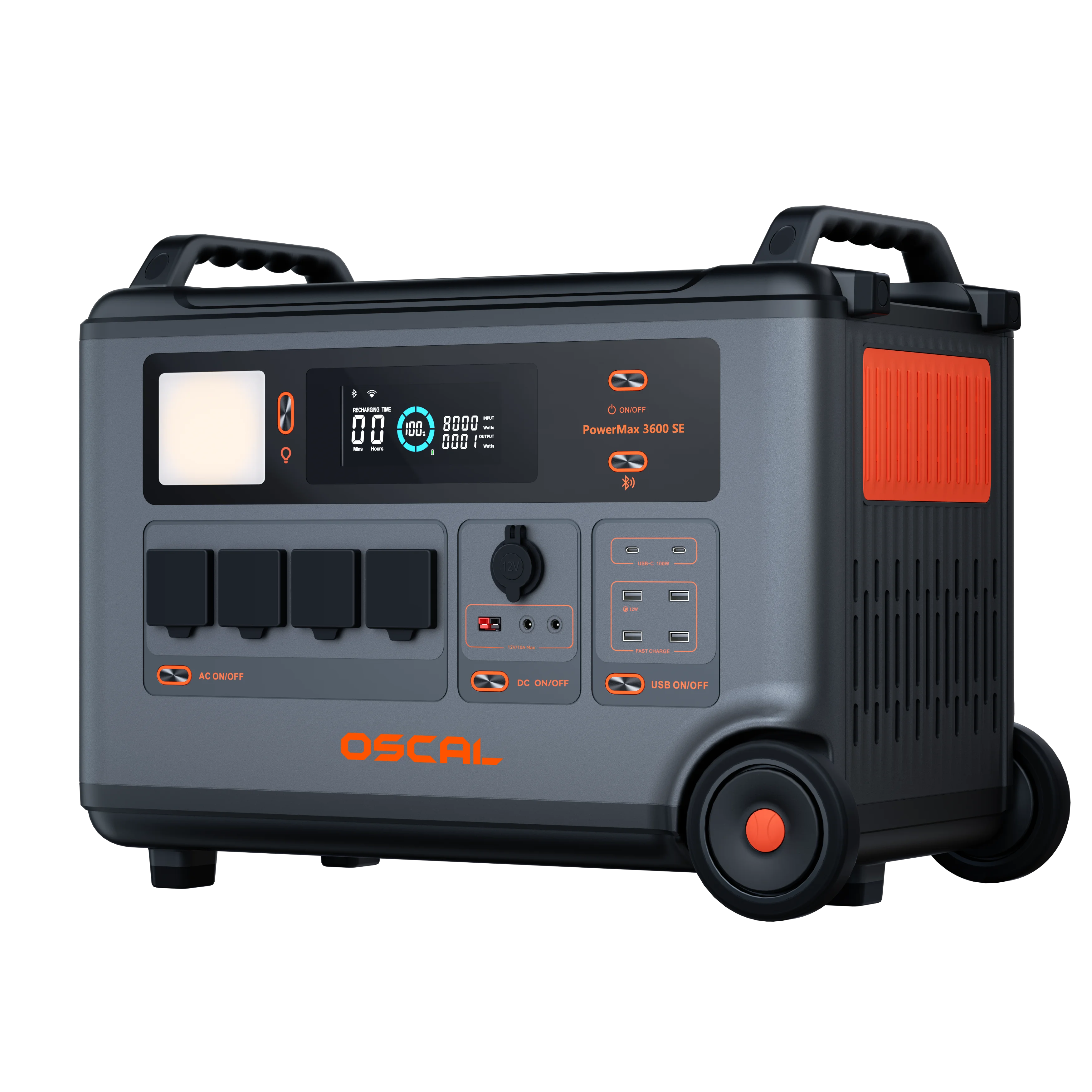
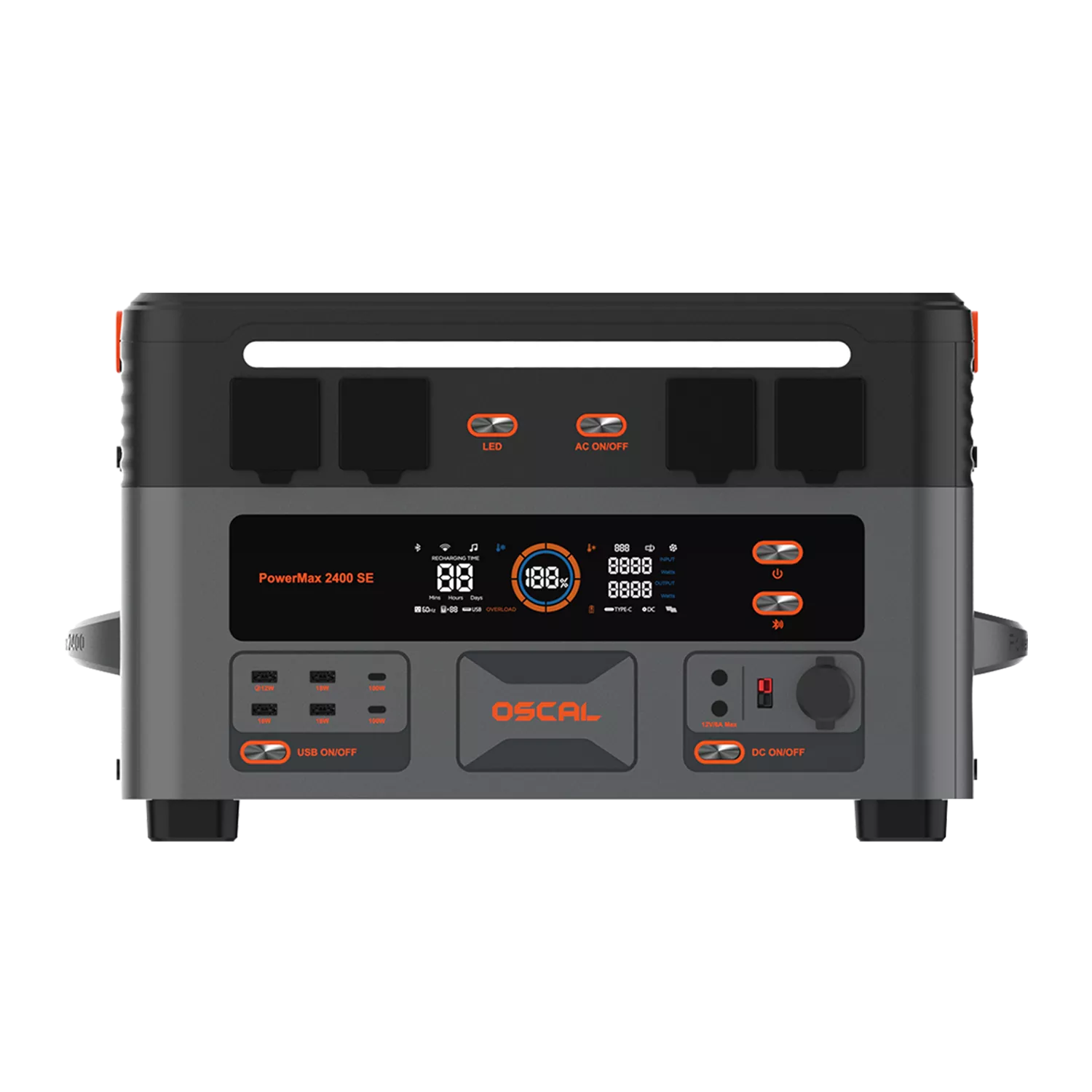
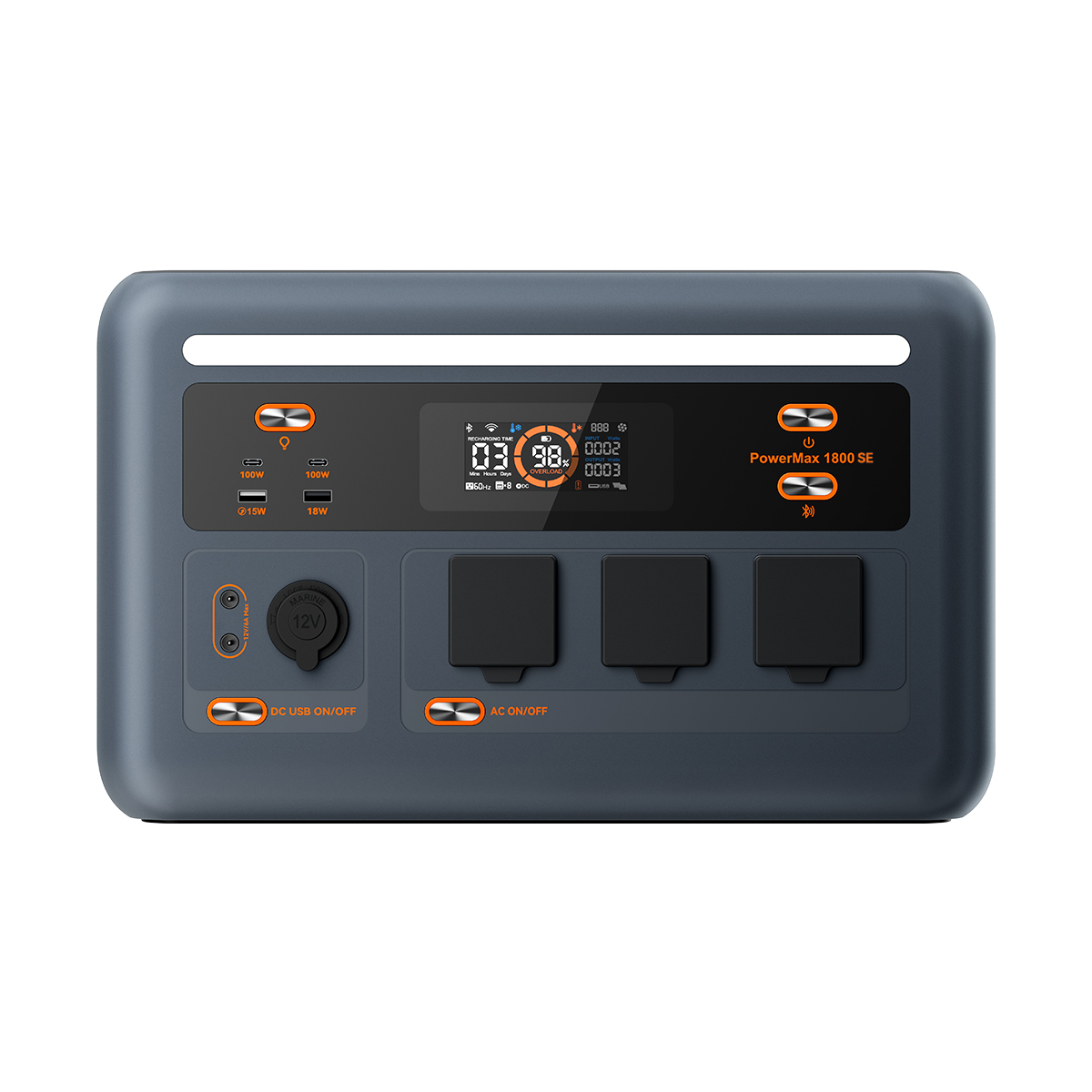
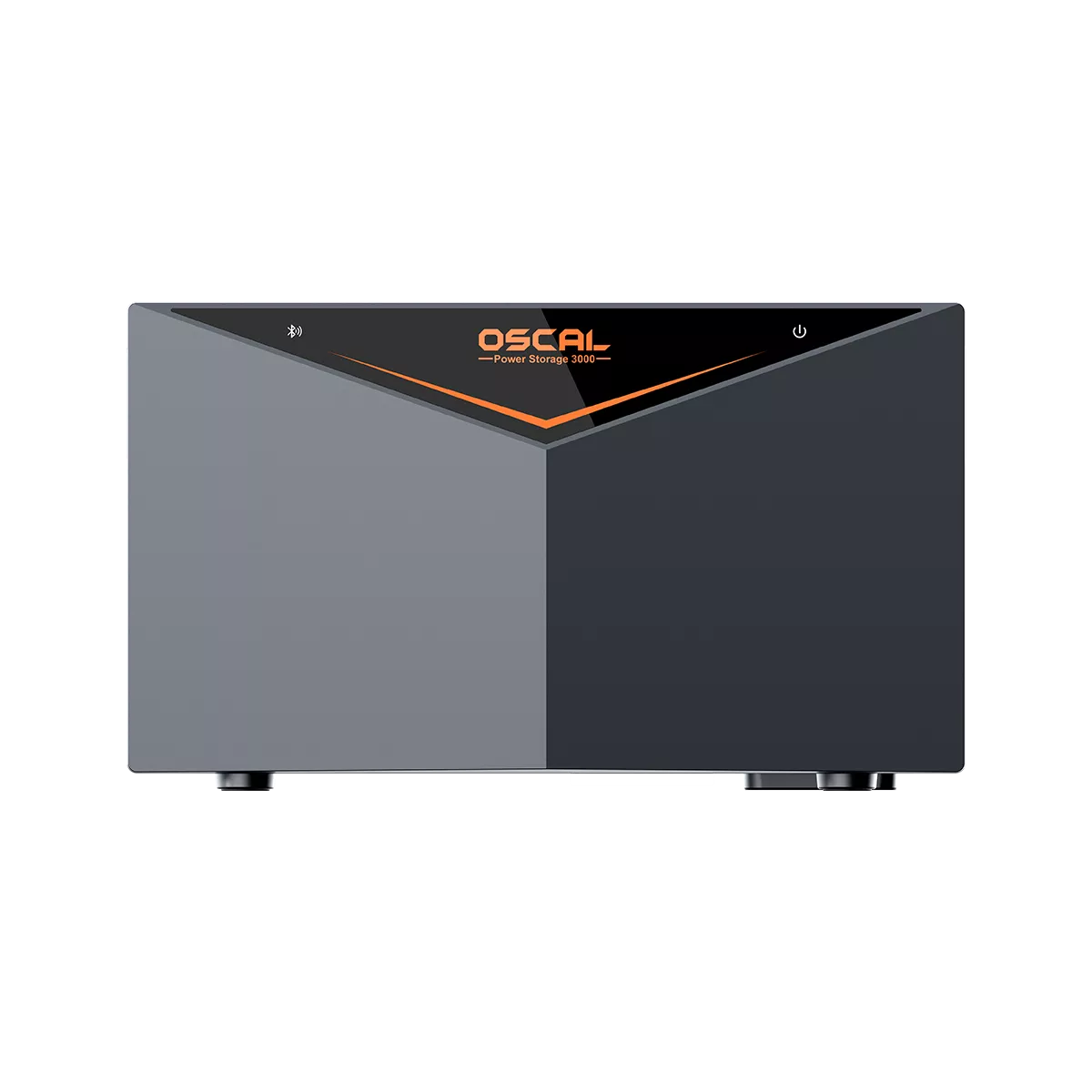
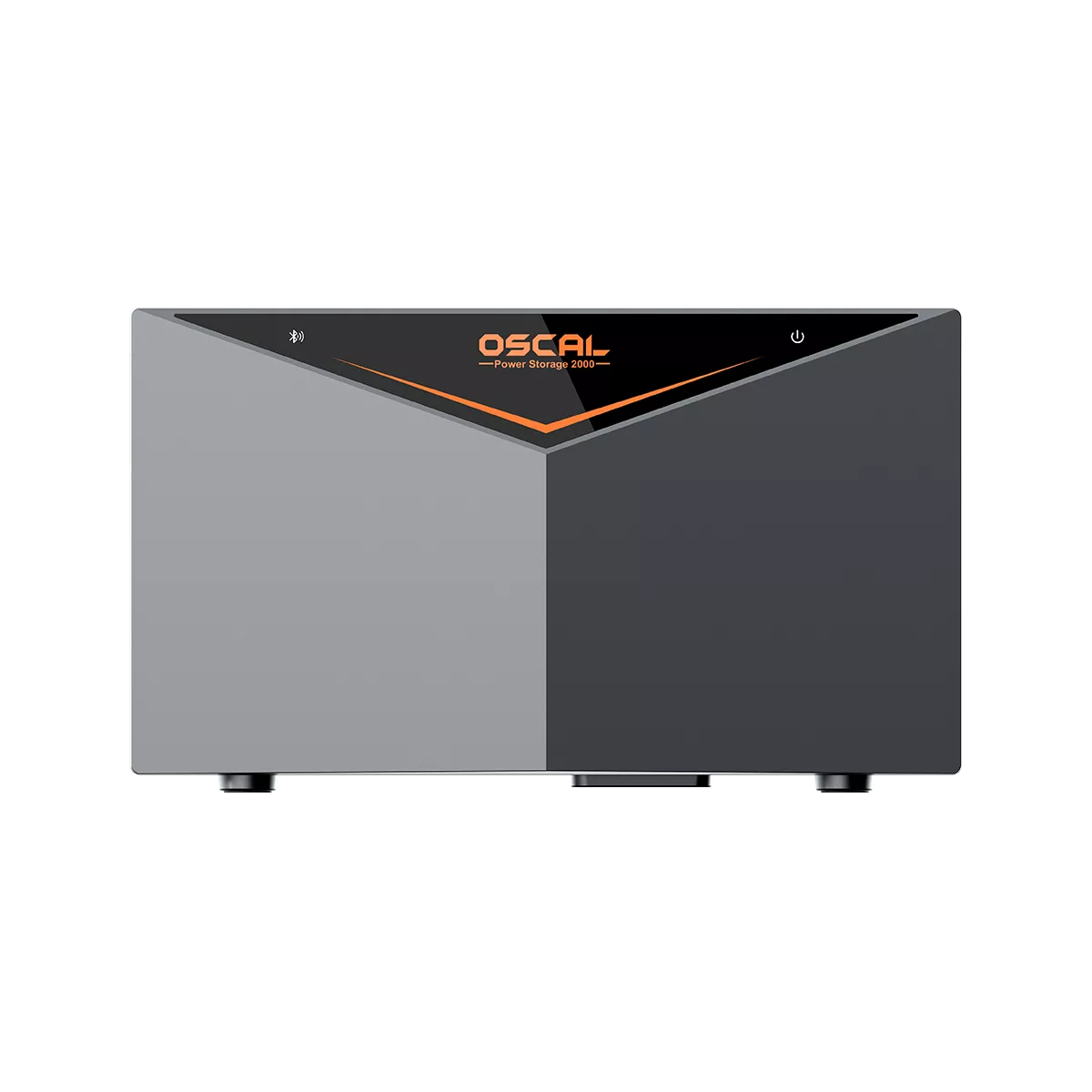
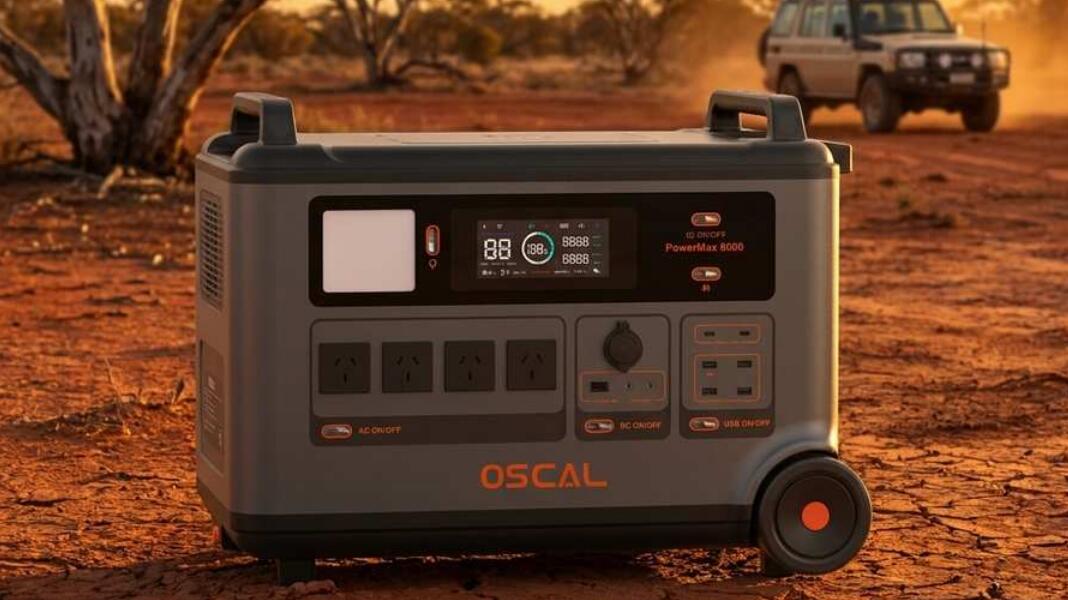
A portable power station is a rechargeable battery-powered device designed to provide electricity when a traditional power outlet is unavailable. Unlike a small power bank, it can usually supply power to a wider range of devices, including phones, laptops, lights, small appliances, and other electronics. Its compact design makes it useful both at home and outdoors.
- Read also: How to reset a portable power station?
- How to charge a portable power station?
- Can you charge an electric car with a portable power station?
With different capacities, output ports, and charging options available, portable power stations can serve many purposes. They can provide backup electricity during power outages, support outdoor activities, and make remote work or travel more convenient. The right model depends on how much power you need and which devices you plan to operate.
Below are the common uses for a portable power station:
1. Emergency Backup Power
One of the most common uses for a portable power station is emergency backup power. During a blackout, it can keep essential electronic devices running until electricity is restored.
- Charge smartphones and tablets
- Power Wi-Fi routers and modems
- Keep emergency lights operating
- Run small fans
- Power radios and communication equipment
This can be particularly useful during severe weather, unexpected electrical failures, or other situations where access to the grid is temporarily interrupted.
2. Camping and Outdoor Activities
Portable power stations are popular with campers because they provide electricity away from campsites with reliable outlets. Instead of relying entirely on disposable batteries, users can recharge devices from one central power source.
- Power camping lights
- Charge cameras and drones
- Recharge phones and GPS devices
- Run portable speakers
- Operate small coolers or refrigerators
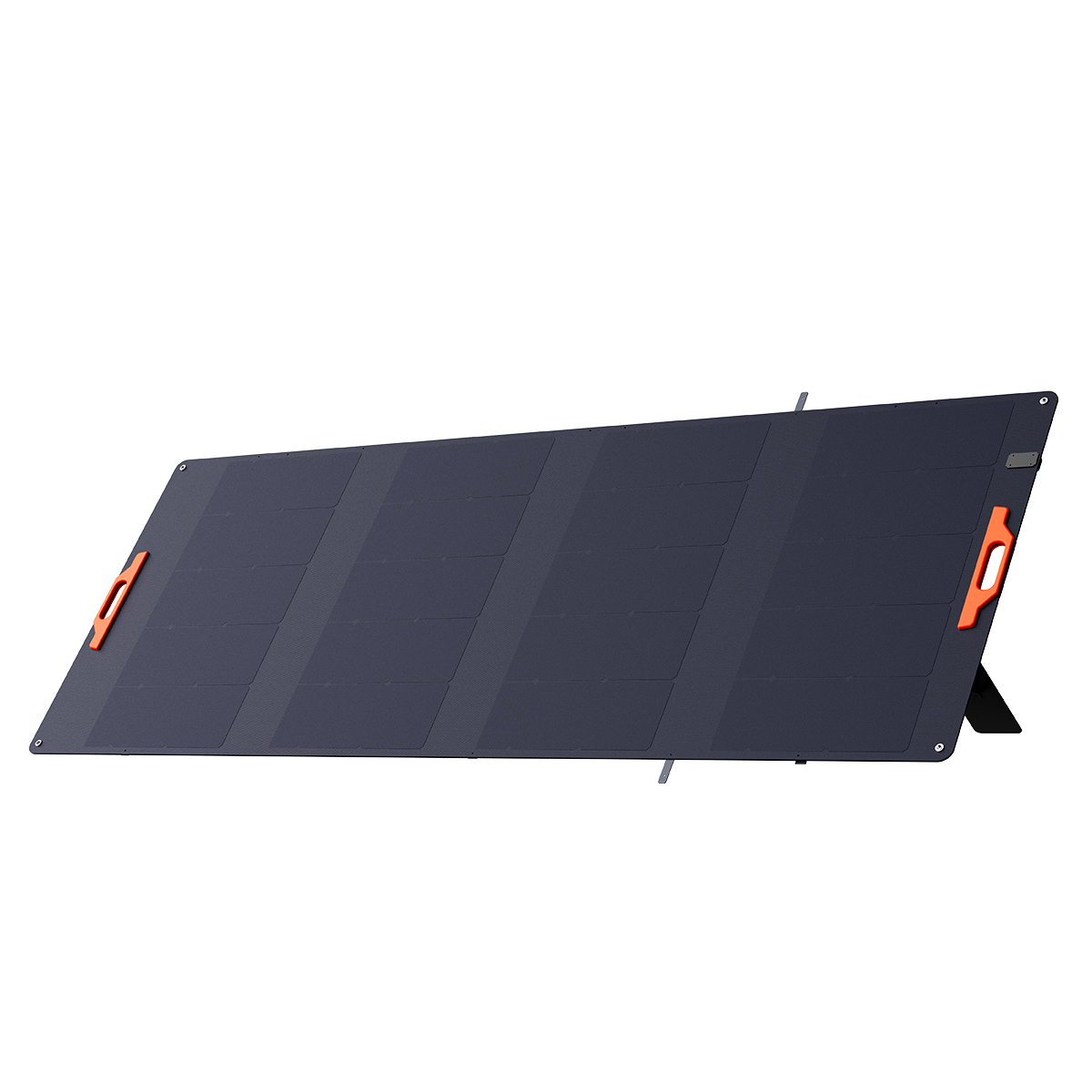
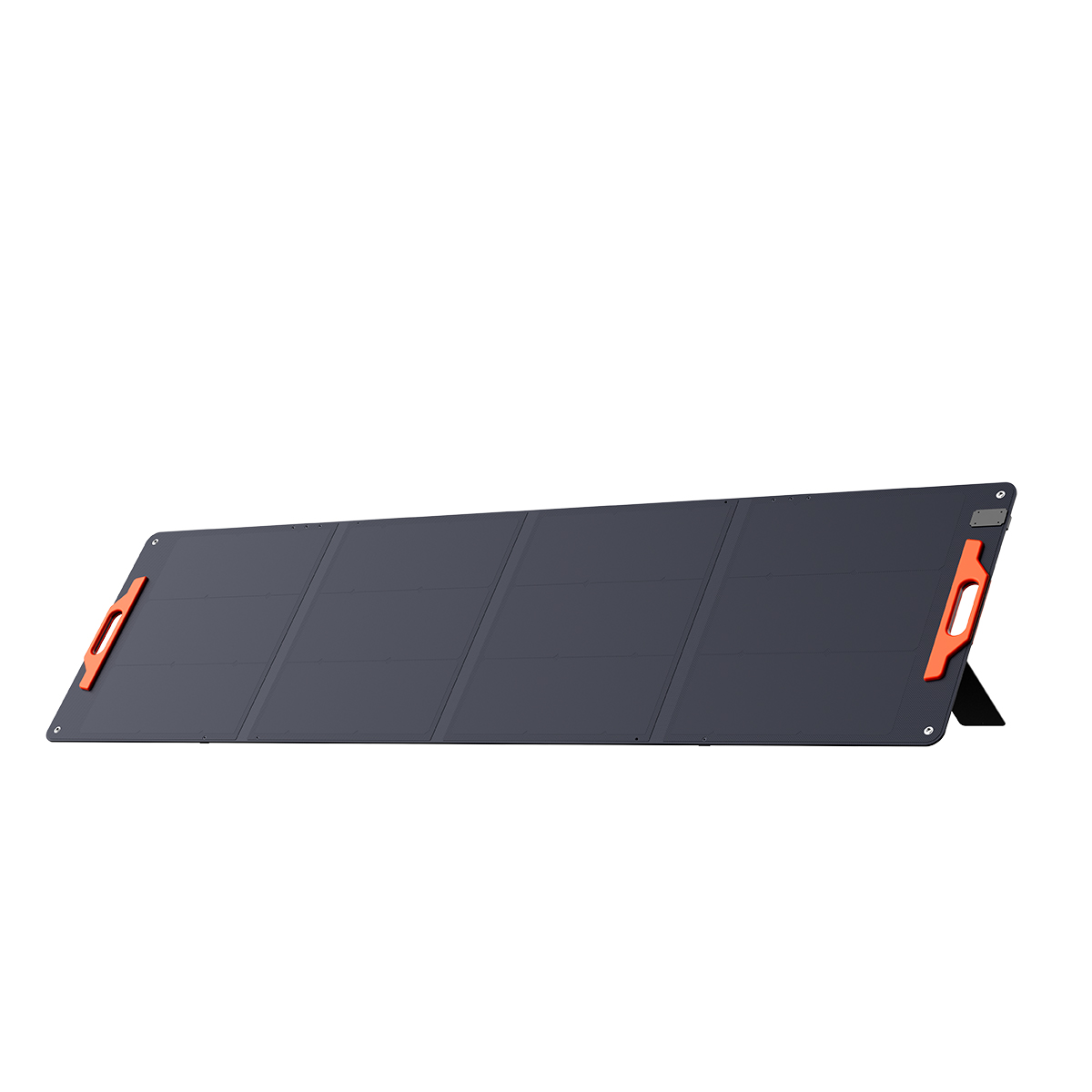
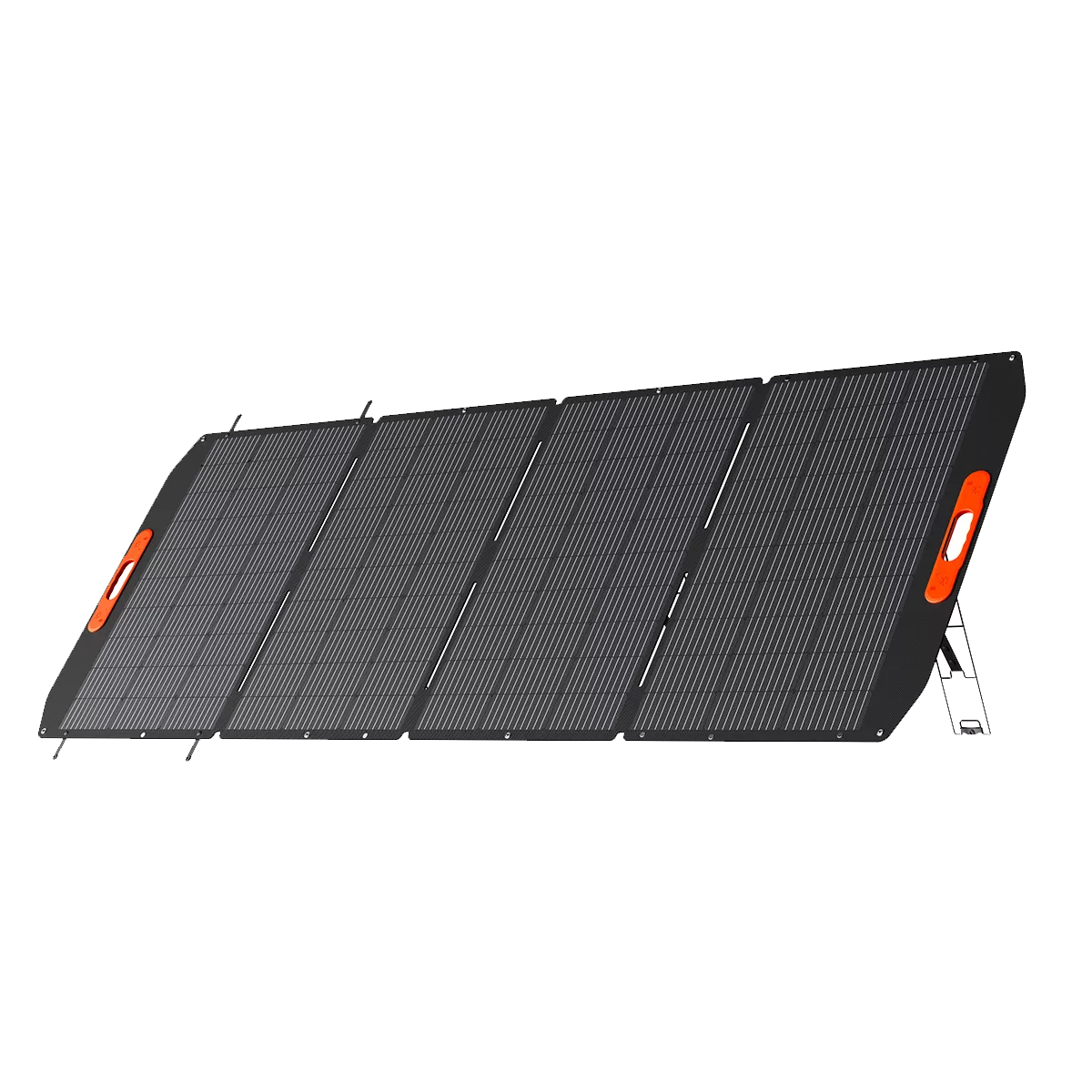
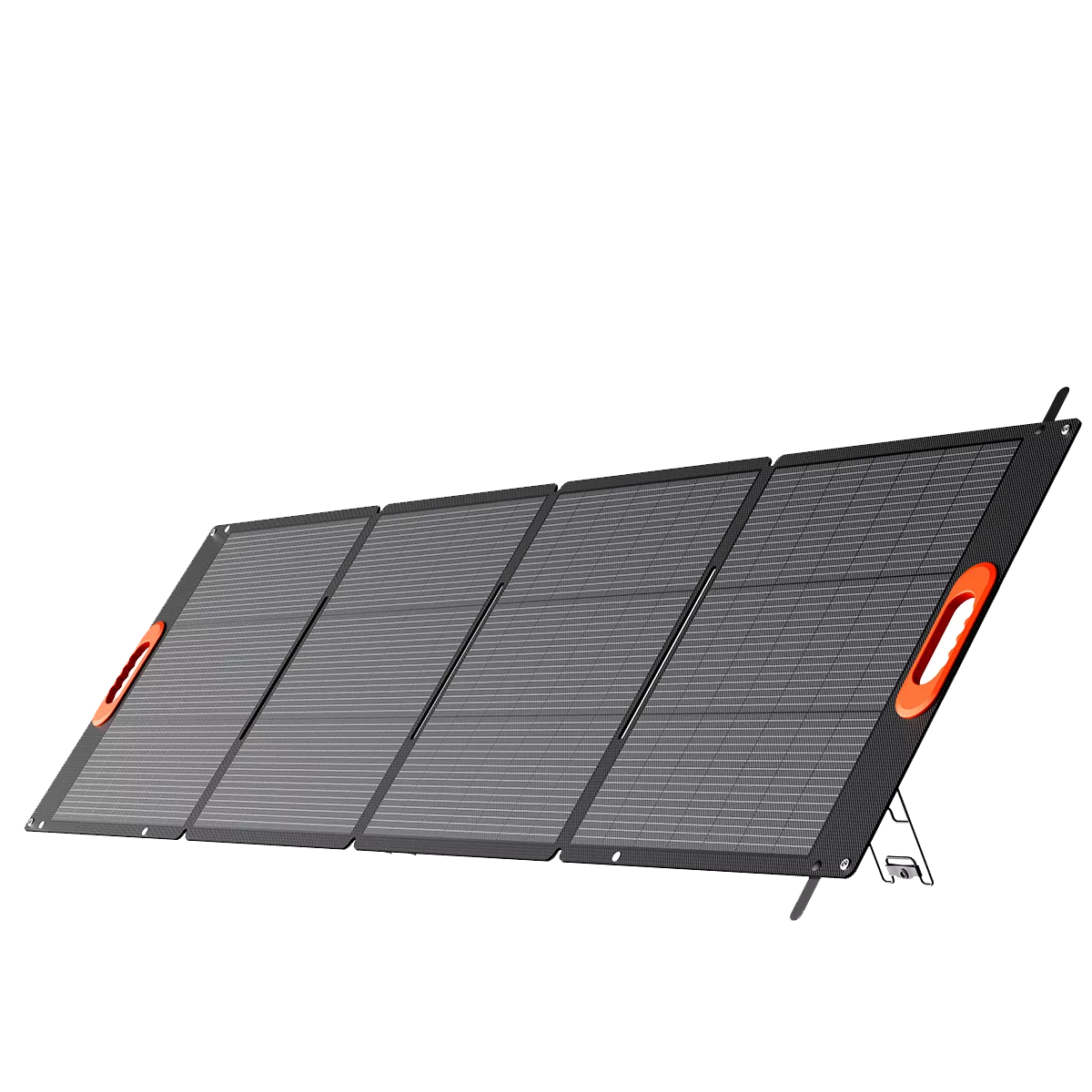
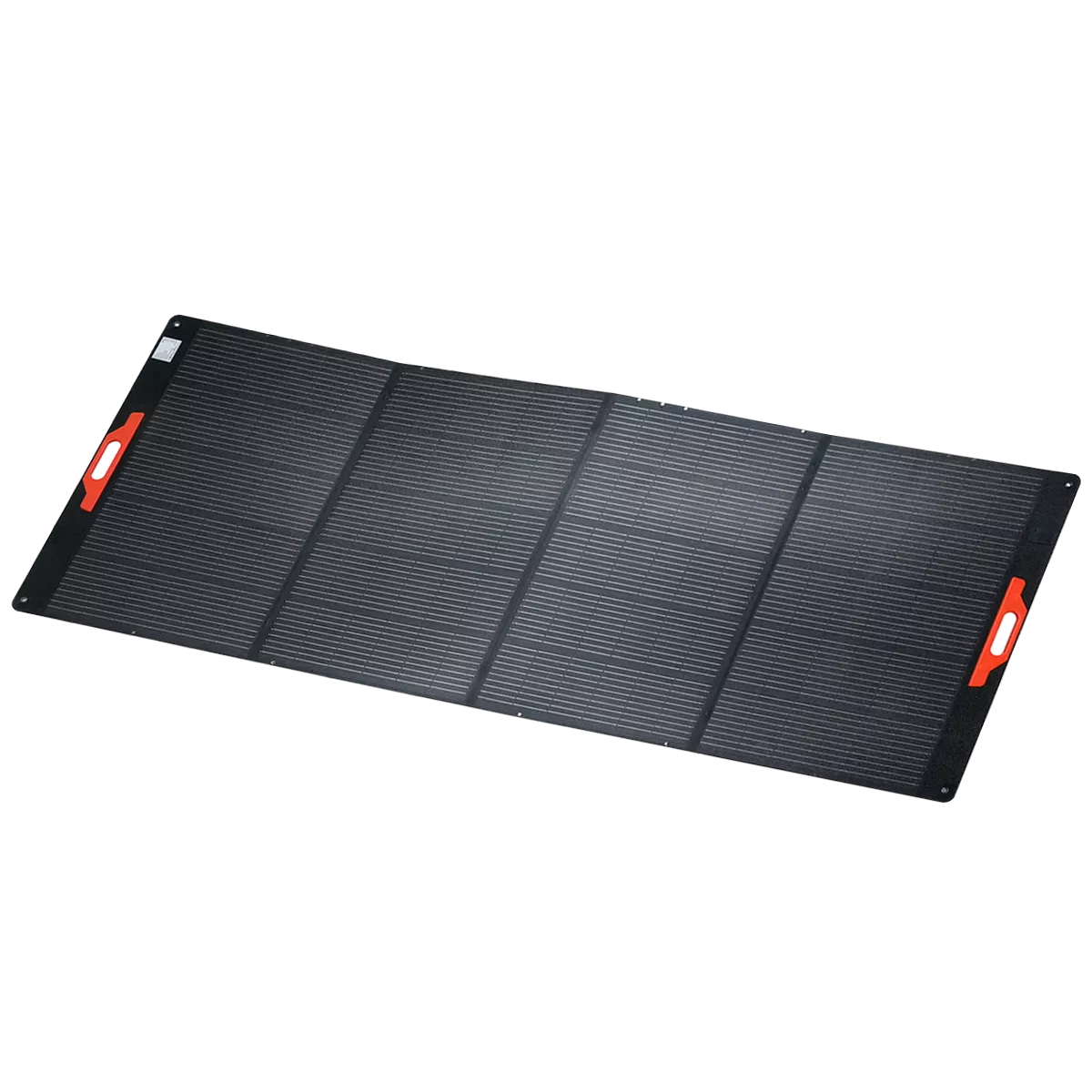
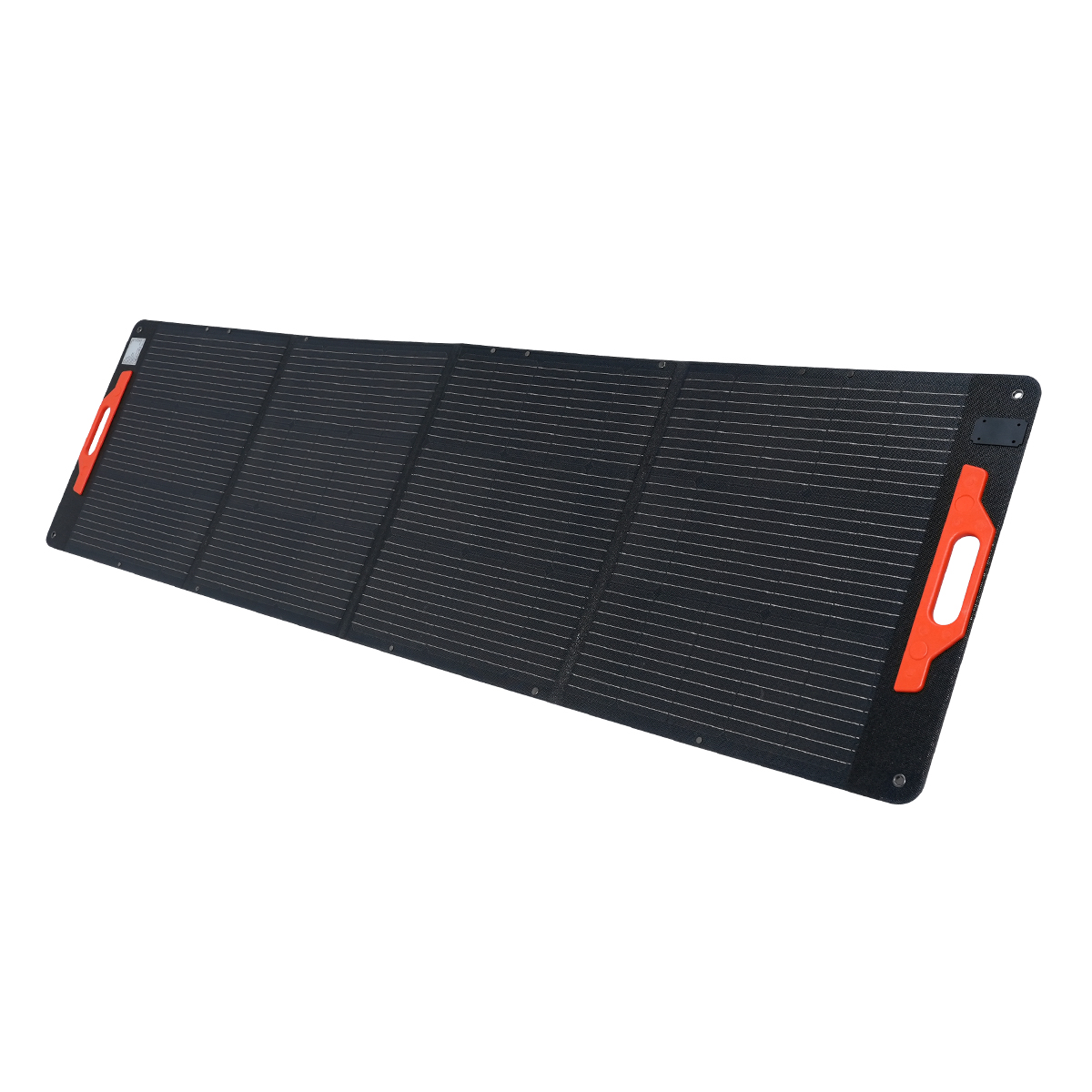
Some models can also be recharged using solar panels, making them convenient for longer outdoor trips where access to mains electricity is limited.
3. Road Trips and Van Travel
A portable power station can make road trips, campervan adventures, and long journeys more comfortable. Passengers can recharge personal electronics without depending on the vehicle's built-in USB ports.
- Charge laptops and tablets
- Power entertainment devices
- Run small fans
- Operate portable cooking equipment when supported
- Recharge photography and navigation equipment
Because the power station can be charged before departure, it provides an additional source of electricity during stops or overnight stays.
4. Remote Work and Study
People who work or study away from traditional offices can use a portable power station to keep essential equipment running. This is useful when working in a garden, workshop, cabin, vehicle, or other location without convenient outlets.
- Power laptops
- Charge monitors and accessories
- Keep routers operating
- Charge smartphones
- Run desk lamps
For remote workers, having backup power can also reduce interruptions when a short power outage occurs.
5. Home Improvement and DIY Projects
A portable power station can provide electricity when working in areas far from a wall outlet. It can be especially convenient for light-duty DIY projects around a property.
- Power compatible work lights
- Charge cordless tool batteries
- Operate small electronic tools
- Power outdoor speakers or lighting
Before connecting a power tool, always check its wattage and the power station's continuous and peak output ratings.
6. Events and Outdoor Gatherings
Portable power stations can also be useful for outdoor parties, picnics, markets, photography sessions, and other temporary events. They can provide quiet electricity without requiring a gasoline generator.
- Power speakers
- Run decorative lights
- Charge cameras and phones
- Operate small electronic equipment
The absence of fuel and exhaust makes battery-powered stations particularly convenient for enclosed or noise-sensitive environments, although ventilation and manufacturer instructions should always be considered for connected equipment.
Choose a Power Station for Your Needs
When selecting a portable power station, consider battery capacity, output wattage, available ports, charging speed, weight, and portability. A smaller unit may be sufficient for phones and laptops, while larger models are better suited to appliances or longer periods without grid power.
It is also important to check whether the station supports the devices you intend to connect. Pay attention to both the device's power requirements and the power station's continuous output rating. Read more about selecting a portable power station.
Conclusion
A portable power station can be used for far more than simply charging a phone. It can provide emergency backup electricity, support camping and road trips, power equipment for remote work, and make outdoor activities more convenient. Its versatility makes it a practical alternative power source for many everyday situations.
To get the most from a portable power station, choose a capacity and output level that match your actual needs. With proper planning and safe operation, a suitable unit can provide convenient, portable electricity whenever and wherever you need it.


