
















 (1)-20251204034946188.jpg)
















Welcome to OSCAL (Well-known Chinese brand of Android smartwatch, rugged smartphone, tablet, projector, and portable power station) blog. Hope this guide has been helpful.
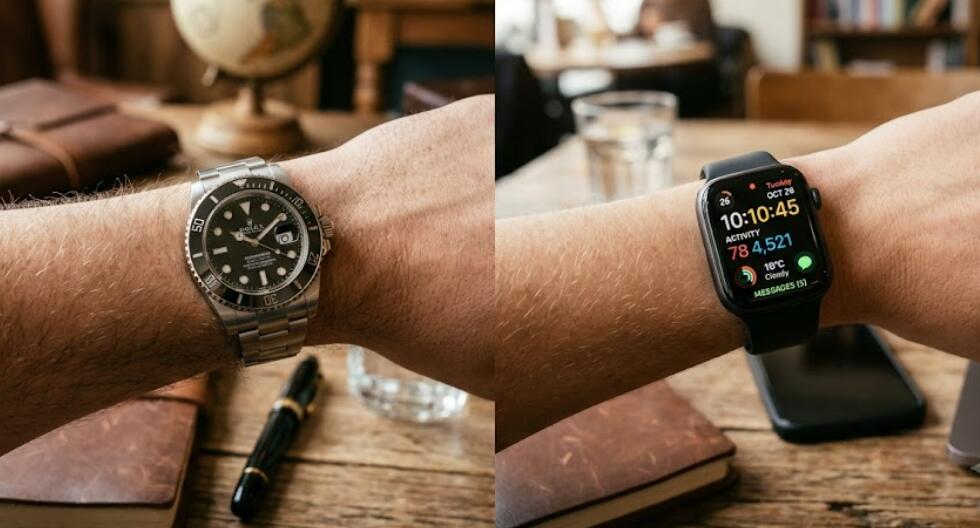
Watches have long been an essential accessory for people around the world. For decades, traditional watches were primarily used to tell time while also serving as symbols of style, craftsmanship, and personal taste. In recent years, however, smartwatches have transformed the watch industry by combining timekeeping with advanced digital features such as fitness tracking, notifications, health monitoring, and mobile connectivity. As a result, consumers now face a choice between classic timepieces and modern wearable technology.
- Read also: Can you use any app for a smartwatch?
- Can you download apps on a smartwatch?
- Does a smartwatch have/need Wi-Fi?
Both traditional watches and smartwatches offer unique advantages and appeal to different types of users. Some people appreciate the elegance and longevity of a traditional watch, while others prefer the convenience and functionality of a smartwatch. Understanding the differences between these two categories can help buyers choose the option that best fits their lifestyle, preferences, and budget. This guide provides a detailed comparison of traditional watches and smartwatches across several important factors.
What Is a Traditional Watch?
A traditional watch is a timepiece designed primarily to display the time. These watches may use mechanical, automatic, or quartz movements and are often valued for their craftsmanship, durability, and aesthetic appeal. Traditional watches range from affordable everyday models to luxury pieces that can last for generations.
Many people view traditional watches as fashion accessories, collectibles, or investments. They are available in a wide variety of styles, including dress watches, sports watches, diving watches, and chronographs.
What Is a Smartwatch?
A smartwatch is a wearable electronic device that functions as both a watch and a mini-computer. It connects to a smartphone or wireless network to provide features beyond simple timekeeping. Modern smartwatches can display notifications, monitor health metrics, track workouts, support navigation, and even allow users to make calls.
Most smartwatches feature touchscreens, rechargeable batteries, and customizable digital watch faces. They are designed to integrate with modern digital lifestyles and provide information directly from the wrist.
Design and Appearance
One of the most noticeable differences between traditional watches and smartwatches is their design.
- Traditional Watches: Often feature classic craftsmanship, metal cases, premium materials, and timeless designs. Many models emphasize elegance and luxury.
- Smartwatches: Typically have digital displays and a modern appearance. While some smartwatches imitate traditional watch designs, their screens usually distinguish them from conventional timepieces.
People who prioritize style, sophistication, and heritage often prefer traditional watches. Those who value technology and customization may find smartwatches more appealing.
Timekeeping Accuracy
Both traditional watches and smartwatches provide accurate timekeeping, but they achieve it differently.
- Traditional Quartz Watches: Extremely accurate and require minimal adjustments.
- Mechanical Watches: May gain or lose a few seconds per day depending on movement quality.
- Smartwatches: Synchronize with internet or smartphone time settings, making them highly accurate.
For pure accuracy, smartwatches generally have a slight advantage because they automatically update their time settings.
Features and Functionality
This category represents the biggest difference between the two watch types.
- Traditional Watches:
- Display time and date
- May include chronographs, alarms, or multiple time zones
- Focus on simplicity and reliability
- Smartwatches:
- Receive calls and messages
- Display app notifications
- Track fitness activities
- Monitor heart rate and sleep
- Provide GPS navigation
- Support mobile payments
- Control music and smart devices
Users seeking advanced functionality will generally find smartwatches far more versatile.
Battery Life
Battery performance is another major point of comparison.
- Traditional Watches: Quartz models can operate for several years on a single battery. Automatic watches can run indefinitely with regular wear.
- Smartwatches: Usually require charging every one to seven days, depending on usage and model.
For users who prefer minimal maintenance, traditional watches have a significant advantage.
Durability and Longevity
Traditional watches are generally built to last for many years. High-quality mechanical watches can remain functional for decades when properly maintained.
Smartwatches, on the other hand, are electronic devices that may become outdated as technology evolves. Software support eventually ends, and battery performance typically declines over time.
- Traditional watches often last decades.
- Luxury models may become family heirlooms.
- Smartwatches usually have a shorter practical lifespan.
- Technology upgrades encourage replacement every few years.
Health and Fitness Tracking
This is an area where smartwatches clearly outperform traditional watches.
- Heart rate monitoring
- Sleep tracking
- Step counting
- Workout analysis
- Blood oxygen measurement on some models
- Activity reminders
Most traditional watches do not include these features, although a few modern hybrid watches offer limited fitness tracking capabilities.
Maintenance Requirements
Traditional watches and smartwatches require different types of maintenance.
- Traditional Watches:
- Occasional battery replacement for quartz models
- Periodic servicing for mechanical movements
- Cleaning and water-resistance checks
- Smartwatches:
- Frequent charging
- Software updates
- Battery degradation management
- Potential app troubleshooting
Traditional watches generally require less frequent attention, while smartwatches demand more regular interaction.
Cost and Value
Both categories offer products across a wide price range.
- Traditional Watches: Available from budget-friendly options to luxury models costing thousands of dollars.
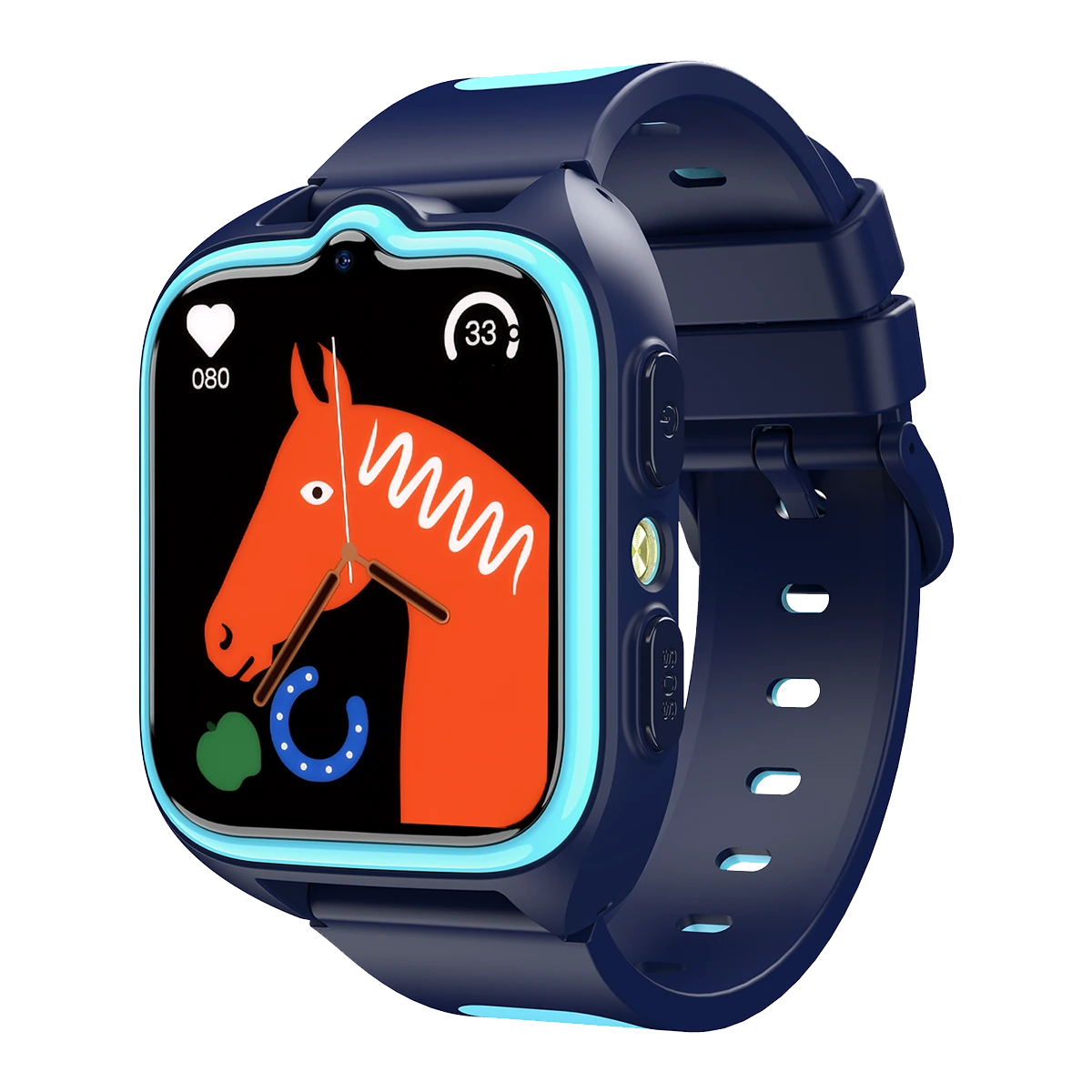
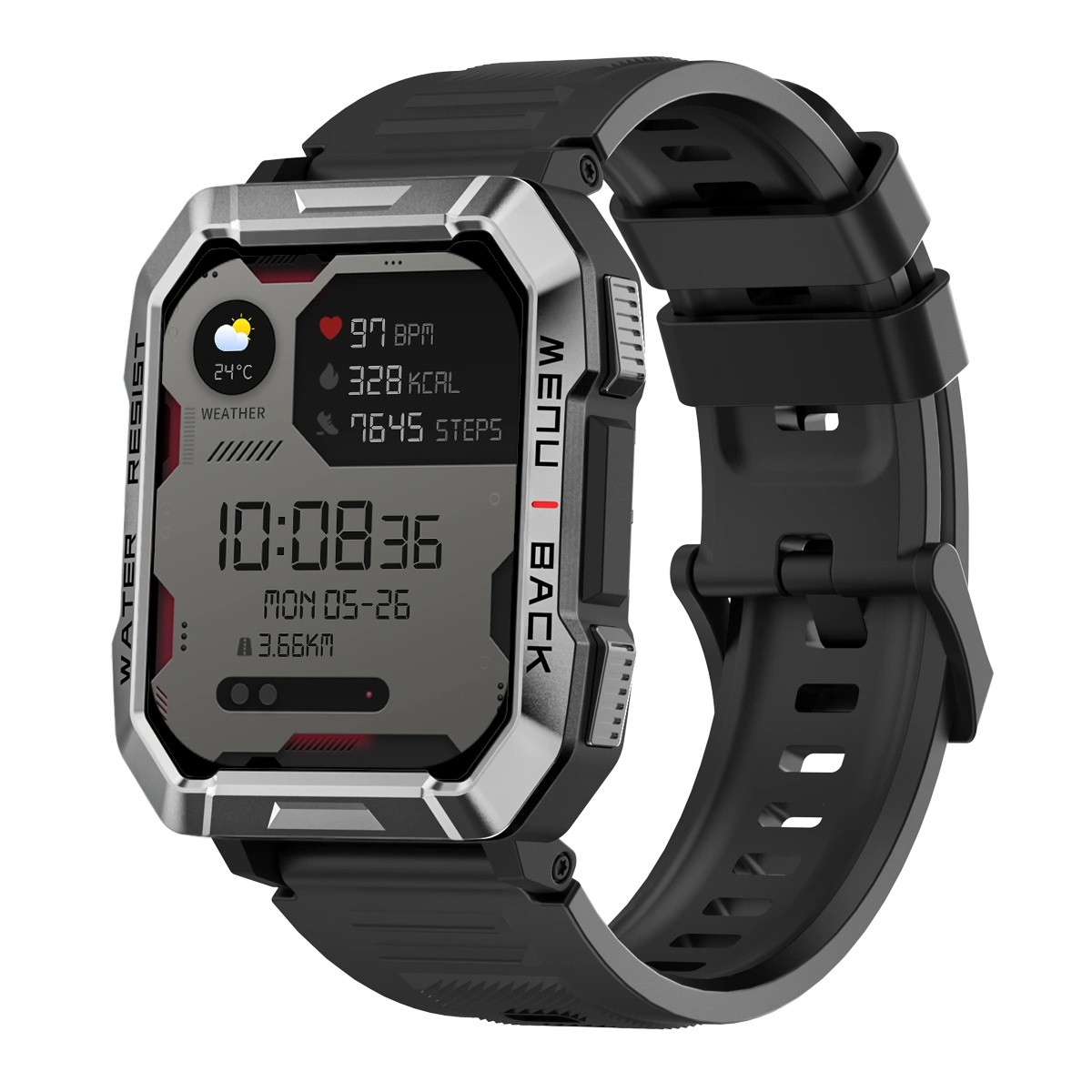
- Smartwatches: Typically range from entry-level fitness trackers to premium devices with advanced technology. Mid-low-end smartwatches - such as the rugged GPS smartwatches and kids watches with GPS from the Blackview brand - are typically favored by budget-conscious consumers.
Luxury traditional watches may retain or even increase in value over time. Most smartwatches depreciate as newer models and technologies are released.
User Experience
The ideal choice often depends on lifestyle.
- Business professionals may prefer the elegance of traditional watches.
- Technology enthusiasts often appreciate smartwatch features.
- Fitness-focused users benefit from health tracking tools.
- Collectors may value the craftsmanship of mechanical watches.
- Travelers can benefit from navigation and connectivity features.
Many people even own both types and switch between them depending on the occasion.
Which One Should You Choose?
A traditional watch is often the better choice for individuals who value timeless design, craftsmanship, durability, and long-term ownership. It serves as both a practical accessory and a reflection of personal style. Traditional watches are especially suitable for formal settings, professional environments, and watch enthusiasts who appreciate mechanical engineering.
A smartwatch is usually the better option for users who want convenience, health monitoring, fitness tracking, and seamless smartphone integration. It provides a wide range of digital tools that can simplify daily life and improve productivity.
Conclusion
Traditional watches and smartwatches each have distinct strengths and weaknesses. Traditional watches excel in craftsmanship, longevity, style, and emotional value, while smartwatches lead in functionality, connectivity, and health-related features. Neither option is universally superior because each serves different needs and preferences.
When choosing between a traditional watch and a smartwatch, consider how you plan to use the device, how important technology features are to you, and whether you prioritize timeless design or digital convenience. By evaluating these factors carefully, you can select the watch that best complements your lifestyle and daily activities.


