





























 (1)-20251204034946188.jpg)



























Welcome to OSCAL (A Chinese brand of TWS wireless earbuds, rugged phone, tablet, and portable power station) blog. Hope this guide has been helpful.
With the growing popularity of wireless audio devices, consumers often encounter different terms when shopping for headphones and earbuds. One term that may cause confusion is OWS earbuds. If you have seen this abbreviation in product descriptions or online advertisements, you may wonder what it means and how these earbuds differ from traditional wireless or open-ear headphones. Understanding the technology behind OWS earbuds can help you make a more informed purchasing decision.
- Read also: Can I connect Bluetooth earbuds to PS4?
- What does ANC mean in wireless earbuds?
- Does AirPods earbuds work with Android?
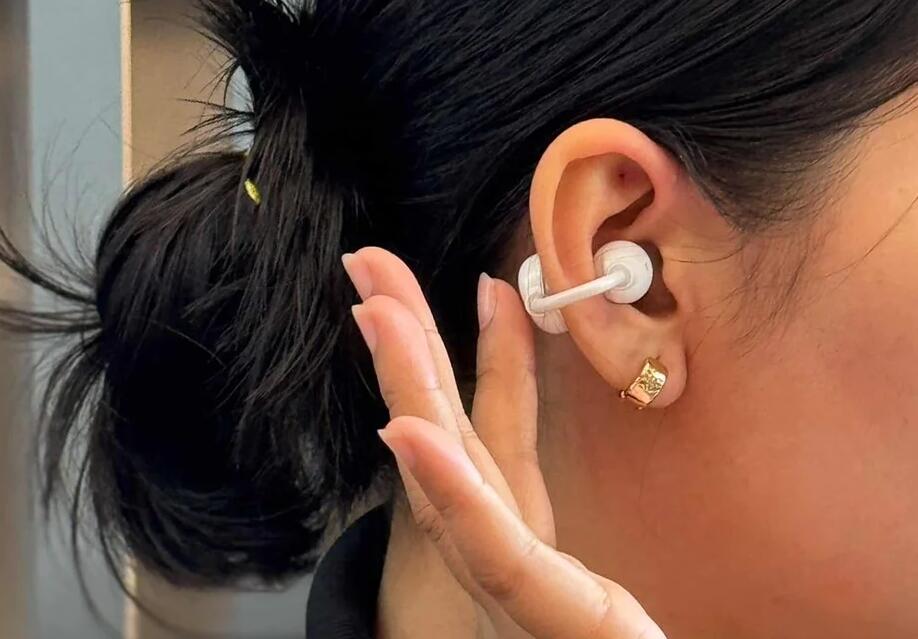
OWS stands for Open Wearable Stereo. OWS earbuds are a type of open-ear audio device designed to deliver sound without inserting ear tips into the ear canal or completely covering the ears. They typically rest around the ears or attach near them, allowing users to listen to music, podcasts, and phone calls while remaining aware of surrounding sounds. Below, we explore their meaning, features, advantages, limitations, and common uses. Let's take a look.
1. What Does OWS Stand For?
OWS means Open Wearable Stereo. The name describes three important characteristics of this audio technology:
- Open: The design keeps the ear canal uncovered, allowing environmental sounds to reach the listener naturally.
- Wearable: The earbuds are designed to be worn externally, often using ear hooks, clips, or ergonomic structures.
- Stereo: They deliver separate left and right audio channels to create a stereo listening experience.
Unlike conventional in-ear headphones, OWS earbuds do not rely on silicone tips inserted into the ear canal. Instead, they use specially positioned speakers to direct sound toward the ears.
2. How Do OWS Earbuds Work?
OWS earbuds generally use small speakers positioned close to the ears. These speakers transmit sound through the air rather than creating a seal inside the ear canal.
Most modern models connect to smartphones, tablets, and computers through Bluetooth. Once paired, users can listen to audio wirelessly, answer calls, and control playback using physical buttons or touch controls.
Depending on the model, additional technologies may include:
- Directional audio: Helps direct sound toward the listener's ears and reduce sound leakage.
- Bluetooth connectivity: Provides wireless connections with compatible devices.
- Built-in microphones: Allow users to make calls and participate in online meetings.
- Noise reduction for calls: Helps improve voice clarity in certain environments.
- Battery management: Provides several hours of playback, with additional charging through the storage case.
3. What Are the Main Advantages of OWS Earbuds?
OWS earbuds offer several benefits that make them attractive to people who prefer open-ear listening.
- Environmental awareness: Users can hear traffic, conversations, announcements, and other surrounding sounds while listening to audio.
- Comfortable wearing experience: The absence of ear tips can reduce pressure inside the ear canal.
- Suitable for extended listening: Their external design may feel more comfortable for people who dislike traditional in-ear headphones.
- Convenient for outdoor activities: They can be useful for walking, cycling, and exercising when awareness of the surroundings is important.
- Easy wireless operation: Bluetooth connectivity makes them convenient for everyday entertainment and communication.
4. What Are the Disadvantages of OWS Earbuds?
Although OWS earbuds have several advantages, they also have limitations worth considering before purchasing.
- Limited noise isolation: Their open design allows environmental noise to enter, making them less suitable for noisy locations.
- Sound leakage: People nearby may hear some audio, especially at higher volume levels.
- Different bass performance: Some models produce less powerful bass than sealed in-ear headphones.
- Fit differences: Ear shapes vary, so certain designs may feel uncomfortable or unstable for some users.
- Limited privacy: Open-ear listening may not be ideal for private phone calls in quiet environments.
5. OWS Earbuds vs. Traditional Wireless Earbuds
The main difference between OWS earbuds and traditional wireless earbuds is how they deliver sound and interact with the ears.
- Wearing style: OWS earbuds sit outside the ear canal, while traditional in-ear earbuds usually use silicone or foam tips.
- Environmental awareness: OWS designs naturally allow surrounding sounds to enter, whereas conventional sealed earbuds provide more passive noise isolation.
- Sound experience: Traditional in-ear models often provide stronger bass and better isolation, while OWS models prioritize open listening.
- Typical applications: OWS earbuds are popular for outdoor activities and everyday awareness, while traditional earbuds are commonly used for commuting, music, and immersive listening.
6. Who Should Consider Buying OWS Earbuds?
OWS earbuds may be suitable for different types of users, particularly those who value comfort and environmental awareness.
- People who enjoy listening to music while walking outdoors.
- Office workers who need to hear colleagues while listening to audio. Check more good earbuds for office calls.
- Fitness enthusiasts who prefer open-ear headphones during workouts.
- Users who dislike inserting earbuds into their ear canals.
- People who frequently take calls while performing everyday activities.
However, users who frequently travel on noisy public transportation or prefer immersive music experiences may want to consider other headphone designs.
Conclusion
OWS earbuds stand for Open Wearable Stereo earbuds. They are open-ear wireless audio devices that deliver sound without blocking or entering the ear canal. Their design prioritizes wearing comfort and environmental awareness, making them useful for outdoor activities, work, and everyday listening.
Before choosing a pair, consider factors such as sound quality, Bluetooth stability, battery life, wearing comfort, microphone performance, and water resistance. Understanding what OWS earbuds mean and how they work will help you determine whether this open-ear audio technology matches your listening habits and daily needs.


