


















 (1)-20251204034946188.jpg)













Welcome to OSCAL (Well-known Chinese brand of rugged outdoor smartphone, Android tablet, projector, and portable power station) blog. Hope this guide has been helpful.
As 5G technology continues to expand across the globe, many people are eager to know whether they can benefit from faster speeds and improved connectivity in their area. Understanding if your location is covered by a 5G network can help you decide whether upgrading your device or mobile plan is worthwhile.
- Read more: Is 4G+ the same as 5G?
- 5G vs 4G
Fortunately, there are several simple and effective ways to check for 5G availability. From online coverage maps to real-world testing, you can quickly determine whether 5G service is accessible where you live, work, or travel.
Check Mobile Carrier Coverage Maps
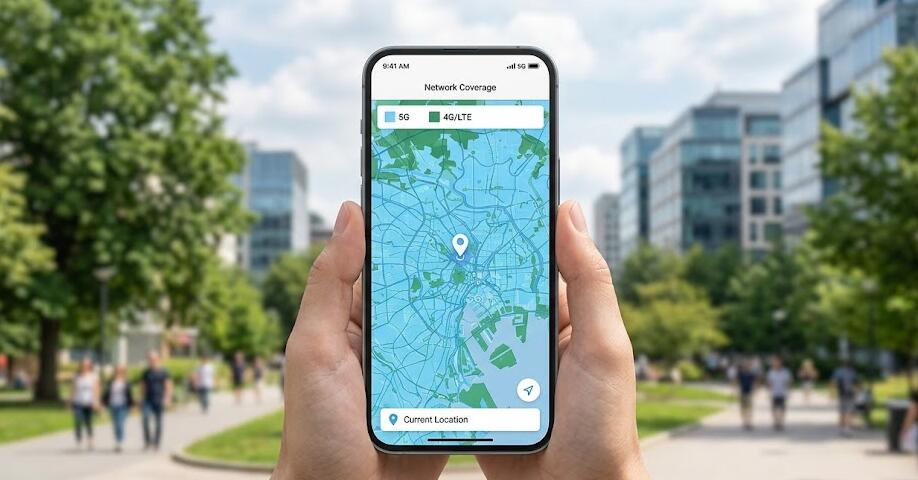
One of the easiest ways to find out if your area has 5G coverage is by visiting your mobile carrier’s official website. Most telecom providers offer interactive coverage maps that show where 5G service is available.
- Enter your address or postal code
- Zoom in to your neighborhood
- Look for areas marked specifically as “5G”
Keep in mind that coverage maps may sometimes be optimistic, so they should be used as a general guide rather than an exact guarantee.
Use Third-Party Coverage Tools
There are independent websites and apps that aggregate network data from multiple carriers. These platforms often provide more realistic coverage insights based on user reports and real-world performance.
- Compare different carriers in your area
- View signal strength and performance data
- Check user-submitted coverage feedback
These tools can be especially helpful if you are considering switching providers.
Check Your Phone Settings
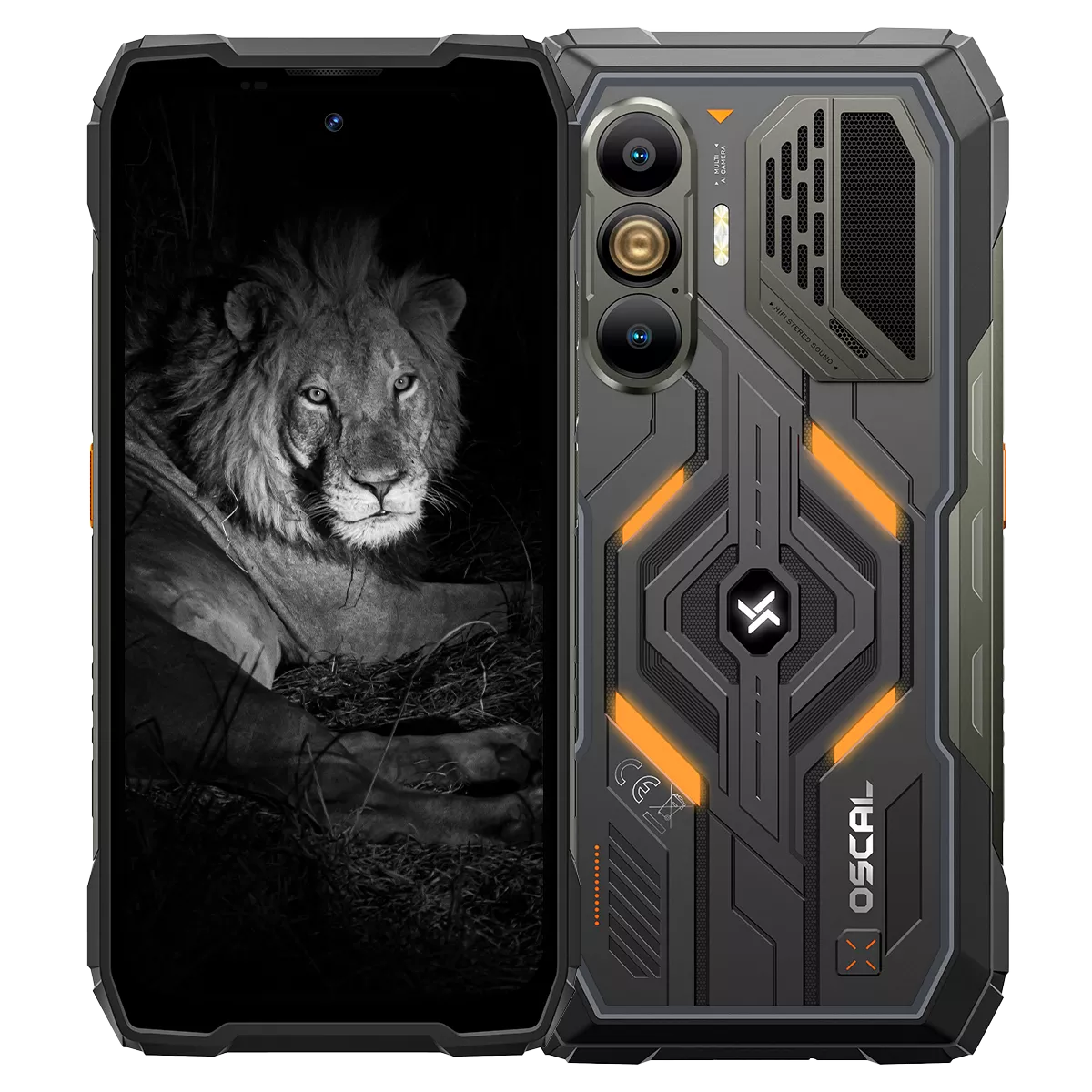
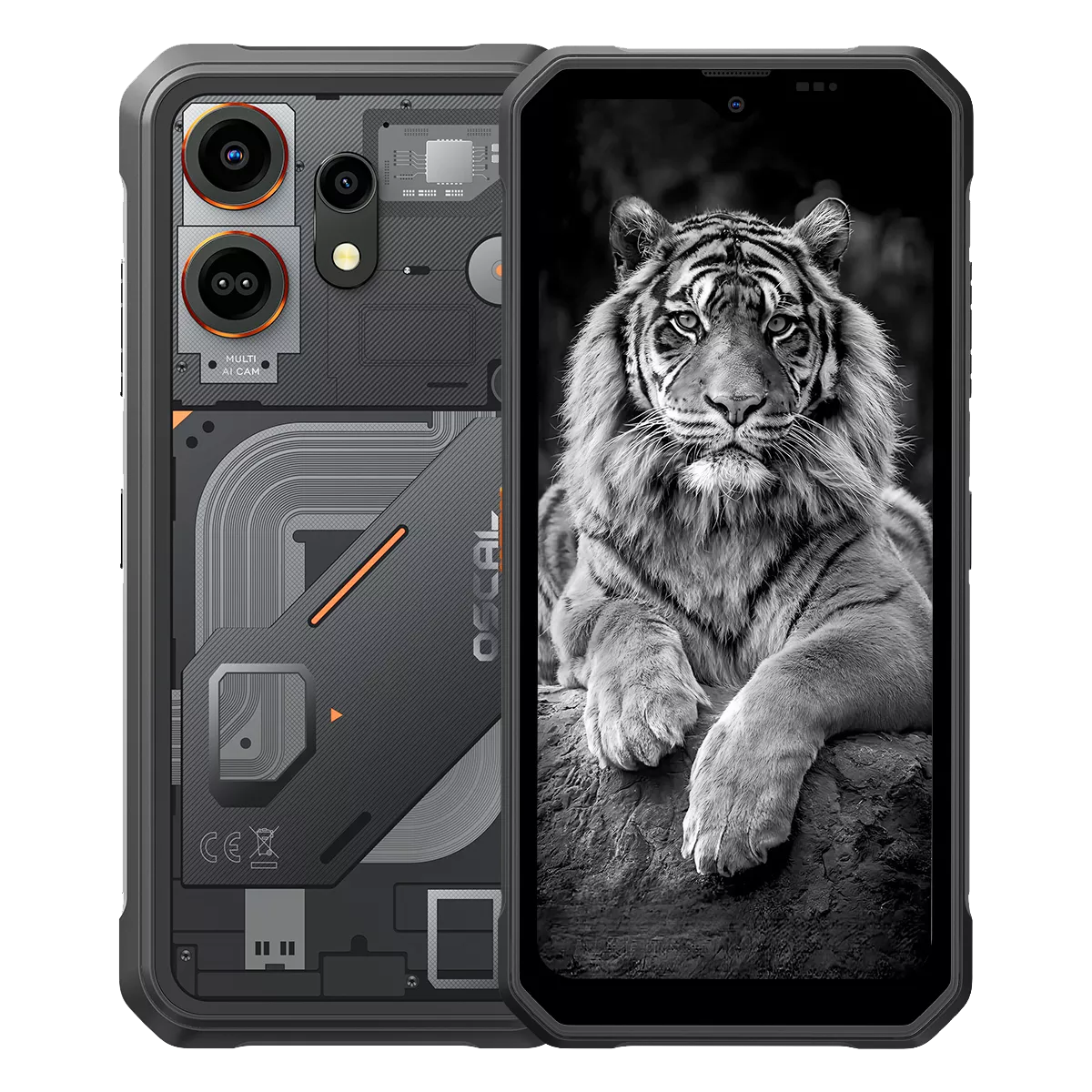
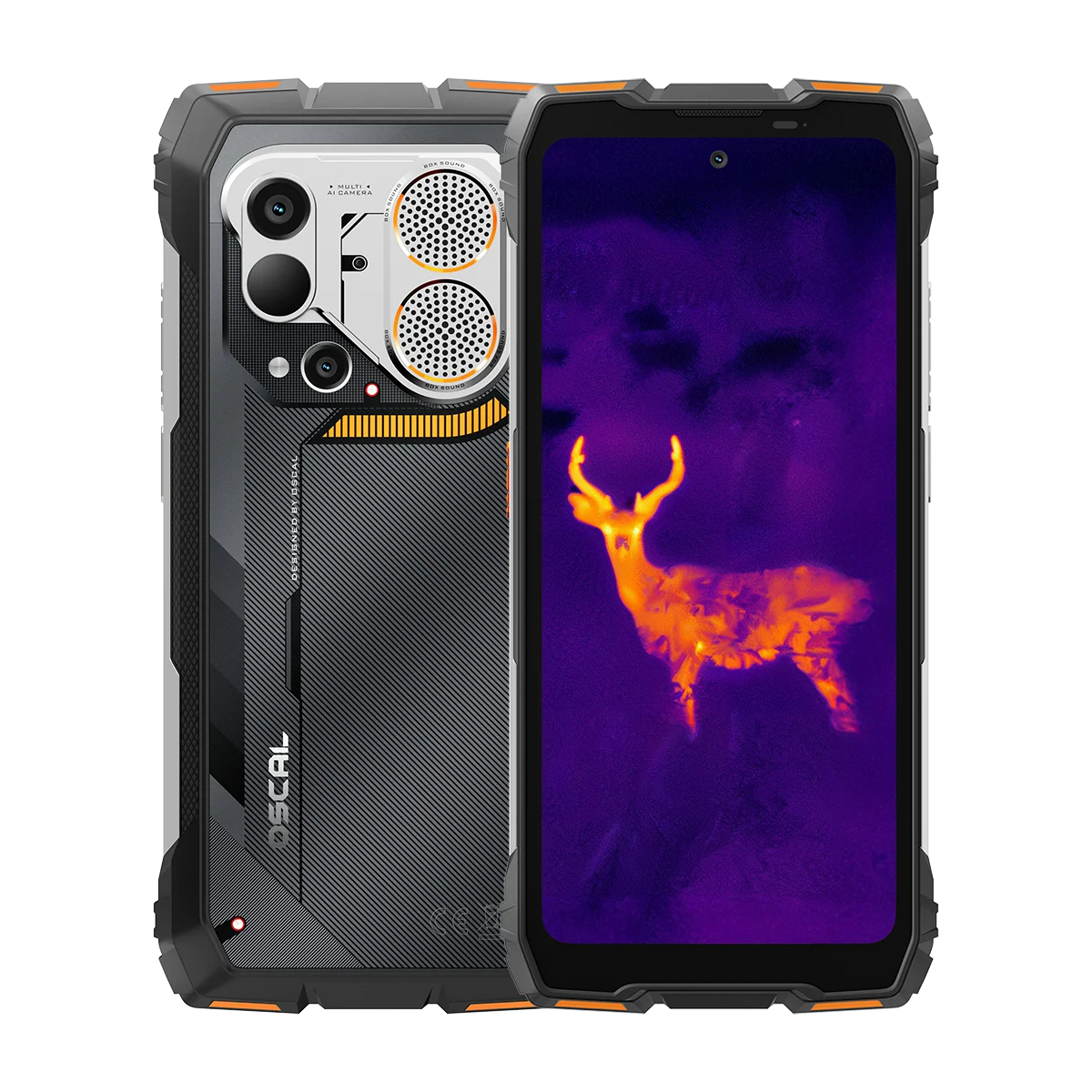
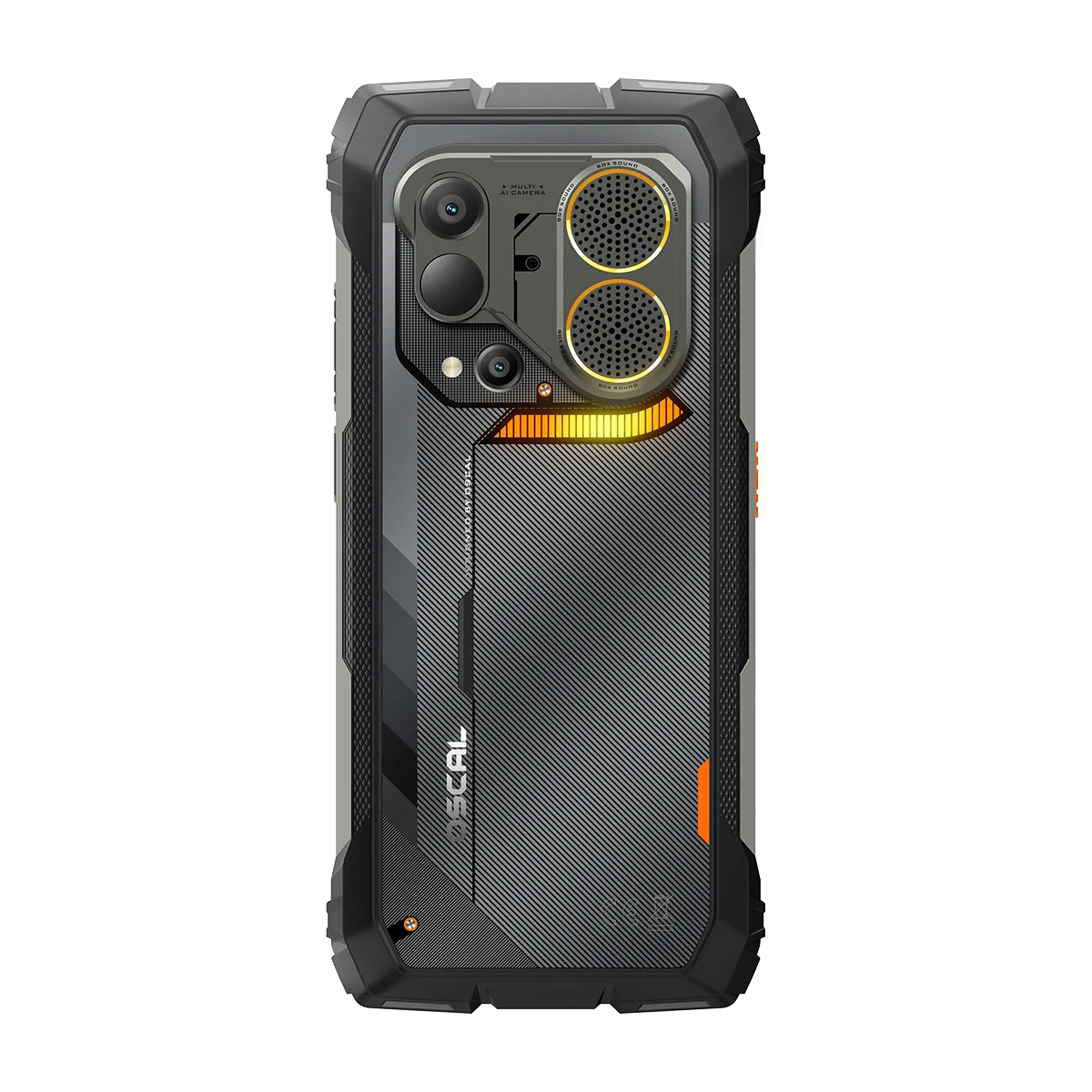
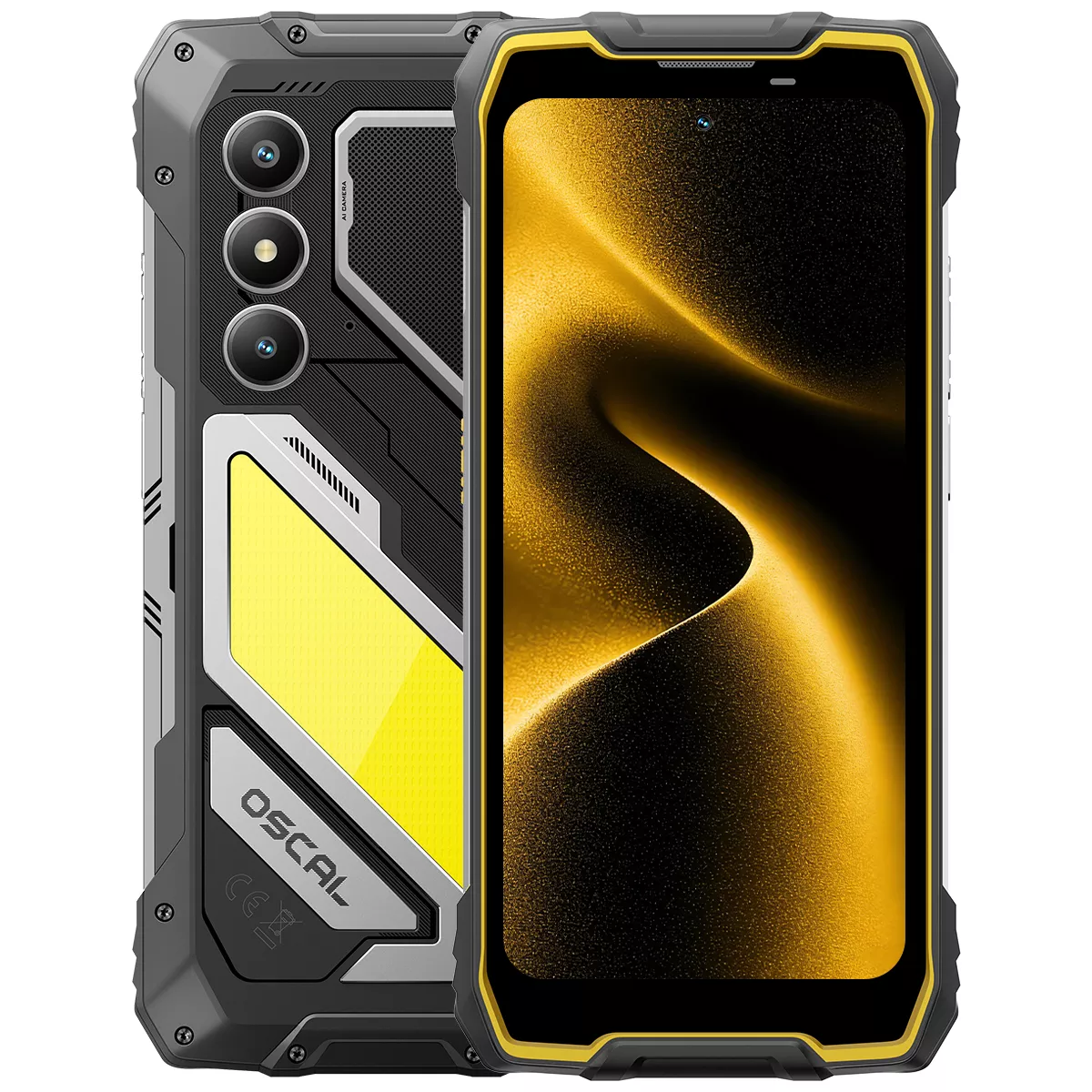
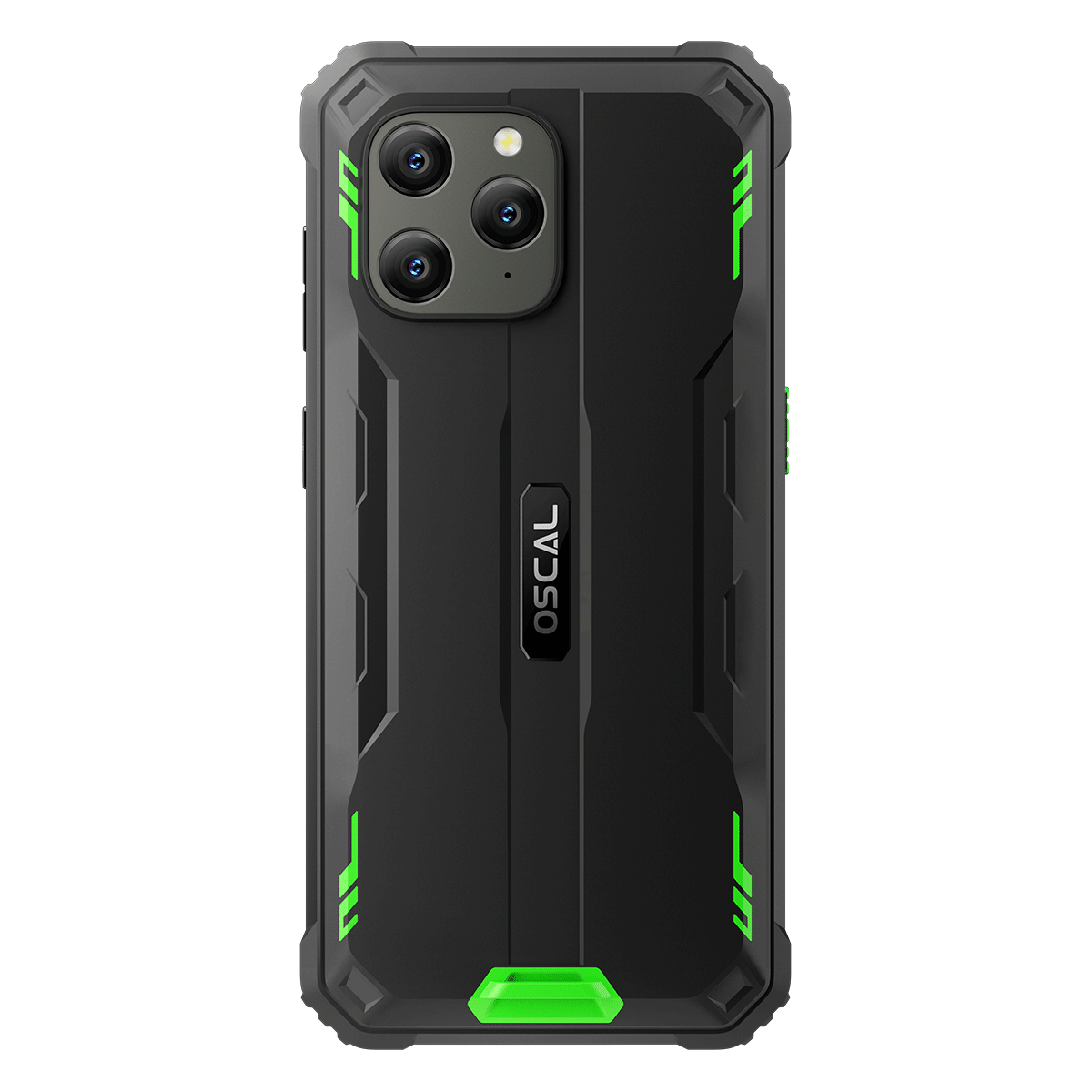
If you already own a 5G-capable smartphone (eg. a 5G rugged smartphone ), you can check whether your device is connecting to a 5G network directly.
- Look for a “5G” or “5G+” icon in your status bar
- Go to your network settings to confirm connection type
- Ensure 5G is enabled in your mobile data settings
If your phone never connects to 5G in your area, it may indicate limited or no coverage.
Contact Your Carrier
Another reliable method is to reach out to your mobile service provider. Customer support representatives can give you the most up-to-date information about 5G availability in your exact location.
- Ask about coverage at your address
- Inquire about indoor vs. outdoor availability
- Check for planned future expansions
This is particularly useful in areas where coverage is still being rolled out.
Test Network Speeds
Running a speed test can also help you identify whether you are likely using a 5G connection. While not definitive, significantly higher speeds and lower latency can indicate 5G access.
- Use a reliable speed test app
- Test in multiple locations (home, outdoors, city center)
- Compare results with typical 4G speeds
Keep in mind that network congestion and signal strength can affect results.
Look for Local Announcements
Telecom companies and local governments often announce when 5G becomes available in a specific region. Checking news updates or press releases can give you insights into rollout timelines.
Community forums and local social media groups can also provide real user experiences about 5G performance in your area.
In conclusion, finding out whether your area has 5G coverage does not require technical expertise. By combining official carrier maps, third-party tools, and real-world testing, you can get a clear picture of network availability.
As 5G infrastructure continues to expand, coverage will improve over time. Staying informed ensures that you can take advantage of faster and more reliable connectivity as soon as it becomes available in your location.