


























 (1)-20251204034946188.jpg)
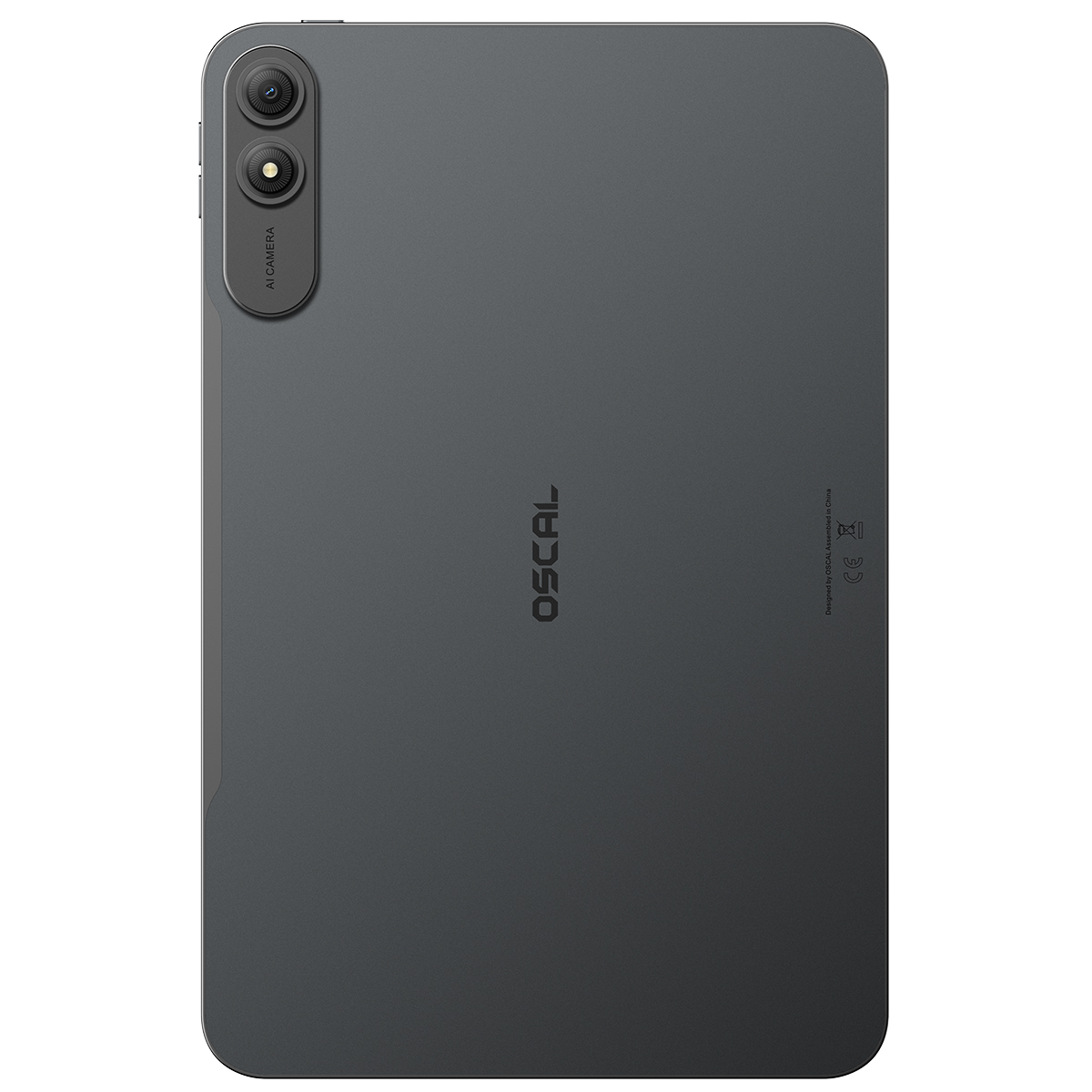





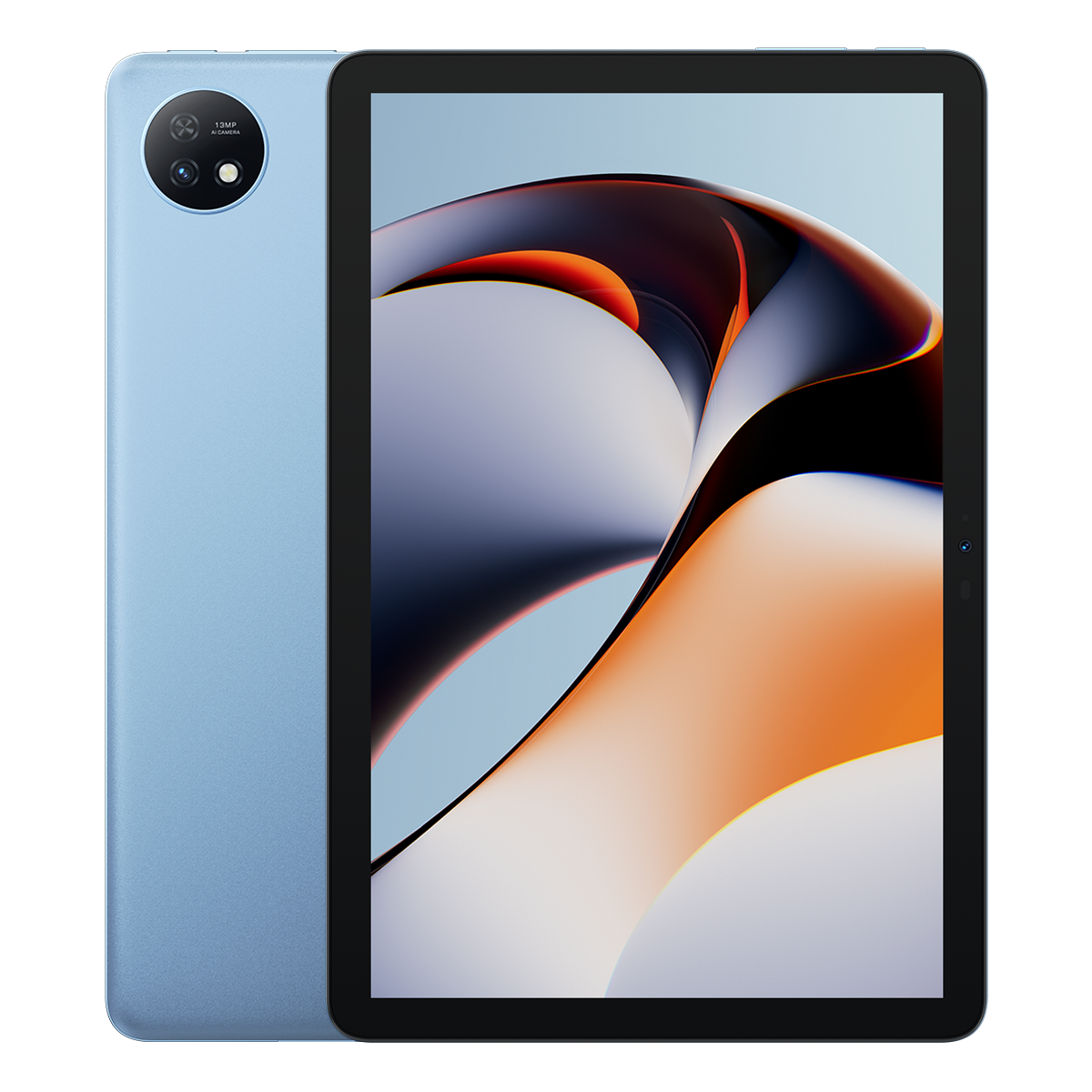

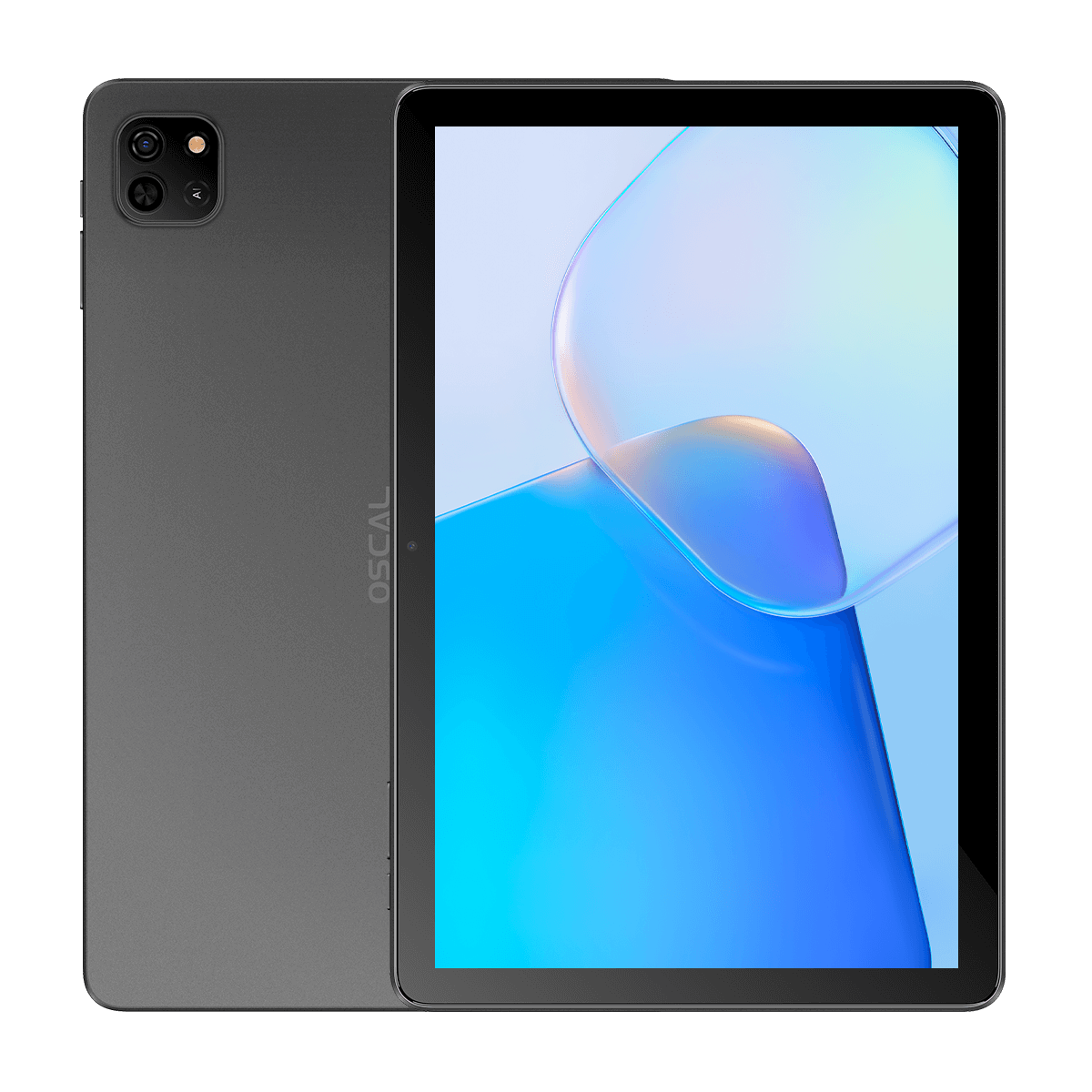
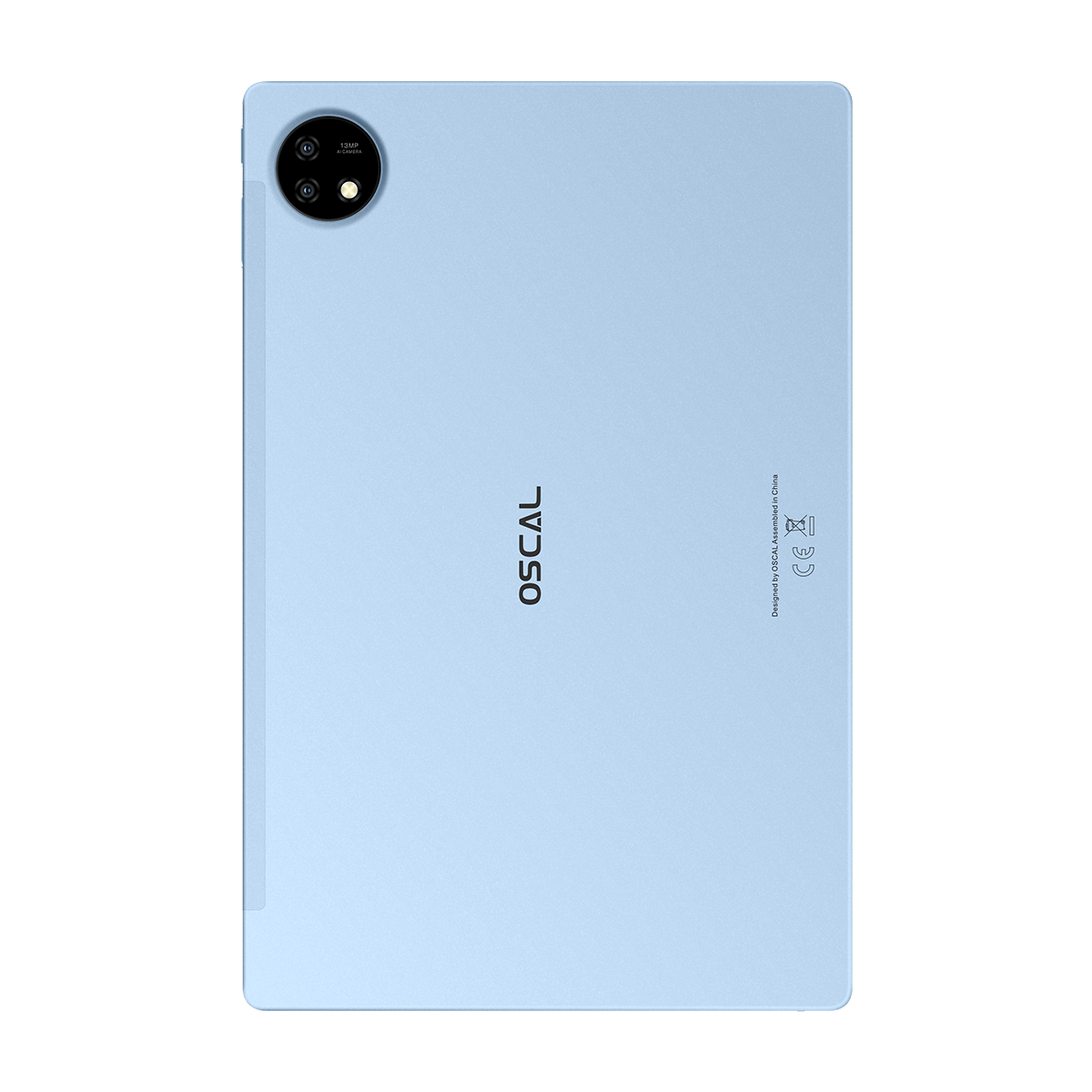
















Welcome to OSCAL (Well-known Chinese brand of outdoor smartphone, Android tablet, and portable power station) blog. Hope this guide has been helpful.
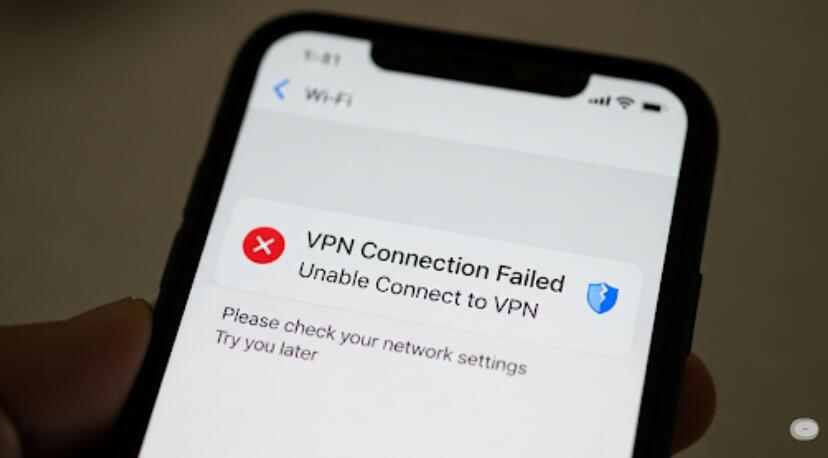
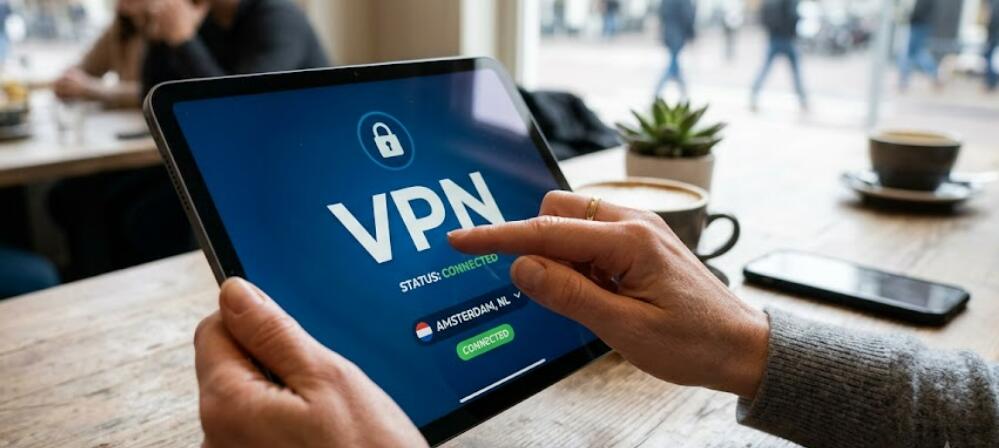
A Virtual Private Network (VPN) has become one of the most popular tools for improving online privacy and security. Whether you are browsing the internet on public Wi-Fi, working remotely, streaming content, or simply looking to keep your online activities more private, a VPN can provide an additional layer of protection. As internet security concerns continue to grow, more individuals and businesses are considering VPN services as part of their daily online routine.
- Read also: Do VPN apps steal user data?
- Can online banking be safely done over a VPN?
- Will your phone get hacked while using a VPN?
Although VPNs offer numerous benefits, they are not a perfect solution for every situation. Like any technology, they come with both strengths and limitations that users should understand before choosing a provider. This guide explores the major advantages and disadvantages of using a VPN, helping you decide whether it is the right choice for your internet usage.
What Is a VPN?
A VPN is a service that creates a secure, encrypted connection between your device and the internet. Instead of connecting directly to websites, your internet traffic passes through a VPN server, making it more difficult for others to monitor your online activities or identify your real IP address.
VPN services are available for computers, smartphones, tablets, and even some smart TVs and routers. Most providers offer applications that are easy to install and require only a few clicks to connect.
Advantages of Using a VPN
1. Enhanced Online Privacy
One of the biggest reasons people use a VPN is to improve their online privacy. By masking your IP address, a VPN makes it harder for websites, advertisers, and other third parties to track your browsing habits. While it does not make you completely anonymous, it significantly reduces the amount of personal information exposed during normal internet use.
2. Better Security on Public Wi-Fi
Public Wi-Fi networks in airports, hotels, cafes, and shopping centers are often unsecured, making them attractive targets for cybercriminals. A VPN encrypts your internet connection, helping protect sensitive information such as passwords, emails, and financial details from interception.
3. Encryption of Internet Traffic
VPN encryption helps prevent unauthorized users from reading your internet traffic. Even if someone intercepts your connection, the encrypted data is much more difficult to understand without the proper encryption keys.
4. Protection from Certain Types of Tracking
Many websites and advertising companies collect browsing data to create user profiles. Although a VPN cannot block all tracking methods, it can reduce tracking based on your IP address and network location, providing an additional layer of privacy.
5. Access While Traveling
Travelers often find that certain online services or websites are unavailable in different countries. Connecting through a VPN server may allow access to services that are normally available from another location, subject to local laws and the service provider's terms of use.
6. Secure Remote Work
Many companies use VPN technology to allow employees to securely access internal business systems while working from home or traveling. Encrypted connections help reduce the risk of unauthorized access to company resources.
7. Reduced ISP Visibility
Your internet service provider (ISP) can generally see which websites you visit when you are not using encrypted connections. A VPN limits the ISP's visibility into your browsing by encrypting your traffic, although it can still see that you are connected to a VPN server.
Disadvantages of Using a VPN
1. Reduced Internet Speed
Encryption requires additional processing, and your internet traffic must travel through a VPN server before reaching its destination. As a result, some users may experience slower download speeds, increased latency, or reduced streaming performance, especially when connected to distant servers.
2. Subscription Costs
While free VPN services are available, many reliable providers charge monthly or yearly subscription fees. Premium VPNs typically offer faster servers, stronger security, better customer support, and more server locations than free alternatives.
3. Trust in the VPN Provider
Using a VPN means routing your internet traffic through another company. Choosing a trustworthy provider is essential because the VPN company may have access to connection information depending on its logging practices. Reading privacy policies and selecting reputable providers is important.
4. Some Websites Block VPN Connections
Certain websites, streaming services, financial institutions, and online platforms actively detect and block VPN traffic. Users may occasionally need to disconnect from the VPN to access specific services.
5. Device Compatibility Issues
Although most modern devices support VPN applications, older devices or specialized hardware may require manual configuration. Some users may also experience software compatibility problems with particular operating systems or network settings.
6. Configuration Can Be Confusing
Basic VPN apps are generally simple to use, but advanced features such as split tunneling, custom DNS settings, kill switches, and protocol selection may be difficult for beginners to understand.
7. Free VPN Risks
Not all free VPN services are trustworthy. Some may display excessive advertisements, limit bandwidth, collect user data, or offer weaker security protections. Researching a provider before installing its software is always recommended.
When Should You Use a VPN?
A VPN is especially useful in situations where security and privacy are priorities. Common examples include:
- Using public Wi-Fi networks
- Working remotely with company resources
- Protecting sensitive personal information
- Reducing online tracking
- Adding an extra layer of security while traveling
When a VPN May Not Be Necessary
There are also situations where a VPN may provide limited benefits. For example, if you are browsing trusted websites from your secure home network and do not require additional privacy, you may decide that a VPN is unnecessary. Likewise, users who prioritize maximum internet speed for gaming or large downloads may choose to disconnect temporarily if performance is affected.
Tips for Choosing a Reliable VPN
If you decide to use a VPN, selecting a reputable provider is essential. Consider the following factors before subscribing:
- Strong encryption standards
- Clear privacy policy and logging practices
- Large network of servers
- Fast connection speeds
- Support for multiple devices
- Reliable customer service
- Regular software updates
- Positive reputation and independent security reviews
Conclusion
Using a VPN offers many valuable advantages, including stronger online privacy, encrypted internet traffic, safer public Wi-Fi connections, and improved protection against certain forms of tracking. For remote workers, travelers, and privacy-conscious users, a VPN can be an effective tool for enhancing overall online security.
At the same time, VPNs also have disadvantages, such as slower internet speeds, subscription costs, compatibility issues, and the need to trust the VPN provider. Understanding both the benefits and limitations allows users to make informed decisions and choose the VPN service that best matches their security, privacy, and browsing needs.