































 (1)-20251204034946188.jpg)





















Welcome to OSCAL (Well-known Chinese brand of portable power stations, projectors, rugged outdoor smartphones, and tablets) blog. Hope this guide has been helpful.
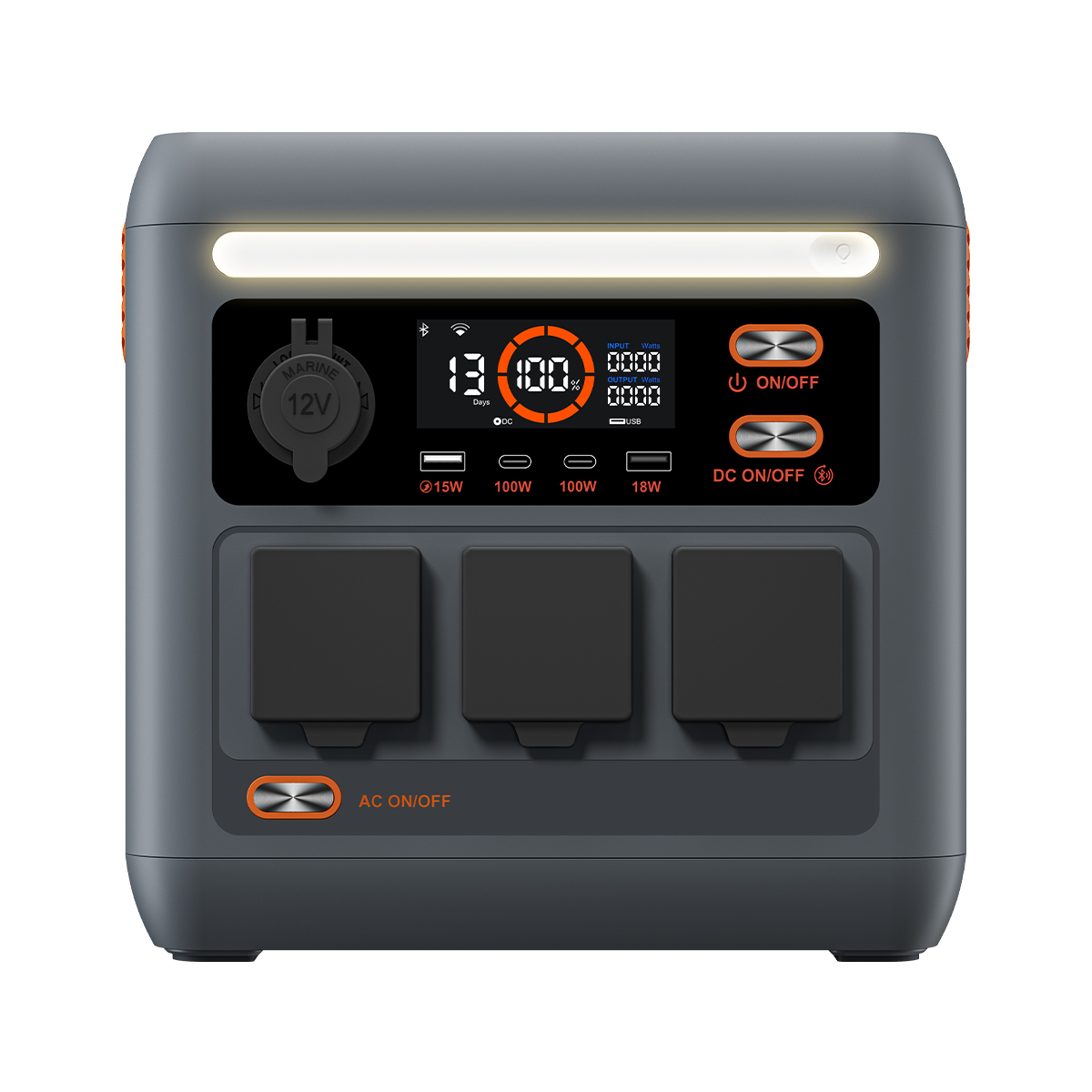
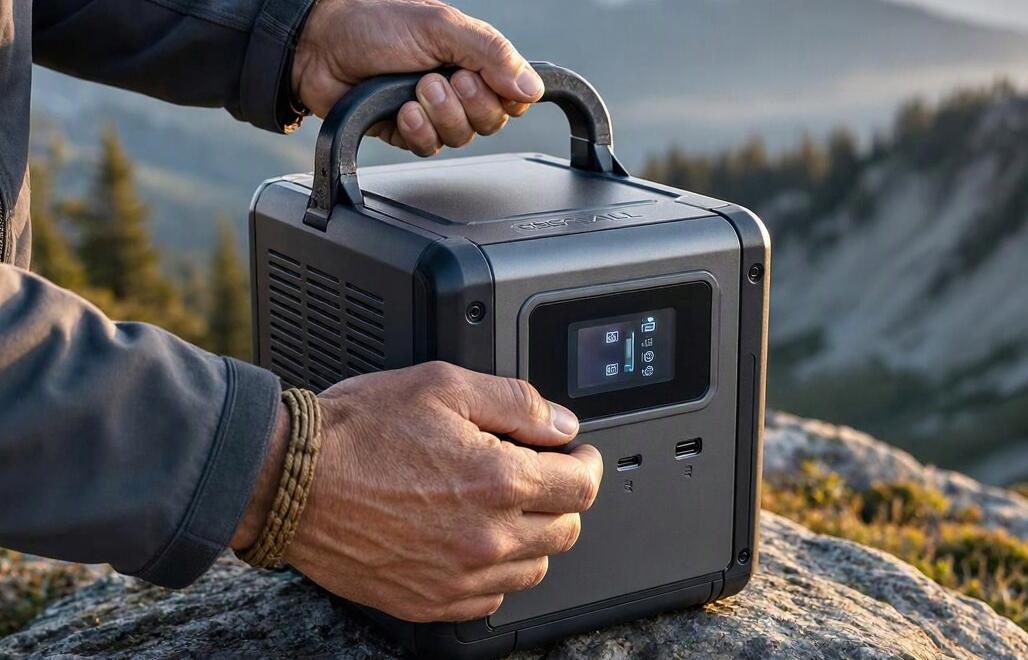
Portable power stations are increasingly popular for camping, hiking, mountain photography, outdoor adventures, and emergency backup power. However, when planning a trip to mountainous regions or elevated locations, users may wonder whether these devices can operate safely and efficiently at high altitude. Since environmental conditions change as elevation increases, factors such as air pressure, temperature, and cooling efficiency may affect power station performance.
- Read also: How to reset a portable power station?
- How to fix AC output not working on a portable power station?
- How to charge a portable power station?
The good news is that most portable power stations can be used at high altitudes, provided that their operating specifications and environmental limitations are respected. However, altitude can influence heat dissipation, battery performance, and the operation of certain electrical components. Understanding these factors can help you use your portable power station safely and reliably in mountain environments.
1. How Does High Altitude Affect Portable Power Stations?
High-altitude environments have lower atmospheric pressure and thinner air. These conditions can influence how electronic equipment manages heat and maintains stable operation. Important factors include:
- Lower air pressure: Reduced atmospheric pressure may affect certain internal components, particularly equipment designed with specific cooling or insulation requirements.
- Reduced cooling efficiency: Thinner air transfers heat less effectively, potentially making it harder for cooling fans and ventilation systems to dissipate heat.
- Temperature fluctuations: Mountain environments often experience significant temperature differences between daytime and nighttime, affecting battery efficiency.
- Battery performance: Lithium batteries generally tolerate altitude well, but extremely cold temperatures can reduce available capacity and charging efficiency.
2. Can Lithium Battery Power Stations Work at High Altitudes?
Yes. Most portable power stations use lithium-ion or LiFePO4 batteries, which do not require oxygen to generate electricity. Therefore, unlike fuel-powered generators, they can generally operate without combustion-related problems at high elevations.
Nevertheless, the battery management system (BMS), inverter, and other electronic components must operate within their specified environmental limits. Always check the manufacturer's recommended operating altitude and temperature range before taking the device into mountainous areas.
3. What Factors Should You Consider Before Using One?
Before using a portable power station at high altitude, consider the following points:
- Maximum operating altitude: Check whether the manufacturer specifies an altitude limitation. Some devices have restrictions related to cooling and electrical insulation.
- Ambient temperature: Avoid exposing the battery to extreme cold or excessive heat, as both can affect performance.
- Ventilation: Keep air vents unobstructed and place the power station in a well-ventilated location.
- Charging conditions: Follow the recommended charging temperature range, especially when charging outdoors in cold mountain environments.
- Power output: Avoid continuously operating the inverter at maximum capacity if the device becomes unusually hot.
4. Practical Tips for Using a Portable Power Station in Mountainous Areas
Proper preparation can significantly improve safety and reliability when using a portable power station at high elevations.
- Read the product manual and confirm its altitude specifications before departure.
- Keep the power station protected from rain, snow, and direct sunlight.
- Store the device in an insulated environment when temperatures become extremely low.
- Avoid charging a frozen battery. Allow it to return to the permitted charging temperature first.
- Keep the unit away from flammable materials and ensure sufficient ventilation.
- Monitor battery temperature, charging status, and power output during operation.
5. Is a Portable Power Station Better Than a Fuel Generator at High Altitude?
For many outdoor activities, a portable power station offers several advantages over a traditional fuel generator. It produces no exhaust emissions during operation, operates quietly, and does not depend on oxygen for combustion. This makes it particularly convenient for camping, mountain photography, and powering electronic equipment in enclosed or sheltered spaces.
However, portable power stations have limited battery capacity and must be recharged. Fuel generators may also experience reduced engine performance at high elevations because thinner air affects combustion. The best option depends on your energy requirements, trip duration, and available charging resources.
Conclusion
A portable power station can generally be used at high altitude, especially when it features a reliable battery management system and is designed for outdoor applications. Lithium-based battery technology makes these devices suitable for many mountain environments because electricity generation does not depend on oxygen combustion.
However, users should pay attention to operating altitude limits, temperature conditions, ventilation, and charging requirements. By following the manufacturer's instructions and taking appropriate precautions, you can enjoy convenient, quiet, and reliable portable power during high-altitude adventures.


