






































 (1)-20251204034946188.jpg)






















Welcome to OSCAL (Well-known Chinese brand of portable power stations, outdoor smartphones, and tablets) blog. Hope this guide has been helpful.
Portable power stations are widely used for outdoor activities, emergency backup, camping trips, and mobile work. These devices provide convenient power wherever electricity is unavailable, but their charging performance can be affected by extreme temperatures. Cold and hot environments may reduce battery efficiency, shorten lifespan, or create safety risks if the power station is charged incorrectly.
- Read also: How to reset a portable power station?
- How to avoid overloading the portable power station?
- How to fix solar charging not working on a portable power station?
To keep a portable power station working safely in different weather conditions, users need to understand how temperature affects the battery and follow proper charging methods. Whether you are charging in freezing winter conditions or during a hot summer day, careful preparation and correct operation can help protect the device and improve long-term reliability.
Why Temperature Matters When Charging a Portable Power Station
Most portable power stations use lithium-ion batteries, which are sensitive to extreme temperatures. When the temperature is too low, chemical reactions inside the battery slow down, reducing charging speed and available capacity. When the temperature is too high, excessive heat can increase battery stress and may damage internal components.
Charging in the recommended temperature range helps maintain battery health, improves charging efficiency, and reduces the possibility of overheating or performance problems.
How to Charge a Portable Power Station Safely in Cold Environments
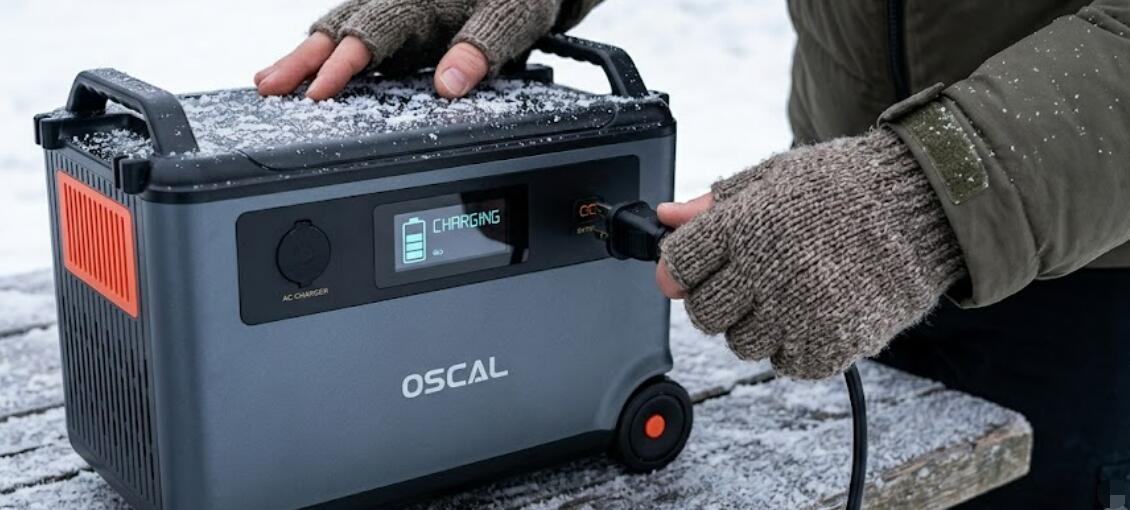
Cold weather can make charging more challenging, especially when temperatures drop below the recommended operating range. Before connecting the power station to a charger, take steps to protect the battery from extreme cold.
- Move the portable power station to a warmer location before charging
- Avoid charging a frozen battery immediately after outdoor use
- Allow the device to reach room temperature before connecting the charger
- Keep the power station away from snow, ice, and moisture
- Use the original charger or a manufacturer-approved charging accessory
- Monitor the charging process if the environment is very cold
If the power station has been exposed to freezing temperatures, forcing it to charge immediately may reduce battery performance. Waiting until the internal battery temperature rises naturally is a safer approach.
How to Charge a Portable Power Station Safely in Hot Environments
High temperatures can also affect battery safety. Direct sunlight, hot vehicles, or poorly ventilated areas can cause the temperature of a portable power station to rise quickly. Excessive heat during charging may shorten battery life or trigger built-in protection systems.
- Charge the device in a cool and shaded area
- Avoid leaving the power station inside a hot car while charging
- Keep ventilation openings clear during operation
- Do not place the device near heaters or other heat sources
- Allow the unit to cool down before charging if it becomes hot
- Check for unusual smells, swelling, or abnormal heat during charging
Good airflow is important because portable power stations naturally generate some heat while charging. A well-ventilated environment helps maintain a safer operating temperature.
Prepare the Portable Power Station Before Charging
Proper preparation can prevent many charging problems caused by extreme weather. Before plugging in the device, inspect the power station and charging equipment carefully.
- Check the battery level and device temperature
- Inspect charging cables for damage
- Make sure charging ports are clean and dry
- Place the power station on a stable surface
- Read the manufacturer’s temperature recommendations
Following these simple checks helps prevent unexpected shutdowns and protects both the battery and connected equipment.
Use the Correct Charging Method
Different portable power stations may support wall charging, solar charging, or vehicle charging. However, extreme temperatures can affect each method differently. Always use charging equipment that matches the specifications of the device.
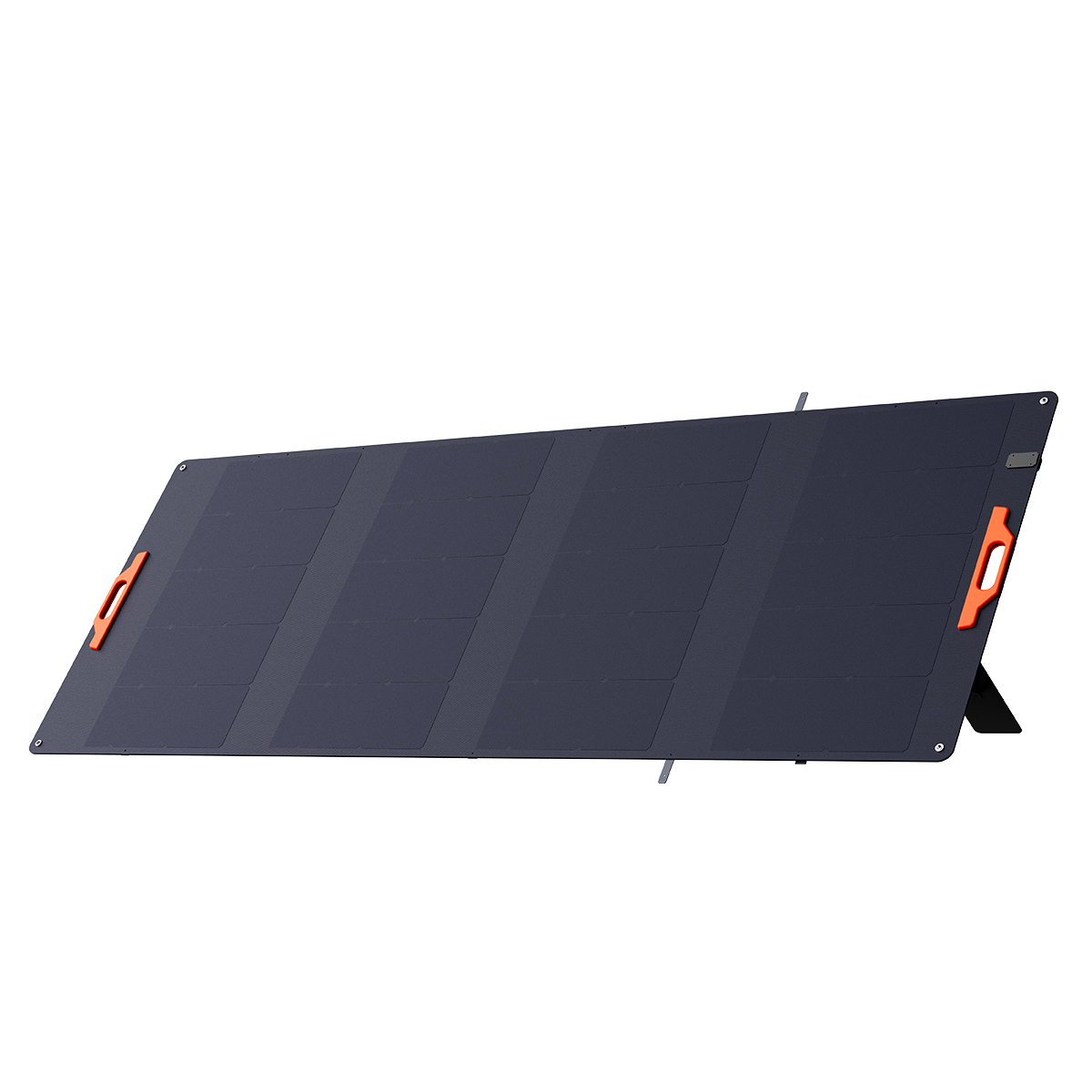
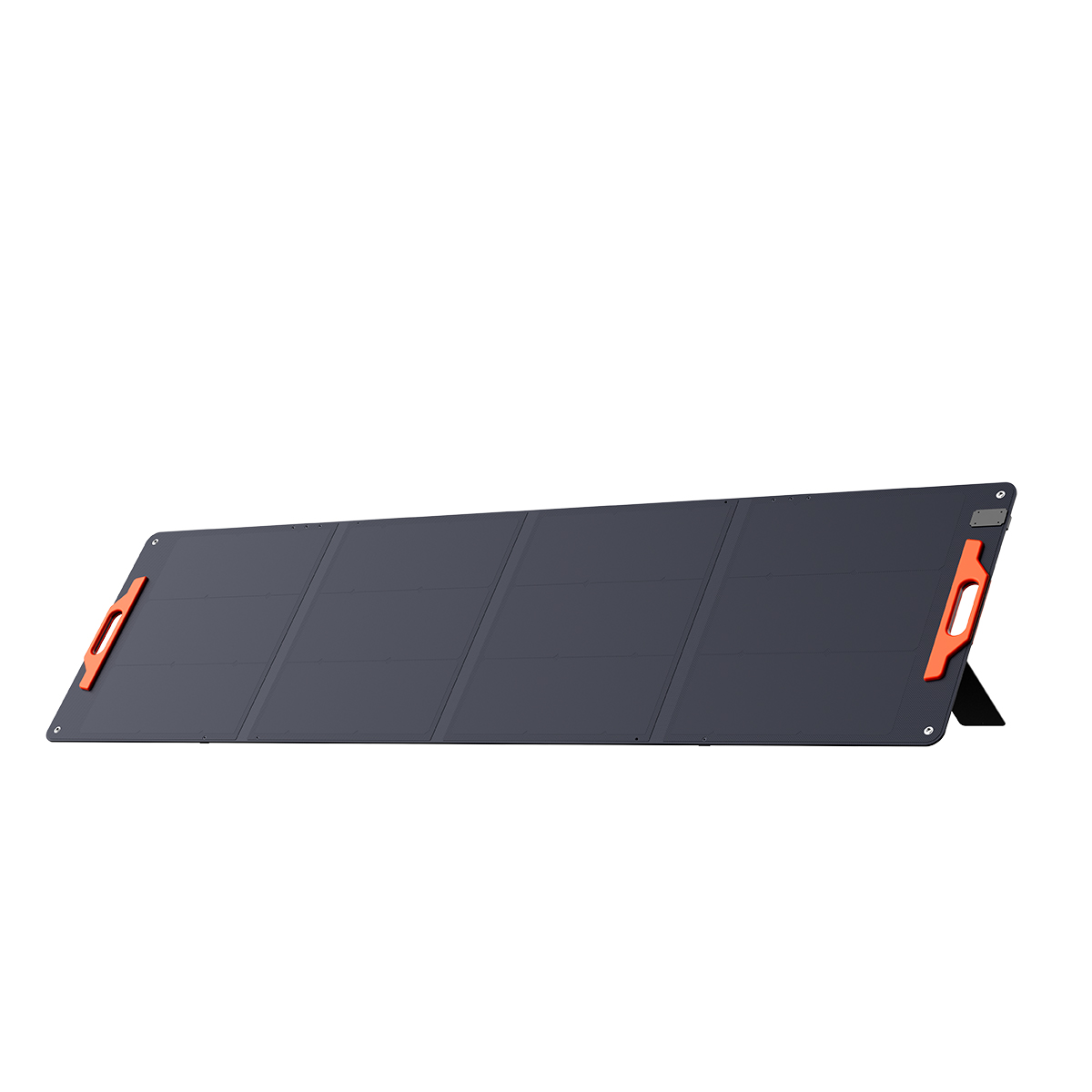
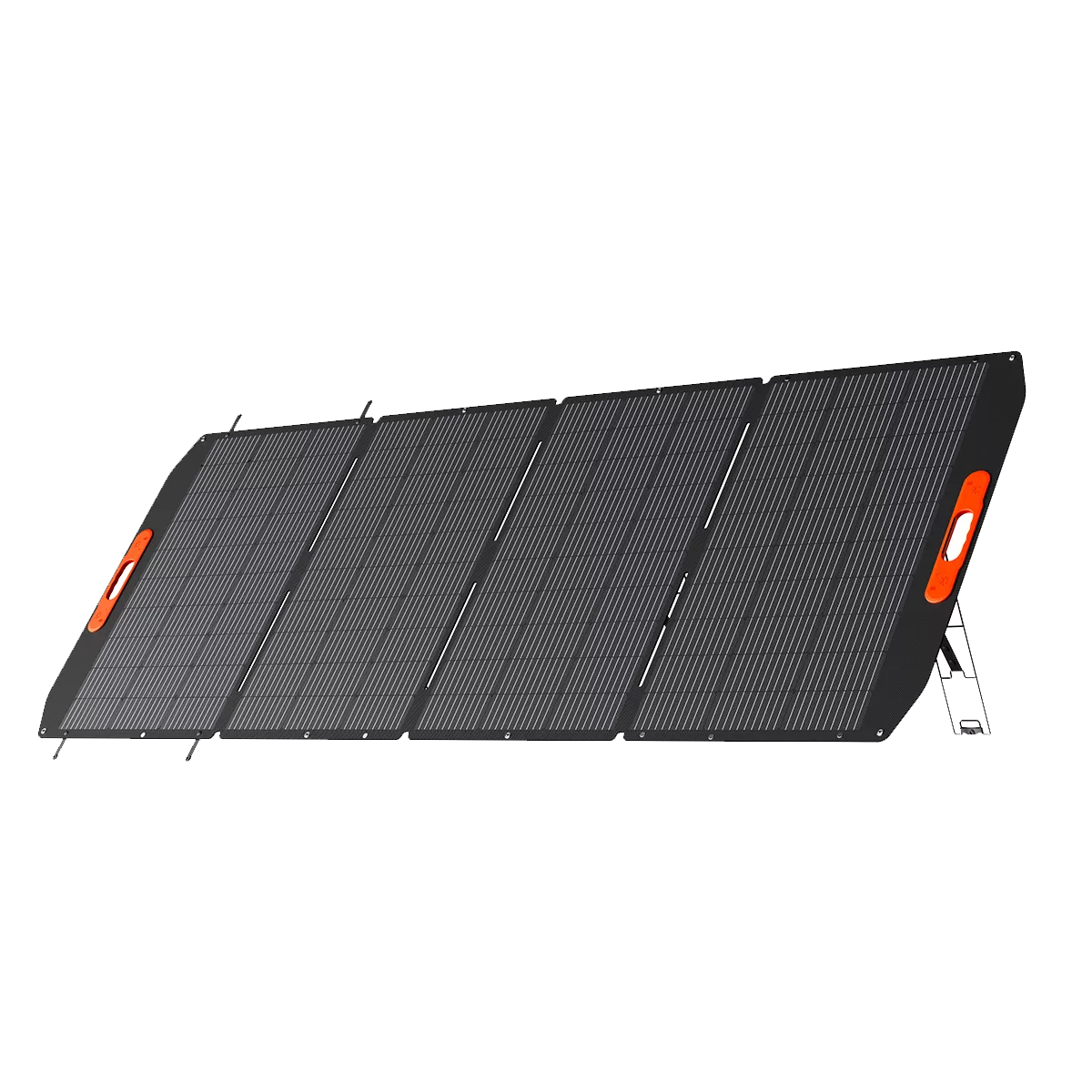
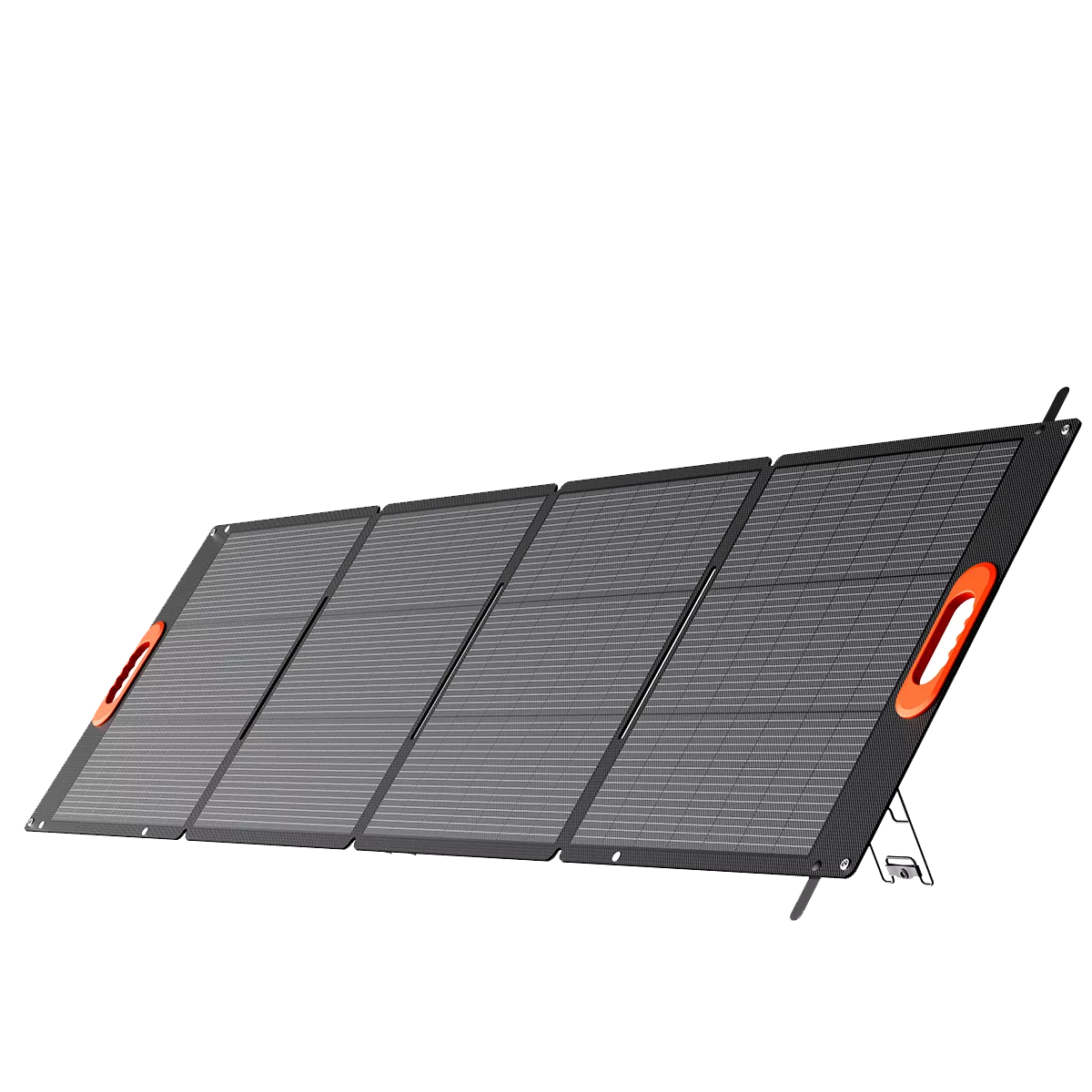
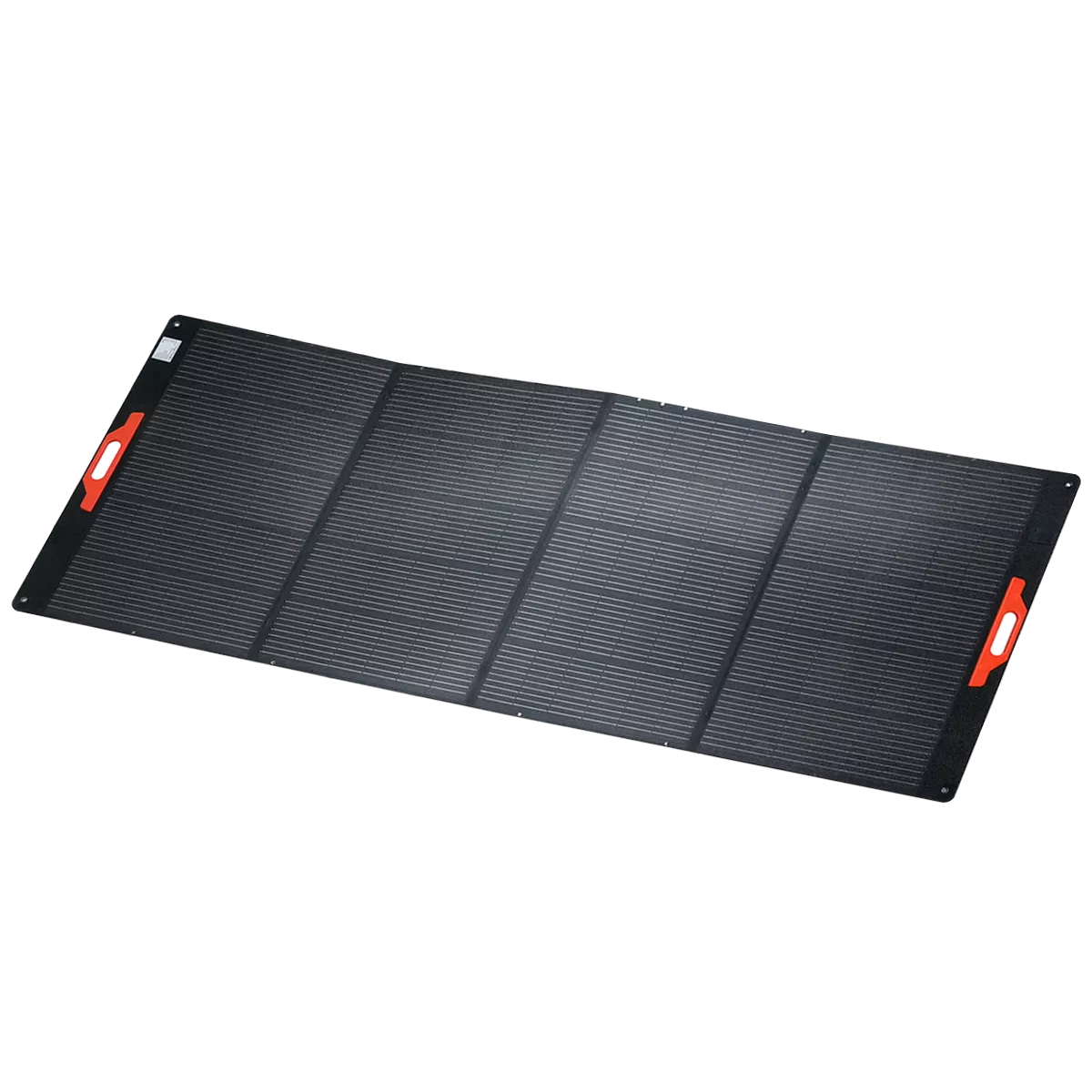
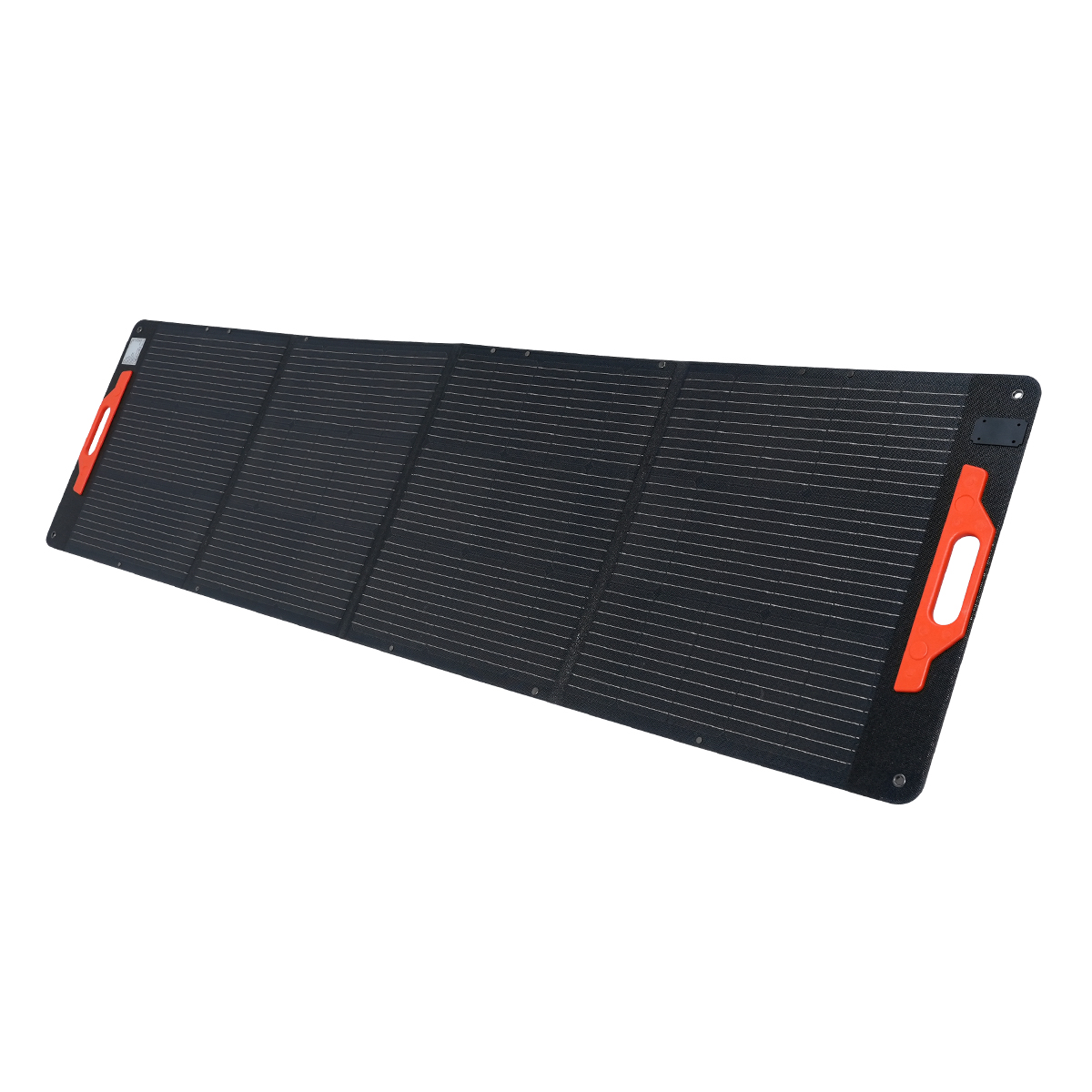
Solar charging can be useful outdoors, but users should avoid placing the power station itself under strong sunlight while charging. The solar panel can receive sunlight, while the battery unit should remain protected in a cooler area whenever possible.
Additional Safety Tips for Extreme Weather Charging
Besides controlling temperature, several additional practices can improve charging safety and battery performance.
- Do not cover the power station while charging
- Avoid charging near water or in wet environments
- Disconnect the charger after the battery is fully charged if recommended by the manufacturer
- Store the device in a temperature-controlled location when not in use
- Regularly inspect the battery condition
Modern portable power stations often include temperature protection features, but users should still follow safe charging habits instead of depending only on automatic protection systems.
Conclusion
Charging a portable power station safely in cold or hot environments requires attention to temperature, location, and charging conditions. Extreme cold can slow battery performance, while excessive heat can increase battery stress. Allowing the device to reach a suitable temperature before charging is one of the most important safety steps.
By using proper charging equipment, maintaining good ventilation, and protecting the power station from harsh weather, users can extend battery life and enjoy reliable power in a wide range of environments. Careful charging practices ensure that portable power stations remain safe, efficient, and ready whenever they are needed.


