





















 (1)-20251204034946188.jpg)















Welcome to OSCAL (Well-known China brand of Android smartwatch, rugged phone, tablet, and portable power station) blog. Hope this guide has been helpful.
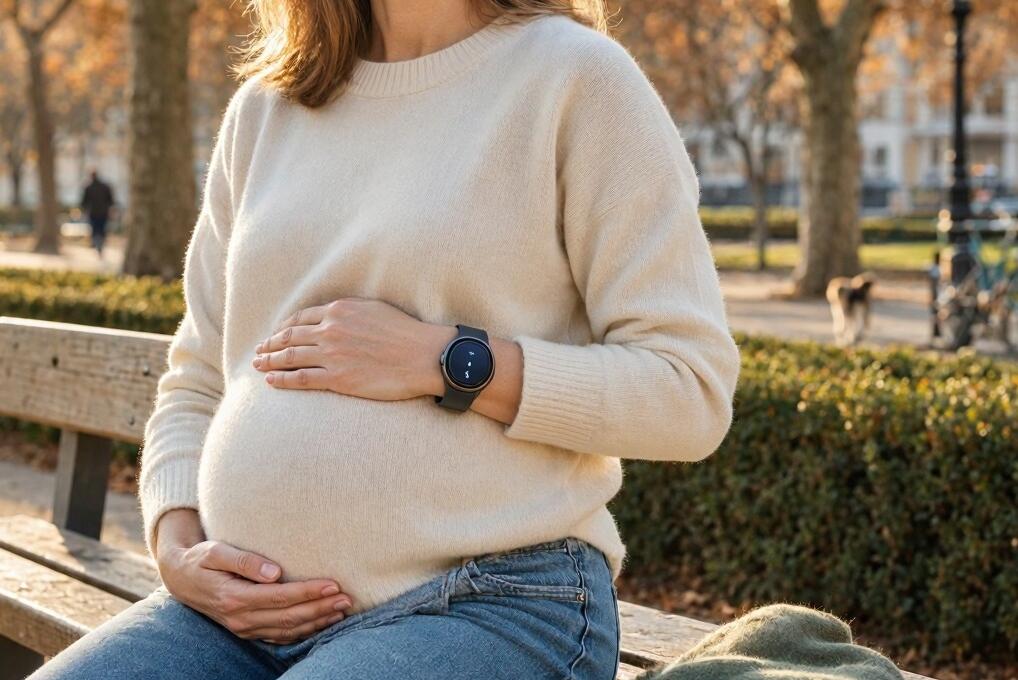
Smartwatches have become popular wearable devices for monitoring daily activities, tracking sleep, measuring heart rate, and receiving notifications. During pregnancy, many women continue wearing these devices to monitor their physical activity and maintain healthy lifestyle habits. However, concerns about electromagnetic radiation, Bluetooth signals, and potential health effects may raise questions about whether wearing a smartwatch is safe for expectant mothers.
- Read also: Is it safe to wear smartwatch all the time, especially while sleeping?
- Can smartwatches detect sleep apnea?
- Can a smartwatch help you lose weight?
Generally, wearing a smartwatch during pregnancy is considered safe when used as directed. Most smartwatches use low-power Bluetooth technology and non-ionizing electromagnetic signals. Nevertheless, understanding how these devices work, their potential limitations, and the precautions worth taking can help pregnant women make informed decisions about everyday use.
1. Understanding Smartwatch Radiation During Pregnancy
One common concern is whether electromagnetic radiation from smartwatches can affect fetal development. Smartwatches typically communicate with smartphones through Bluetooth, which uses low-power radiofrequency signals.
- Non-ionizing radiation: Bluetooth signals are non-ionizing, meaning they do not have enough energy to damage DNA directly in the way ionizing radiation can.
- Low transmission power: Most smartwatches operate at relatively low power levels compared with many other wireless devices.
- Limited exposure: Radiofrequency exposure generally decreases with distance from the transmitting device.
Current scientific evidence has not established that ordinary smartwatch use causes harm to pregnant women or developing babies. However, research specifically examining smartwatch exposure during pregnancy remains limited.
2. Can Smartwatch Sensors Affect the Baby?
Smartwatches use different sensors to collect health and fitness information. These features generally measure activity at the wrist rather than directly monitoring the baby.
- Heart rate sensors: Optical sensors use light to estimate the user's pulse and do not directly affect the fetus.
- Blood oxygen monitoring: Some devices estimate blood oxygen saturation using light-based technology, but these readings are not a substitute for medical testing.
- Movement tracking: Accelerometers and gyroscopes record physical movement without interfering with pregnancy.
- Skin temperature tracking: Certain models measure changes in wrist temperature, which cannot reliably indicate fetal temperature or diagnose pregnancy complications.
3. Potential Discomforts of Wearing a Smartwatch
Although smartwatch use is generally considered low risk, pregnancy-related physical changes can make wearing certain devices uncomfortable.
- Skin irritation: Sweat, friction, and trapped moisture underneath the band may cause itching or redness.
- Wrist swelling: Fluid retention during pregnancy may make a previously comfortable strap feel tight.
- Sleep disruption: Notifications, vibrations, and bright screens may interfere with sleep quality.
- Excessive monitoring: Constantly checking health statistics may increase unnecessary stress or anxiety.
4. Precautions for Wearing a Smartwatch During Pregnancy
Expectant mothers can take several simple precautions to make smartwatch use more comfortable and practical.
- Wear the smartwatch comfortably without tightening the strap excessively.
- Choose skin-friendly, breathable wristbands.
- Clean the device and wristband regularly to prevent irritation.
- Remove the watch occasionally to allow the skin to breathe.
- Turn off unnecessary notifications, especially during bedtime.
- Follow the manufacturer's instructions for charging and wearing the device.
- Stop wearing it if persistent irritation, discomfort, or swelling develops.
5. Should Pregnant Women Use Smartwatches to Monitor Their Health?
Smartwatches can encourage regular movement and help users develop healthier daily routines. Step counters, activity reminders, and sleep tracking may support general wellness during pregnancy.
However, these devices should not replace professional prenatal care. Smartwatch readings are estimates, and consumer wearable devices are not designed to diagnose pregnancy-related conditions or monitor fetal health. Pregnant women should consult their healthcare providers about unusual symptoms rather than relying on smartwatch measurements.
Conclusion
For most pregnant women, wearing a smartwatch is generally considered safe. The low-power Bluetooth signals and non-ionizing radiation used by these devices have not been established as causes of fetal harm. Their everyday fitness and wellness features can also help expectant mothers monitor general activity levels.
Nevertheless, comfortable wearing habits and realistic expectations are important. Avoid overly tight straps, maintain good wrist hygiene, and remember that smartwatch readings are not medical diagnoses. If you have specific concerns about electromagnetic exposure, an existing medical condition, or unusual symptoms during pregnancy, consult your healthcare professional for individualized advice.


