





































 (1)-20251204034946188.jpg)











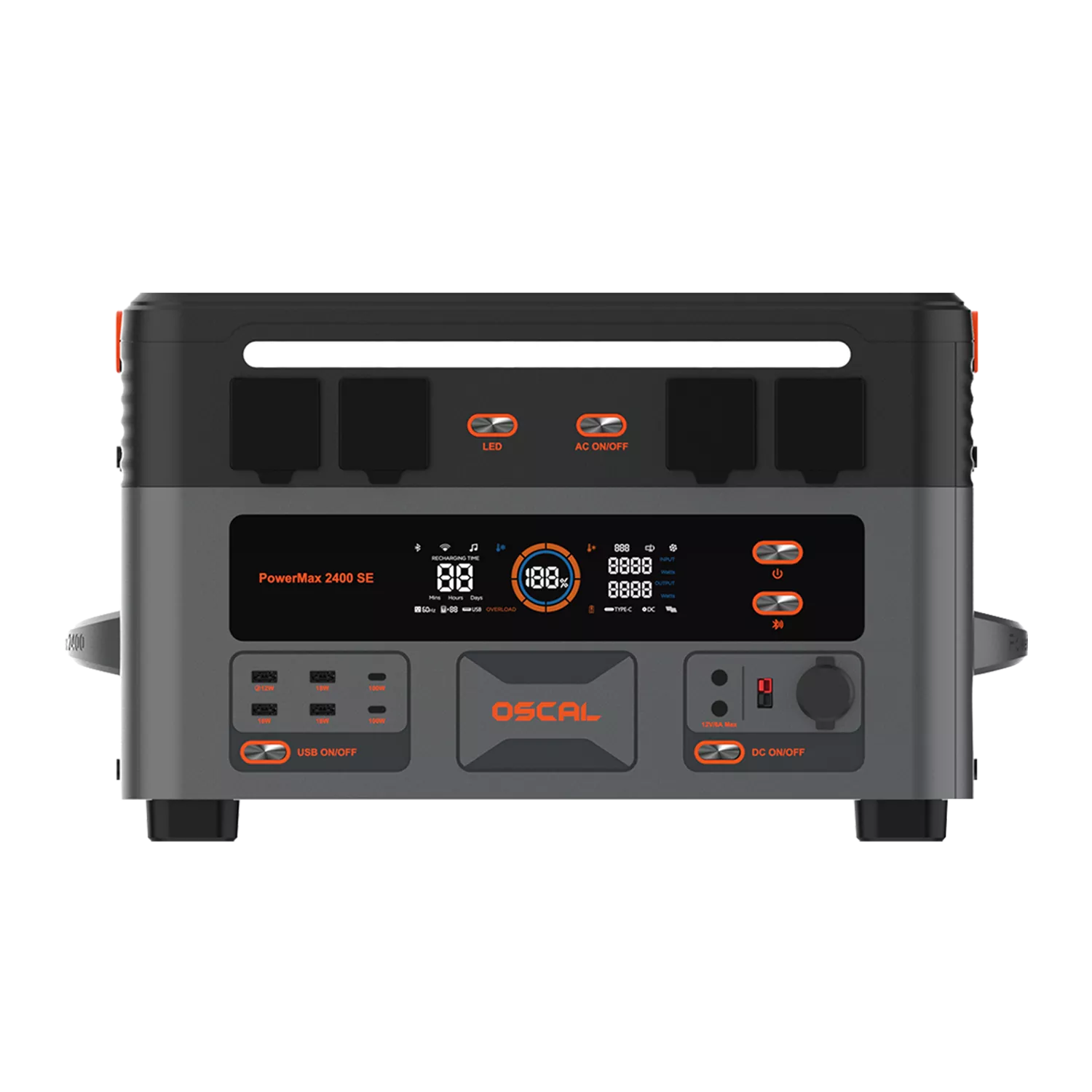
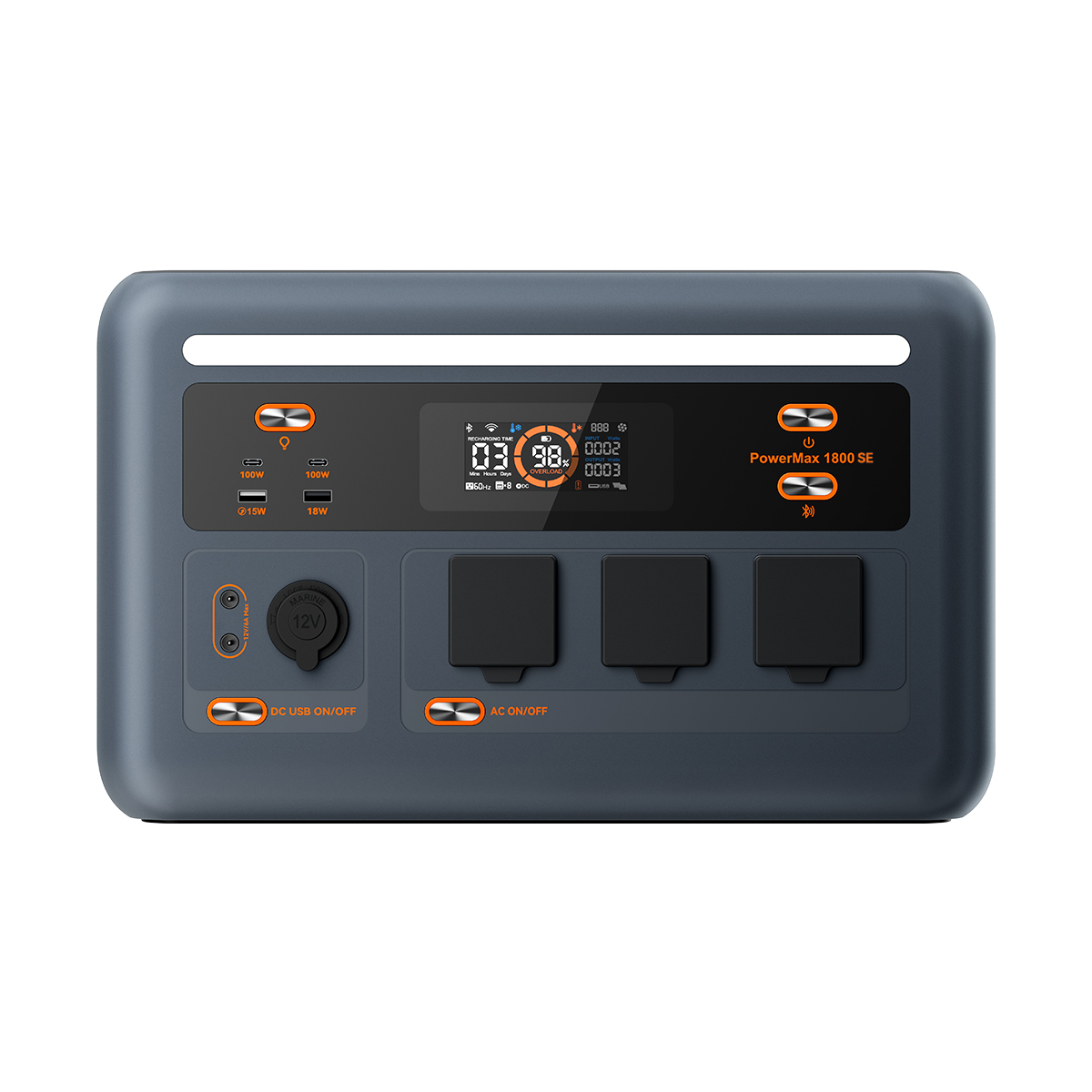


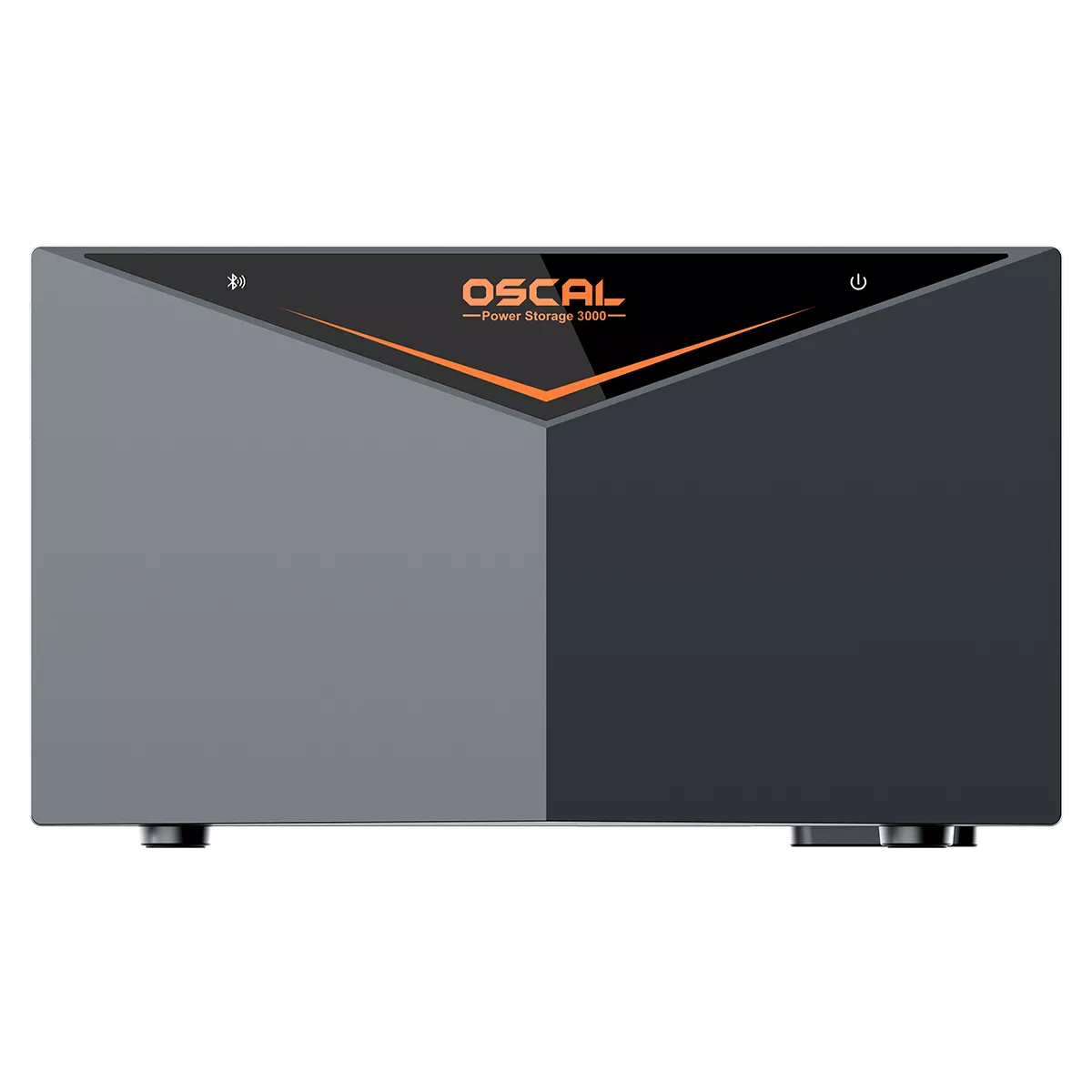




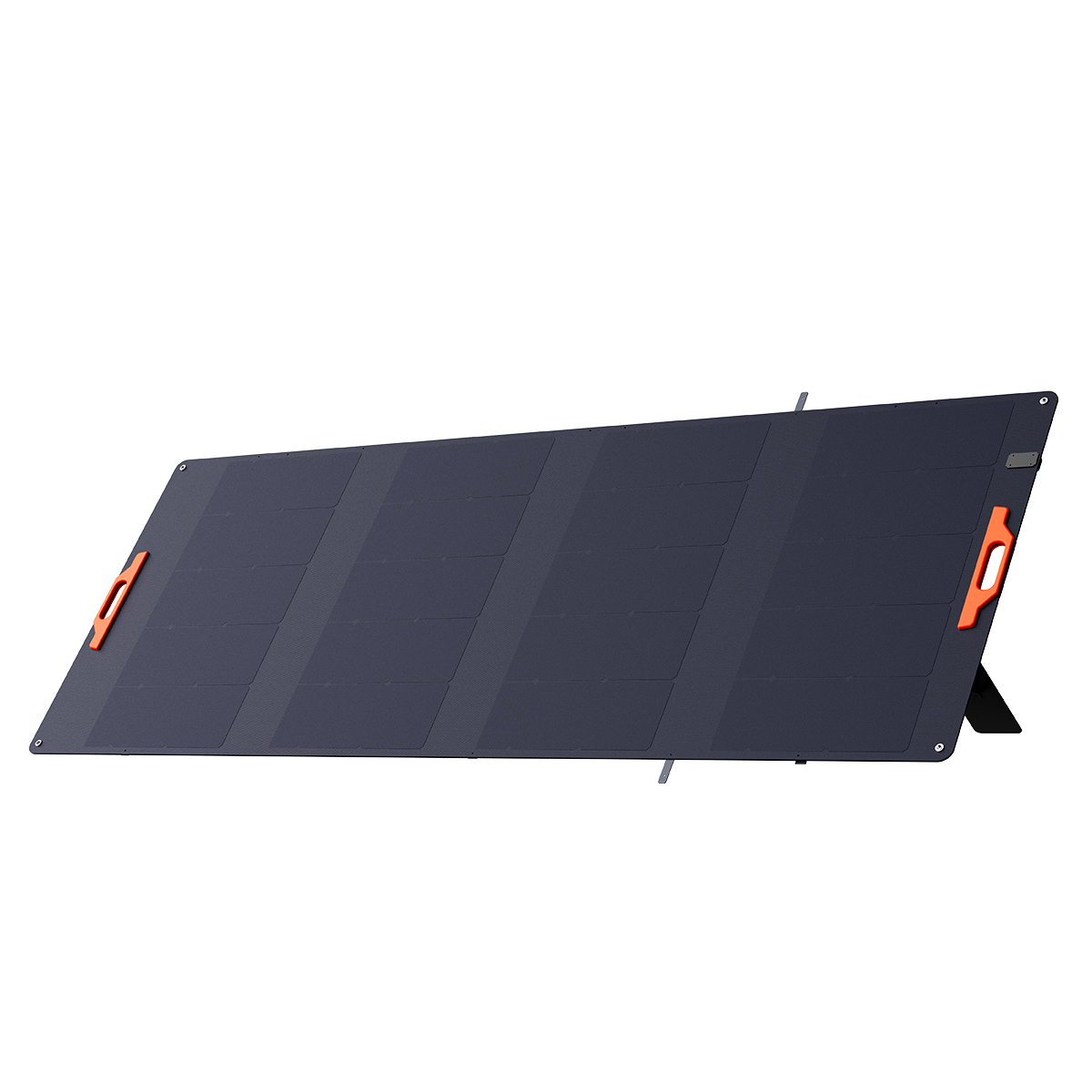






Welcome to OSCAL (Well-known Chinese brand of rugged smartphone, tablet, and portable power station) blog. Hope this guide has been helpful.
Air travel has changed dramatically over the past decade, and onboard internet service is now one of the most requested features among passengers. Whether travelers want to send emails, stream movies, chat with friends, or continue working during a flight, airplane WiFi has become an important part of the modern flying experience. Many major airlines across North America, Europe, Asia, and the Middle East now provide internet access on short-haul and long-haul routes.
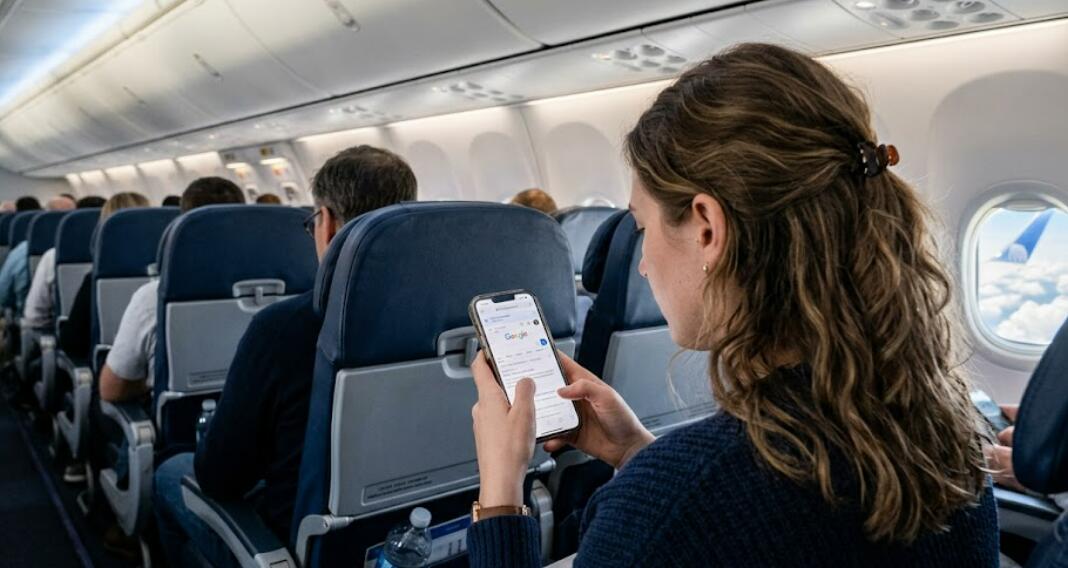
However, not every aircraft offers the same level of connectivity. Some airplanes provide high-speed broadband that supports video streaming, while others only allow basic messaging and web browsing. Travelers are also often confused about how airplane WiFi works, how much it costs, and whether it is reliable at high altitudes. Airlines continue investing in advanced satellite technology to improve the passenger experience and meet rising expectations for constant connectivity.
How Airplane WiFi Works
Airplane WiFi generally operates through two main systems: air-to-ground networks and satellite-based connections. Air-to-ground systems use towers located on the earth’s surface that transmit signals to antennas attached to the aircraft. This method is commonly used on domestic flights because it delivers stable connections over land.
Satellite systems, meanwhile, connect aircraft directly to communication satellites orbiting the planet. These systems are more suitable for international and ocean-crossing flights because they work in remote regions where ground towers are unavailable. Modern satellite networks can provide faster speeds and support hundreds of connected devices at the same time.
Industry experts say satellite technology has improved significantly in recent years. New low-earth-orbit satellite systems are helping airlines reduce delays and increase internet speed during flights. As competition among airlines grows, onboard internet quality has become a key factor influencing customer satisfaction.
Which Airlines Offer WiFi?
Most major airlines now provide WiFi services on at least part of their fleets. Airlines including Delta Air Lines, American Airlines, United Airlines, Emirates, Qatar Airways, Singapore Airlines, and Japan Airlines have expanded internet coverage across many aircraft models.
Still, availability depends on the specific airplane and route. Older aircraft may not support internet systems, while some regional flights offer limited or no connectivity. Travelers are encouraged to check the airline’s website or mobile application before departure to confirm whether WiFi is available on a particular flight.
- Short domestic flights may offer basic browsing only.
- Long-haul international flights often provide full internet packages.
- Some airlines now offer free messaging services through apps like WhatsApp or iMessage.
- Premium passengers may receive complimentary WiFi access.
How Passengers Can Connect to Airplane WiFi
Using airplane WiFi is usually simple and similar to connecting to a public hotspot on the ground. After the aircraft reaches cruising altitude, passengers are typically informed that internet service is available. Travelers can then activate WiFi mode on their smartphone, tablet, or laptop and select the airline’s network.
Once connected, a browser page generally opens automatically. Users may be asked to enter their booking information, sign in to a loyalty account, or purchase an internet package. Payment methods vary by airline, but credit cards and digital wallets are commonly accepted.
Typical connection steps include:
- Switch electronic devices to airplane mode.
- Enable WiFi on the device.
- Select the airline’s onboard network.
- Open a browser and follow login instructions.
- Choose a free or paid internet package.
Some airlines also allow passengers to pre-purchase internet access before departure at discounted rates. Frequent flyers often benefit from membership programs that include free or reduced-price connectivity options.
How Much Does Airplane WiFi Cost?
Pricing for airplane WiFi varies widely depending on the airline, route length, and internet speed. Basic messaging services may be free, while full browsing packages can range from a few dollars to more expensive premium plans for streaming or business use.
Several airlines have recently introduced complimentary WiFi to attract customers. Industry analysts believe free onboard internet could become more common in the future as satellite technology becomes cheaper and faster. Nevertheless, connection quality can still be affected by weather conditions, network congestion, and the number of active users onboard.
The Future of In-Flight Connectivity
Airlines are increasingly treating onboard internet as an essential service rather than a luxury feature. Experts predict that future aircraft will offer faster and more reliable connections capable of supporting live video, online gaming, and remote work without interruption. Competition among carriers is also expected to drive improvements in pricing and coverage.
For travelers, airplane WiFi has transformed the flying experience by making it easier to stay connected even at 35,000 feet. While service quality still differs between airlines and aircraft, the aviation industry continues moving toward a future where internet access in the sky becomes as common and dependable as it is on the ground.